Why does my sump pump run constantly after heavy rain?
A sump pump that keeps running after a Warren downpour may be handling rising groundwater-or signaling a stuck switch, blocked discharge, or drainage issue.
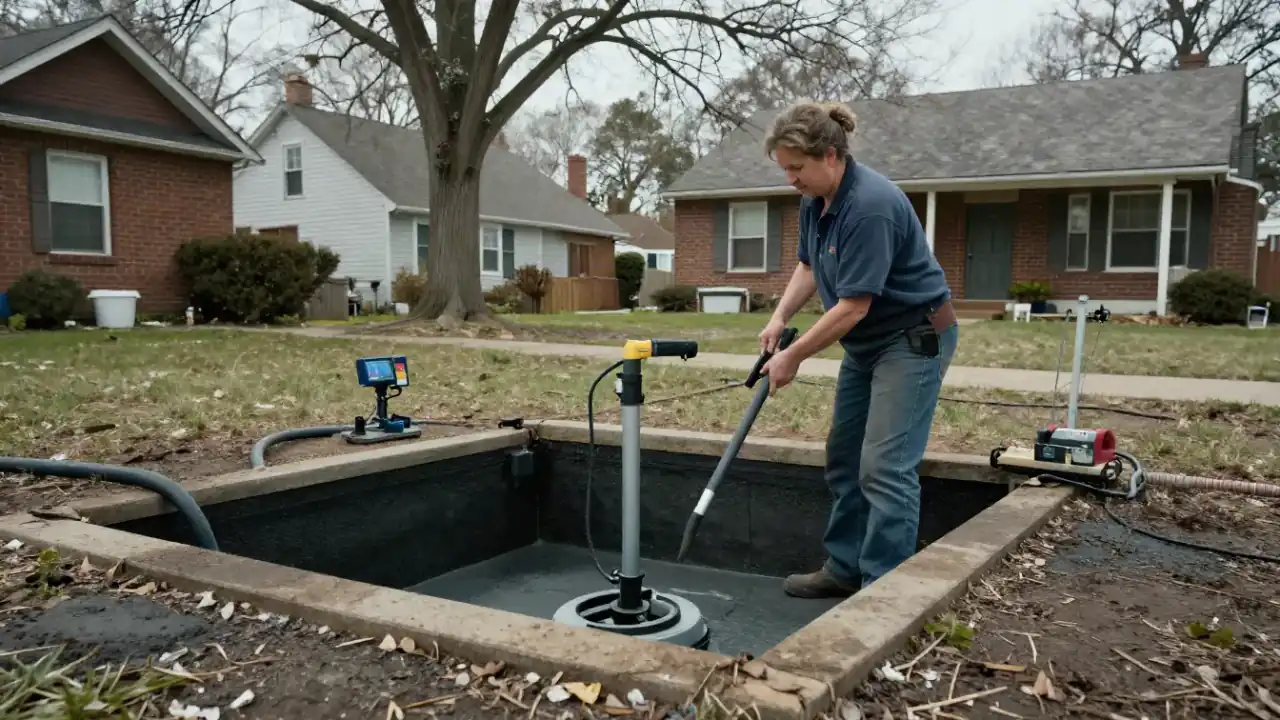
Your sump pump runs constantly after heavy rain because groundwater is still entering the pit faster than the pump can lower the water, or because a switch, check valve, discharge line, or pump fault is preventing a normal cycle. In Warren, saturated soil and repeated fall storms can keep the water table elevated for hours, but a pump that never shuts off deserves attention before it overheats or fails. This guide explains the common causes, the checks you can safely make, and when a repair or drainage change can protect your basement.
A sump pump runs constantly after rain in Warren OH is a warning pattern, not a diagnosis: the pit water level, pump operation, and discharge route together reveal what is happening. Our team traces those pieces instead of replacing a pump just because it is noisy or running often. We help homeowners across the area with waterproofing Warren OH, including water entry and sump system problems.
Why does a sump pump run constantly after heavy rain in Warren, Ohio?
A sump pump runs constantly after heavy rain in Warren, Ohio when inflow remains high, the float fails to switch off, or pumped water returns to the pit. The first clue is whether the water level drops while the motor runs.
If the pit level falls but the pump keeps going, the float or switch may be stuck, misadjusted, or obstructed by the liner. If the motor runs but water barely moves, a clogged or frozen discharge line, damaged impeller, airlock, or undersized pump is more likely. A check valve that leaks can send water back into the basin after each cycle.
Rain-related inflow is common when soil around the foundation is saturated. Warren's clay-heavy and compacted soils in some neighborhoods can drain slowly, so water may keep feeding perimeter drain tile after the rain stops. Roof runoff also matters: a downspout that empties beside the foundation can send hundreds of gallons toward the basement during a hard storm.
Our technicians check the pit, pump, switch, valve, and outlet as a connected system. If water is entering through the foundation rather than simply collecting in the basin, basement waterproofing Warren OH may address the source instead of asking the pump to manage the same excess water indefinitely.
How often should your sump pump run after rain in Warren?
After a strong storm, a sump pump in Warren may cycle every few minutes for several hours, but it should shut off between cycles and the pit level should fall. Continuous operation with no pause is different.
There is no single normal cycle count because pit size, pump capacity, groundwater level, and rainfall intensity vary from home to home. A pump running every 5 minutes Warren Ohio homeowners ask about can be working normally if it runs briefly, lowers the water, and rests before the float rises again. A pump that runs nonstop, runs dry, or never lowers the basin needs inspection.
Listen for changes. A steady motor hum with water flowing from the discharge suggests the pump is moving water; a rattling sound, repeated clicking, or hot electrical smell suggests a mechanical or switch issue. If you can do so without entering standing water, note how long each run lasts and whether water exits outdoors.
In Warren, we pay attention to what happens after the storm as well as during it. If the pump cycles frequently for 12 to 24 hours after heavy rain, the system may be managing a temporary groundwater surge. If that pattern continues through dry weather, the cause is more likely a switch setting, return flow, steady leak, or drainage problem.
Checks you can make without damaging the pump
Homeowners in Warren can make a few safe observations before arranging sump pump repair, provided the floor and electrical area are dry. Do not reach into a basin while the pump is powered.
Start with the visible discharge point outside. Confirm that water is coming out and that the outlet is not buried in leaves, blocked by soil, crushed, or aimed back toward the foundation. In freezing weather, inspect for ice only from a safe position; never use an open flame to thaw a line.
- Check whether the float moves freely and is not trapped against the basin wall, cord, or pipe.
- Watch whether the water level drops while the pump runs and rises again after it stops.
- Look for a loose, disconnected, or kinked discharge pipe above the floor.
- Notice whether a nearby downspout or surface puddle sends water toward the foundation.
Do not unplug a pump during a storm simply to stop the noise. If the basin is filling, disconnecting power can turn a noisy pump problem into a flooded basement. Keep children away from the pit and avoid standing water near outlets, extension cords, or the pump's electrical connection.
If the float is visibly stuck, you can gently move it only when the area is dry and you can do so without reaching into water or touching wiring. If it sticks again, leave the adjustment to a technician; changing switch height without checking basin capacity can cause short cycling or overflow.
Common mistakes that keep a sump pump running
Common sump pump mistakes in Warren include ignoring discharge water returning to the foundation, forcing a float switch, and treating a drainage problem as a pump-only repair. Each can make a working pump run longer.
A failed check valve is a frequent source of repeated cycling. The pump pushes water up the discharge pipe, shuts off, and then water falls back into the pit. That return flow raises the float again. A properly installed valve helps prevent this; the pipe should also be supported and routed so discharged water does not drain straight back toward the house.
Downspouts and grading deserve a look after a storm. A downspout that releases beside the footing can add to groundwater around the foundation, while a yard depression can hold rainwater against the wall. Where surface water is the main contributor, french drain installation Warren OH may give runoff a route away from the home, depending on slope, soil, and a suitable discharge location.
Another mistake is assuming every constantly running pump needs a larger motor. A pump that is too powerful for a small basin can switch on and off rapidly, wearing its motor and switch. The right fix depends on the pump's rated capacity, vertical lift, pipe diameter, basin size, and the volume of water entering the pit.
When roof runoff is the culprit, extending the outlet several feet from the foundation can help, but the water still needs a safe path that does not flood a neighboring property or return toward the house. Our team evaluates how runoff, soil, and the sump discharge interact before recommending a repair.
When to call a professional for sump pump trouble
Call a sump pump professional in Warren if the pump runs continuously for more than a few hours, fails to lower the pit, trips a breaker, smells hot, or cannot discharge water. Those signs can point to a failed switch, blocked line, damaged pump, or excessive inflow.
We can test the float switch, check valve, impeller, motor, and discharge route, then run the system to confirm that it starts and shuts off at the right water levels. If the pump has failed or cannot keep up with typical inflow, sump pump repair Warren OH can restore reliable operation without guessing at the cause.
Persistent water entering the pit can also signal an issue beyond the pump. Our technicians look for roof runoff problems, foundation seepage, and drainage conditions that keep sending water to the basin. For homes near Niles that see similar wet-weather pressure, waterproofing Niles OH addresses the same regional challenge of managing water around the foundation.
Call promptly if water is nearing electrical equipment or the basement floor is flooding. Do not step into standing water to reach the pump. We can identify the source, explain the repair, and give you upfront pricing before work begins.
Frequently Asked Questions
Why is my sump pump running constantly in Warren OH?
A Warren sump pump usually runs constantly because groundwater is still entering the pit, the float switch is stuck, or water is returning through a failed check valve. Check whether the pit level falls and whether water exits outside. If the motor runs without lowering the water, or continues through dry weather, arrange an inspection.
How often should a sump pump run after rain in Warren Ohio?
After heavy rain, a sump pump may cycle every few minutes for several hours, then slow as groundwater falls. The exact frequency depends on rainfall, soil, basin size, and pump capacity. It should still shut off between cycles. Continuous running or rapid starts every few seconds needs attention.
Should I worry if my sump pump runs all the time in Warren?
Yes, if it runs nonstop for several hours, does not lower the pit, smells hot, or keeps tripping its breaker. A pump can handle a short period of high inflow after a storm, but continuous operation risks overheating and leaves little reserve if the water rises further.
Can a French drain reduce sump pump run time in Warren?
A French drain can reduce sump pump run time when surface water or groundwater is being directed toward the foundation and the drain has a suitable outlet. It will not fix a stuck switch or failed check valve. The right design depends on yard slope, soil, water source, and local discharge conditions.
Is it normal for a sump pump to run constantly in Warren?
No. Frequent cycling during a major storm can be normal, but a pump should eventually shut off when the basin level drops. If it runs continuously after rain has stopped or continues during dry weather, a switch, valve, pump, or drainage issue needs diagnosis.
Get help with waterproofing in Warren
If heavy rain leaves your sump pump running nonstop, Warren Waterproofing Pros can trace the cause and help protect your basement. Call (555) 123-4567 to arrange help with your sump pump or water intrusion problem.