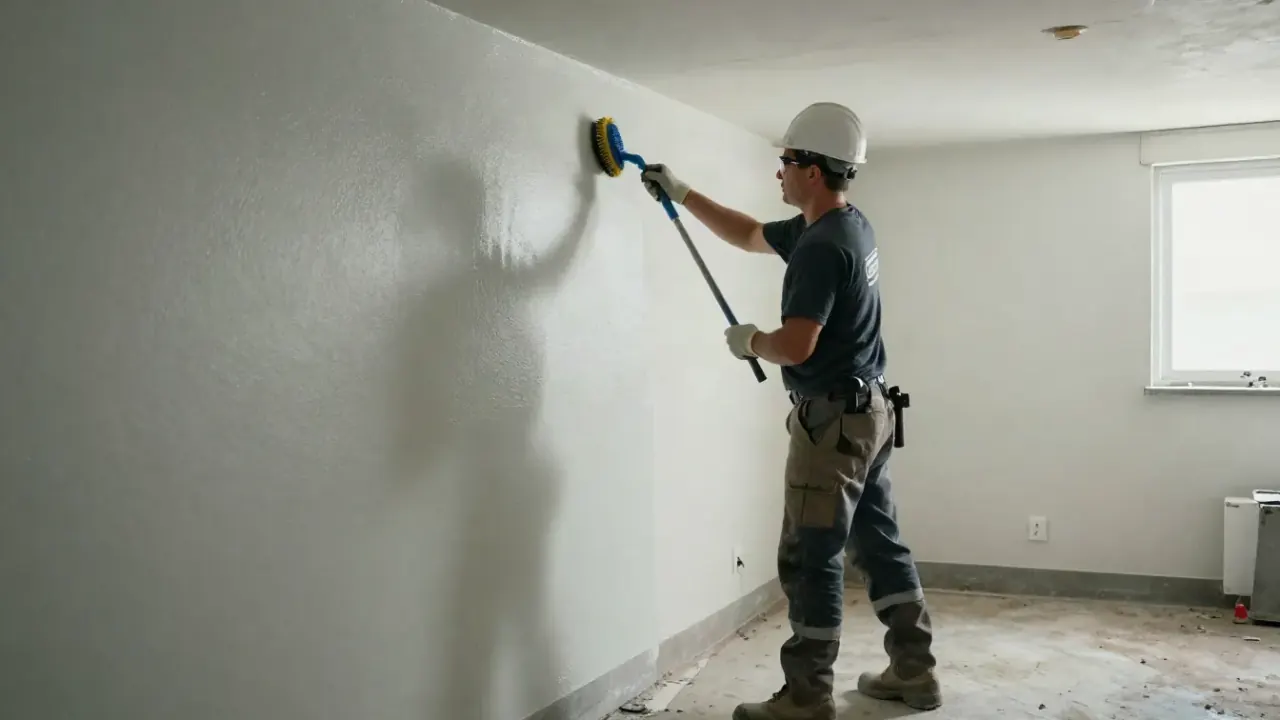
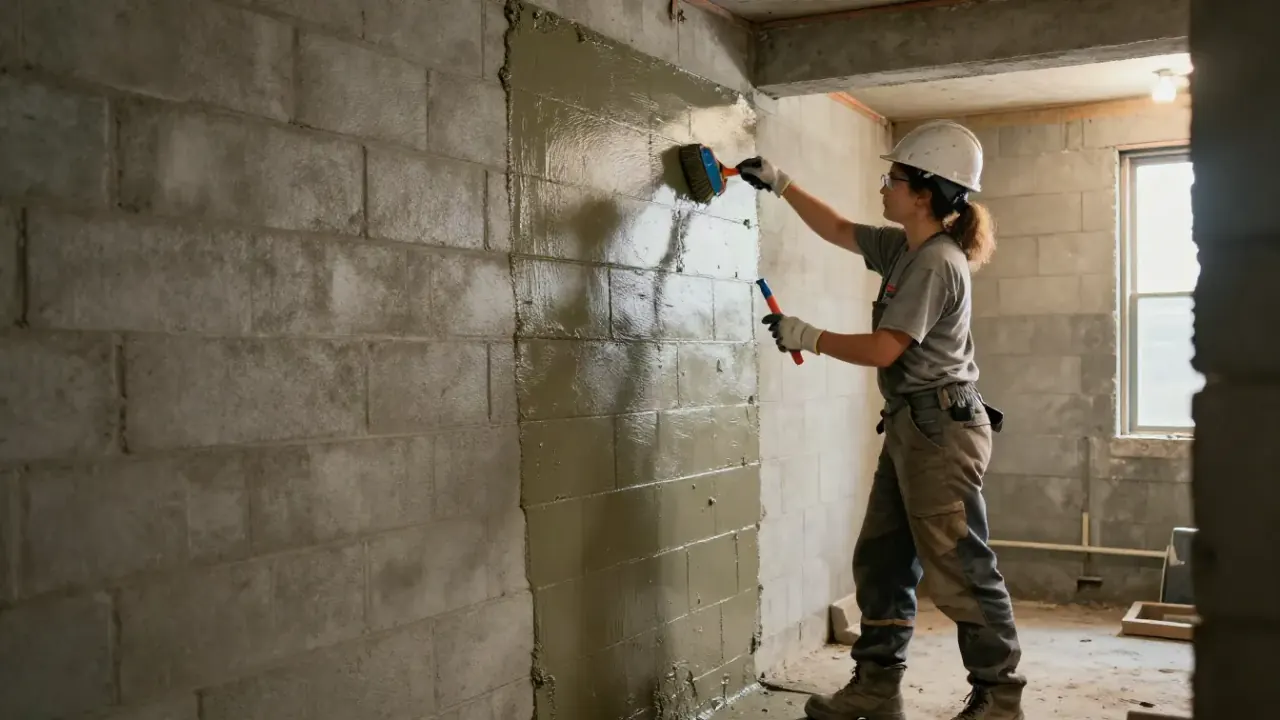
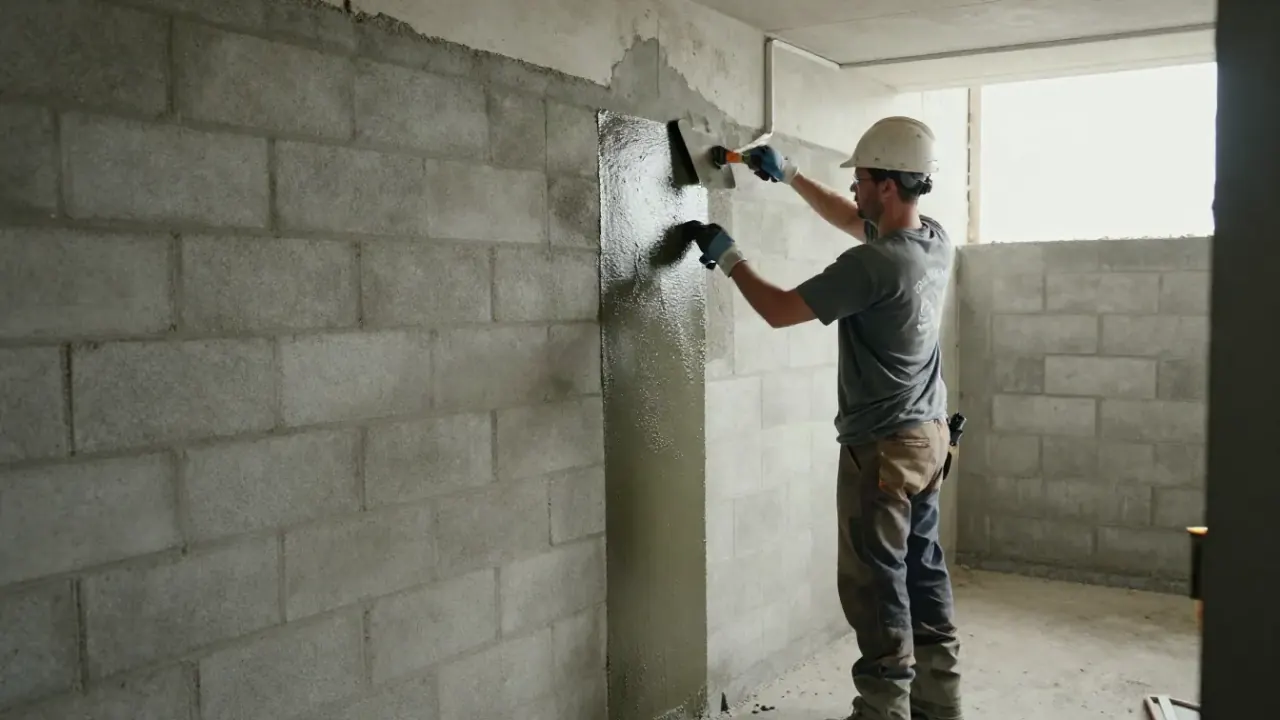
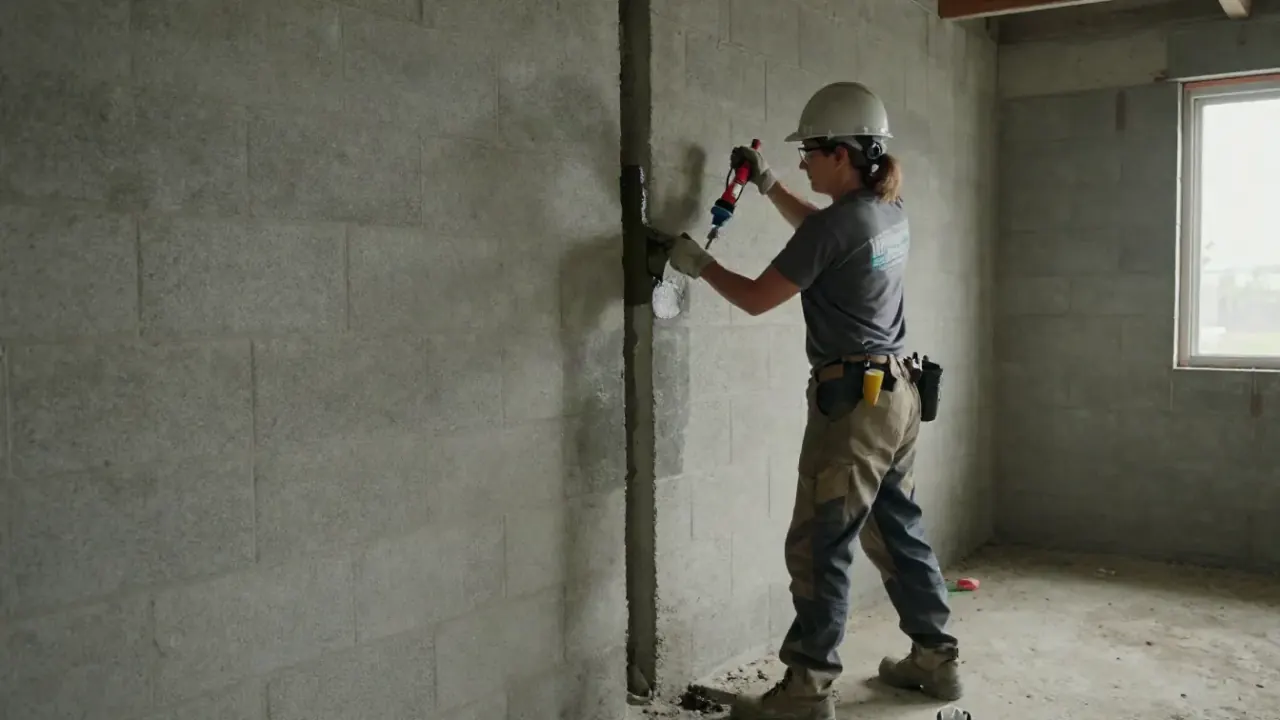
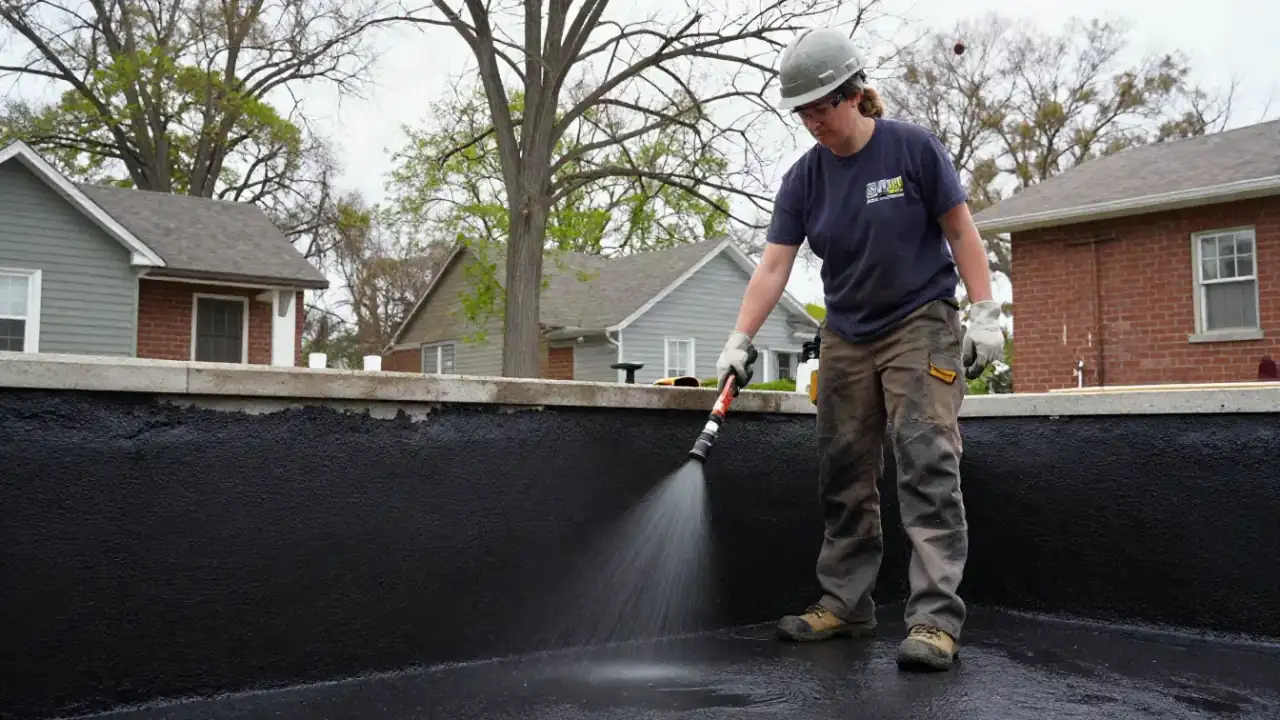
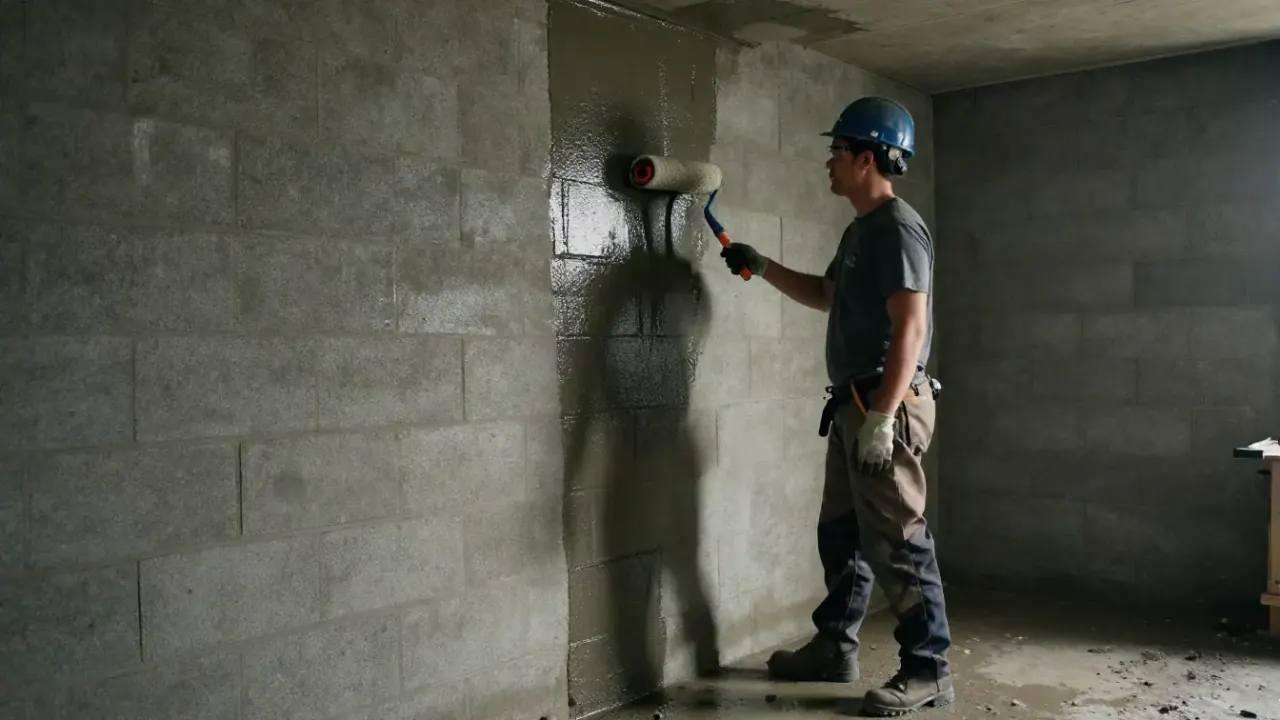
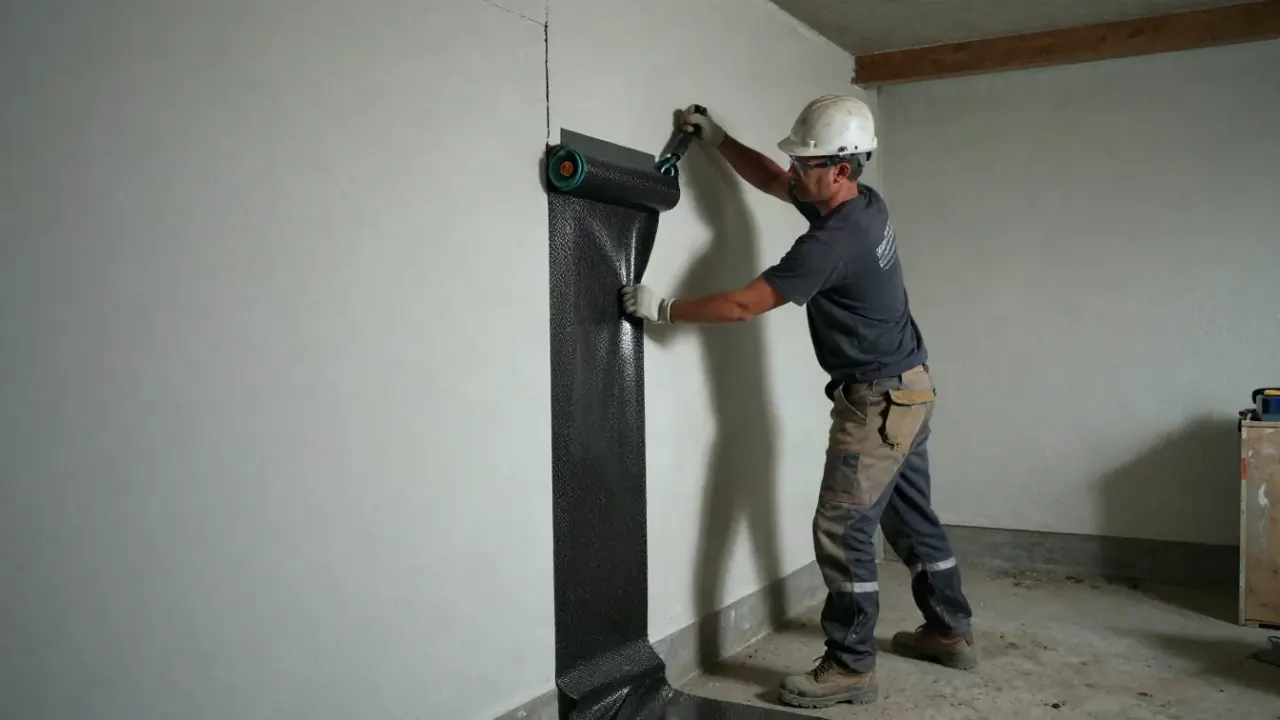
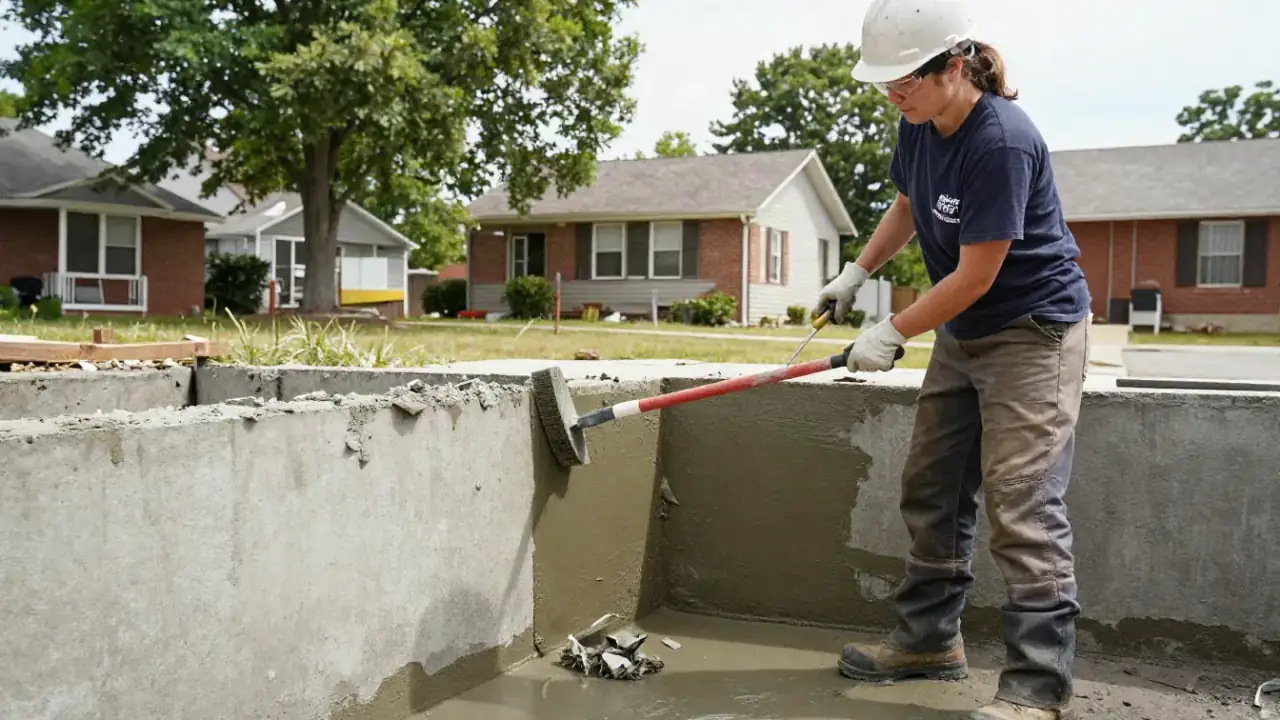
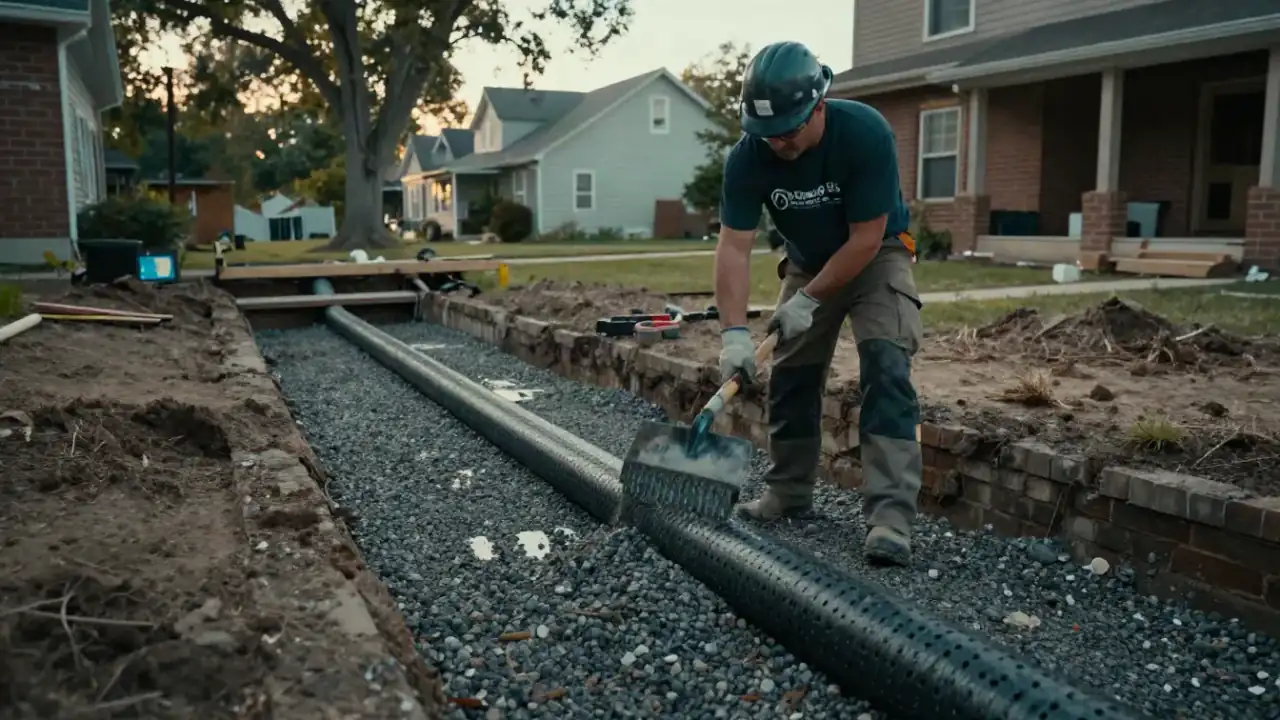
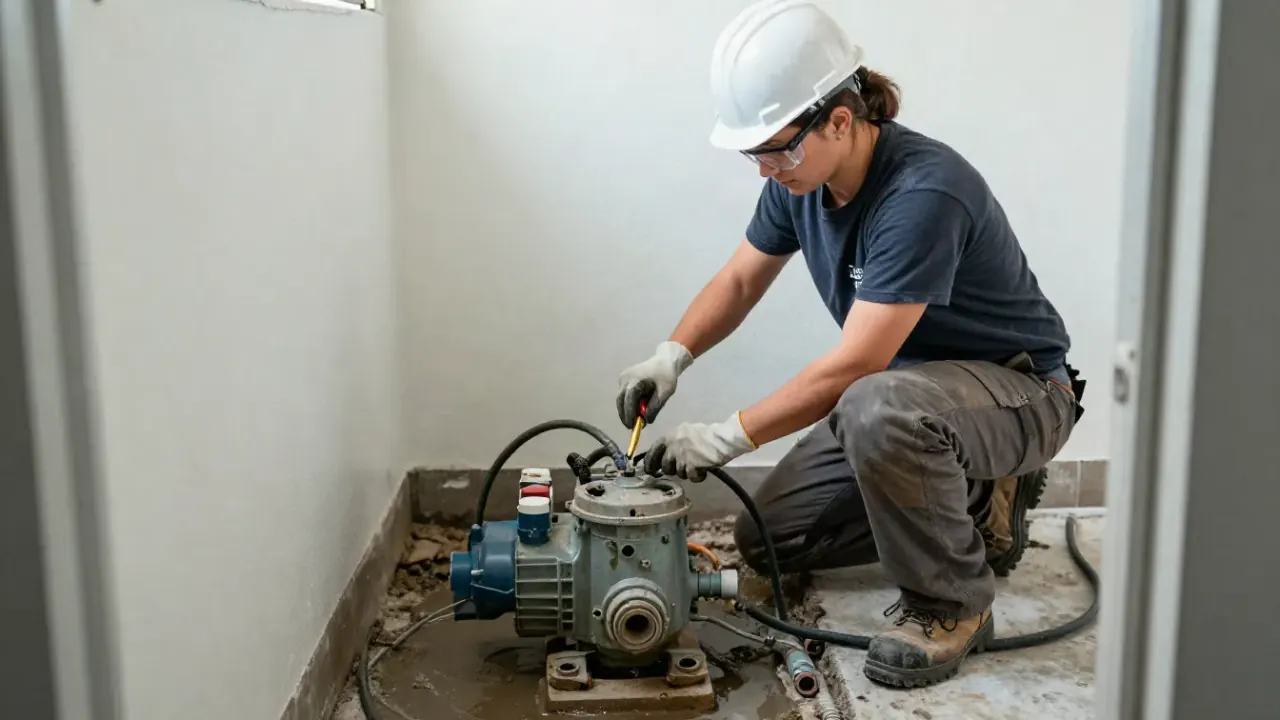
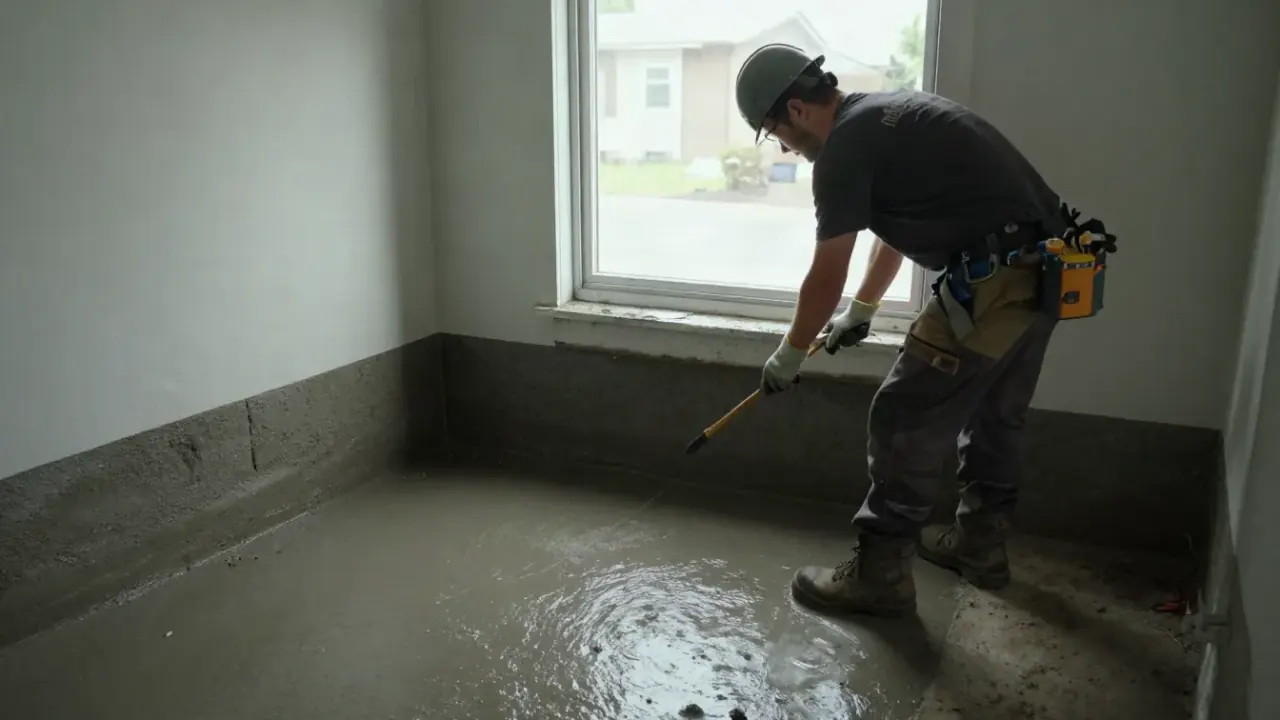
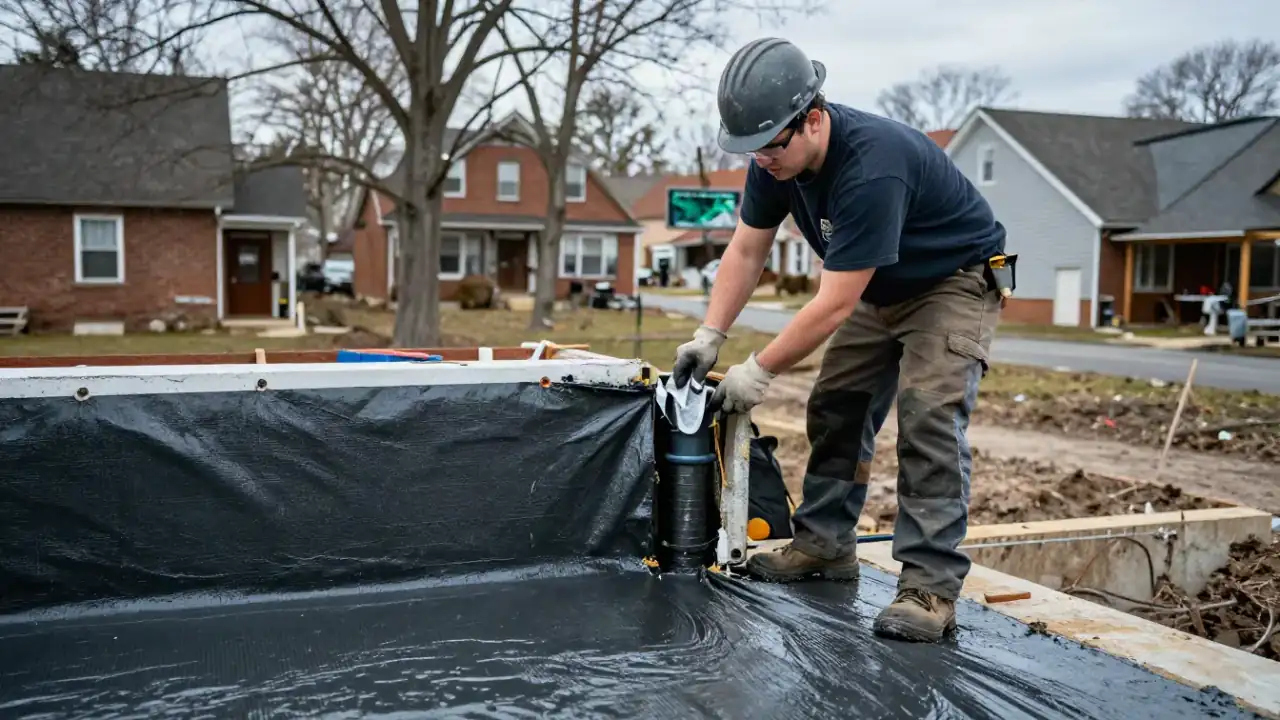
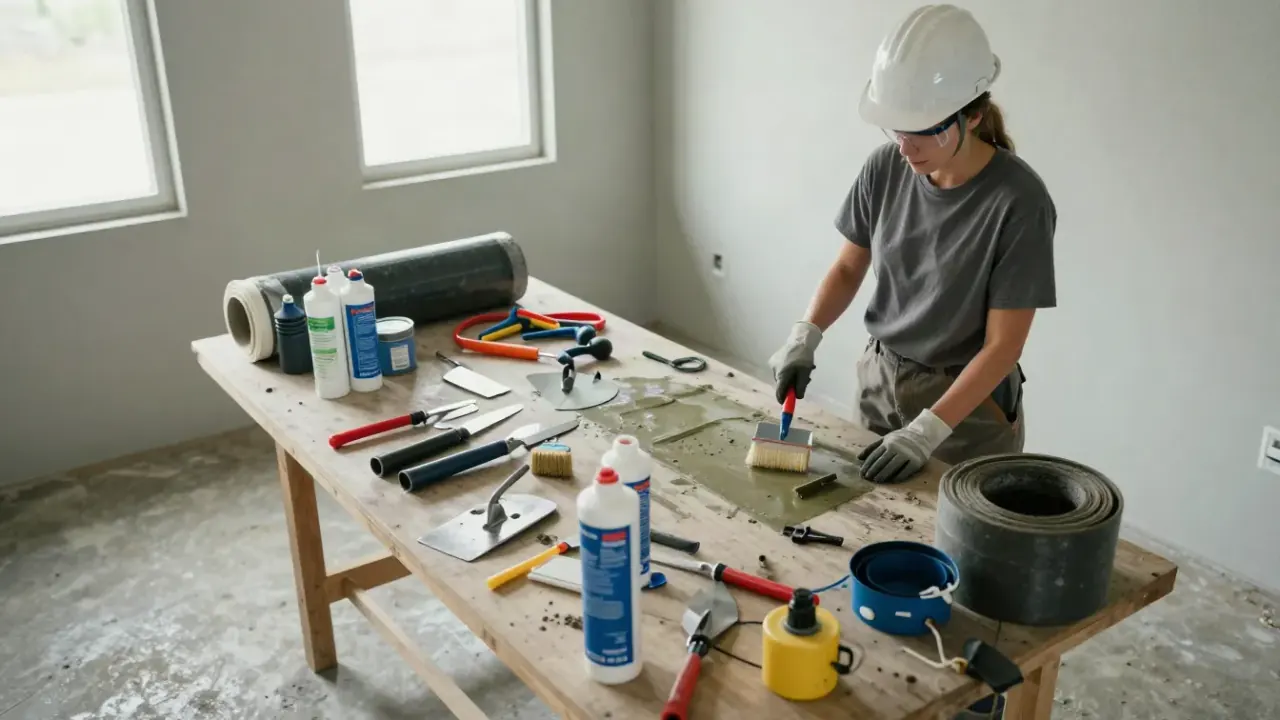
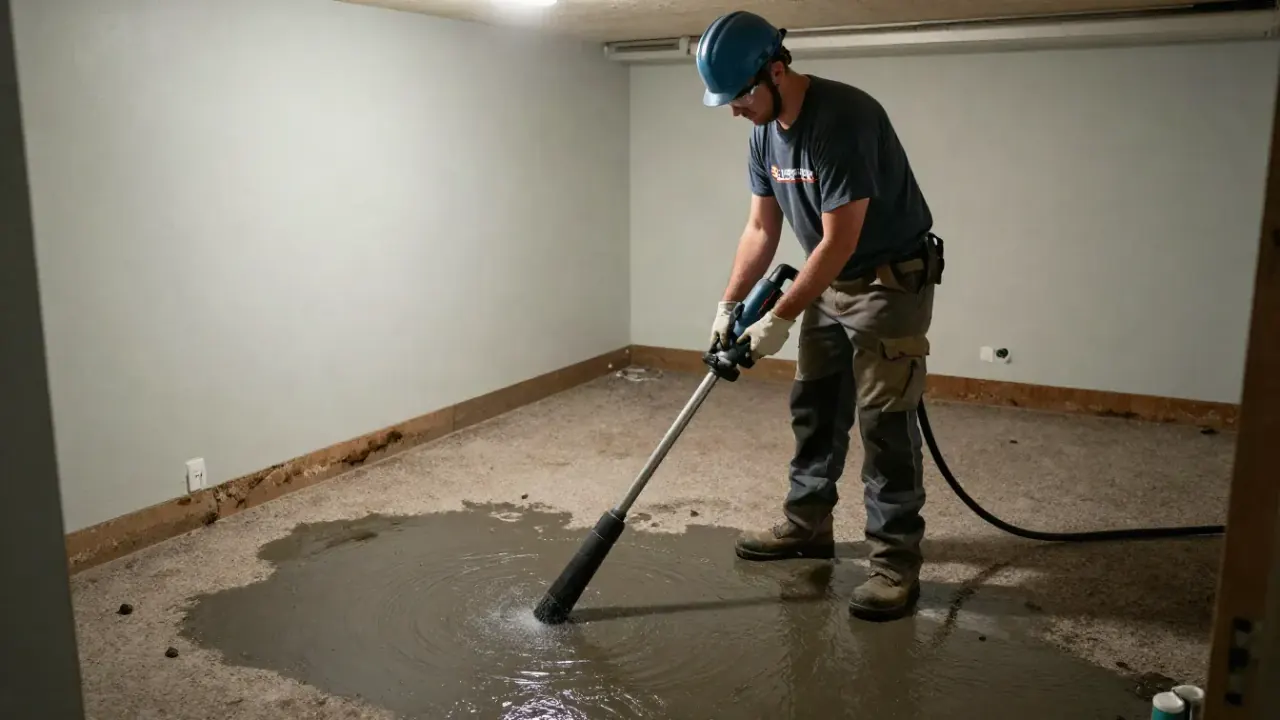
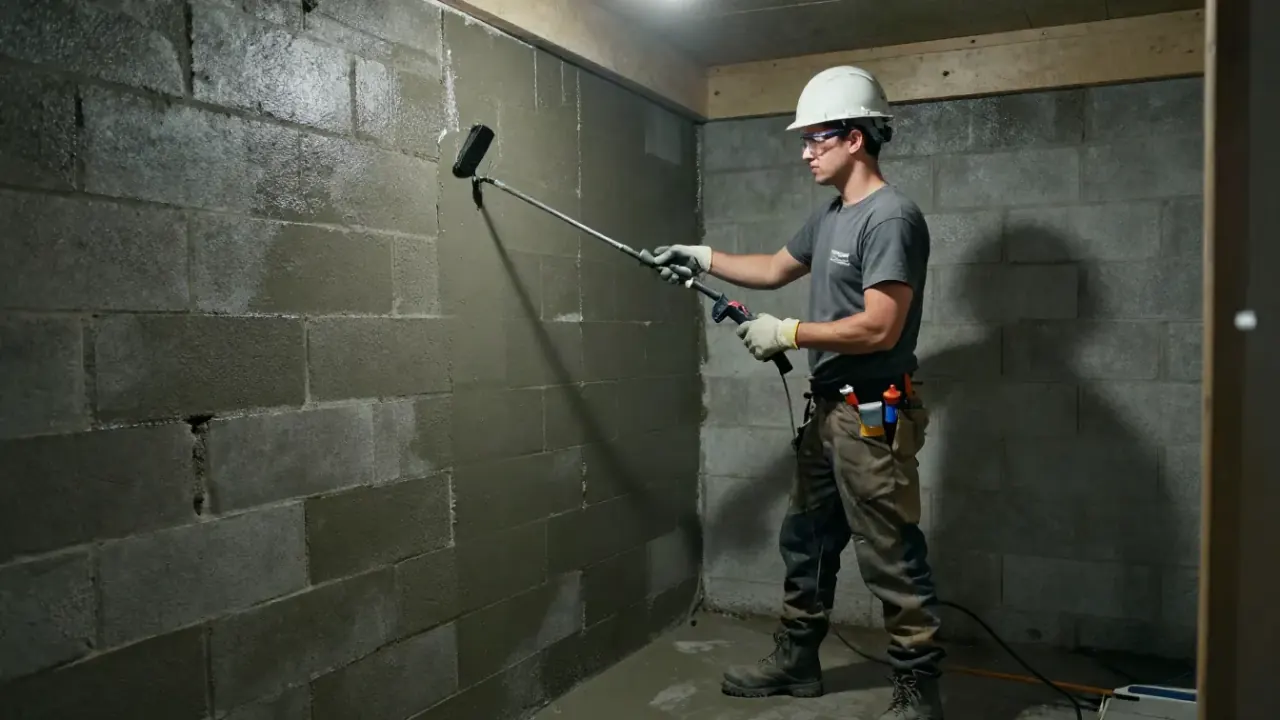
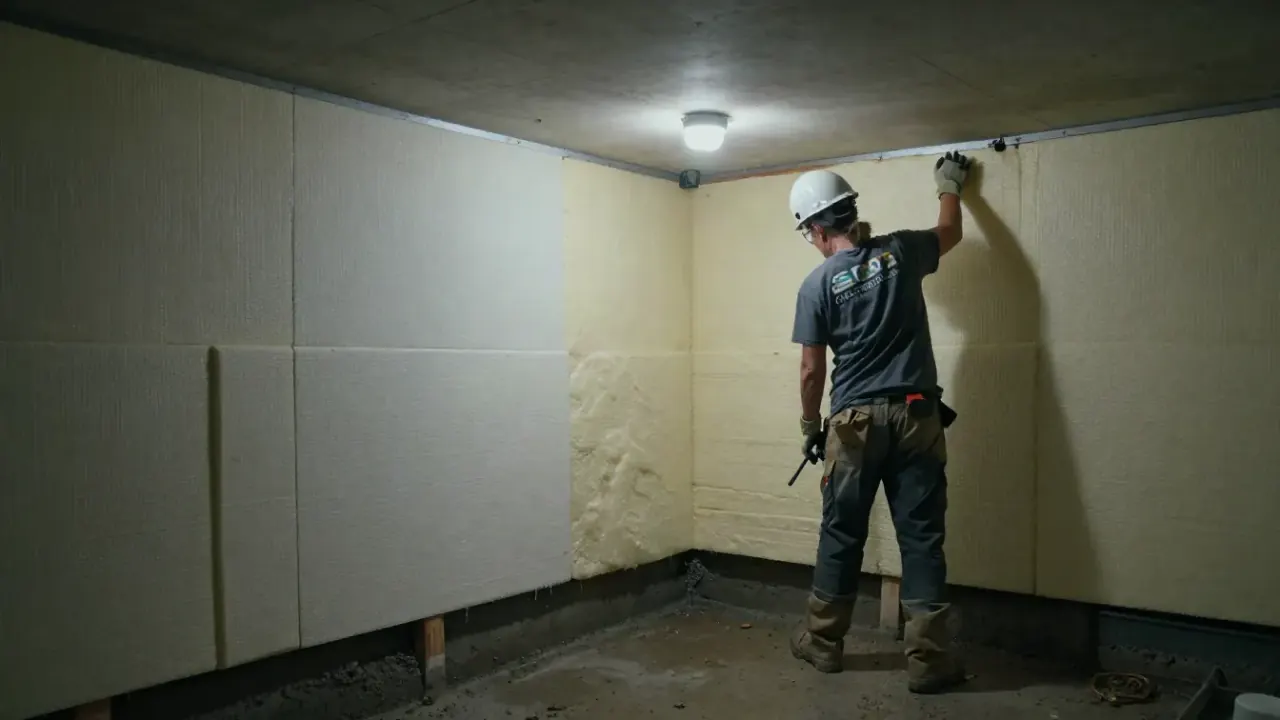
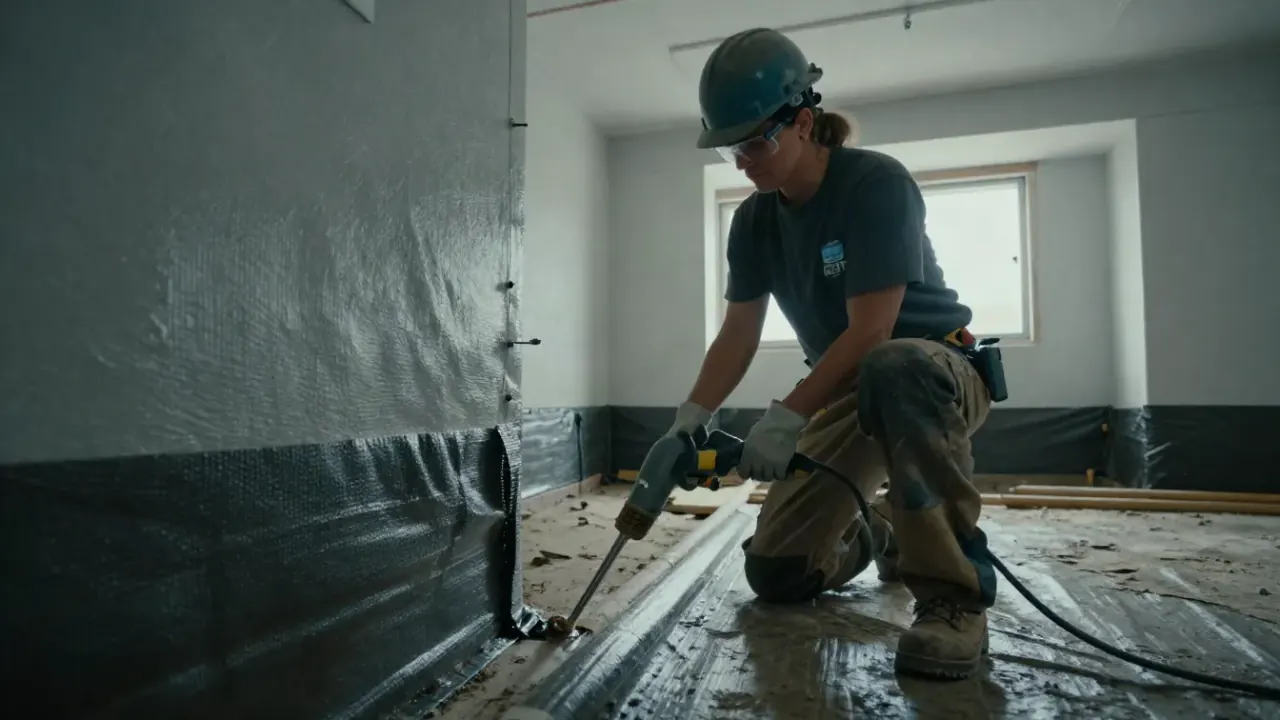
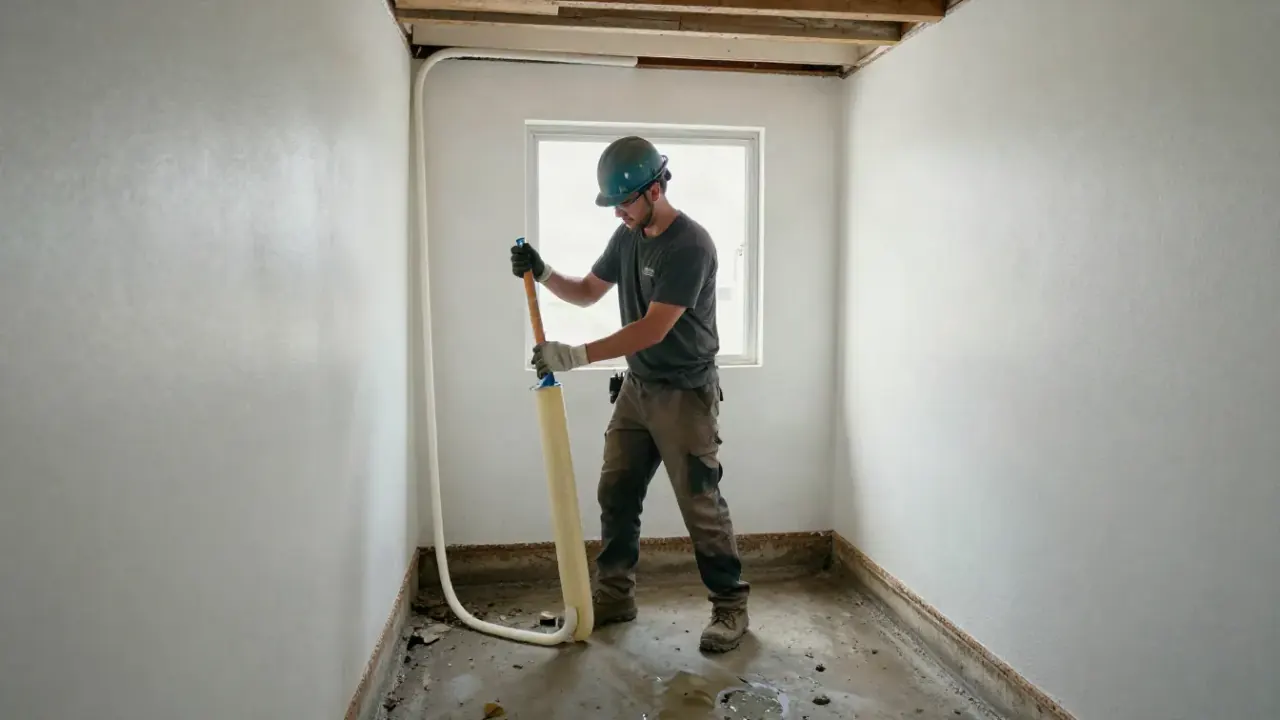
Waterproofing in Niles is foundation and drainage work that directs water away from a home and limits seepage when rain or groundwater reaches the basement. In Niles, we inspect older mill-era housing stock where original clay drain tile may be cracked, clogged, or no longer moving water. Heavy spring rain and freeze-thaw cycles put added strain on walls, joints, and exterior grading. We look for the entry point first, not just the wet patch.
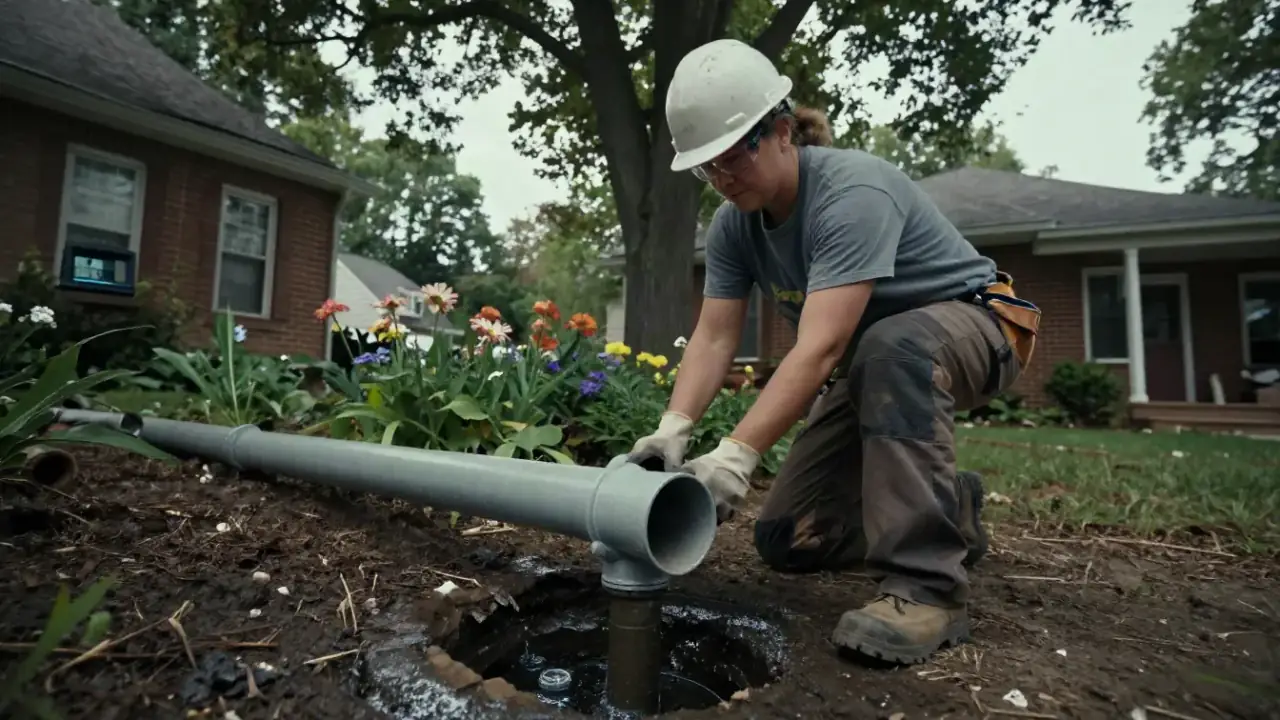
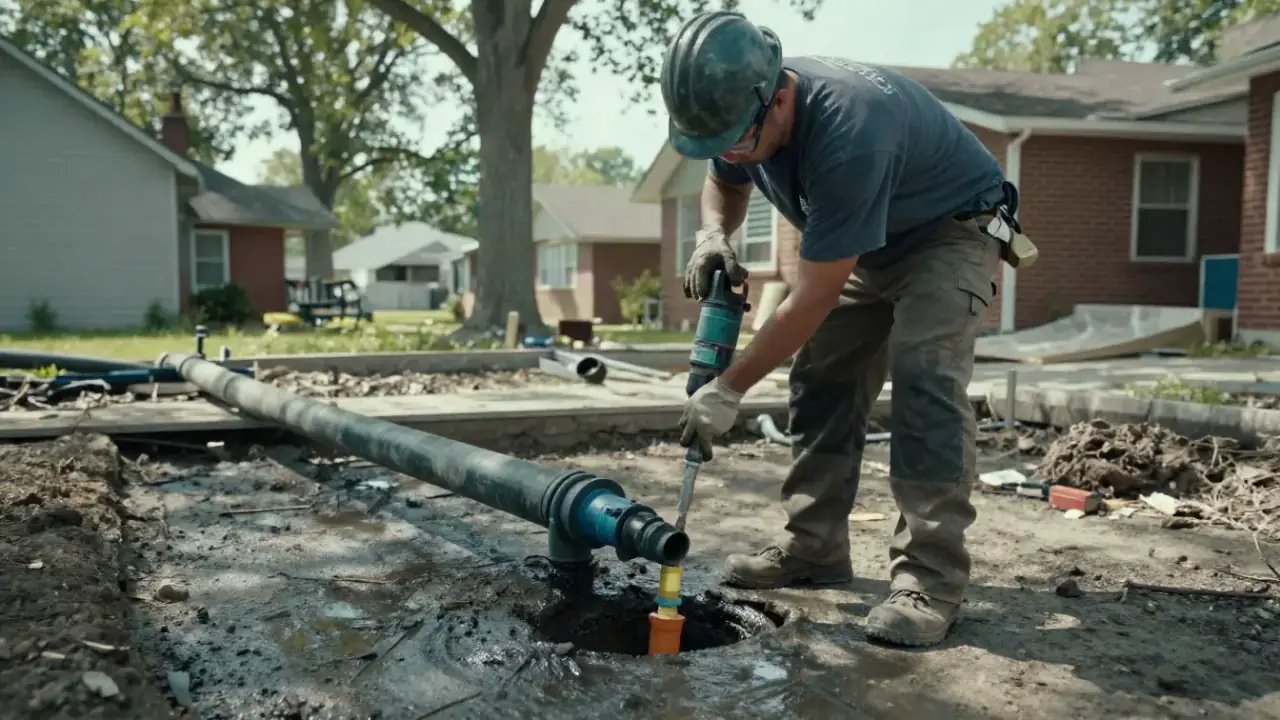
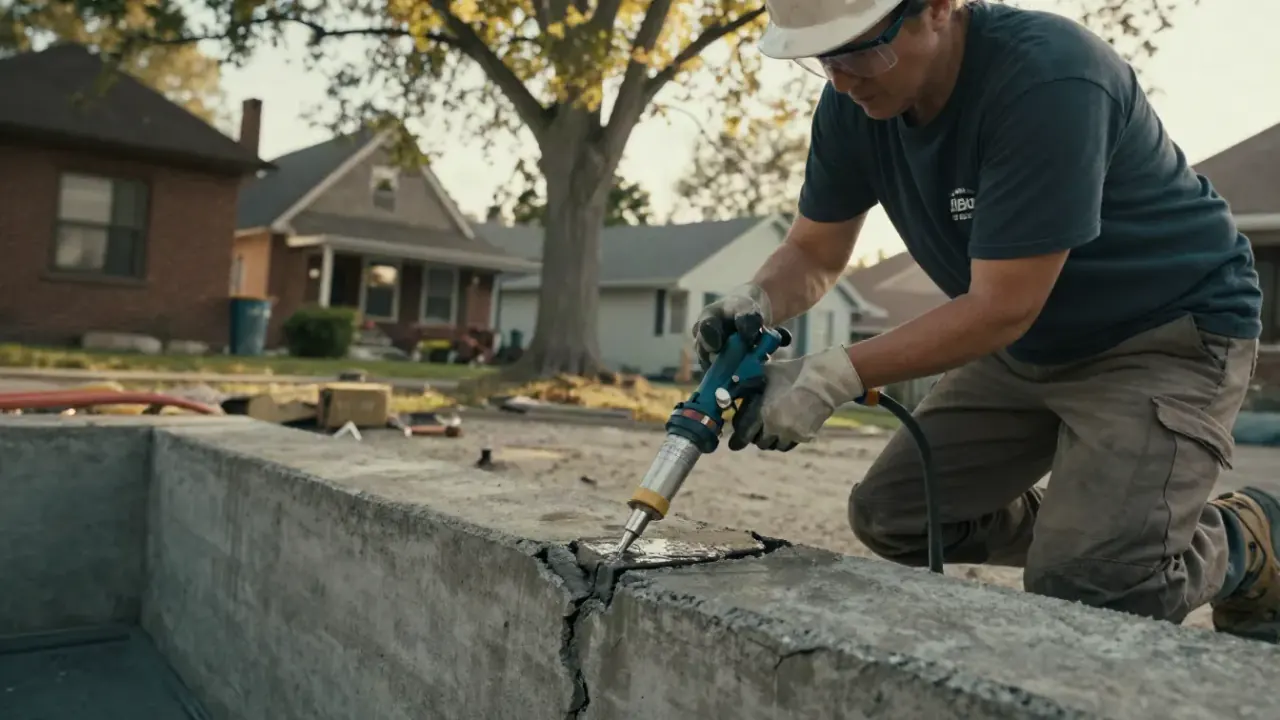
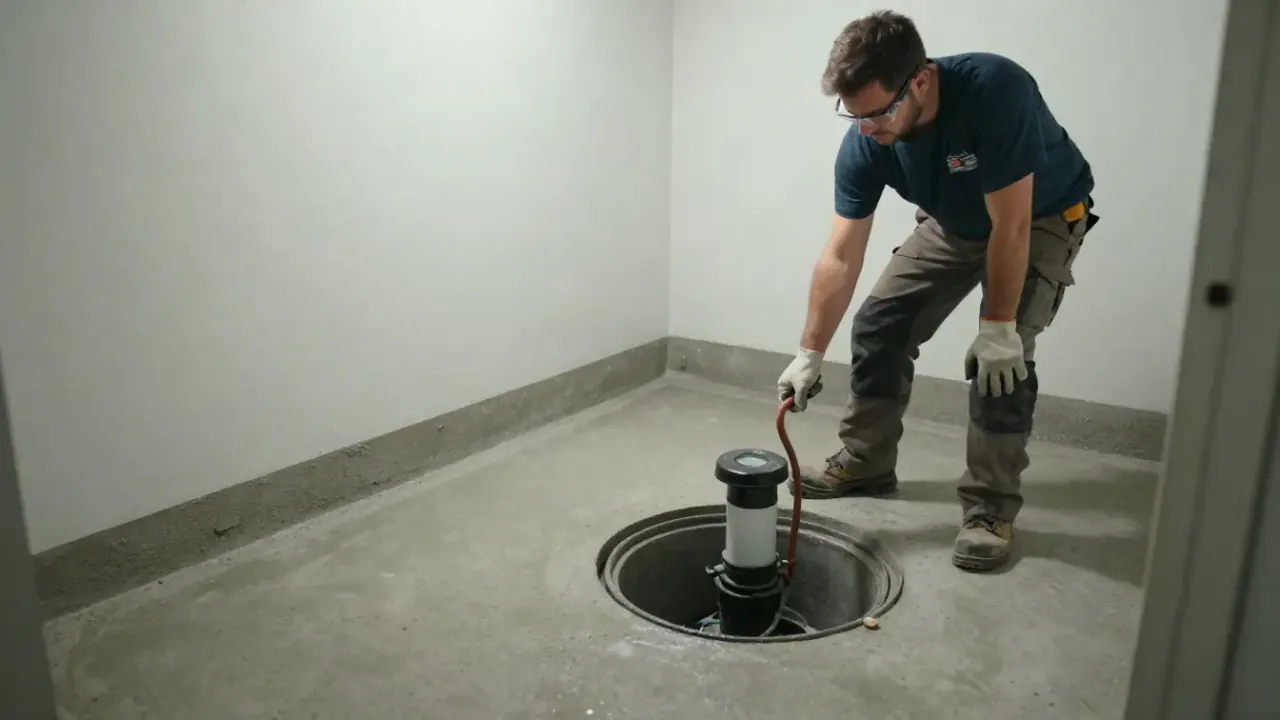
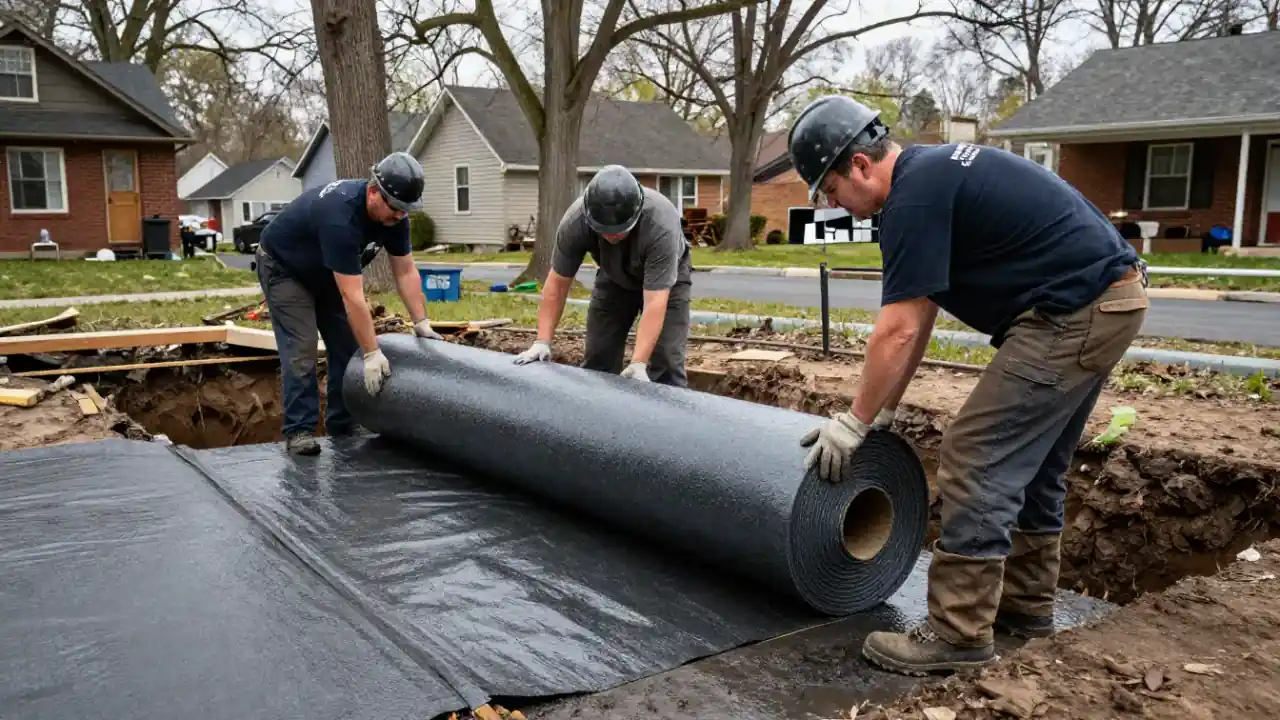
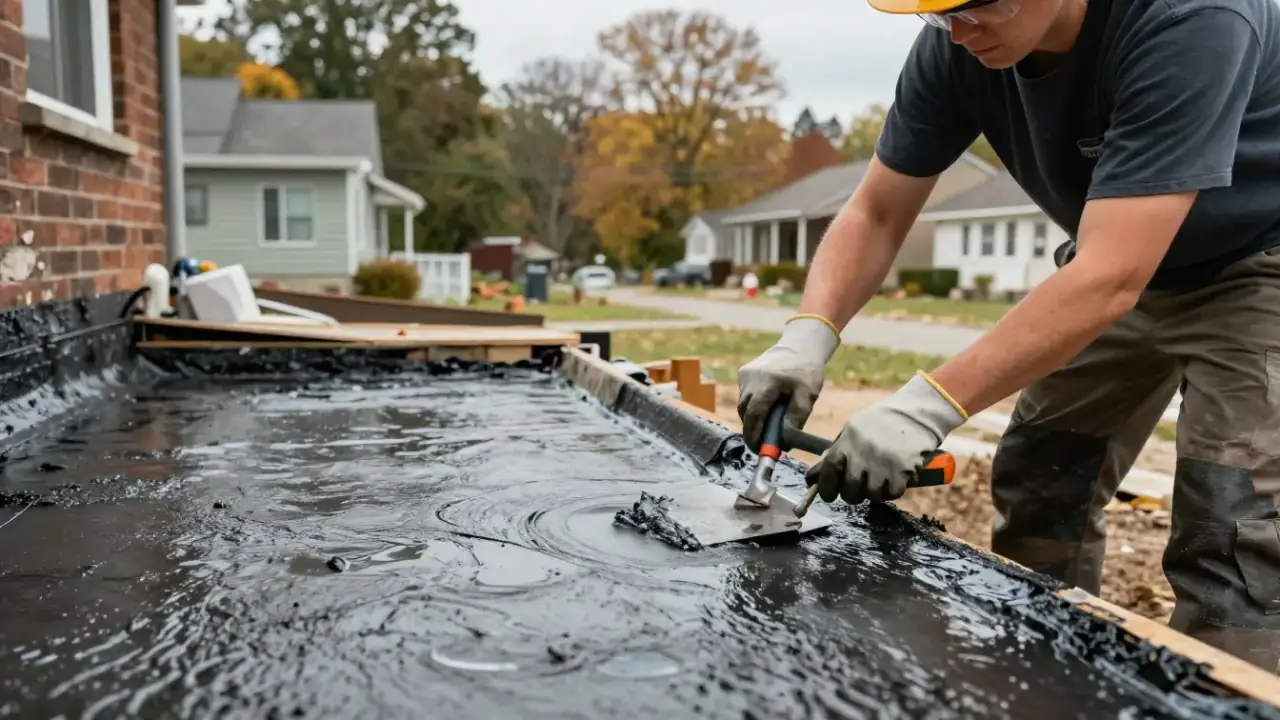
Our crews serve Downtown Niles, North Niles, South Niles, and West Park, including homes around the Robbins Avenue corridor and Niles Heights. We document visible foundation wall cracks, damp block joints, window well leakage, and sump pump operation so you can see what is driving the problem. Basement waterproofing in Niles often means combining a repair with a reliable route for collected water to leave the property.
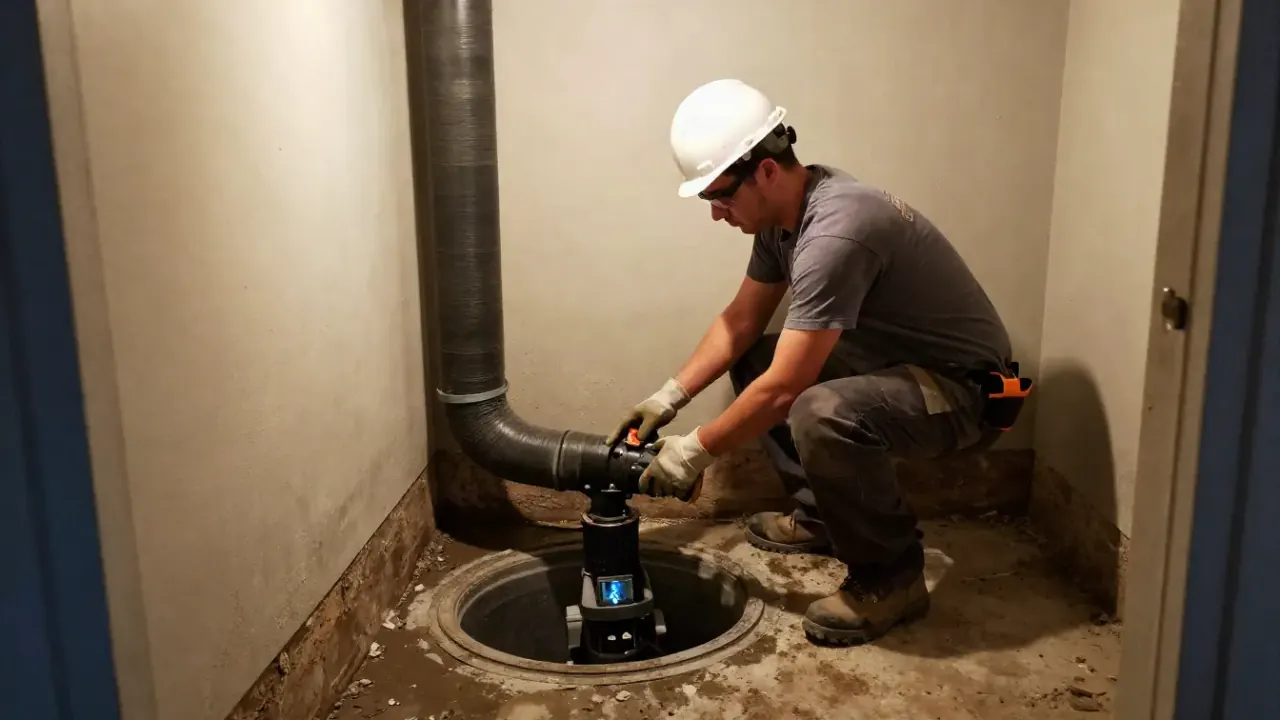
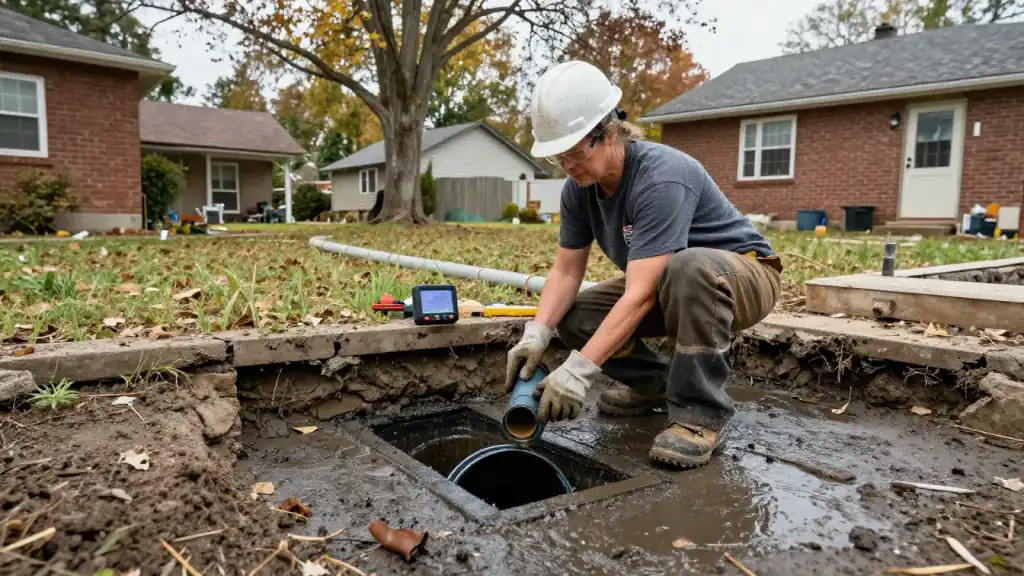
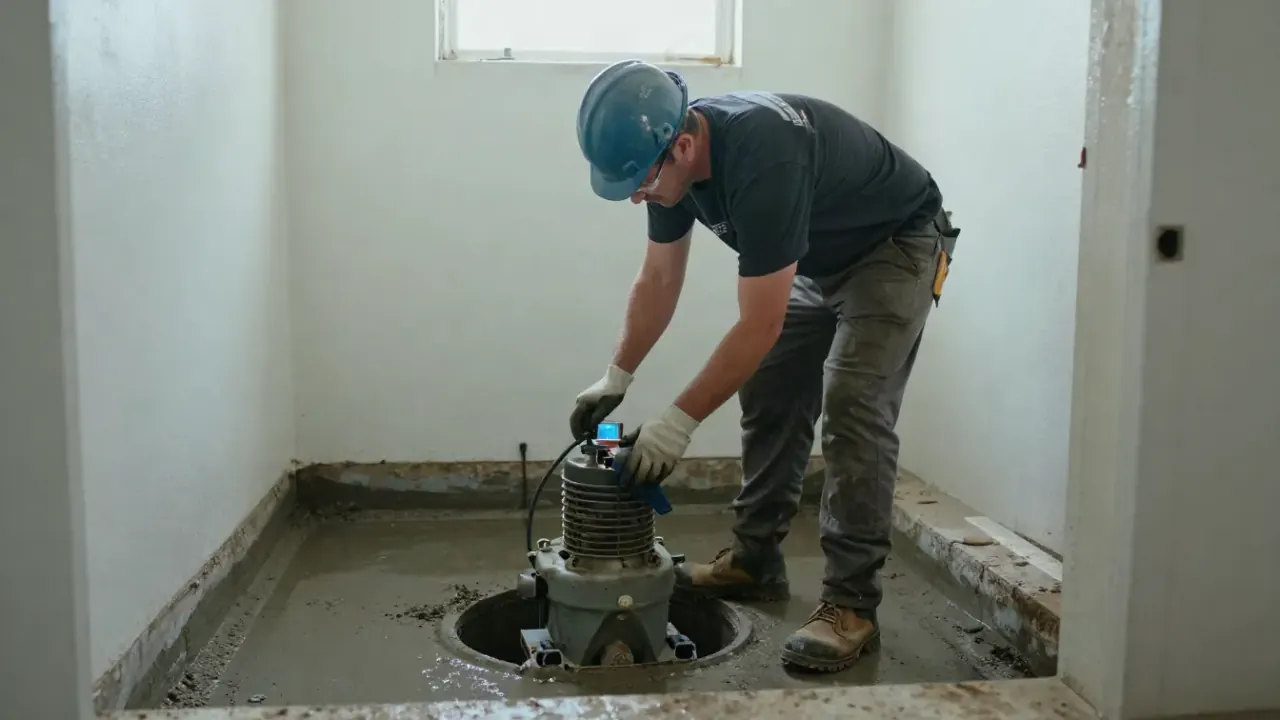
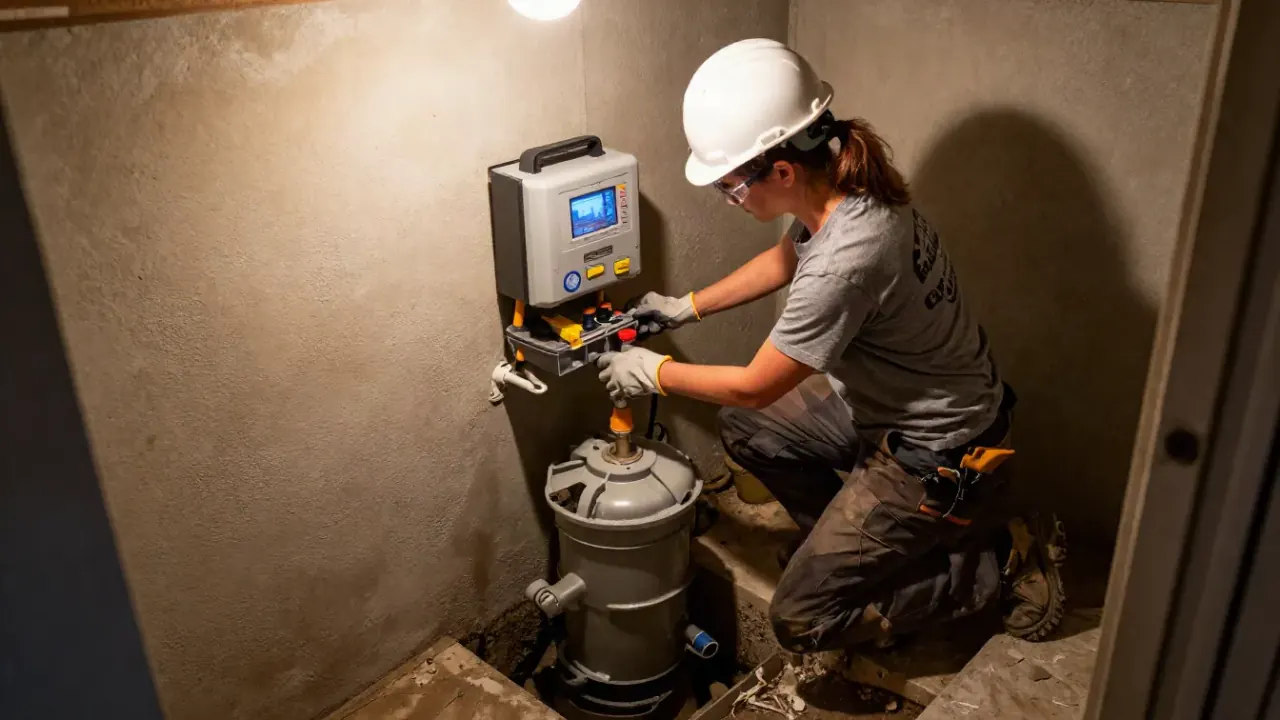
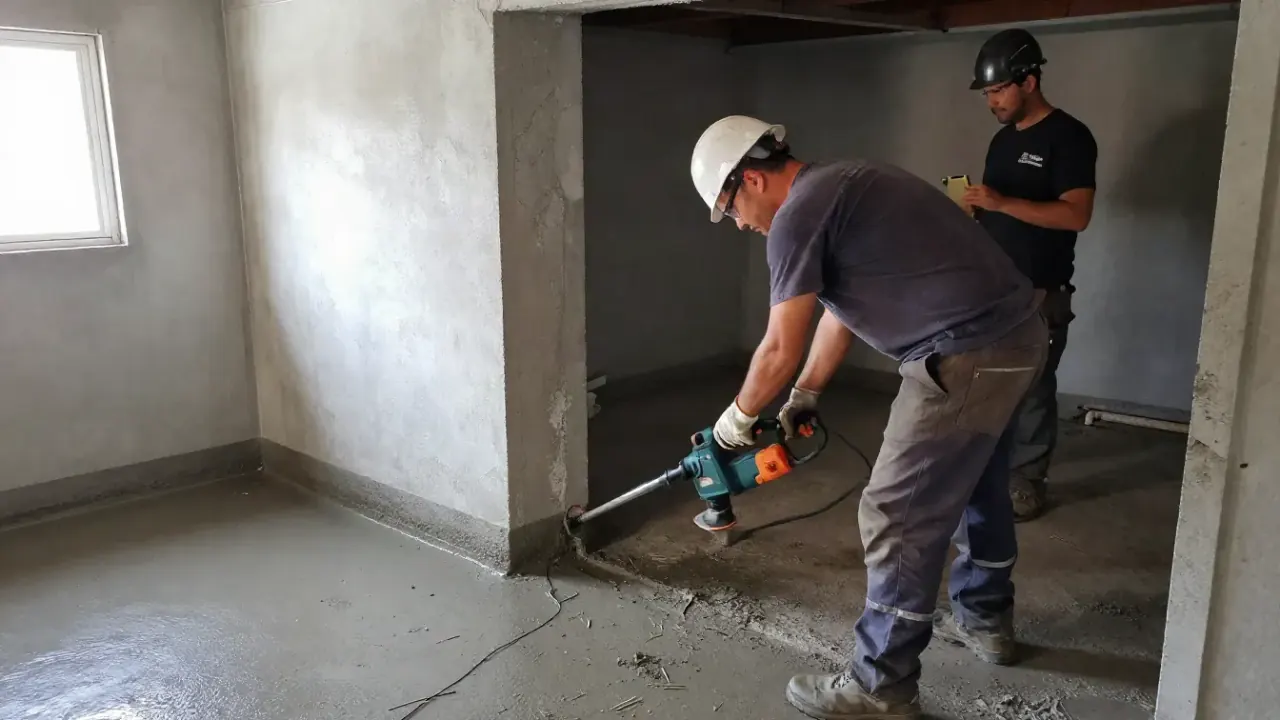
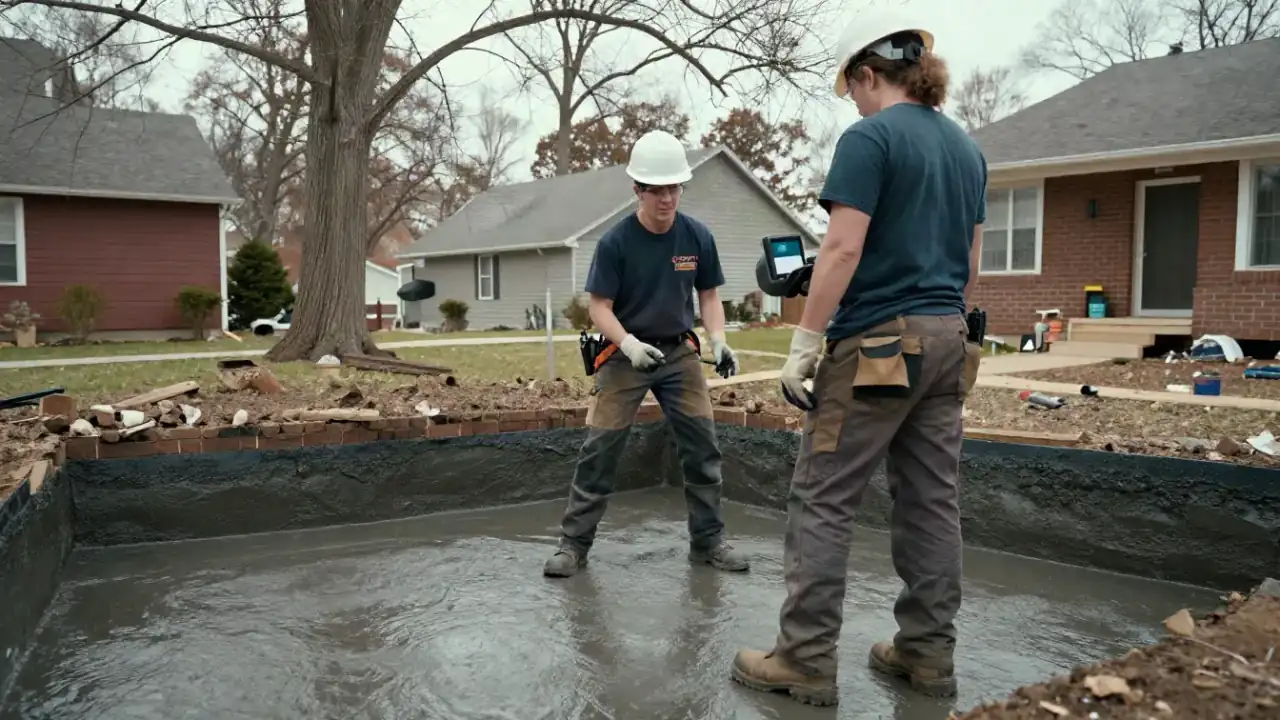
We plan the repair around the building, access, and local requirements. A moisture meter helps distinguish a damp surface from active seepage; a sump pump test checks whether water is actually clearing. We also account for Trumbull County permit requirements for basement drainage work. Our goal is a clear diagnosis and a repair that suits the conditions under your home.
Niles sits within our Warren-area service region, so our crews can reach homes across ZIP code 44446 without treating each call as a distant one-off. We regularly plan work around the conditions homeowners here describe: water after a heavy rain, musty basement air after a thaw, or a pump that cannot keep up when the ground is saturated. The Mahoning River corridor has a high seasonal water table, which makes careful drainage diagnosis important.
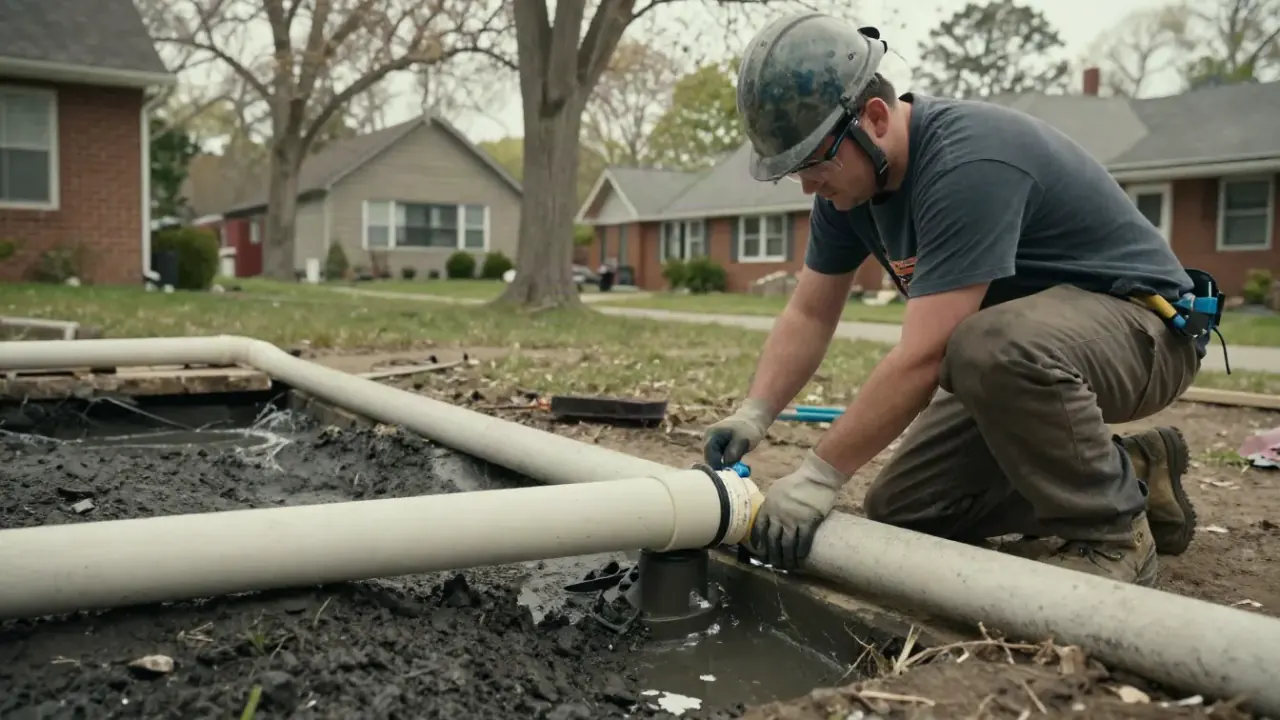
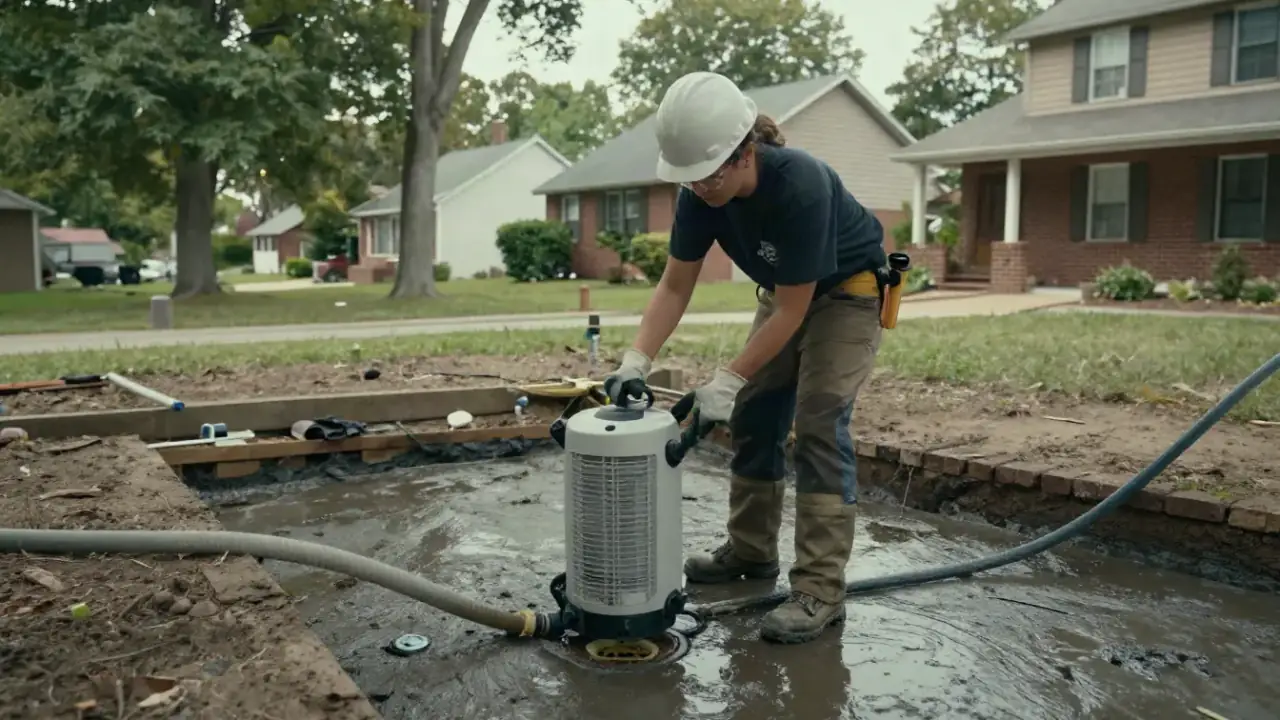
We also serve customers whose homes have older foundations and original clay drain tile. Those systems need a different inspection than a newer foundation with a known drainage layout. We ask when the water appears, check downspout discharge and grading, and trace the path to the basement before proposing work. That saves you from paying to treat a symptom while the actual route for water remains open.