Foundation crack repair Warren OH for dry basements
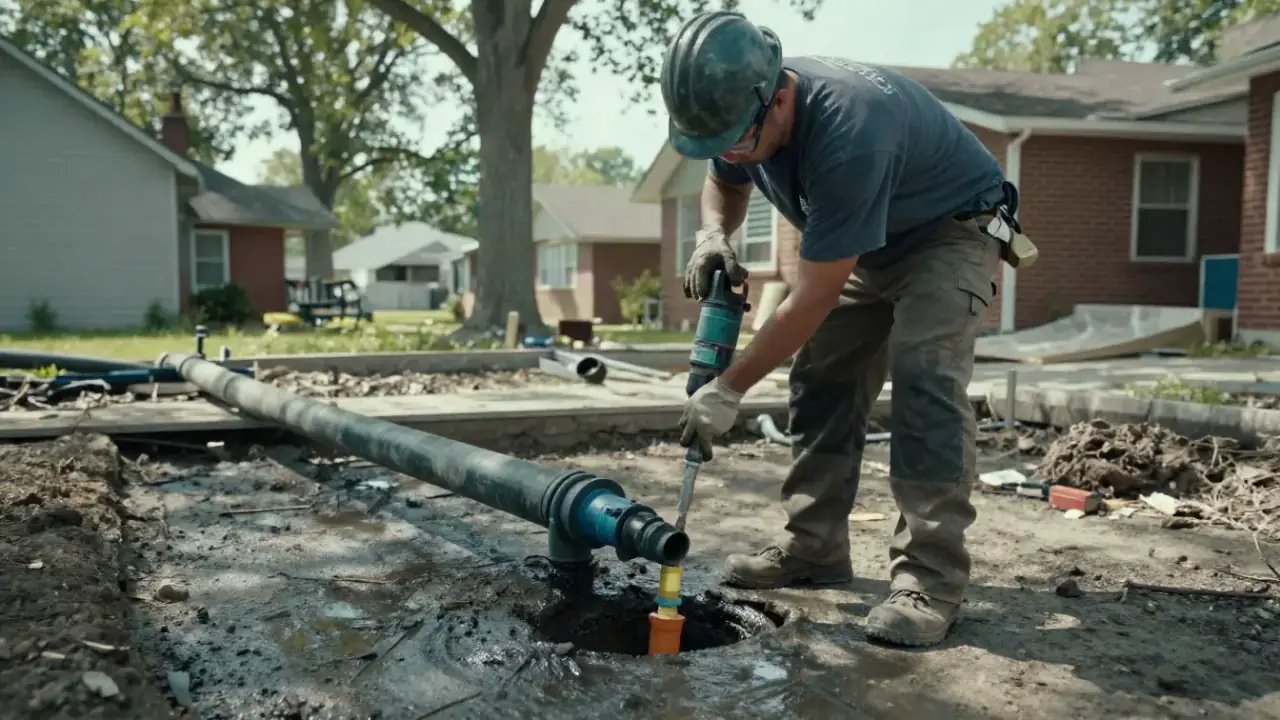
foundation crack repair Warren OH helps homeowners address leaking or widening foundation wall cracks before water damages stored belongings, finishes, or flooring. We inspect the crack, identify whether water pressure or movement is driving it, then match the repair to the wall and leak pattern. If you are seeing dampness after rain, a white mineral residue, or a drip near a floor joint, our team provides foundation crack sealing Warren with a practical plan for your home.
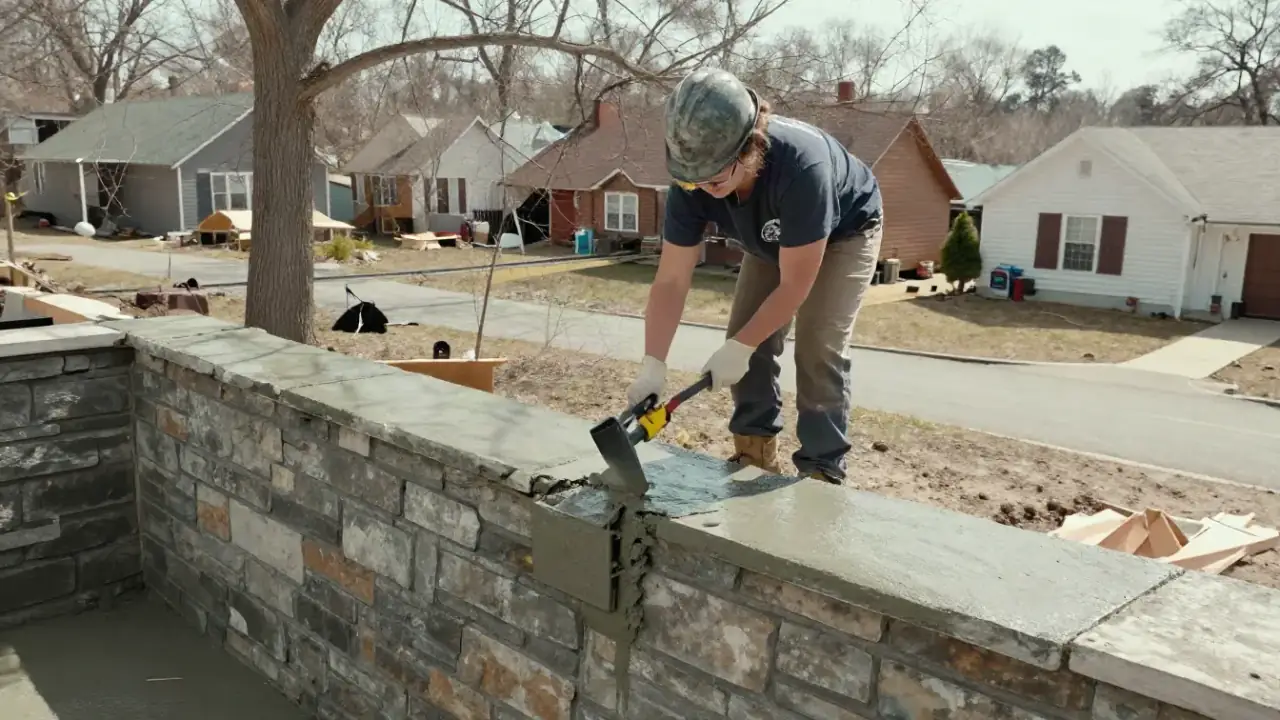
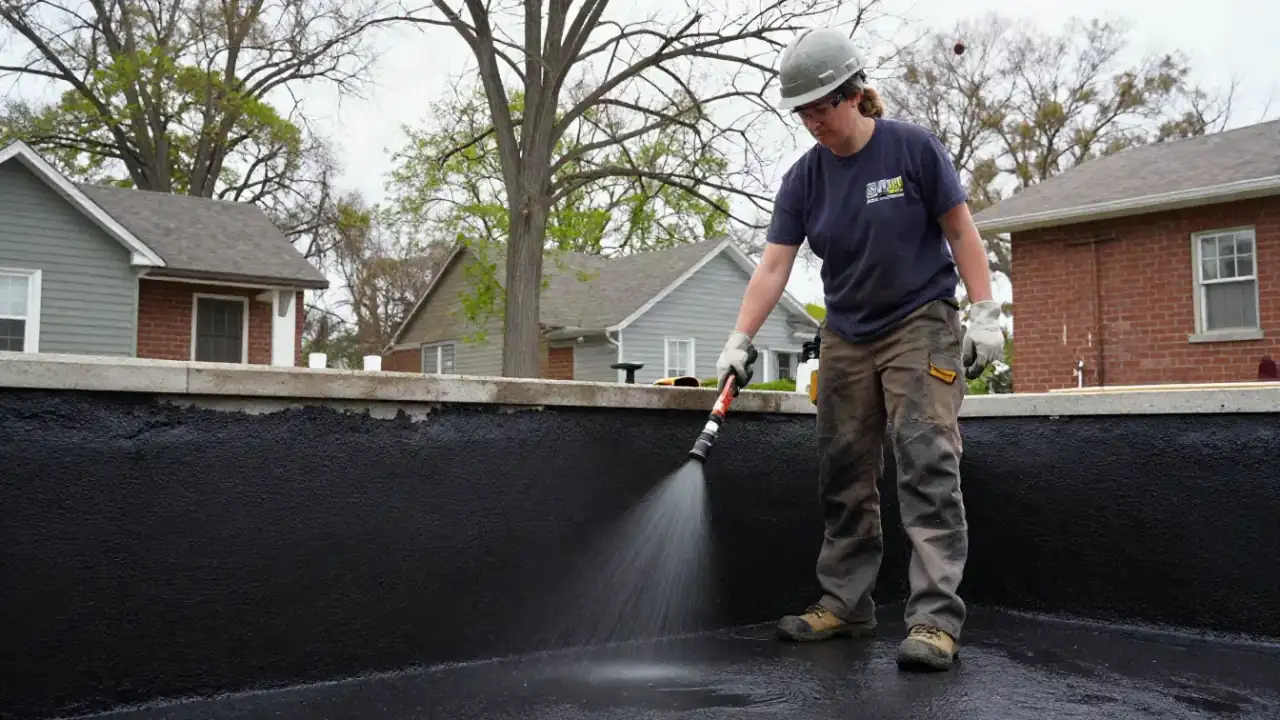
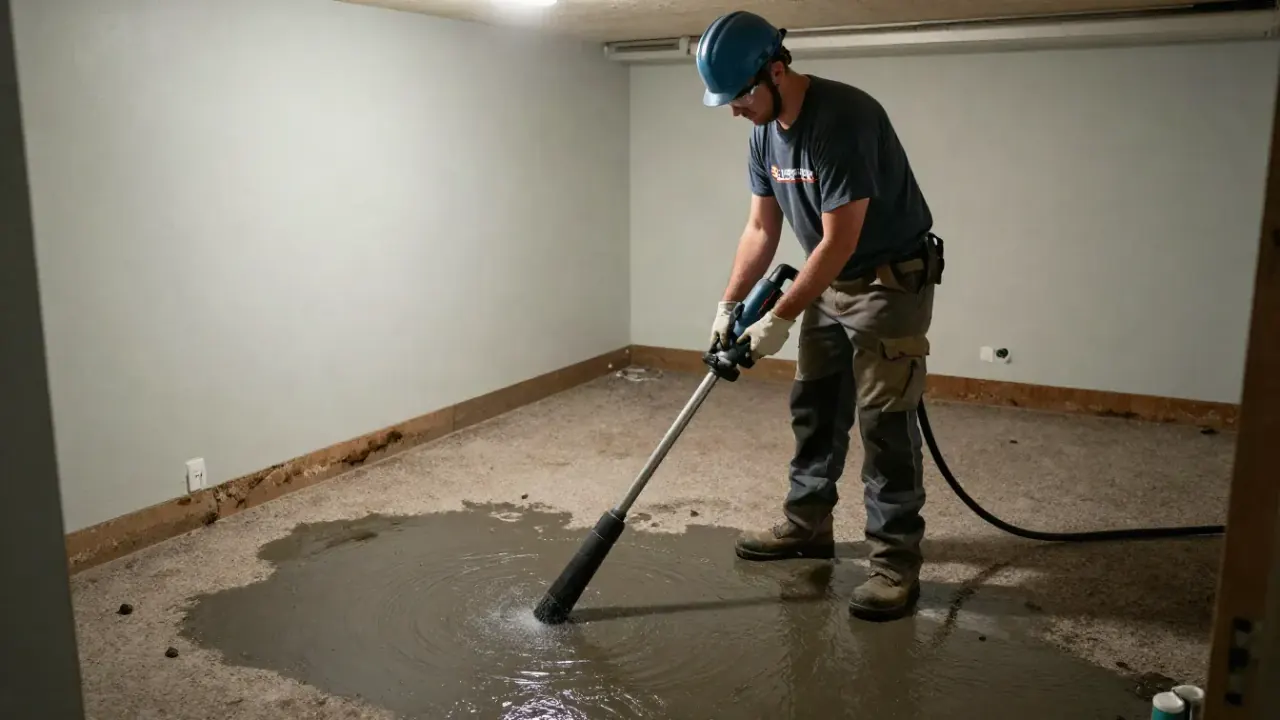
Protects nearby surfacesCovers the work area before preparation
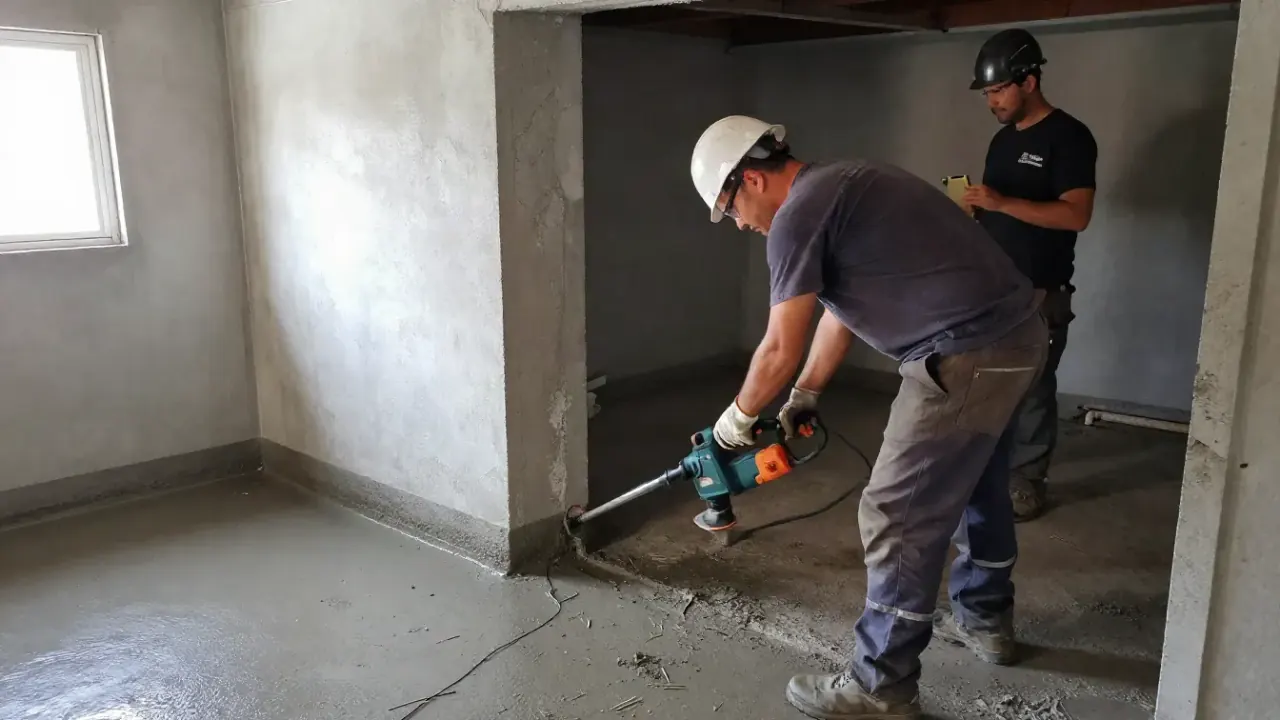
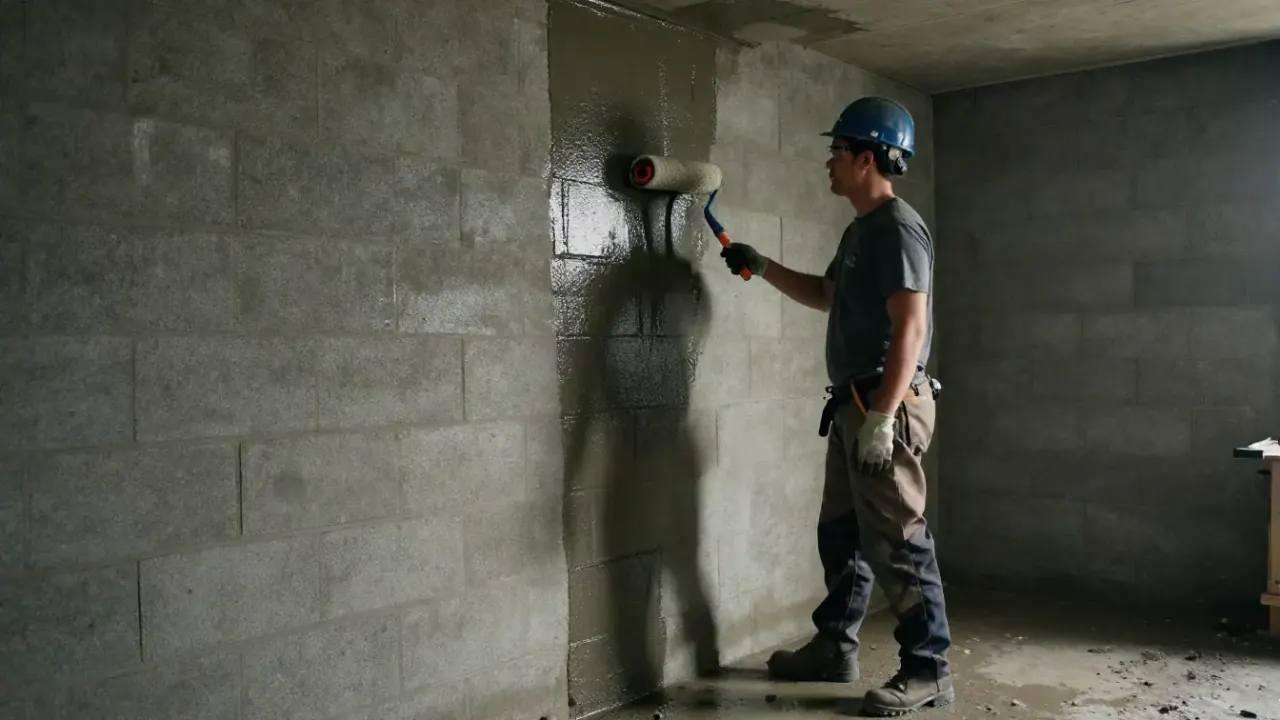
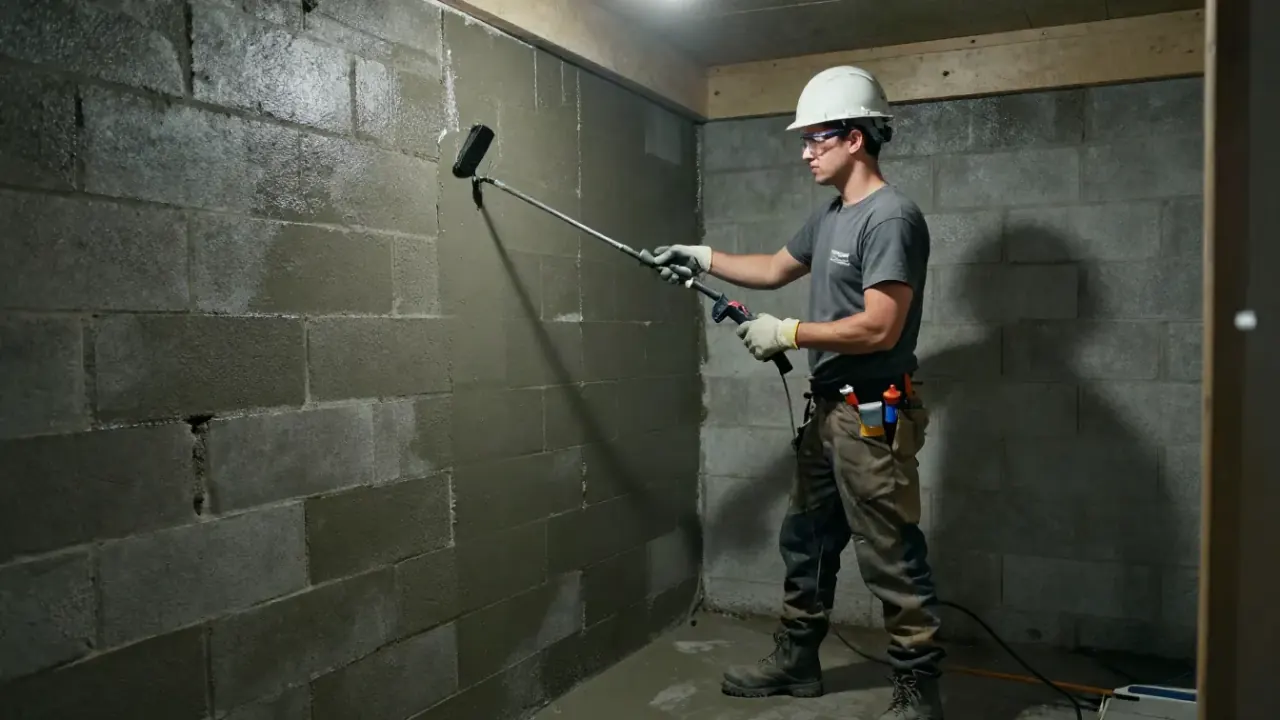
Measures the crackRecords width and visible movement
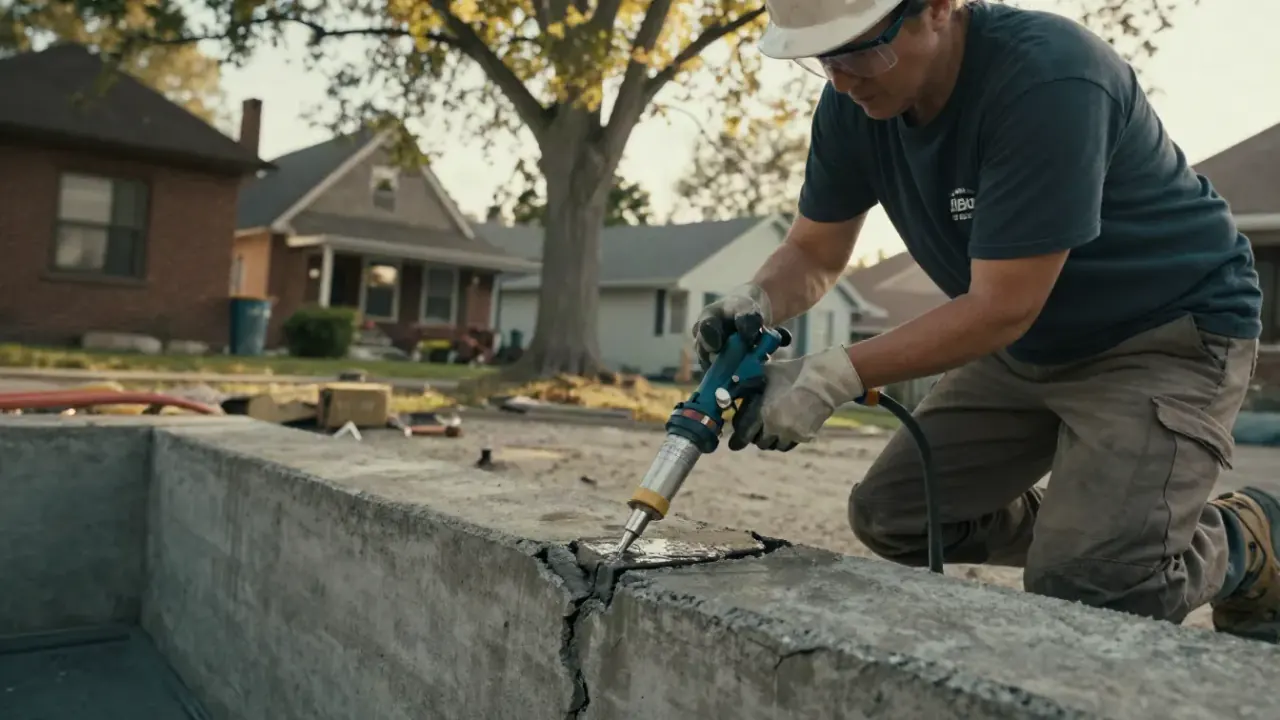
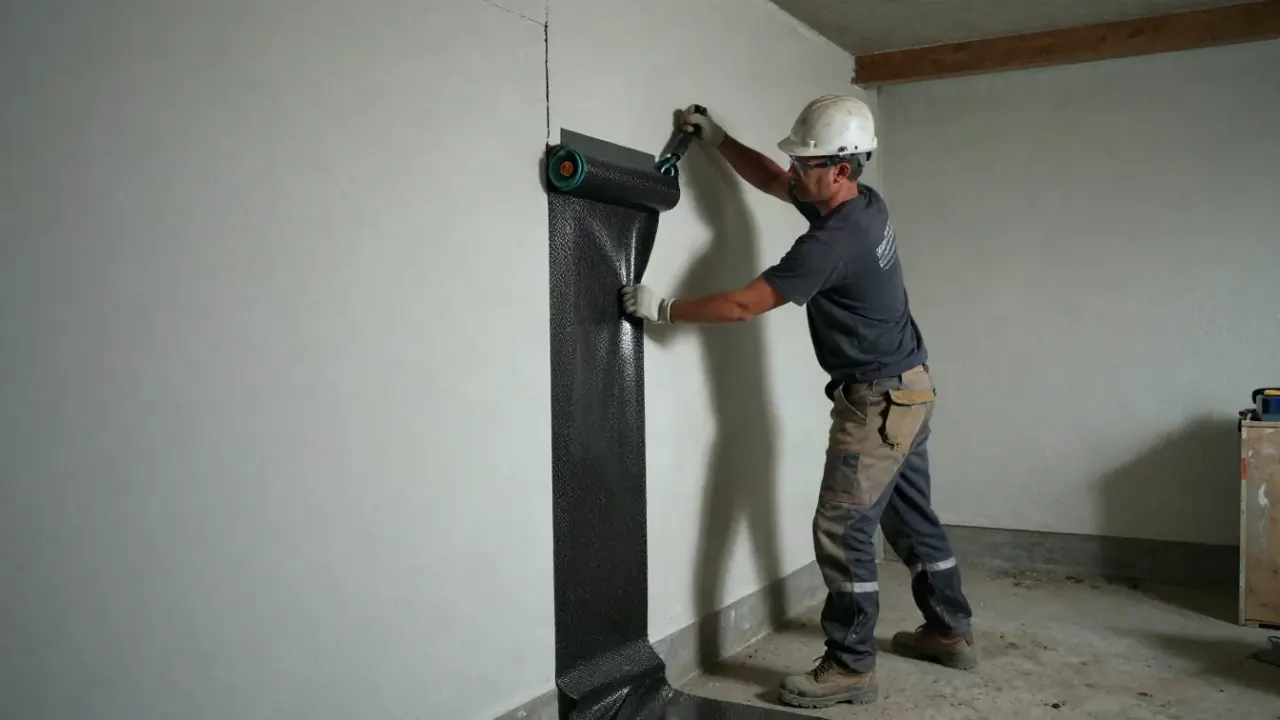
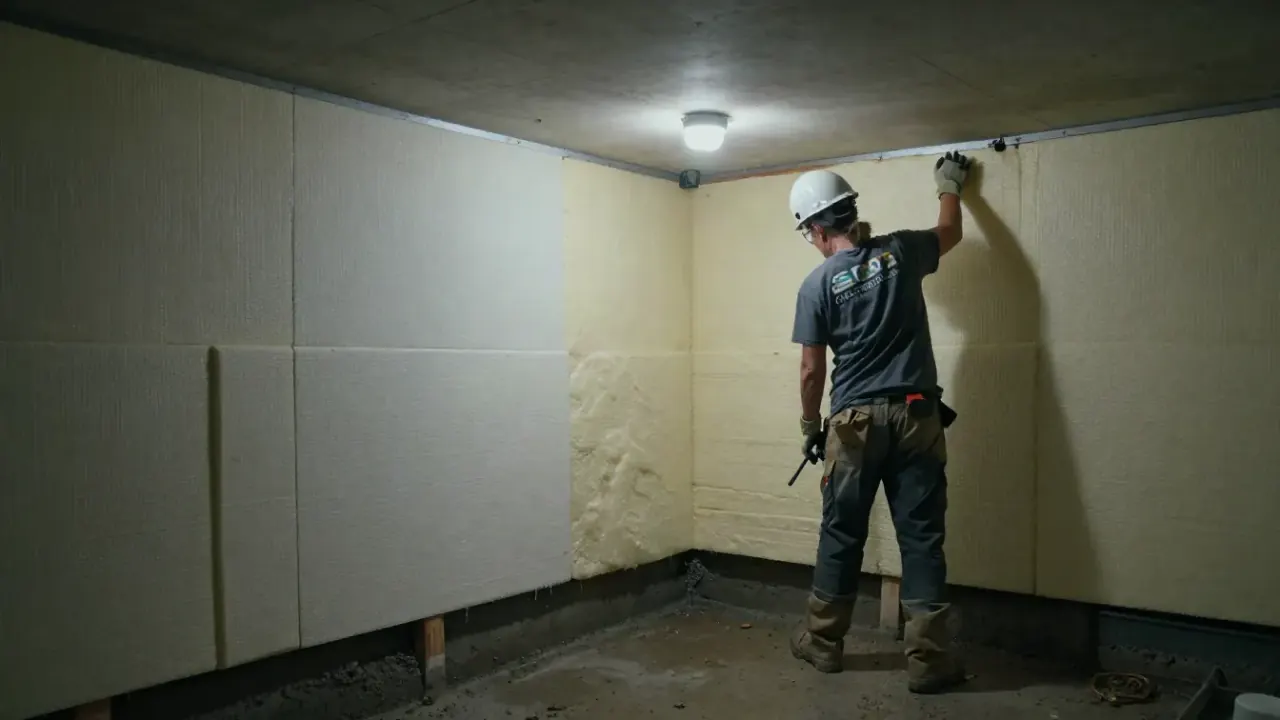
Explains material choiceConnects method to crack conditions
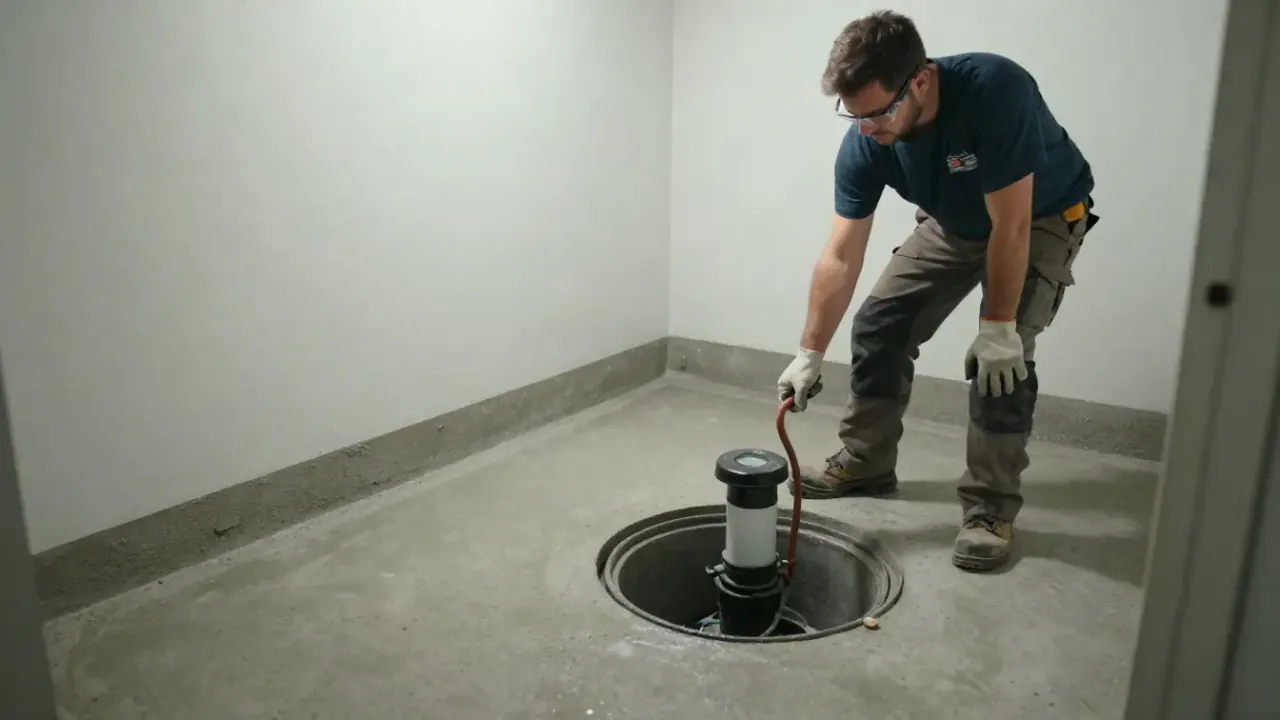
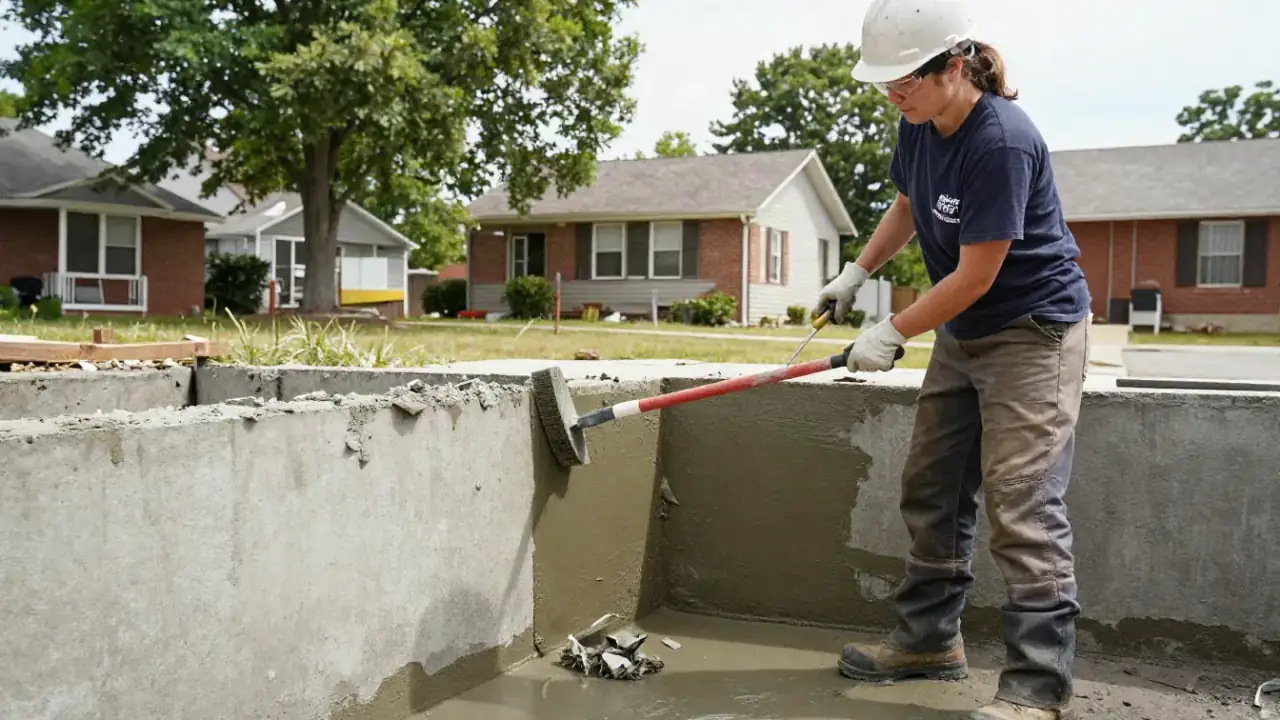
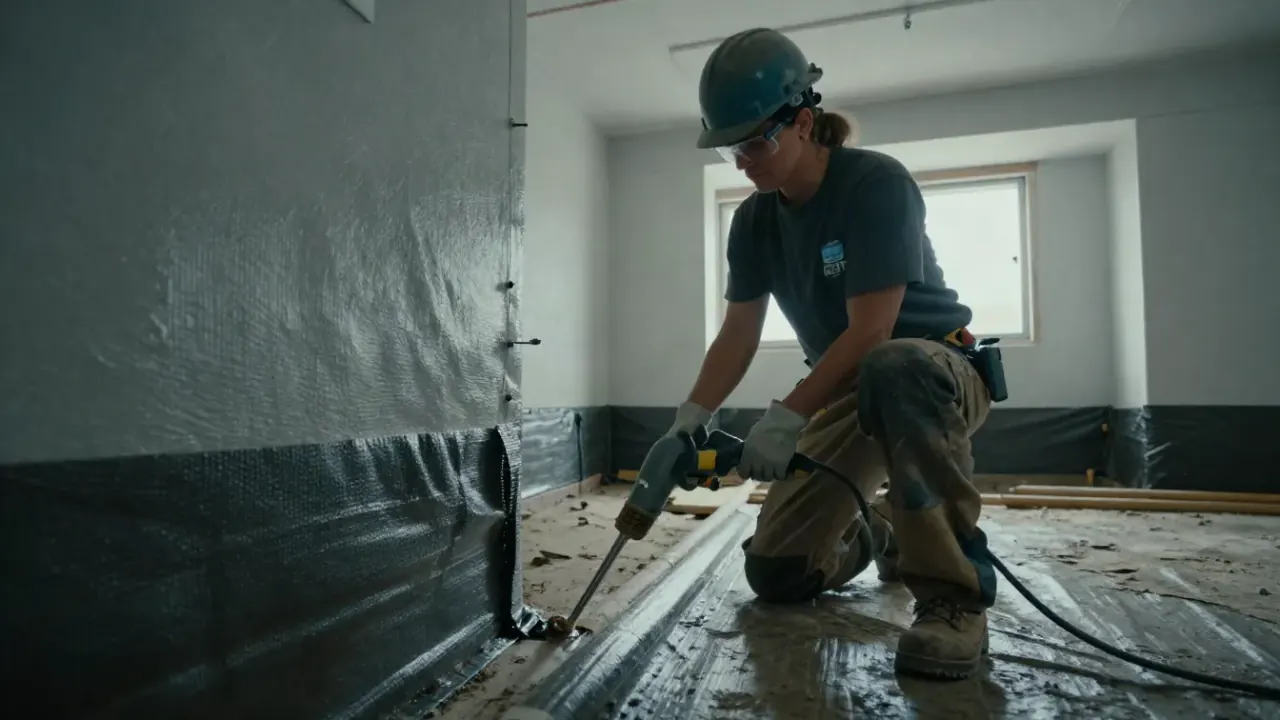
Reviews the repairChecks the area after curing
What foundation crack repair includes
Your repair includes a wall and crack inspection, a method matched to the concrete and water conditions, preparation, application, curing guidance, and a final review. We document the visible repair and explain nearby drainage concerns. Work such as excavation, full perimeter drainage, structural reinforcement, or pump replacement is a separate service when inspection shows it is needed; we explain that distinction before work starts.
Crack condition check
We inspect the crack's direction, width, dampness, and visible movement, then look for staining or efflorescence nearby. This helps distinguish a stable leaking crack from a sign of wall pressure that needs a different response.
Surface preparation
We clean loose concrete and prepare the injection path so ports and surface seals can adhere. Nearby belongings and finished surfaces are protected as needed, and the repair zone remains clear for the material to set.
Material selection
We explain whether epoxy injection resin or polyurethane injection foam suits the crack. The decision considers active water, stability, crack pattern, and the intended repair, rather than relying on one material for every wall.
Controlled injection
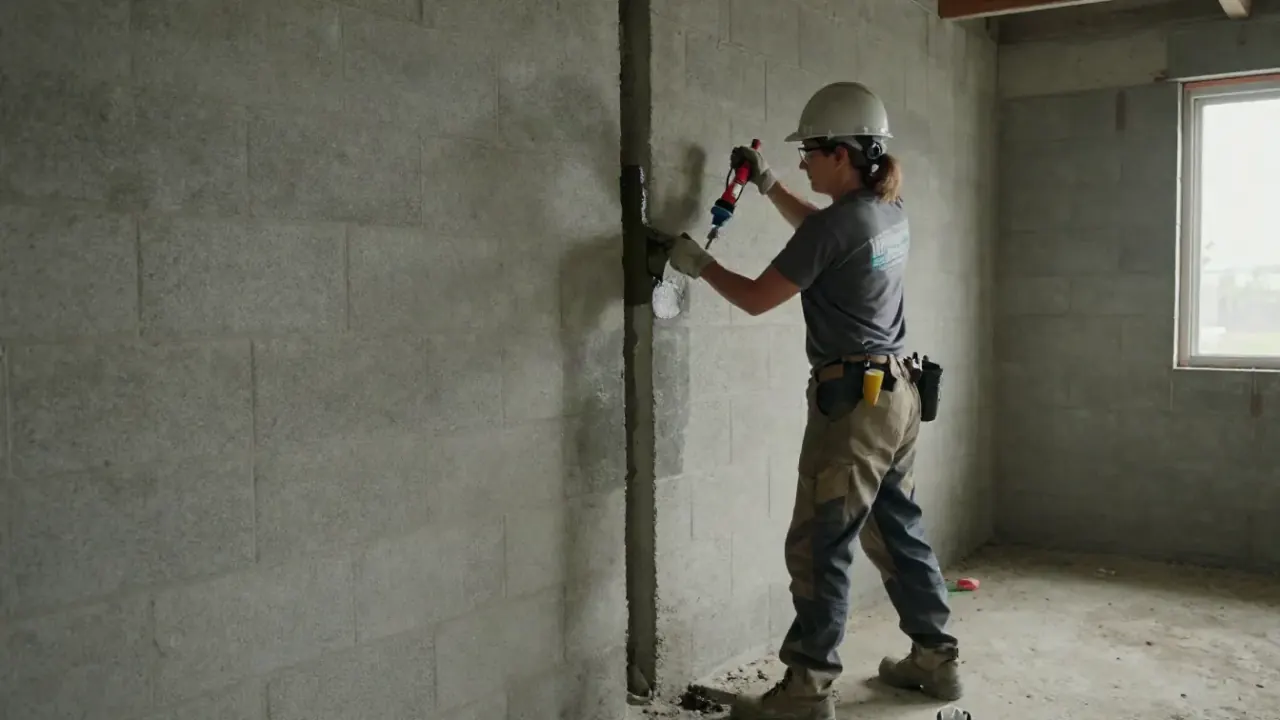
For suitable cracks, we install injection ports and introduce material in a measured sequence. We observe flow between ports and adjust the application to fill the path through the wall, not merely cover the face.
Completion review
After curing, we check the repaired area, remove ports where appropriate, and clean the immediate workspace. We provide photos and discuss any nearby runoff or drainage condition that could continue loading the wall.
Homes and businesses.
The approach is the same for a home and a business. What changes is the access, the schedule and who needs the paperwork.
Homes and rentals
We protect basement belongings and explain how injection work affects nearby rooms. You will know what to move and when the repaired area can be used.
Damp wall beside stored boxes
Leak near finished basement flooring
Crack below a window well
Business properties
We review access, water entry, and affected storage or work areas with owners and managers. The repair plan accounts for safe movement through the basement.
Water near stored inventory
Crack in a utility room
Leak beside a service corridor
Foundation crack repair Warren OH: the work
A plain-language look at what Foundation Crack Repair involves and when it is needed.
foundation crack repair Warren OH is a foundation repair service that seals or reinforces a foundation wall crack to reduce water entry and address the crack's cause. We start by checking its direction, width, moisture, and whether the wall shows displacement. For a stable, non-structural crack, epoxy injection resin or polyurethane injection foam can fill the path through the concrete; active seepage often calls for flexible injection foam. We clean and prepare the surface, install injection ports where suitable, inject the selected material, and verify the repair after curing.
Warren homes face freeze-thaw cycles, heavy rain, and changing soil moisture that can raise hydrostatic pressure against basement walls. A crack that looks dry in August may leak during a fall storm or spring thaw, especially where grading sends runoff toward the house. Our foundation crack repair in Warren, Ohio starts with tracing the water path and checking nearby downspouts, window wells, and drain conditions. If you are asking how to fix foundation cracks in Warren OH, the right answer depends on whether the crack is stable, leaking, or showing structural movement.
A lasting crack repair starts by identifying whether water or wall movement is driving the opening.
What it is
A targeted method to seal or bond a suitable foundation wall crack.
When needed
When a crack leaks, widens, or leaves recurring moisture marks.
What to expect
Inspection, preparation, selected repair material, curing, and a final review.
What to expect during repair
Foundation crack repair in Warren follows a measured sequence: inspect, prepare, inject or seal, cure, and review. We protect nearby belongings, explain the method before starting, and keep the work area accessible. Most straightforward interior injection jobs take about two to four hours; extensive access work takes longer.
Inspect the wall
Our team examines the crack from floor to ceiling, notes its width and direction, and checks for staining, efflorescence, or wall displacement. We ask when the leak appears and whether rain or thaw triggers it. This first visit usually takes 30 to 60 minutes, depending on access and whether adjacent walls need review.
Check pattern
Measure width
Trace moisture
Prepare the area
We move or cover nearby items with your permission, remove loose material, and clean the concrete along the repair path. For injection, we position ports at measured intervals based on crack depth and pattern, then seal the surface between them. You will see the setup before material enters the wall.
Clear area
Clean concrete
Fit ports
Inject the crack
We select epoxy injection resin for suitable stable cracks requiring a rigid bond, or polyurethane injection foam when active water calls for a flexible seal. Material is introduced gradually through the ports, with pressure and flow watched at each stage. The injection itself often takes 45 to 90 minutes for one accessible crack.
Select material
Inject in stages
Watch flow
Allow curing
Curing time depends on product instructions, wall temperature, and moisture conditions; many products set within hours, while full cure can take longer. We keep the work zone clear and explain when you can remove protective coverings or resume normal use. Cold concrete in winter can slow the set.
Allow curing
Keep area clear
Review timing
Review and document
After the material sets, we inspect the visible repair, remove ports when appropriate, and clean the immediate work area. We take completion photos and review any drainage issue found nearby, such as a short downspout discharge.
Inspect finish
Record photos
Discuss follow-up
Tools and repair methods
Move across a circle, or focus it and press Enter, for an illustrative thermal view of the photograph.
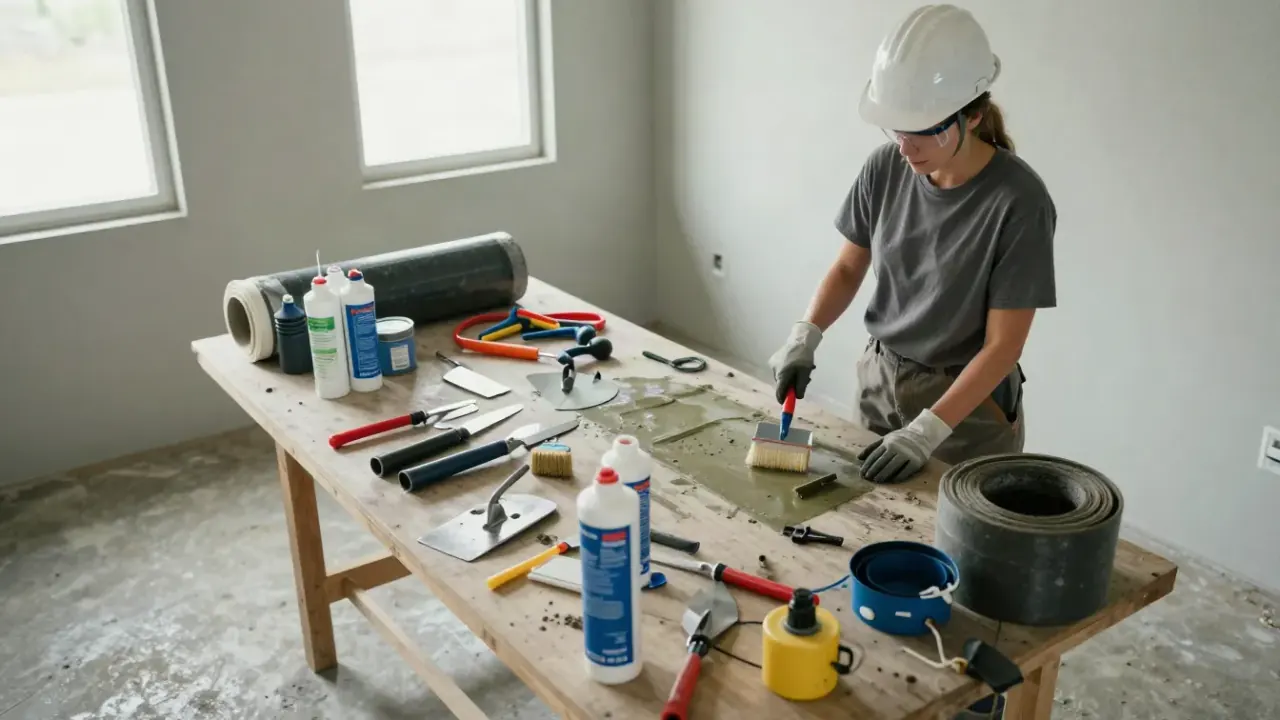
Moisture meter
We compare damp areas around the crack and nearby wall surfaces. Readings help distinguish a localized wet path from broader moisture that needs additional investigation.
Crack injection port kit
Ports provide controlled access for injecting repair material into suitable concrete cracks. We place them along the crack based on its path and the material manufacturer's application requirements.
Hydraulic cement
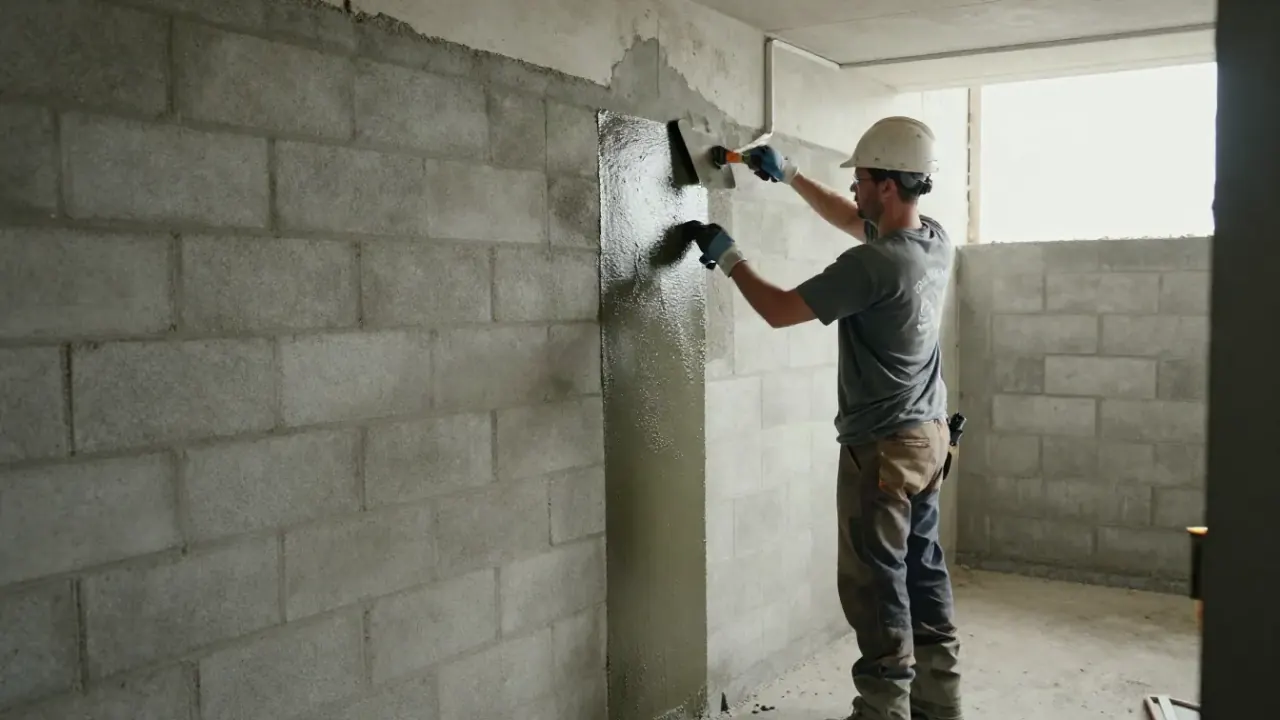
Hydraulic cement can help seal or stabilize selected surface areas during preparation, but it is not a substitute for injection through a leaking crack. We use it only where the repair detail calls for it.
Wet/dry vacuum
We use a wet/dry vacuum to collect loose debris or small amounts of water around the work zone. A clean surface helps us inspect the crack and prepare it for the selected repair.
Polyurethane injection foam
Flexible polyurethane foam is used for many actively leaking cracks. It expands within the water path and cures to form a flexible seal when the crack and application conditions are suitable.
Thermal views are illustrative, generated from the photographs.
Methods
Flexible crack injection
We install ports along a suitable crack and inject polyurethane foam in stages, watching for material movement through the wall. The process is useful for many active leaks because the cured material remains flexible. We finish by allowing the product to set and reviewing the visible repair.
Structural crack assessment
We look for horizontal or stair-step patterns, offsets, and inward wall movement before recommending a seal. If the signs suggest structural displacement, injection alone is not presented as reinforcement. We document the concern and explain the appropriate next evaluation.
Runoff source review
We trace roof runoff, yard slope, and nearby pooling to see whether water is loading the same section of foundation. Downspout extensions and grading corrections can reduce water reaching the wall. We explain when those drainage changes complement crack repair.
Epoxy crack bonding
For appropriate stable cracks, epoxy injection resin can bond the concrete across the crack. We prepare the surface, fit injection ports, and apply material according to the crack geometry and product instructions. Active water and wall movement are assessed before this method is selected.
When a crack needs repair
Rain leak
A Warren basement wall develops a drip during fall rain after weeks of dry weather.
We inspect the crack while it is damp, note how far moisture travels, and check nearby downspout discharge. If the wall is stable, we prepare the crack and inject a compatible material. We also explain whether runoff correction is needed to reduce repeated pressure against that section.
Outcome: You get a targeted repair for the visible leak and a clear explanation of what to monitor when the next storm reaches your property.
Mineral deposits
A homeowner in Howland Center sees a hairline crack and white mineral deposits near stored boxes.
We check the crack's direction, width, and moisture marks, then assess whether water is active or the deposits are old. The repair plan focuses on the entry path, with belongings moved away from the work zone. If the crack is stable, injection can close the path without treating the whole wall.
Outcome: The moisture source is addressed before more boxes or finished materials are exposed, and you know whether the crack shows signs of change.
Runoff nearby
A Niles property has a crack and a puddle where a short downspout ends beside the foundation.
We inspect the crack and follow the roof runoff route before selecting a repair. After suitable injection, we discuss extending discharge away from the foundation and checking yard slope. That combination addresses the opening and a likely contributor rather than relying on a wall patch alone.
Outcome: Water has fewer direct paths toward the repaired wall, and you can see how drainage changes support the crack repair.
Rental property
A Warren landlord finds a damp basement wall before a tenant reports wet carpet.
We locate the entry point, check the wall for displacement, and document the affected area. If the crack is suitable for injection, we complete the repair and review curing access with the property manager. We also flag any broader drainage issue that could affect other basement areas.
Outcome: The property manager receives a documented repair and a practical next step before dampness spreads into finished flooring or stored tenant belongings.
Howland CenterBolindaleWarren
How crack repair works in Warren
Foundation crack repair in Warren starts with the local water pattern: rainfall, snowmelt, soil moisture, and how the lot carries runoff. Older and newer homes can have different wall materials and access, so we inspect the actual foundation rather than assume a standard layout.
Fall storms and spring thaw often expose cracks that looked dry in warmer weather; winter cold can also affect curing conditions indoors near an unheated area. We check whether downspouts discharge beside the wall, whether a window well holds water, and whether the basement floor shows seepage beyond the crack.
Our foundation crack sealing Warren service distinguishes a stable leak from signs of movement, such as an offset or bowing wall. We follow applicable Ohio Residential Building Code requirements for work in scope and explain when structural evaluation is needed. In Trumbull County, a repair plan that accounts for runoff and wall condition is more useful than covering the visible line alone.
Howland Center: Homes with finished basement spaces need careful protection around flooring and stored items while we prepare and inject a wall crack.
Bolindale: We check how roof runoff leaves the property, since a downspout ending near the foundation can keep a repaired wall wet.
Warren: Basement access and foundation materials vary by property, so we inspect the actual wall before choosing injection or another repair.
Niles: After storms, we look for pooling beside the home and water marks that show whether the crack is the only entry point.
Freeze-thaw cycles widen vulnerable openings in concrete walls: Water that enters a crack can freeze and expand during cold spells, then seep again during thaw. We look for fresh dampness and changing crack edges, and schedule material application with indoor wall conditions in mind.
Heavy rainfall sends roof runoff toward basement foundations: A short or clogged downspout can discharge a large volume beside one wall. We trace the outlet and nearby pooling so the repair plan addresses the crack and identifies runoff changes that reduce recurring water pressure.
We walk through the basement and explain the visible crack pattern.
We protect nearby belongings and prepare the concrete work area.
We review the repair, photos, curing, and follow-up signs.
From problem to finished result.
IllustrativeThe thermal view is generated from the photograph. It is not a measurement. Drag the handle, or use the arrow keys once it is focused.
Rain leak sealed at the wall
Before: A homeowner had a narrow vertical crack that left a damp stripe down the basement wall after heavy rain. The floor beside it stayed wet for several hours, and mineral residue had formed along the lower section. The downspout discharged within a few feet of the same corner.
After: We prepared the wall and injected flexible material through ports along the crack. The repair took about three hours, followed by curing time based on the product and indoor temperature. The next storm left no visible drip at the treated opening, and the homeowner redirected the downspout discharge.
Keep the discharge route clear and check the repaired wall after major rain or thaw. If a new damp mark appears beside the injection, photograph it and note the weather so we can compare the location and pattern.
Stable crack treated before finishing
Before: A Warren homeowner planned to finish a basement room but found an old crack with white deposits near the floor. There was no visible wall offset, though the area felt cool and damp after storms. Covering it with drywall would have hidden future signs of moisture.
After: We checked the crack for movement and active seepage, then selected an injection method suited to the stable concrete. The work took roughly two to four hours, including preparation and cleanup. The homeowner waited through the advised curing period and rechecked the wall before installing new finishes.
Keep the foundation area visible until the wall has been checked through a wet-weather cycle. Maintain clear downspout outlets and avoid storing absorbent materials directly against the repaired section.
Water source identified near window
Before: A basement corner showed dampness near a vertical crack, but the heaviest water marks were beneath a window well. The homeowner had assumed the crack was the only entry point and had already tried a surface patch that peeled away.
After: We inspected both the crack and window opening, then repaired the suitable crack and identified water collecting in the well. The focused injection took about two hours; the window drainage issue was handled as a separate correction. Afterward, the wall was dry at the treated crack during the next rainfall.
Keep the window well clear of leaves and check its cover and drainage after storms. Watch both the repaired crack and the sill area; separate entry points need separate attention.
Problems solved by foundation crack repair
A crack can be a direct path for water, a sign of pressure, or both. We look at the opening and its surroundings so the repair fits what is happening at your Warren property. If you need foundation crack repair and waterproofing Warren Ohio, we identify when one injection is enough and when drainage needs attention too.
Wall seepageRainwater drips through a vertical basement wall crackRepeated seepage can stain concrete, wet stored belongings, and damage carpet or lower drywall. The opening may leak more during heavy rain or thaw. We trace the damp path and check whether water is active at the wall. For a suitable stable crack, we prepare the concrete and inject flexible polyurethane foam or epoxy as conditions require. We also inspect the nearby grade and downspout outlet so runoff is not repeatedly directed against the repaired section.
Mineral tracesWhite efflorescence outlines a previously wet foundation crackMineral deposits show that moisture has traveled through or across masonry. Covering the residue without addressing the path can leave dampness hidden behind paint or stored items. We identify whether the deposit follows a crack, mortar joint, or broader damp area, then check for active seepage. We remove loose material from the repair zone and use a method appropriate to the opening. If the wall is otherwise stable, targeted injection can close the water pathway and make later monitoring clearer.
Crack movementA stair-step crack appears wider after seasonal freezingA widening or offset pattern can indicate movement rather than a simple leak. Ignoring displacement can allow the wall to shift further and make a surface seal ineffective. We measure the opening, check for offsets and inward bowing, and document the visible pattern. If movement is present, we do not treat injection as a structural fix; we explain the need for structural assessment. If the crack is stable and leaking, we can discuss a compatible repair and drainage measures.
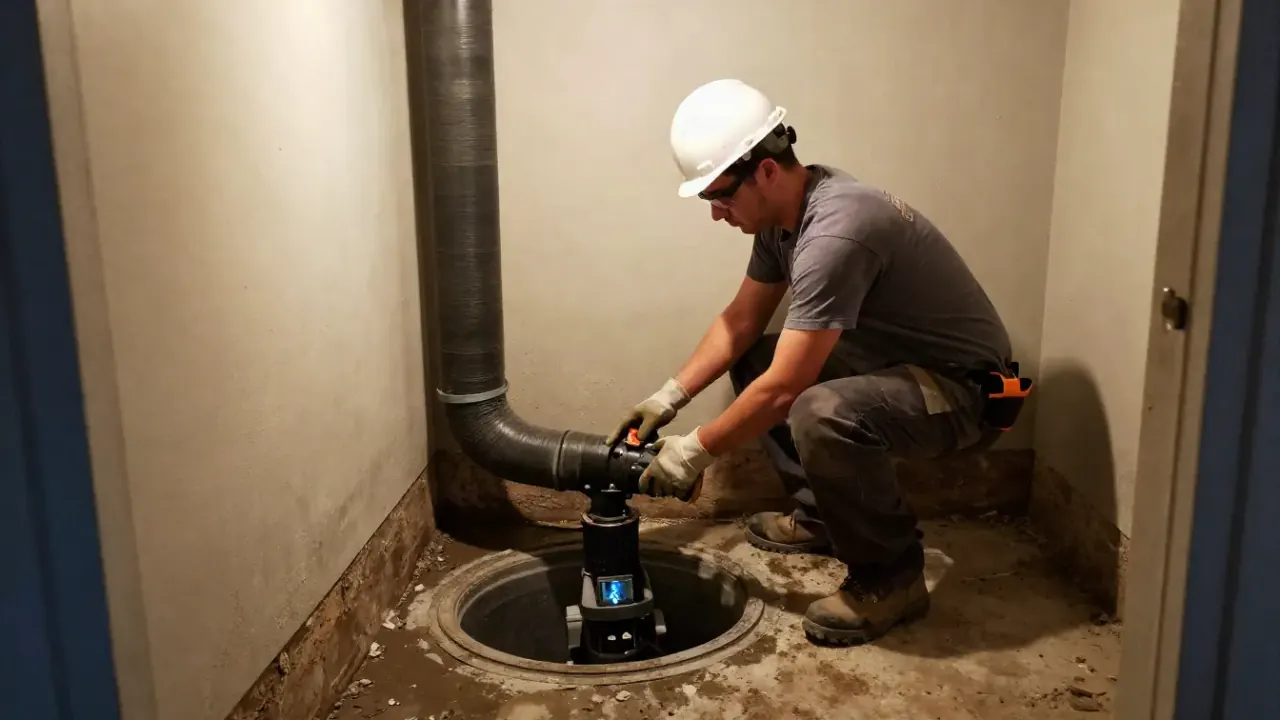
Storm dampnessBasement dampness returns after every heavy Warren-area stormRepeated wetting can damage flooring, encourage musty odors, and signal water pressure or drainage trouble beyond one crack. The wet area often grows if runoff keeps pooling beside the wall. We inspect the crack alongside window wells, downspouts, and floor-wall joints. A targeted injection can stop a confirmed crack leak, while a sump pump or interior drainage system may be appropriate if water is entering at multiple points. We explain which source each proposed task addresses.
Practical results for your foundation
Stop water at a suitable crack and understand what to monitor next.
Reduce active seepage
Polyurethane injection foam expands into fine pathways and cures to form a flexible water stop in suitable cracks. We assess the leak first, then inject in controlled stages rather than covering damp concrete with a surface coating. This approach targets water entry at the wall and helps reduce recurring drips after rain.
Catch movement early
We measure crack width and look for offsets, stair-step patterns, or bowing before choosing a seal-only repair. A stable hairline crack and a wall shifting inward are different problems. Identifying that difference early helps you avoid paying for a cosmetic patch where structural evaluation is needed.
Protect finished spaces
Stopping a leak at the wall helps protect basement carpet, stored boxes, and lower drywall from repeated wetting. We also check whether water is entering around a window well or pooling near the foundation. If the source is broader than one crack, we explain the drainage correction that belongs alongside the repair.
Know the next step
You receive a plain explanation of the crack, repair method, curing needs, and follow-up observations. A moisture meter helps us compare damp areas, while photos document the visible condition before work. You leave knowing what was repaired and what signs would justify another inspection.
What you receive
Clear records you can keep and share.
Repair photos
Images of the visible area before and after work
Work summary
Description of the repair method used
Condition notes
Observed crack and nearby water-path details
Care notes
Curing and follow-up observations for the repaired area
Sealing versus structural repair
Injection can seal a suitable crack; it does not correct active wall movement or replace drainage work.
Stable leak
A crack carries water without visible displacement.
Check water entry
Select injection material
Review runoff nearby
Moving wall
Offsets or bowing suggest a structural concern.
Document crack pattern
Check wall alignment
Discuss structural assessment
Broad moisture
Several wet areas point beyond one crack.
Inspect floor joints
Trace downspouts
Review drainage options
Materials and surfaces
Concrete wall
Injection ports
Polyurethane foam
Epoxy resin
Hydraulic cement
Port sealant
Masonry surface
Drainage path
Service ZIP codes.
A list like this tells people straight away whether you cover their street. Not listed? Call and ask: it only takes a minute.
The 2026 price depends on crack length, active water, wall condition, access, and whether drainage correction is needed. We inspect the crack and explain the work before proceeding; upfront pricing makes the repair choice clear. A structural crack requiring reinforcement is a different scope from sealing one stable leak.
Call for an inspection promptly if a crack is widening, offset, repeatedly leaking, or paired with a wall bowing inward. A hairline vertical crack with no movement is less urgent, but it still deserves attention if water enters after rain. In Warren, freeze-thaw cycles can worsen openings over time. Marking the crack ends and noting changes over 30 days can help show whether movement is active.
Many stable concrete cracks can be sealed for the long term, but no injection can stop continuing structural movement by itself. We check alignment, crack pattern, and water pressure before choosing a repair. Epoxy bonds suitable stable cracks; polyurethane foam accommodates movement in many leaking cracks. Keeping roof runoff away and maintaining drainage helps protect the repair, while active wall displacement needs structural evaluation.
A correctly selected injection repair stops water traveling through the treated crack, but it does not correct every source of basement moisture. If hydrostatic pressure, failed drain tile, or pooling continues, water may enter elsewhere. We inspect nearby walls, floor joints, and downspouts, then explain whether crack repair alone fits or an interior drainage system or sump pump is also needed.
A wet crack deserves a proper look before the next storm pushes more water inside. Our team will inspect the wall, explain the repair method, and give you upfront pricing. Call Warren Waterproofing Pros at (555) 123-4567 to arrange your foundation crack assessment.
Tell us where water is showing up, how long it has been happening, and whether a sump pump or drain is involved. Call (555) 123-4567 during our weekday business hours, Monday through Friday, 8 a.m. to 6 p.m. We serve Warren, Ohio, and nearby communities, and will help you plan the right inspection for your basement or crawl space.