Foundation Waterproofing in Warren for Drier Basements
Foundation Waterproofing in Warren helps homeowners and property managers address water entering through foundation walls, joints, and floor edges. We trace the source, then match the repair to the structure, whether that means sealing cracks, adding exterior protection, or directing groundwater to a sump system. If your basement smells musty or shows damp patches after rain, act before repeated wetting damages finishes and stored belongings.
Water-Source InspectionCrack and Joint RepairWall Moisture Barrier
Written service plansClear plan before work
Careful property protectionFloors, contents and finishes protected
One point of contactOne local contact
Prepared local crewsWarren
What Foundation Waterproofing Includes
Foundation Waterproofing in Warren begins with locating entry points and checking the drainage system around them. The work can include crack treatment, wall preparation, a membrane or drainage channel, and connection to an appropriate sump route. We identify which repairs address active water and which improvements support prevention. Excavation, finish restoration, pump replacement, and unrelated structural repairs are separate tasks when the inspection shows they are needed.
Water-Source Inspection
We examine interior stains, wall cracks, floor joints, window wells, downspouts, and visible drainage. We ask when water appears and compare those symptoms with recent rainfall. This helps identify the likely route before selecting materials or opening finished surfaces.
Crack and Joint Repair
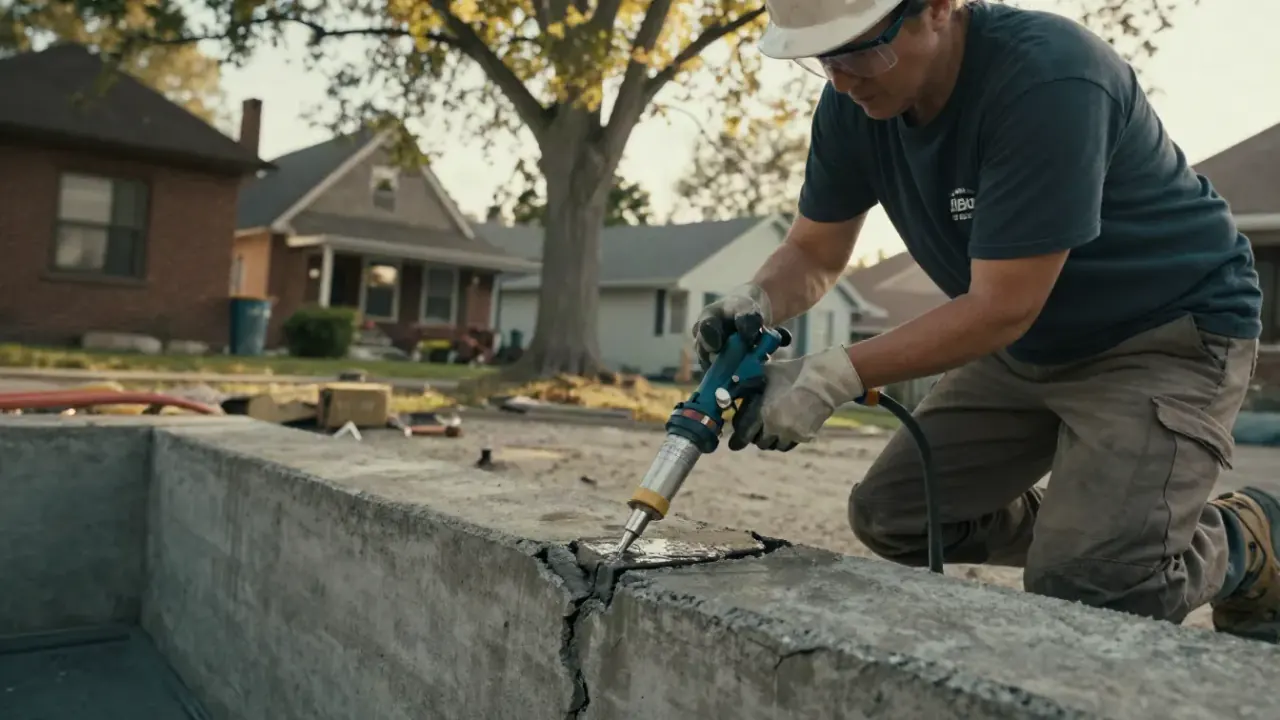
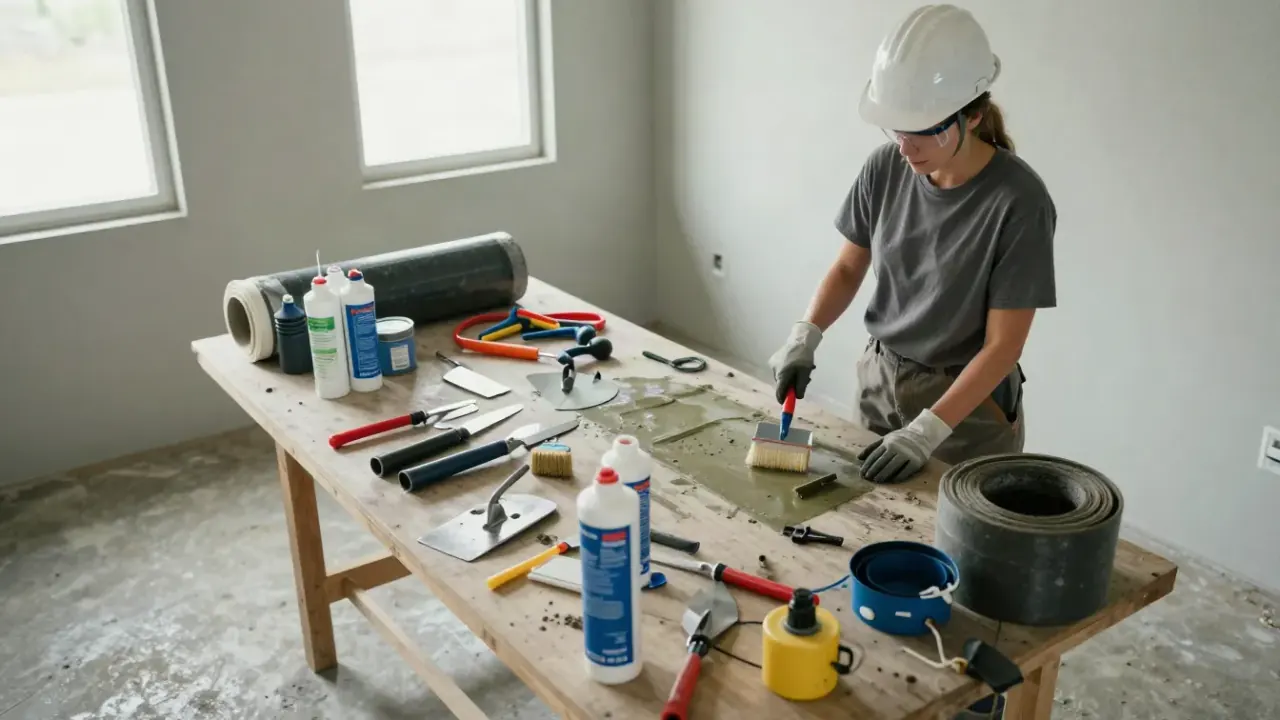
We clean and prepare suitable cracks or joints, then use a repair material matched to the condition. Stable concrete cracks may be injected, while other conditions require a different seal or drainage approach. The repair plan notes any signs of movement that need separate assessment.
Wall Moisture Barrier
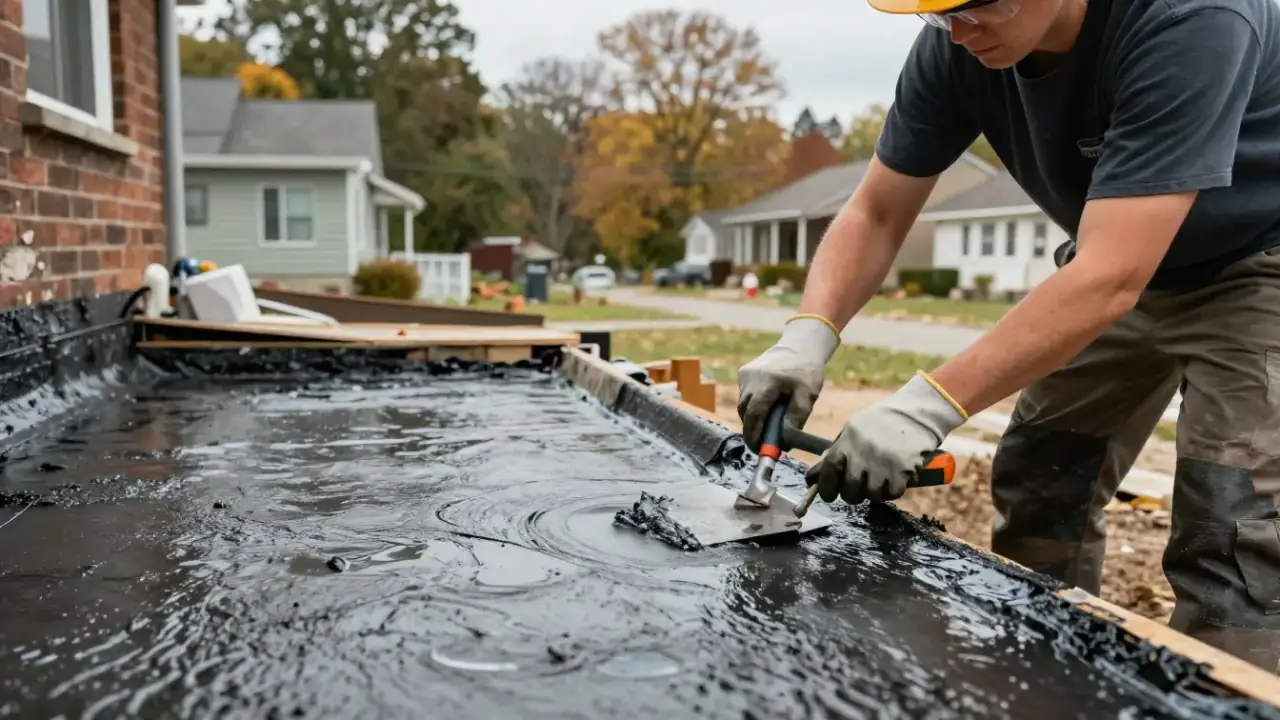
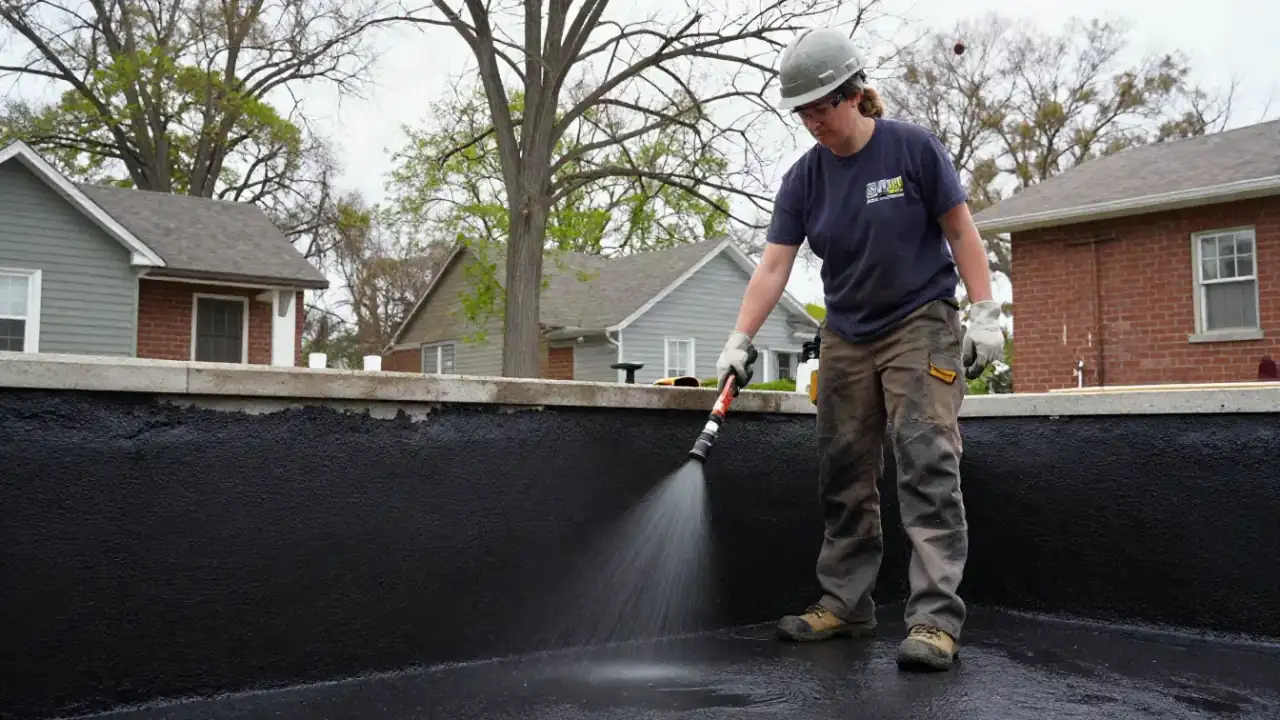
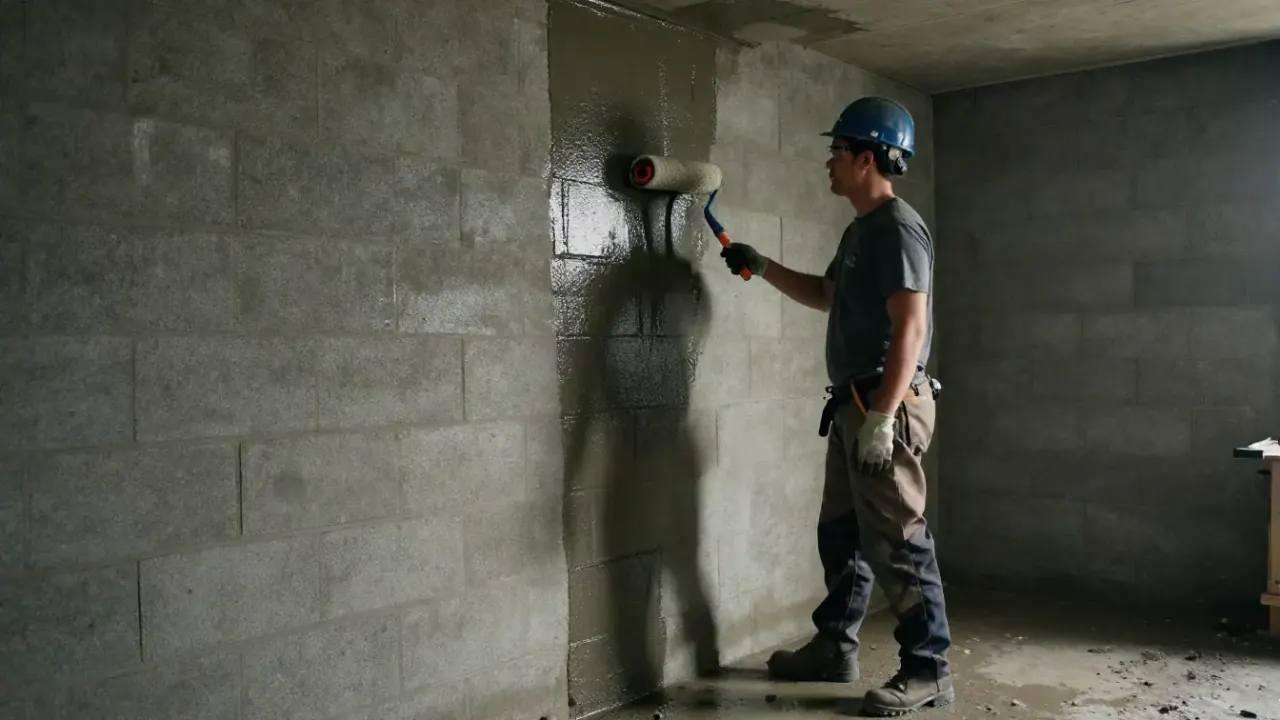
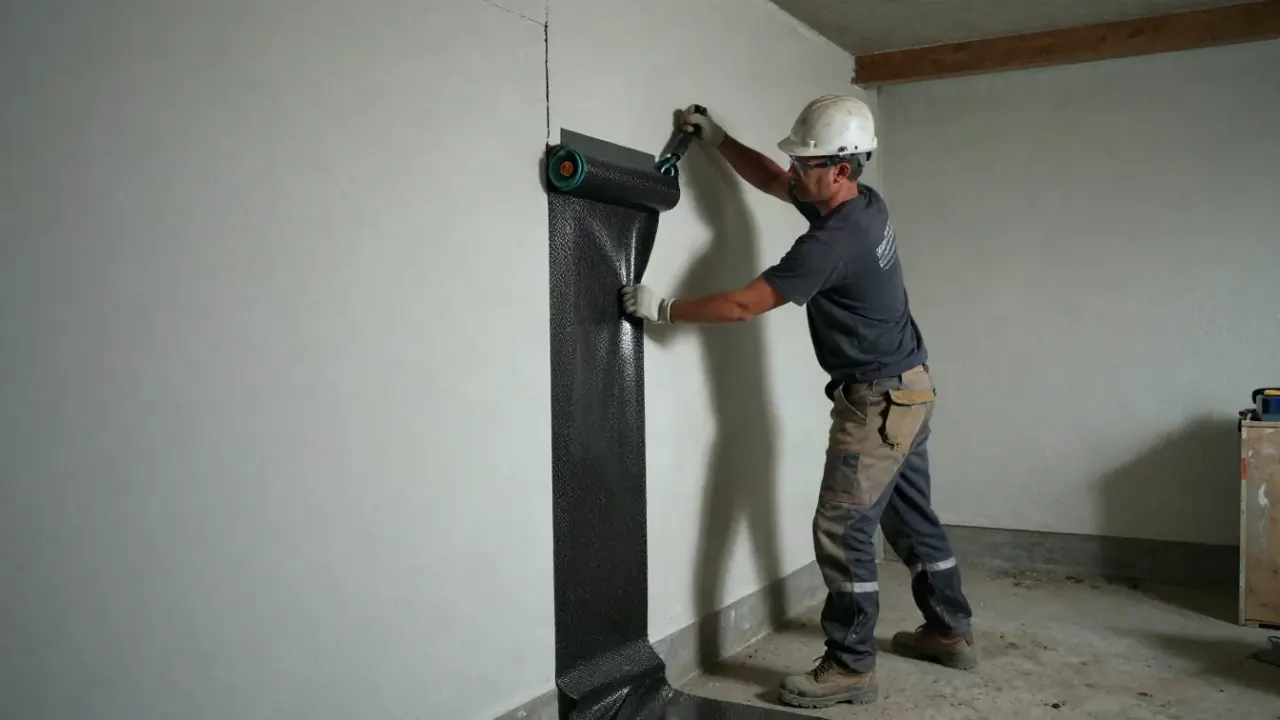
Where access and wall condition support it, we prepare masonry and install a suitable exterior membrane or protective treatment. The barrier works with drainage rather than replacing it. We explain how the selected material handles water and where the system directs collected moisture.
Drainage Coordination
We inspect existing drain tile, sump basin, and discharge routing, then connect new drainage components to a workable outlet. A system that collects water but discharges it beside the house can create repeat problems, so routing is part of the installation plan.
Completion Walkthrough
We show you the repaired areas, system access points, and visible water route before leaving. You receive practical maintenance guidance for the pump, downspouts, and drainage outlet, plus a summary of completed work and any conditions that need observation.
Foundation Waterproofing in Warren: The Essentials
A plain-language look at what Foundation Waterproofing involves and when it is needed.
Foundation Waterproofing in Warren is a structural moisture-control service that limits water entry through foundation walls and directs groundwater away from the building. We inspect cracks, wall-floor joints, drainage routes, grading, and existing sump equipment before selecting a repair. Depending on the source, work can include excavation, a dimpled drainage membrane, perforated drain tile, crack injection, or an interior collection channel. The goal is to control the water path, not hide a damp spot with paint. We also explain which components need access for future maintenance.
Warren homes face wet spring ground, heavy rain, and freeze-thaw cycles that can expose weak mortar joints or widen existing foundation wall cracks. Water pooling near a wall, clogged downspouts, and failed drain tile can all raise hydrostatic pressure against masonry. Our foundation waterproofing in Warren, Ohio starts with the visible symptoms and follows the water back to its likely entry point. If you are searching for how to waterproof a foundation in Warren, the right answer depends on whether the source is surface runoff, groundwater, or a localized crack.
What to Expect During Work
Foundation Waterproofing in Warren follows a defined sequence: trace the water, select a method, protect your property, complete the installation, and verify drainage. We explain each step before tools come out, so you know what will happen in your basement or around the foundation.
Inspect Sources
We begin with a walk-through inside and outside, looking for seepage marks, efflorescence, cracks, window well leakage, and water pooling. We ask when the leak appears and whether it follows storms or snowmelt. A moisture meter helps compare suspect spots, and we inspect downspout discharge and visible sump equipment. The visit usually takes 45 to 90 minutes, depending on access and the number of affected areas.
Map the Repair
After locating likely entry routes, we explain the repair choices in plain language. Exterior access may call for excavation, wall preparation, and membrane installation; interior flow may require a collection channel and drain tile. A foundation waterproofing contractor Warren homeowners call should also explain how discharge, grading, and existing utilities affect the plan. We identify the work sequence and the parts of the property that need protection.
Prepare the Area
For interior work, we cover nearby belongings, control dust, and mark the floor-cut route before using a concrete saw. Exterior projects require careful excavation to expose the wall and footing without disturbing more soil than needed. We keep the work area organized and make sure the sump basin or discharge route remains accessible. Preparation often takes several hours on a full-day project.
Install Protection
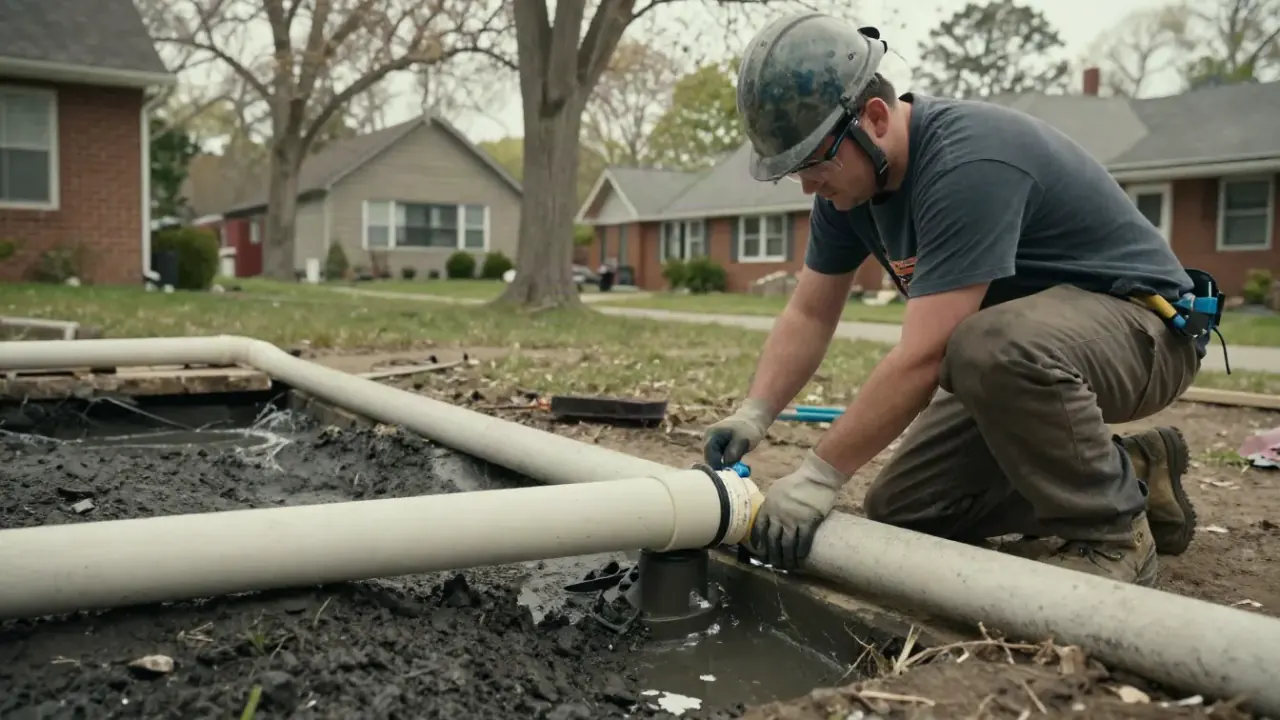
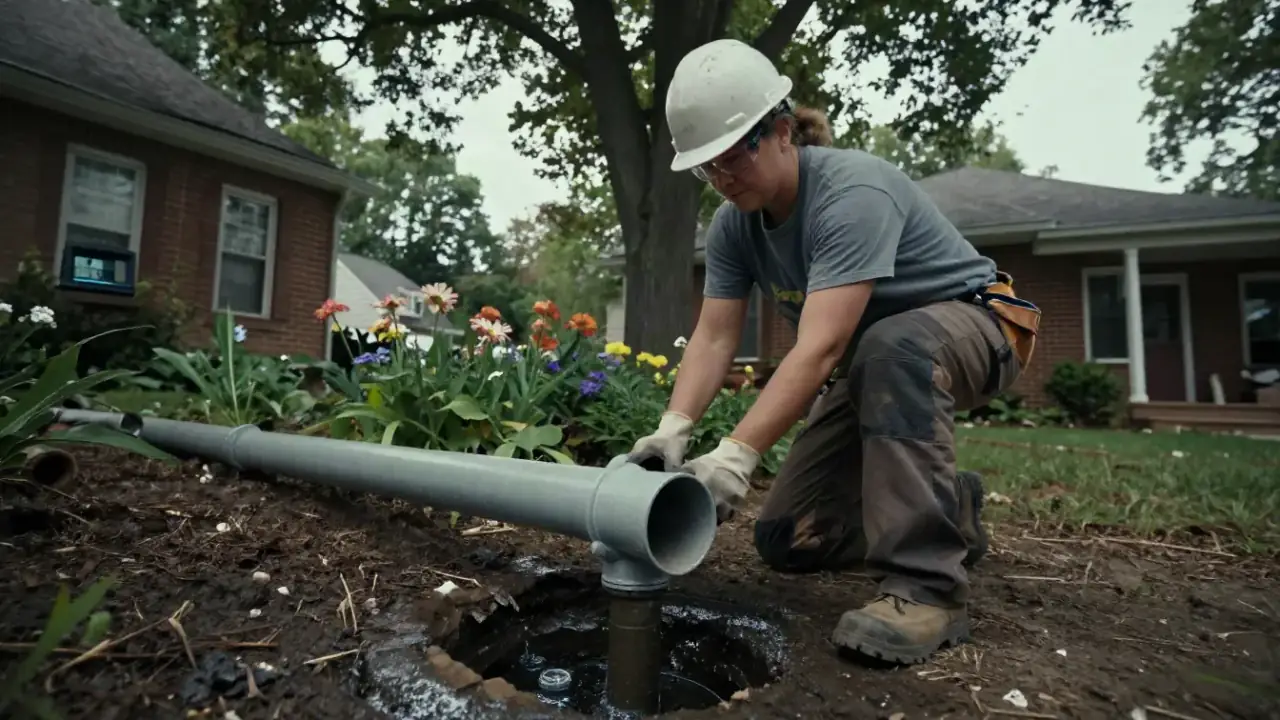
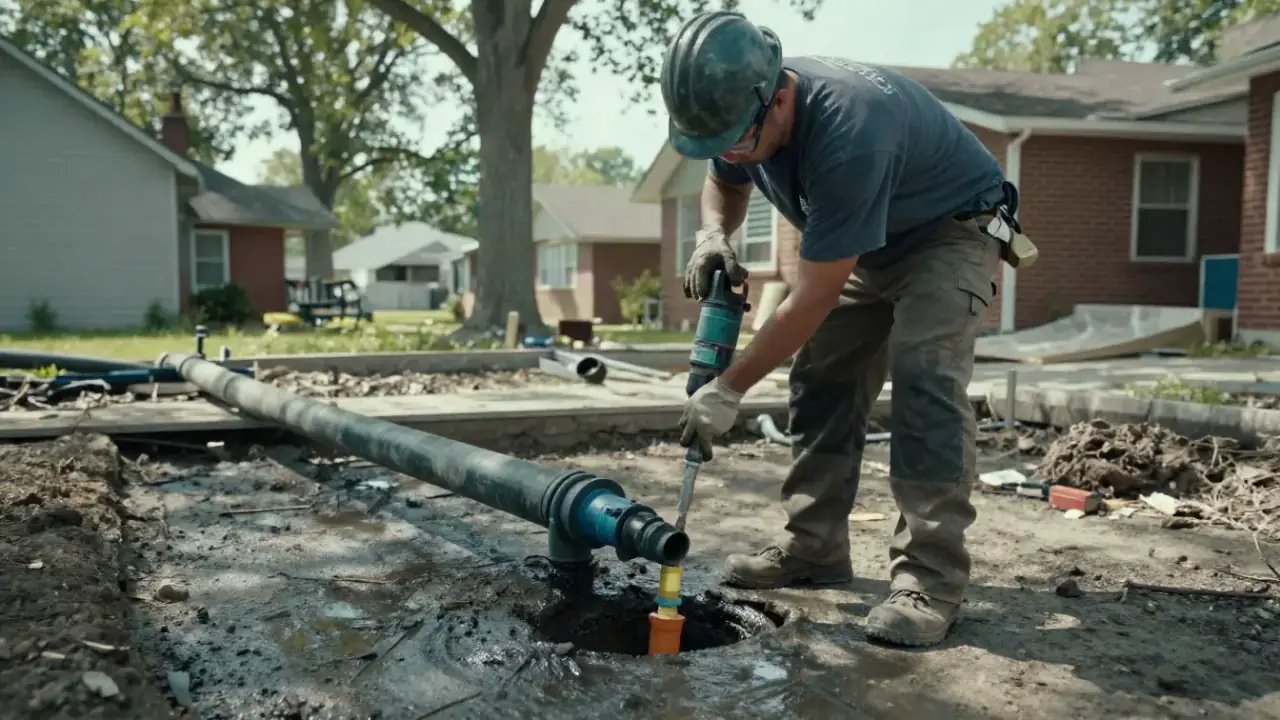
We repair suitable cracks, prepare the masonry, and install the selected barrier or drainage components. Exterior systems may use a dimpled drainage membrane and perforated PVC drain tile set in washed gravel; interior systems collect seepage and route it to a sump basin. We connect components so water has a deliberate path instead of a low point beside the foundation.
Test and Explain
Once installation is complete, we check the flow path, pump operation, and visible seals, then remove job debris from the work area. We show you the system access points and explain simple maintenance, including checking the sump discharge and keeping downspouts clear. You receive a walkthrough of the completed work and the next steps for monitoring dampness after heavy rain.
Tools and Installation Methods
Move across a circle, or focus it and press Enter, for an illustrative thermal view of the photograph.
Moisture meter
We compare damp masonry with unaffected areas to map moisture patterns and help distinguish an active entry point from old staining.
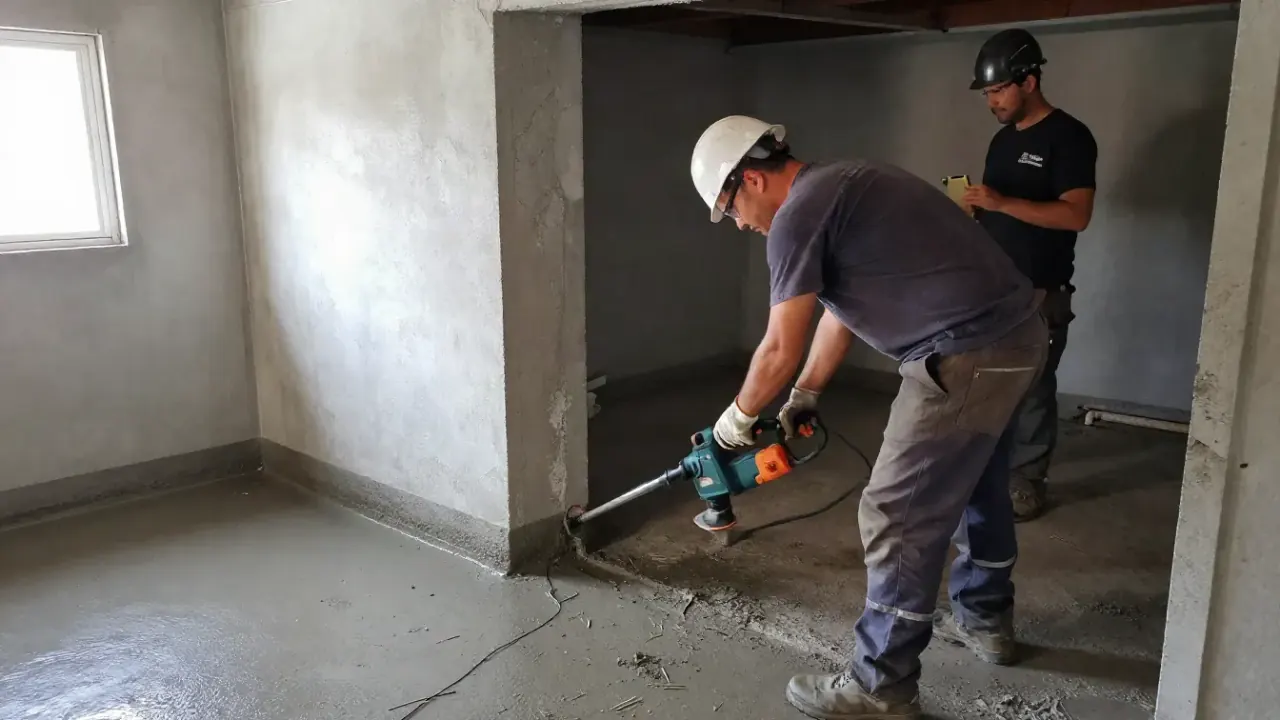
Concrete saw
For interior drainage work, we mark and cut a controlled floor channel before removing concrete and installing drain components.
Perforated drain tile
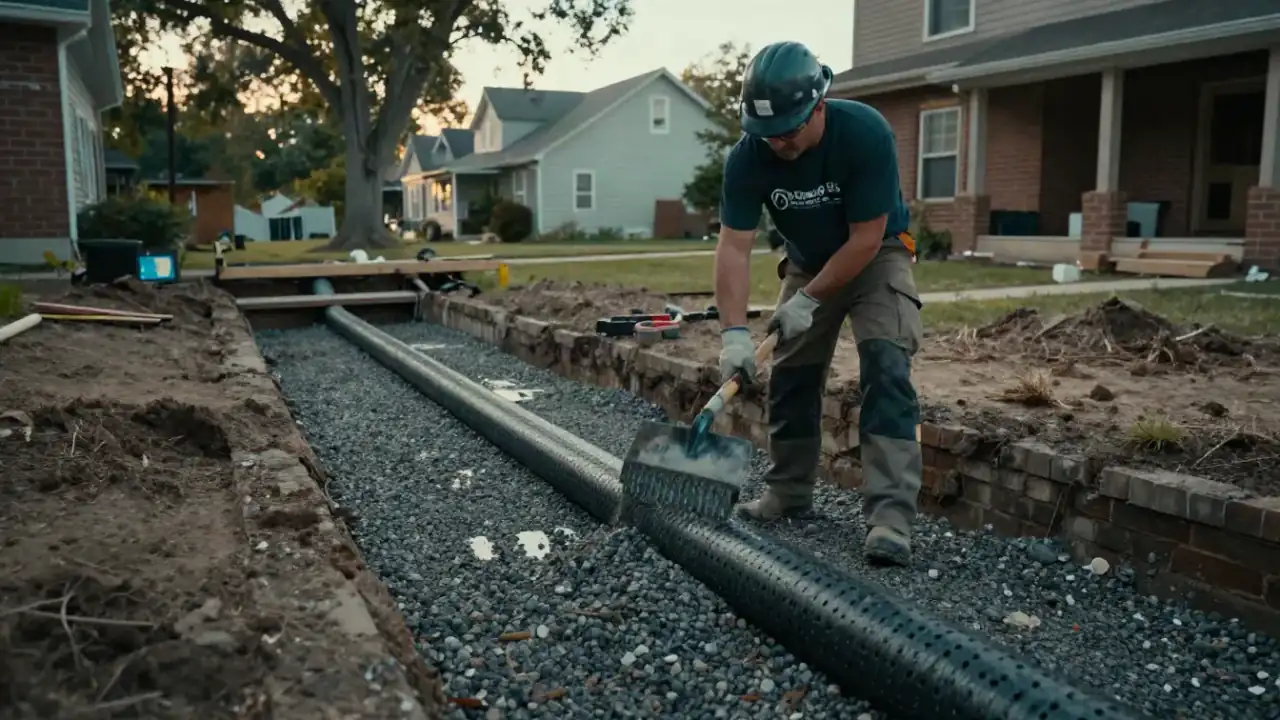
We place perforated drain tile within a gravel bed to collect water along the footing or interior perimeter and route it toward an outlet.
Sump pump
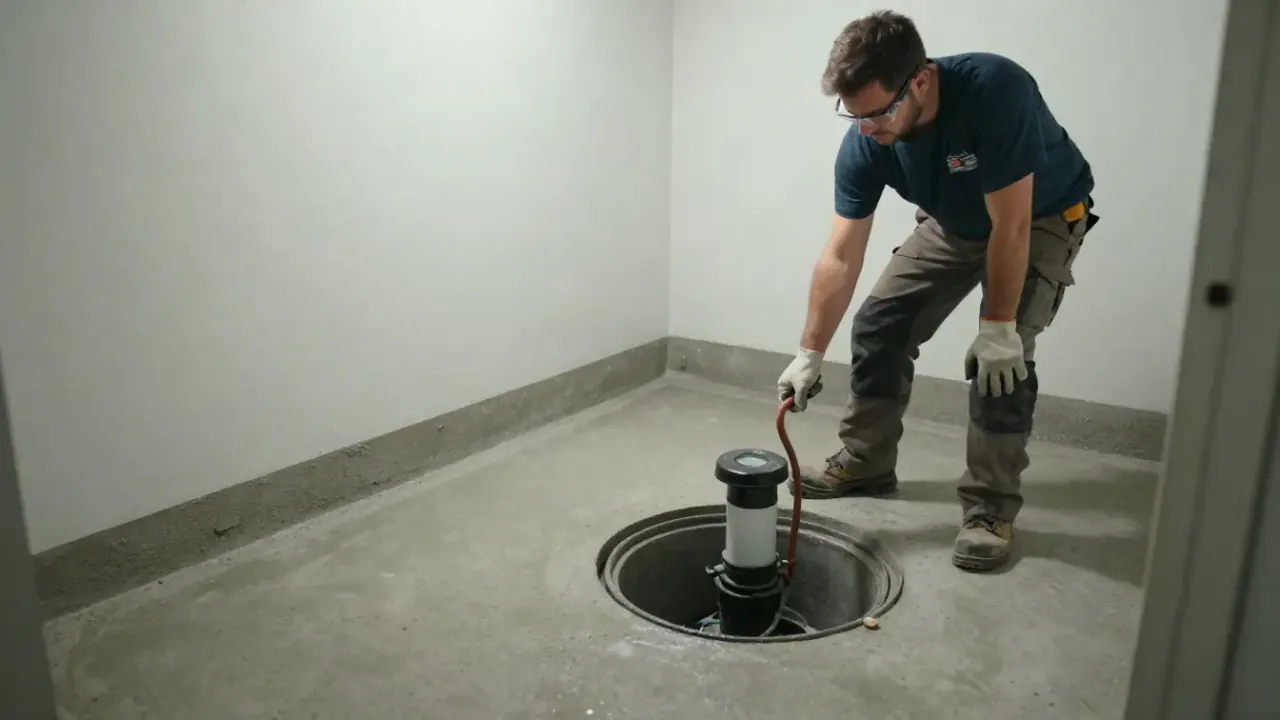
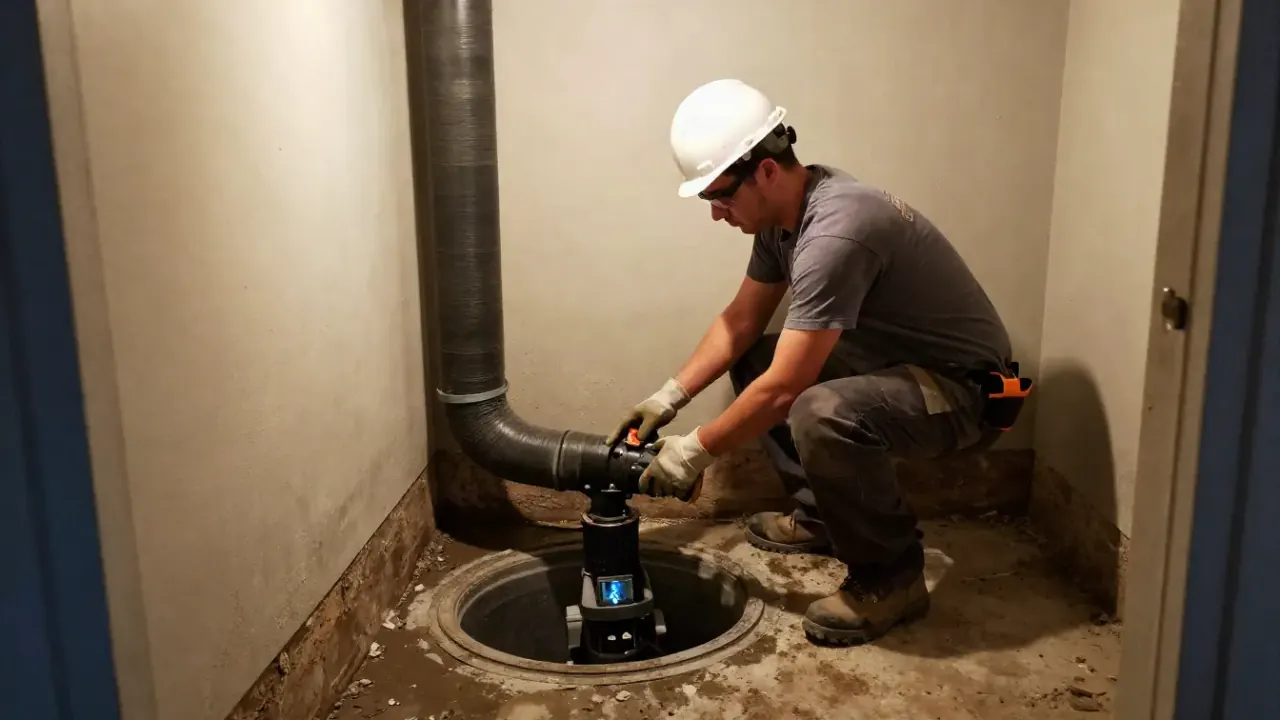
A sump pump moves collected drainage water from the basin to a discharge point away from the foundation.
Dimpled drainage membrane
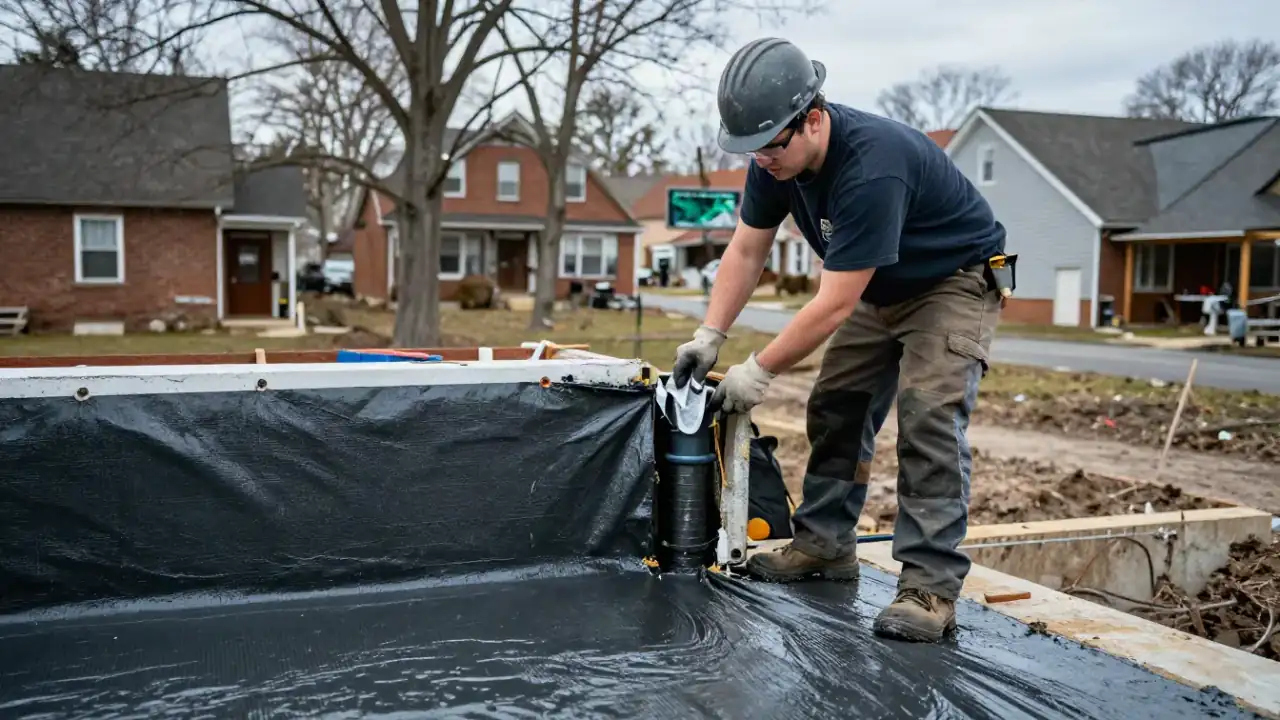
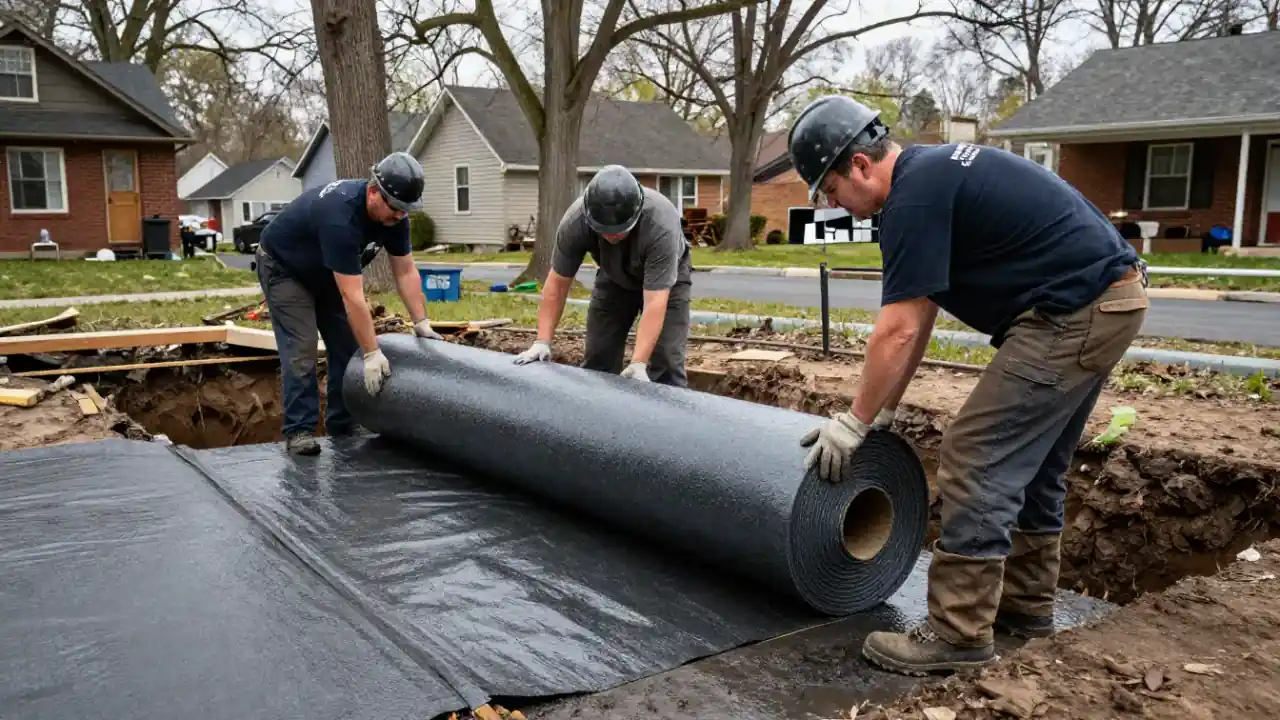
We install this exterior material against prepared foundation walls to create a drainage plane that directs water downward toward footing drainage.
Thermal views are illustrative, generated from the photographs.
Methods
Exterior membrane and footing drainage
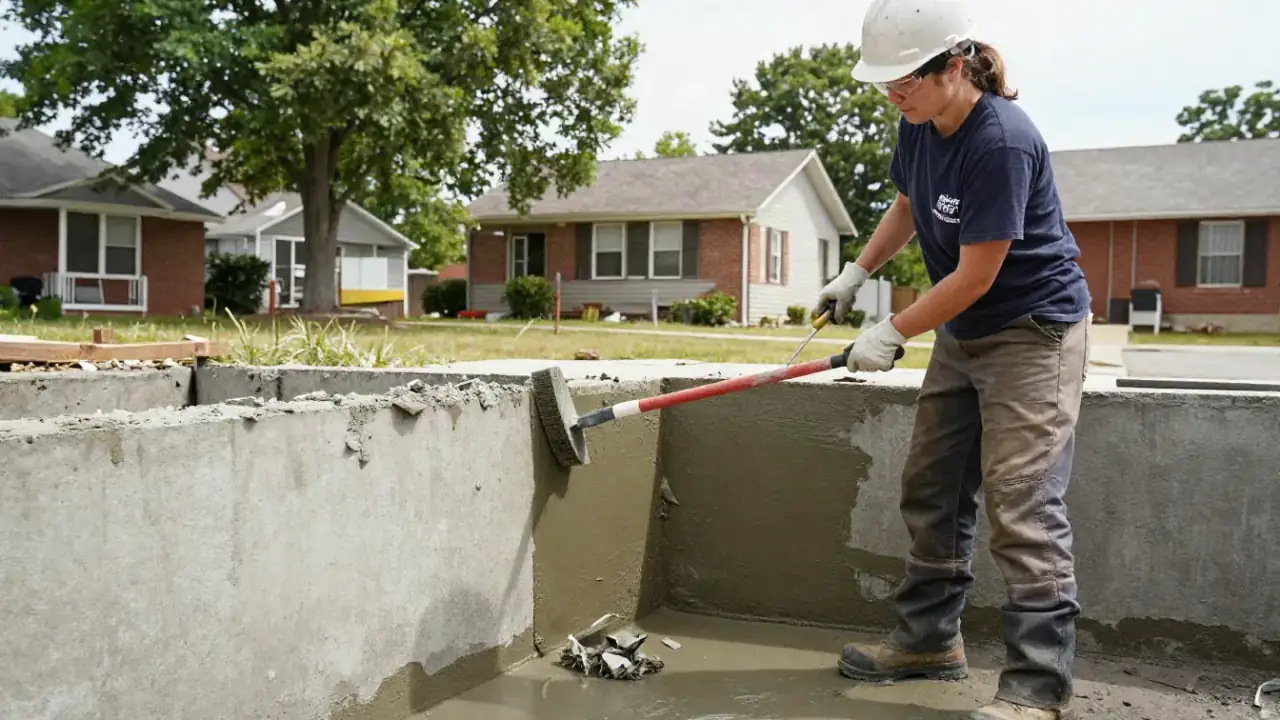
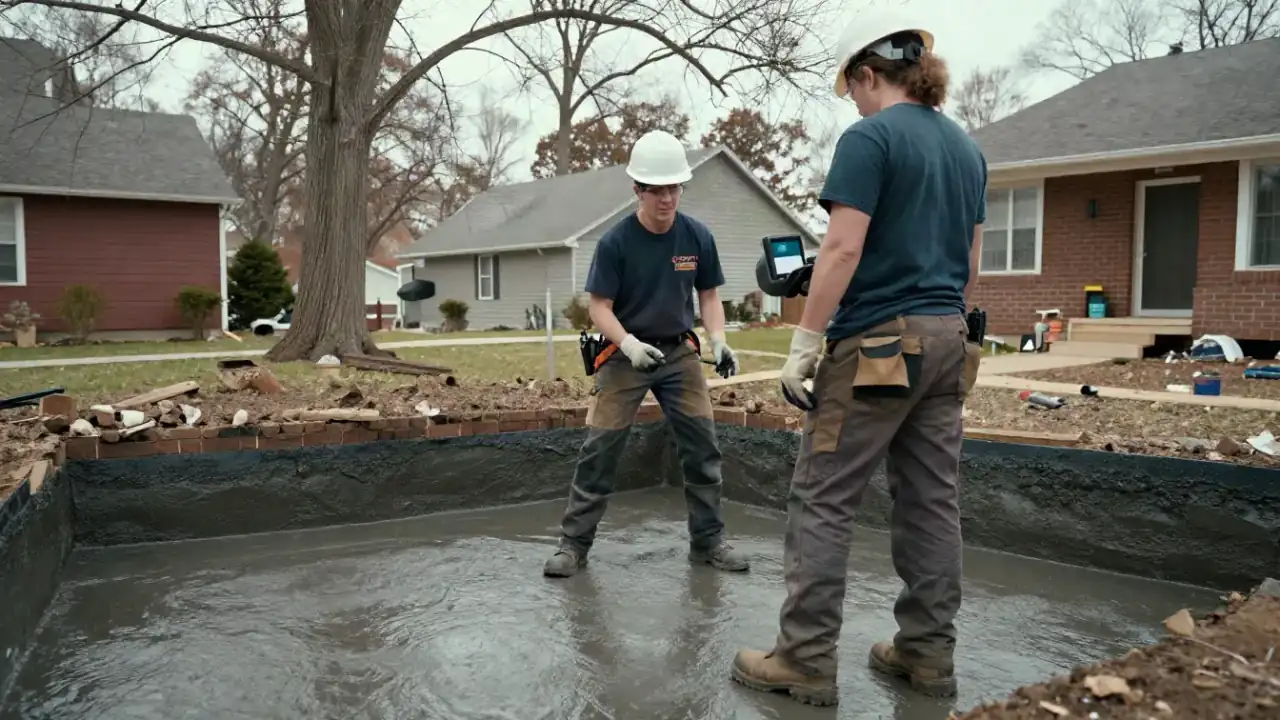
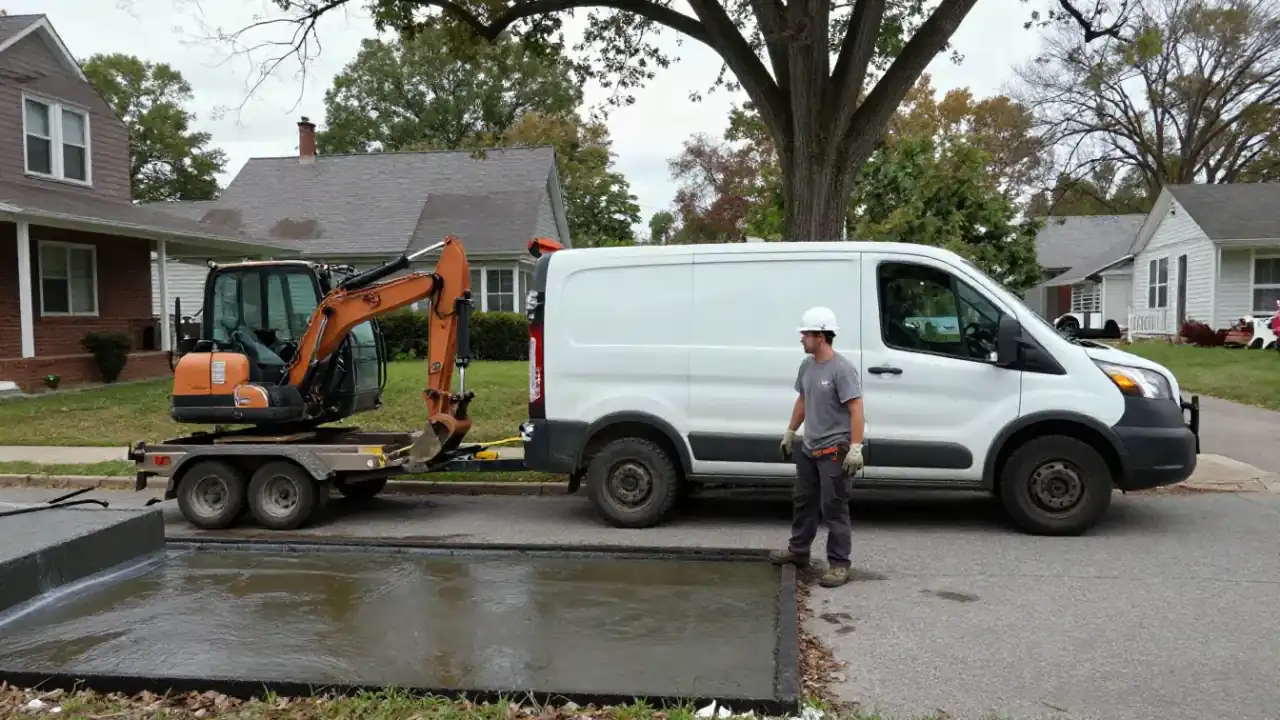
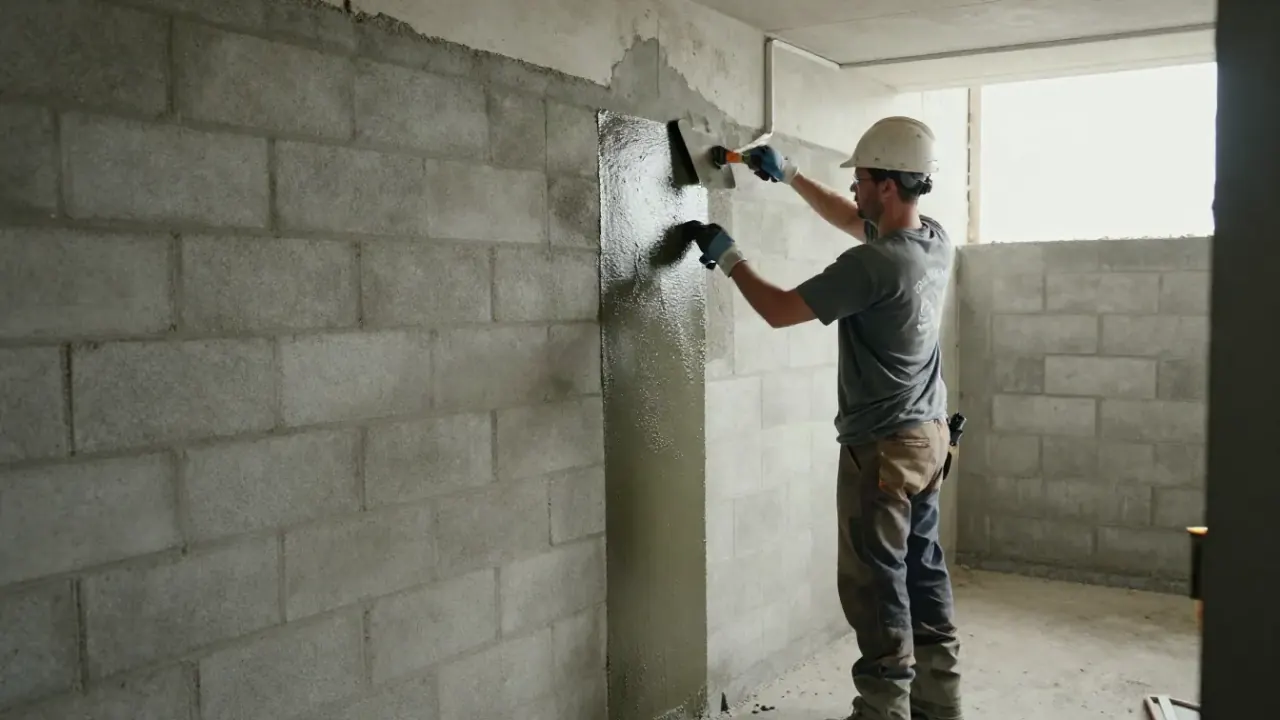
We expose the affected wall, remove loose material, prepare the masonry, and fit a dimpled drainage membrane where conditions call for it. Perforated drain tile and washed gravel carry collected water toward a suitable outlet. The method addresses the soil side of the wall and requires access, safe excavation, and a planned restoration sequence.
Crack injection repair
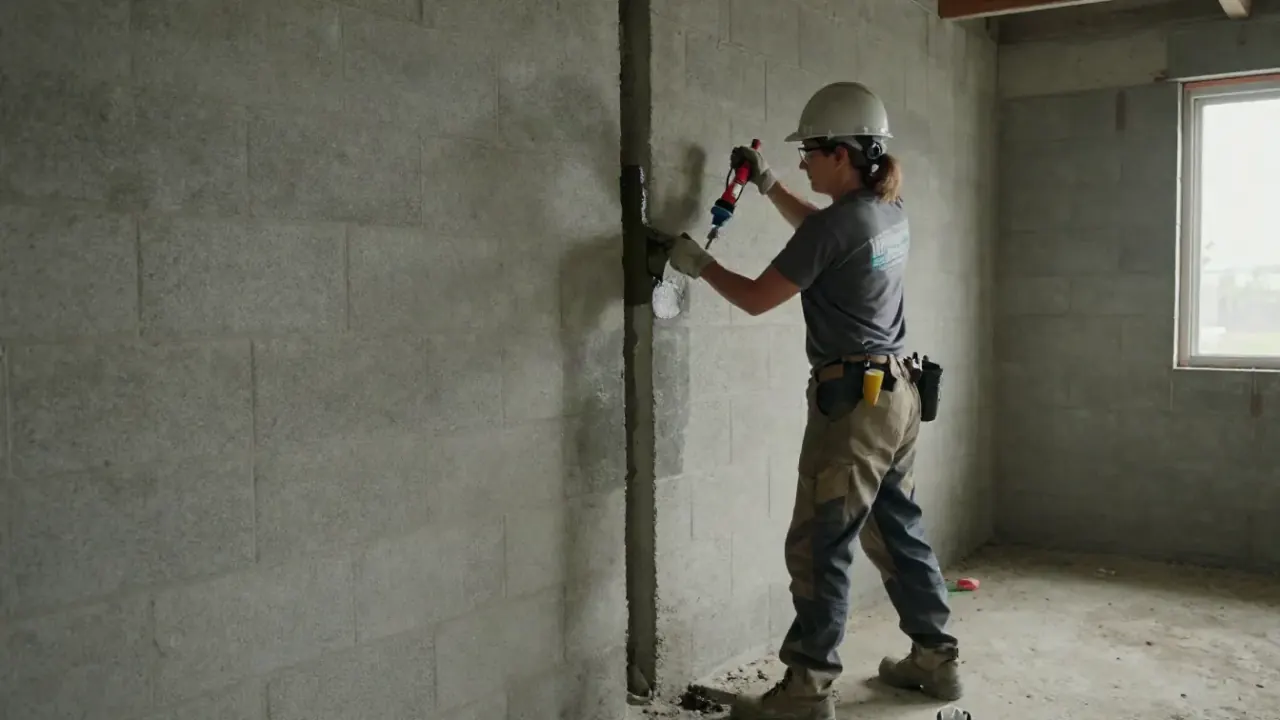
We clean and prepare an eligible crack, position injection ports, and apply a compatible resin or foam based on water activity and crack condition. We monitor the fill and finish the surface after the repair sets. Injection treats the crack route; if surrounding pressure remains high, we also evaluate drainage.
Interior perimeter collection
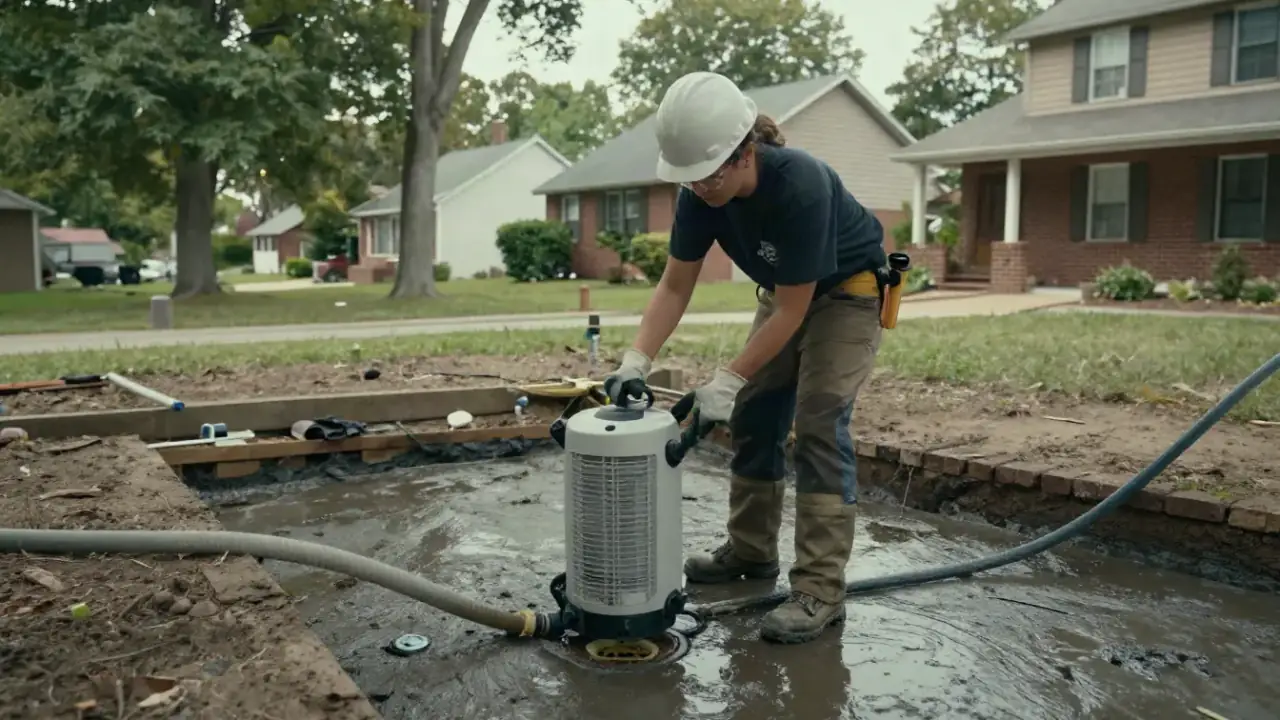
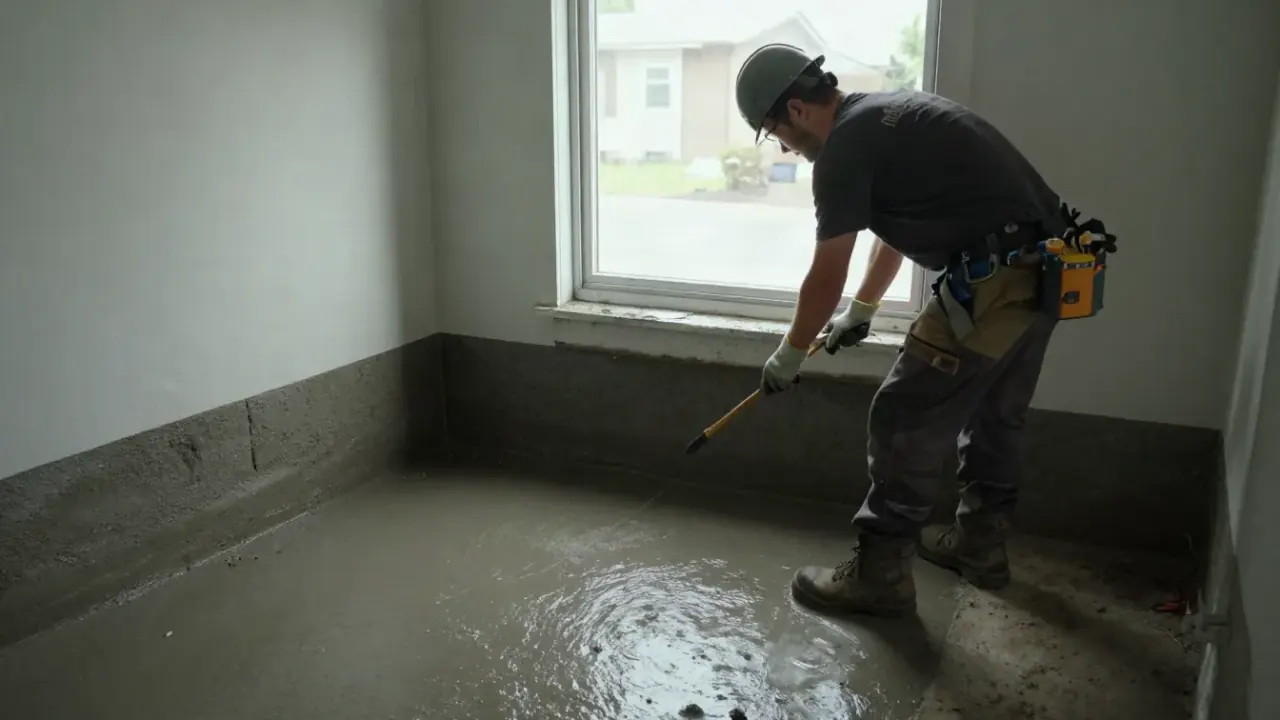
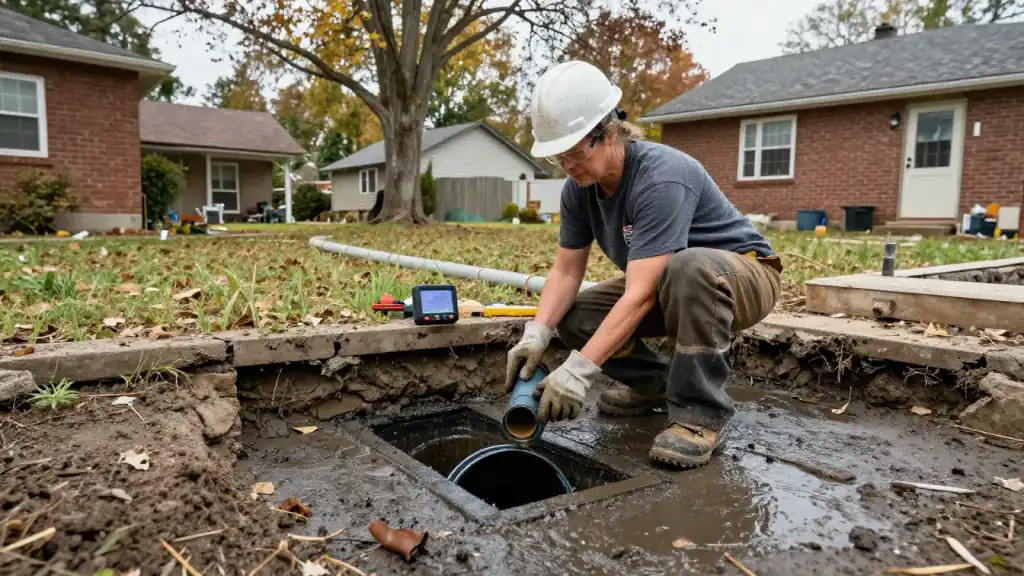
We cut a narrow channel along the affected basement perimeter, install collection components, and route them to a sump basin. The channel captures water before it spreads across the floor. We test pump operation and check that the discharge carries water away from the home.
Surface runoff correction
We review yard slope, downspout outlets, and low spots that direct rain toward the foundation. Correcting runoff can reduce water reaching the footing and complement wall repairs. We discuss practical drainage changes based on the property layout and available discharge locations.
When Your Foundation Needs Attention
A Warren basement wall develops a fresh damp line after several days of October rain.
We inspect the crack or joint, compare moisture patterns, and check downspouts and grading along that side of the house. If the wall entry is localized, we repair it with a compatible method; if runoff is feeding the problem, we address drainage as well.
Outcome: You get a repair aimed at the source, with less recurring dampness and a clear way to monitor the wall after the next storm.
A home in Howland Center has water at the floor edge whenever spring snowmelt saturates the yard.
We trace the water along the basement perimeter and assess the footing drainage and sump basin. Where an interior collection system fits, we install a channel and connect it to a properly routed pump discharge, then test the flow.
Outcome: Instead of spreading across the floor, seepage has a planned collection route. You can access the pump and check its discharge during wet weather.
A Niles property has an older exterior wall with recurring seepage and peeling interior paint.
We assess the wall and outside access, then determine whether exterior foundation waterproofing Warren OH is suitable. The work may include excavation, masonry preparation, a drainage membrane, and footing drain improvements, coordinated with backfill and surface restoration.
Outcome: The outside wall receives protection suited to its condition, and collected water is directed away from the foundation rather than trapped behind a new interior finish.
A rental basement smells musty, and the owner finds mineral deposits on two block walls.
We inspect for active seepage, measure damp areas, and review the sump and drainage. After addressing water entry, we discuss humidity control and whether a dehumidifier is appropriate. The repair plan separates water management from drying and finish work.
Outcome: The owner can address the moisture source first, then restore finishes when the wall conditions support it, reducing repeat damage between tenant turnovers.
Downtown WarrenHowland CenterBolindale
How Foundation Work Fits Warren Homes
Foundation Waterproofing in Warren must account for local rainfall, freeze-thaw cycles, and the mix of older masonry and poured-concrete basements found across the area. October rain can saturate soil before winter freezes it; spring thaw then adds runoff when the ground is already wet. We inspect wall condition, yard slope, downspout outlets, and sump discharge as one connected system.
Our foundation waterproofing and drainage Warren Ohio approach starts with the actual entry path, not a standard package. If exterior access is practical, we can address the soil side with a membrane and footing drain; if excavation is restricted, interior collection may fit better. We also consider window wells, finished basement surfaces, and nearby utilities before laying out work.
Applicable Ohio Residential Building Code requirements guide relevant construction details. We serve Warren and Trumbull County, including established neighborhoods where older foundations may show mortar wear, past patching, or incomplete drainage. Before closing the job, we check the water route and explain which components need routine attention.
Downtown Warren: Older masonry and finished basements call for careful inspection of mortar joints, previous patches, and water entry at wall-floor seams.
Howland Center: Properties with broad yards can still collect runoff beside the foundation when slope or downspout outlets send water toward low areas.
Bolindale: Basements with recurring damp corners benefit from checking window wells, exterior grade, and the condition of existing drainage.
Champion Heights: We consider the route from roof discharge to footing drainage, especially where water pools after extended rain.
Freeze-thaw cycles widen existing masonry openings: Water entering small cracks can freeze and expand during cold periods, stressing the edges and contributing to recurring seepage. We inspect crack shape and surrounding material before selecting an injection or surface repair.
Heavy rain saturates soil around basement walls: Wet soil increases pressure against foundation walls and can expose weak joints or overwhelmed drain tile. We check drainage capacity and discharge routing before deciding whether a wall barrier, interior collection, or runoff correction is needed.
IllustrativeThe thermal view is generated from the photograph. It is not a measurement. Drag the handle, or use the arrow keys once it is focused.
Recurring Wall Seepage Controlled
Before: A Warren homeowner found a damp stripe and white deposits on one basement wall after hard rain. Paint had been touched up twice, but moisture returned near the same crack. The downspout emptied close to the footing, adding runoff to already wet soil.
After: We repaired the suitable crack, reviewed the wall-side drainage, and redirected the downspout discharge away from the foundation. The homeowner reported no fresh wet stripe during the next two storms and the repaired area remained visibly dry during follow-up checks.
Keep the downspout outlet clear and inspect the wall after major storms. Avoid covering the repaired area with new finishes until the masonry remains dry through a wet-weather cycle.
Floor-Edge Water Routed Away
Before: A basement in Howland Center developed shallow water at the floor edge during spring thaw. The sump ran, but water still spread across the corner because the existing collection route did not cover that section.
After: We added an interior perimeter collection channel along the affected wall and connected it to the sump basin. During the completion test, collected water reached the basin and the pump discharged through its existing outlet. The owner regained access to the corner without recurring puddles.
Check the sump operation monthly during wet seasons and keep the discharge outlet unobstructed. If the pump cycles unusually or the basin rises, arrange inspection before the next heavy rain.
Window Well Leakage Repaired
Before: A Warren basement window leaked during storms, leaving damp trim and a musty smell. Leaves had gathered in the well, and the surrounding grade sloped toward the window instead of away from the wall.
After: We cleared the drainage route, corrected the entry details, and adjusted the nearby runoff path. The owner added a window well cover to limit debris. After subsequent rainfall, the well drained without water reaching the interior trim.
Remove leaves from the well each fall and check the drain before spring rain. Keep the surrounding soil graded away from the opening and confirm the cover remains secure.
Problems Solved by Foundation Repairs
Foundation Waterproofing in Warren addresses the routes that let water reach basement and crawl space surfaces. The visible symptom may be a stain, odor, or puddle, but the cause can sit outside at the footing or above ground at a downspout. We connect the evidence to the repair.
Water seeps through a foundation wall after heavy rainRepeated seepage leaves mineral deposits, damages stored items, and keeps basement materials damp long after the storm has passed. We map the wet area, inspect nearby cracks and exterior runoff, and determine whether the wall needs crack repair, membrane protection, or drainage. If hydrostatic pressure is contributing, we plan a route to collect and discharge water instead of relying on a surface seal alone.
A basement floor joint leaks during spring thawWater can spread under flooring, soak carpet padding, and raise indoor humidity, making cleanup harder each time snowmelt or rain returns. We inspect the wall-floor junction and look for signs of footing drainage failure. If interior collection is appropriate, we install a perimeter channel connected to a sump basin and confirm discharge routing. We also check grading and downspouts to reduce the amount of water reaching the foundation.
Efflorescence returns on the same block wallWhite mineral deposits indicate moisture moving through masonry; repeated wetting can loosen paint and conceal worsening seepage behind finished surfaces. We examine the masonry, moisture pattern, and drainage conditions rather than scraping and repainting alone. Our team identifies whether water is entering through a crack, porous wall, or footing route, then matches sealing or drainage work to the source. We explain what the mineral deposits reveal.
Water pools beside a window well during stormsA backed-up or poorly drained well can send water through the window opening and wet nearby finishes, even when the rest of the foundation appears dry. We inspect the window, well, surrounding grade, and drain path. We clear or correct the drainage issue where appropriate, repair the entry point, and discuss a window well cover if debris and direct rain are contributing. We verify that water can move away rather than collect at the opening.
Practical Results for Your Home
A dry foundation protects more than basement storage. We focus on stopping the water route, reducing recurring cleanup, and keeping drainage equipment accessible. You get a repair designed around the building and the cause, not a surface treatment that covers symptoms.
Less Wall Seepage
We address entry points with compatible crack repair and wall protection, rather than simply painting over stains. For foundation waterproofing near Warren, Ohio, the repair may include epoxy injection resin for a stable crack or polyurethane injection foam where active seepage needs a flexible seal. The method depends on crack movement, water pressure, and masonry condition.
Controlled Groundwater
A drainage path can reduce standing water along the footing and move collected flow toward a sump basin. We assess the existing drain tile and pump before recommending changes. When a sump pump is part of the system, discharge routing matters as much as the pump itself; water should not be sent straight back toward the foundation.
Protected Basement Finishes
Stopping repeated dampness helps protect drywall, flooring, stored goods, and framing from ongoing moisture exposure. We check humidity and visible efflorescence, then explain whether drainage, wall sealing, or a crawl space dehumidifier fits the cause. You get a practical plan for the affected area instead of a broad treatment that misses the source.
Clearer Repair Decisions
We show you where water enters, what is contributing to it, and which work addresses each cause. A moisture meter can compare damp areas with dry masonry, while a walk-through reveals grading and downspout issues. That makes it easier to distinguish a localized crack repair from a full drainage project.
Field Knowledge That Solves Causes
Warren Waterproofing Pros was founded in 2018 and has served local property owners for 8 years. Our work centers on identifying why water reaches a foundation before choosing a repair.
We distinguish active seepage from old staining by checking moisture patterns, crack condition, and recent weather.
Our team reviews pump function, sump basin condition, and discharge routing alongside foundation wall repairs.
We use OSHA 10-Hour Construction Safety practices for jobsite awareness and controlled work areas.
Service ZIP codes.
A list like this tells people straight away whether you cover their street. Not listed? Call and ask: it only takes a minute.
A single crack injection may fall near the lower end, while excavation, exterior membrane, drain tile, or interior drainage raises the total. In 2026, we assess access, wall length, soil conditions, pump needs, and surface restoration before pricing. We explain the cost drivers upfront so you can compare a targeted repair with a broader system.
A properly installed foundation system does not follow a fixed reapplication calendar; inspect drainage and seals at least once each year. We recommend checking after spring thaw and again before fall storms, especially around downspouts, window wells, and the sump discharge. A coating or sealant may need renewal according to its product specification and exposure. If dampness returns, address the cause promptly rather than adding another layer over the symptom.
Homeowners insurance often excludes gradual seepage and maintenance-related water entry, while sudden, covered events depend on the policy. Review your policy language and document the damage before cleanup if a storm or sudden plumbing failure caused it. Foundation Waterproofing in Warren addresses the building and drainage; it does not determine coverage. We can explain the observed water path and identify the repair work, but your insurer makes the coverage decision.
Yes, a correctly matched system stops or redirects many basement leaks by sealing entry points and managing groundwater. The outcome depends on whether water comes through a crack, wall-floor joint, failed drain tile, or surface runoff. We inspect those sources before selecting crack repair, an exterior membrane, or interior drainage. If a sump pump is needed, we check the basin and discharge route so collected water does not cycle back toward the foundation.
Keep a small seep from becoming a basement cleanup project. Our team will inspect the water route, explain the repair, and provide upfront pricing before work begins. Call Warren Waterproofing Pros to discuss your foundation and arrange a visit.
Tell us where water is showing up, how long it has been happening, and whether a sump pump or drain is involved. Call (555) 123-4567 during our weekday business hours, Monday through Friday, 8 a.m. to 6 p.m. We serve Warren, Ohio, and nearby communities, and will help you plan the right inspection for your basement or crawl space.