wet basement repair Warren OH helps homeowners and property managers stop seepage, recurring puddles, and damp odors at their source. At Warren Waterproofing Pros, we inspect the foundation, drainage path, and sump system, then match the repair to the way water is entering. If rain has soaked carpet or a wall crack keeps returning, we explain the practical repair options and help you protect stored belongings, finished rooms, and indoor air.
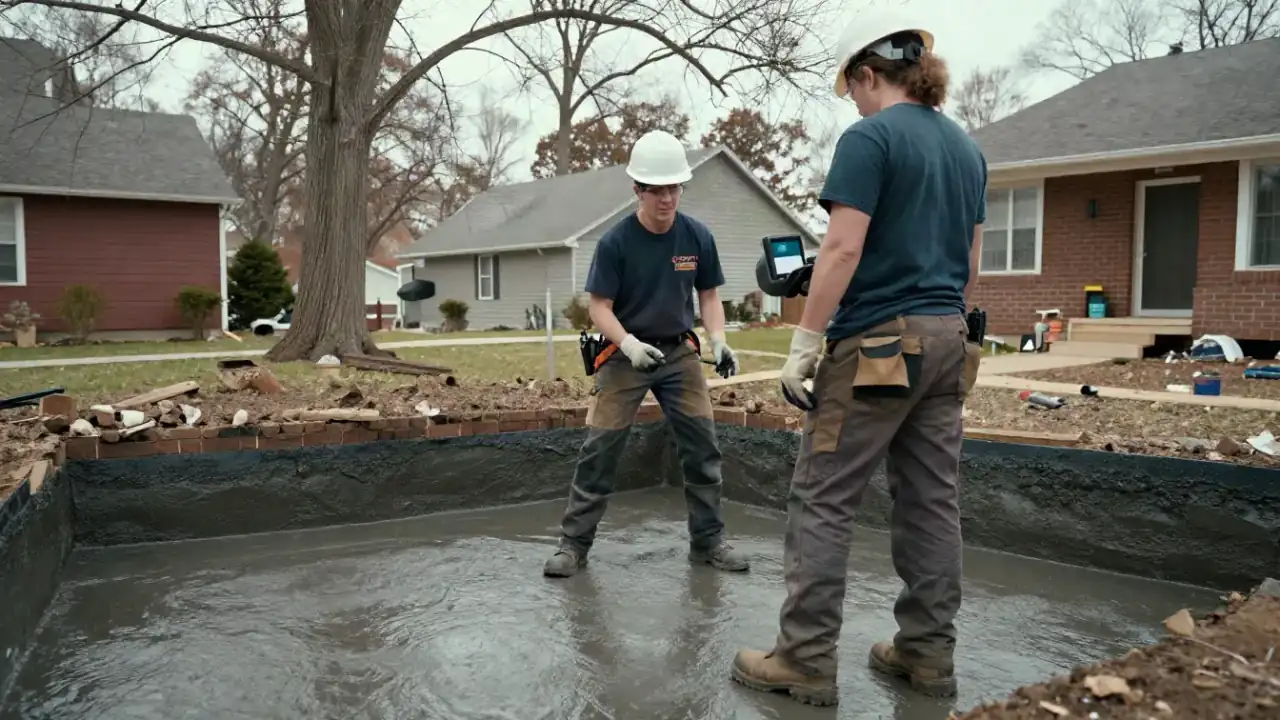
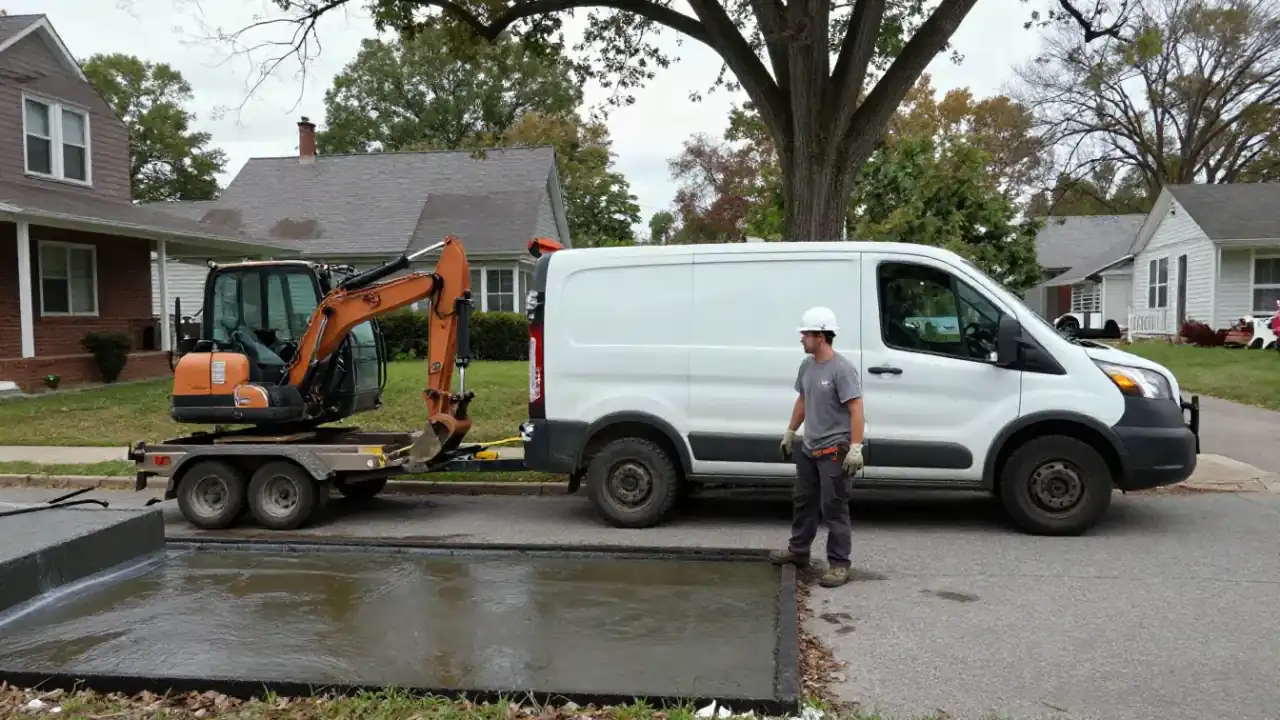
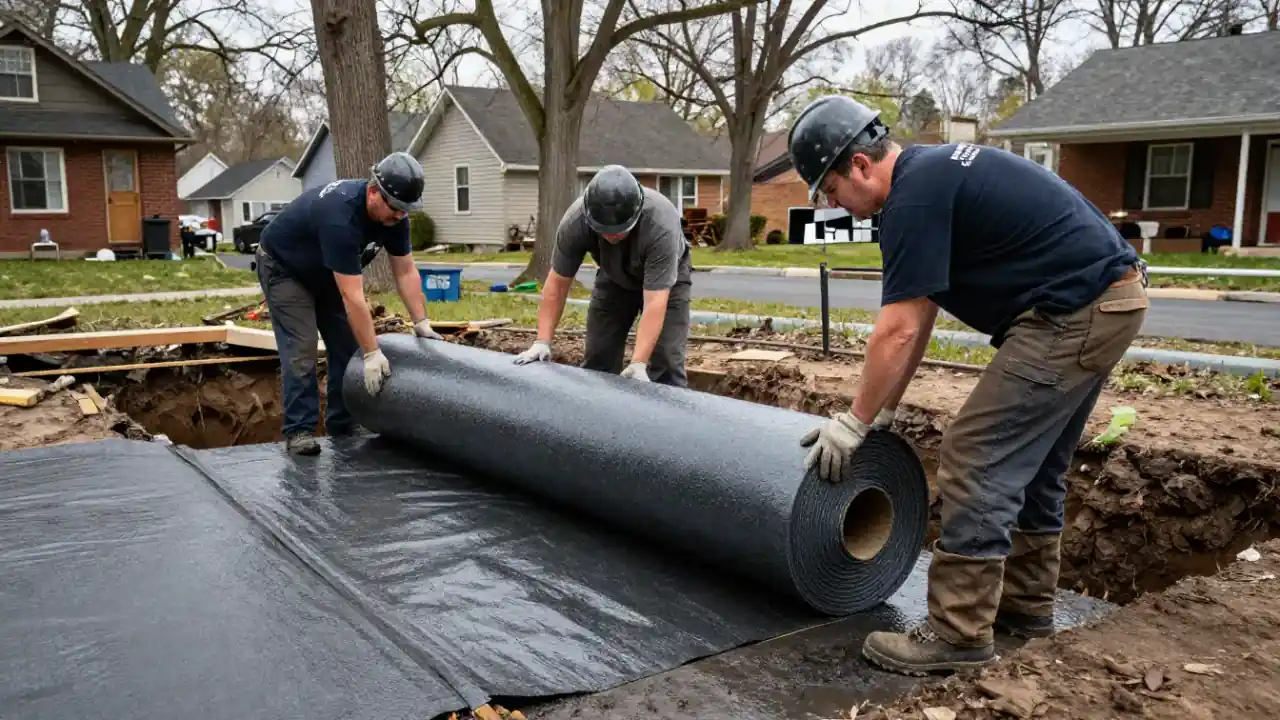
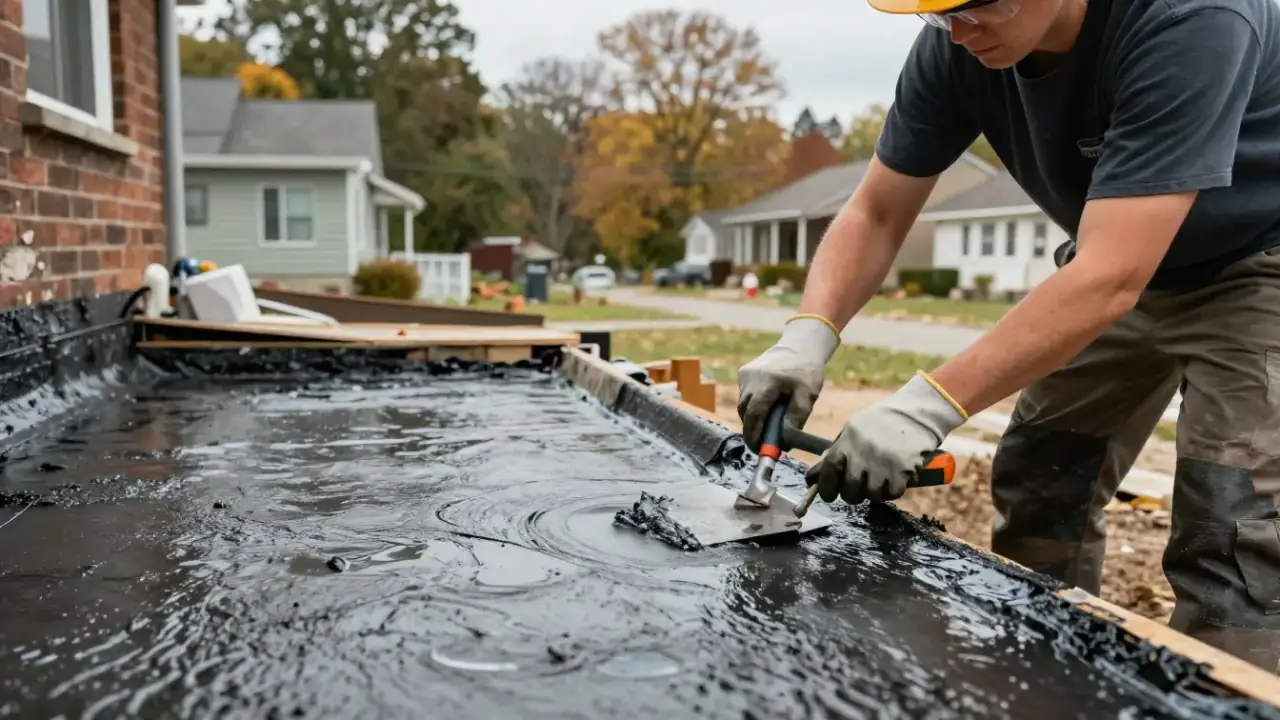
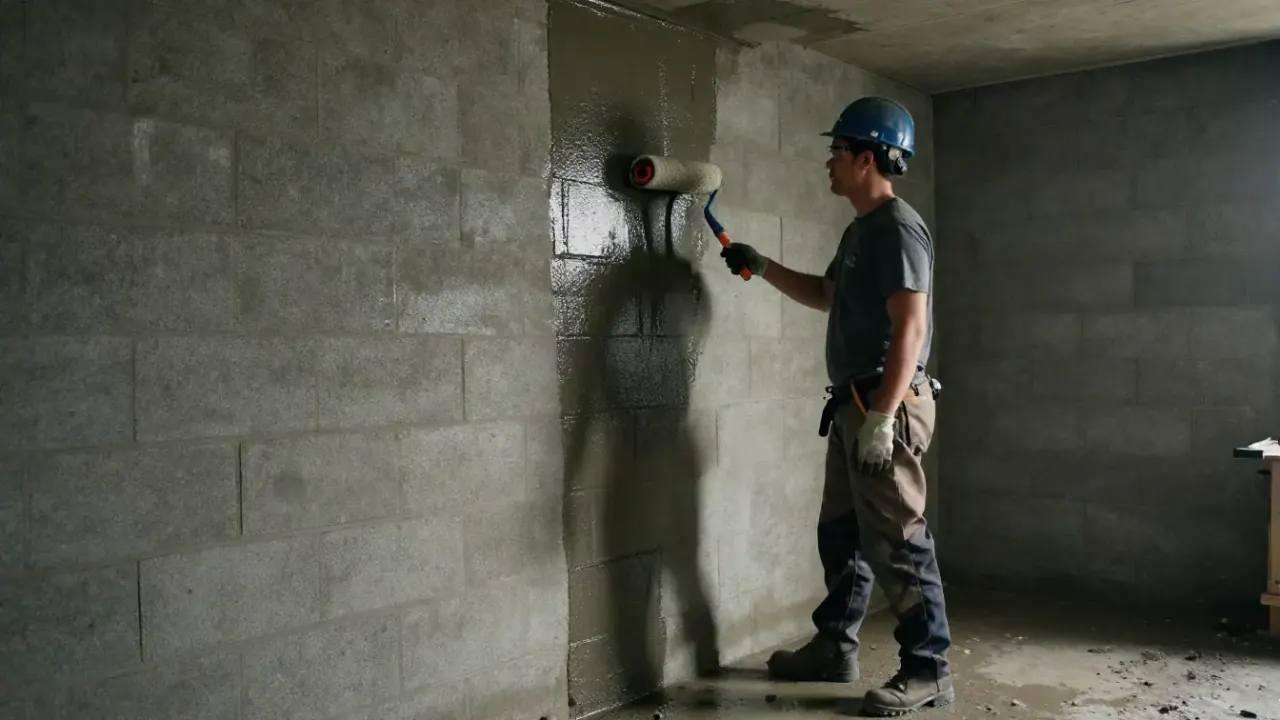
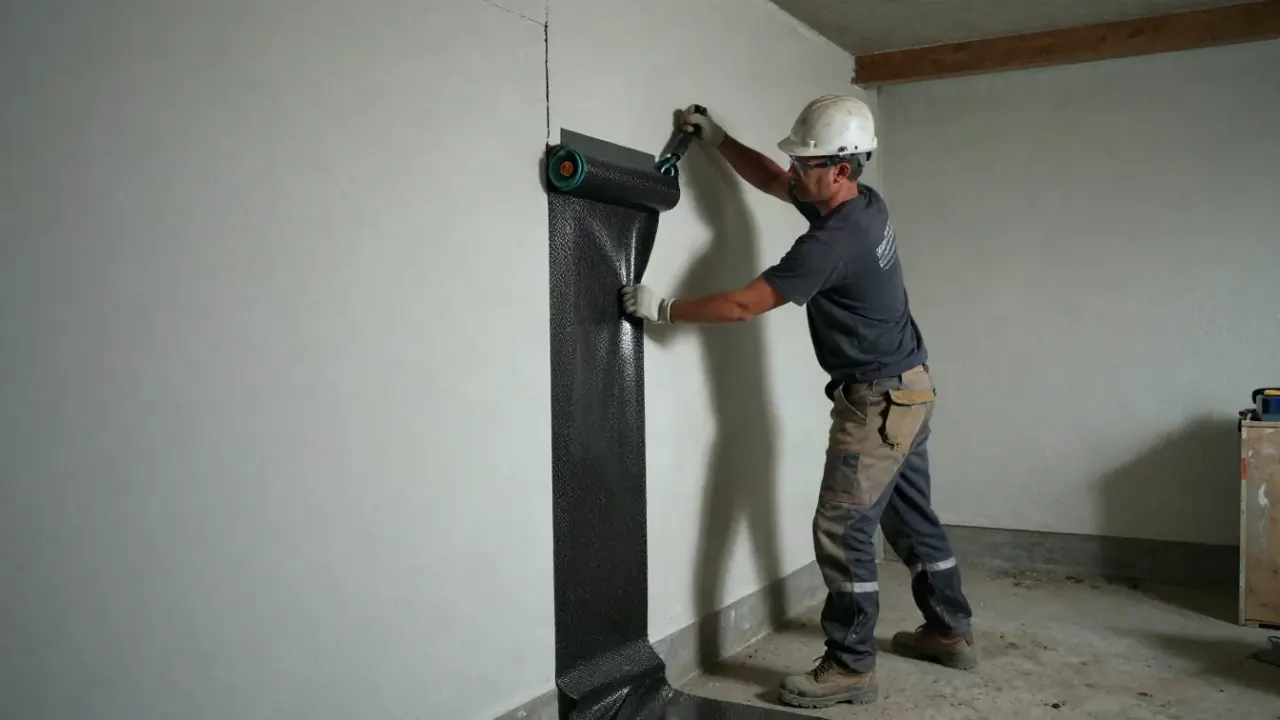
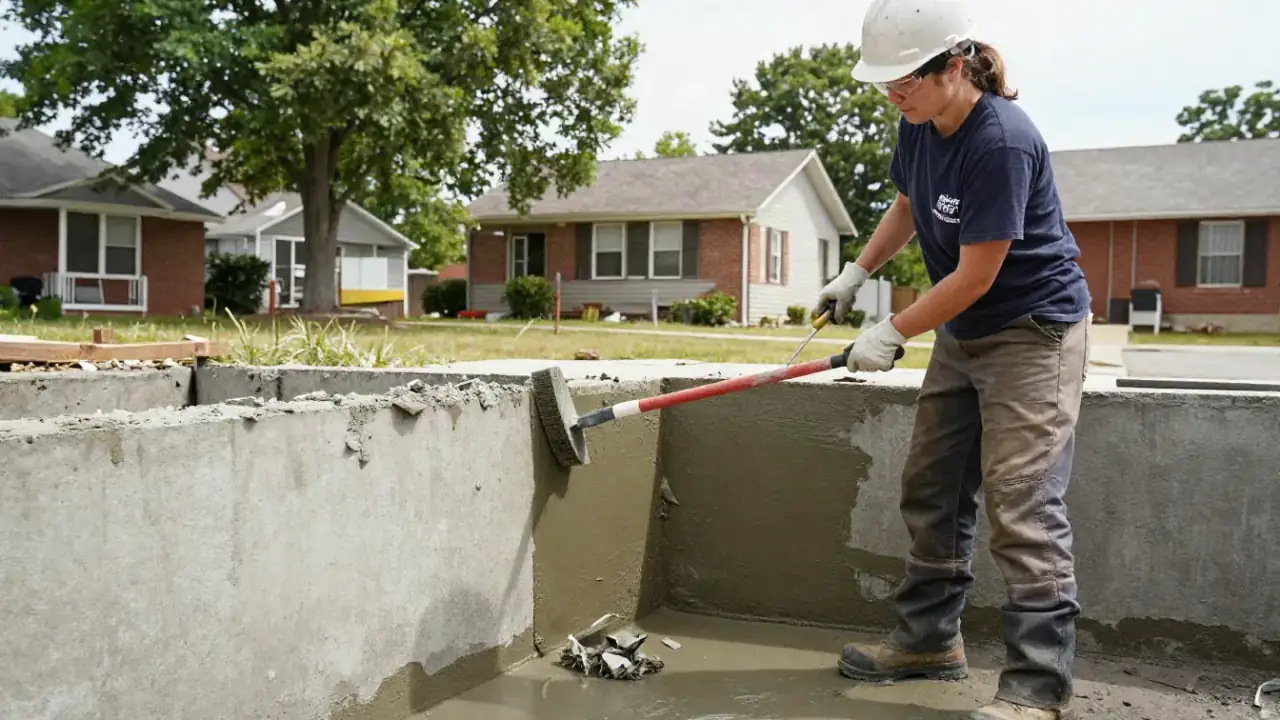
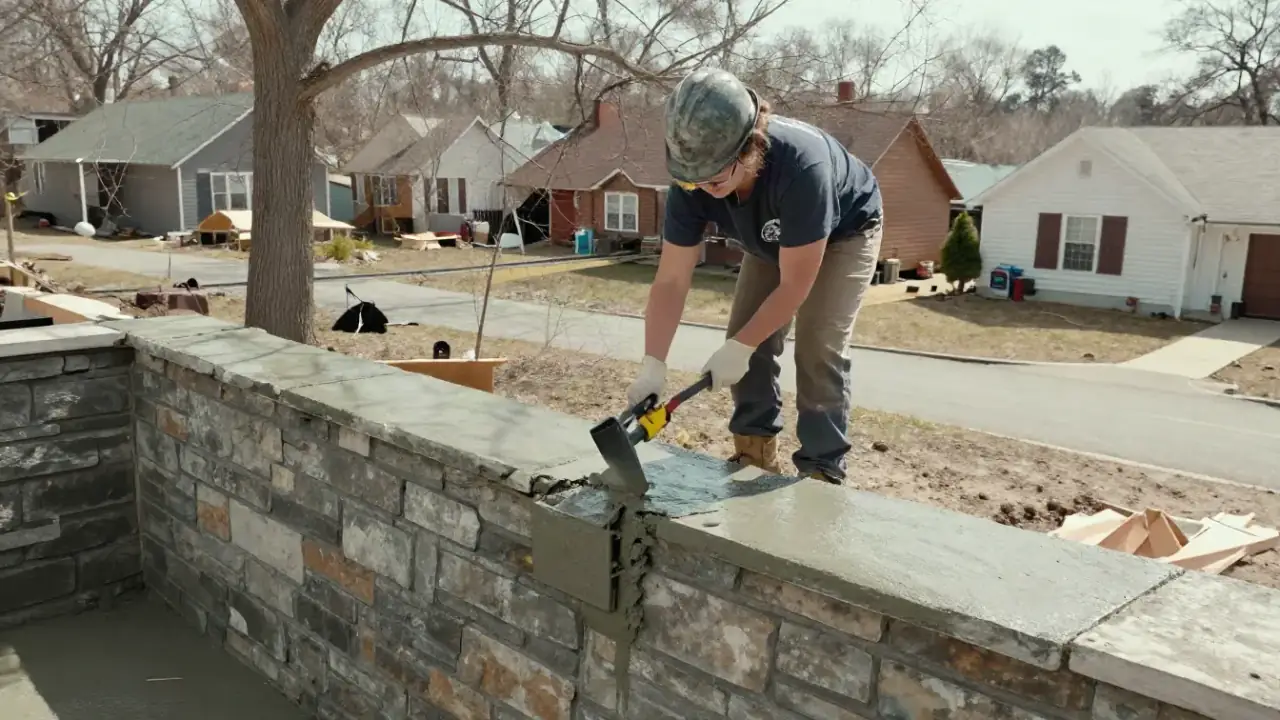
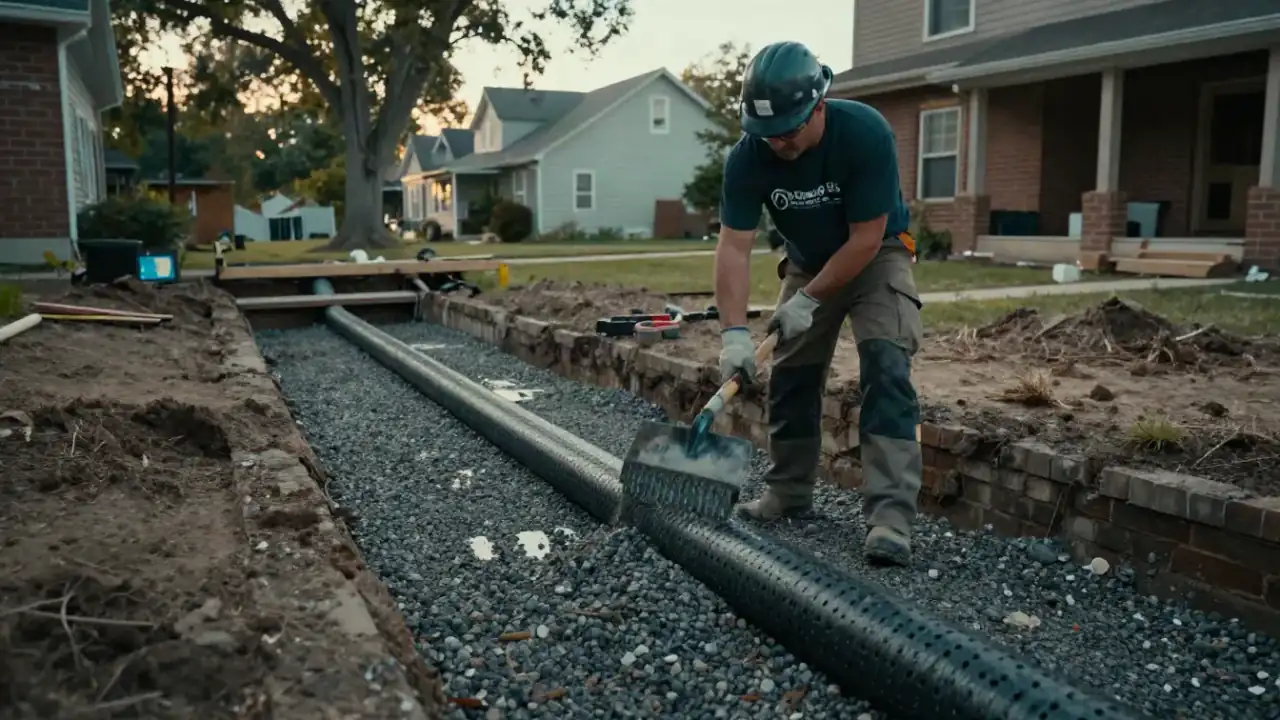
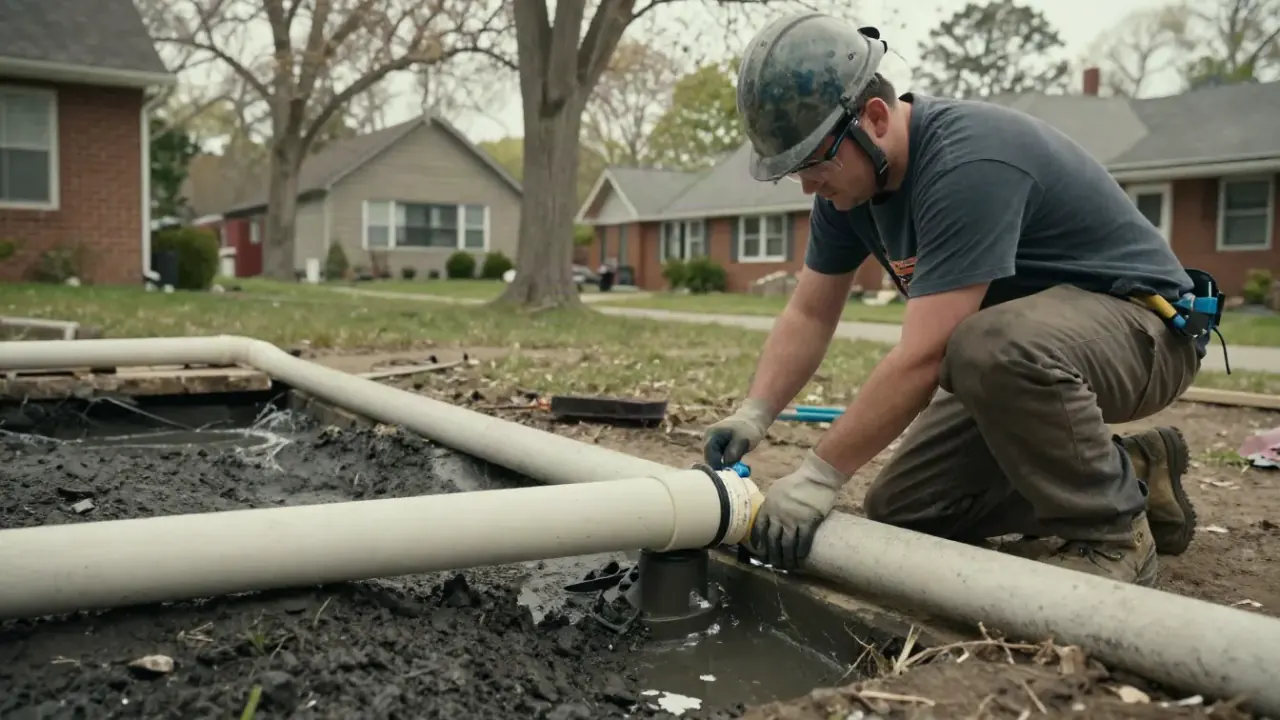
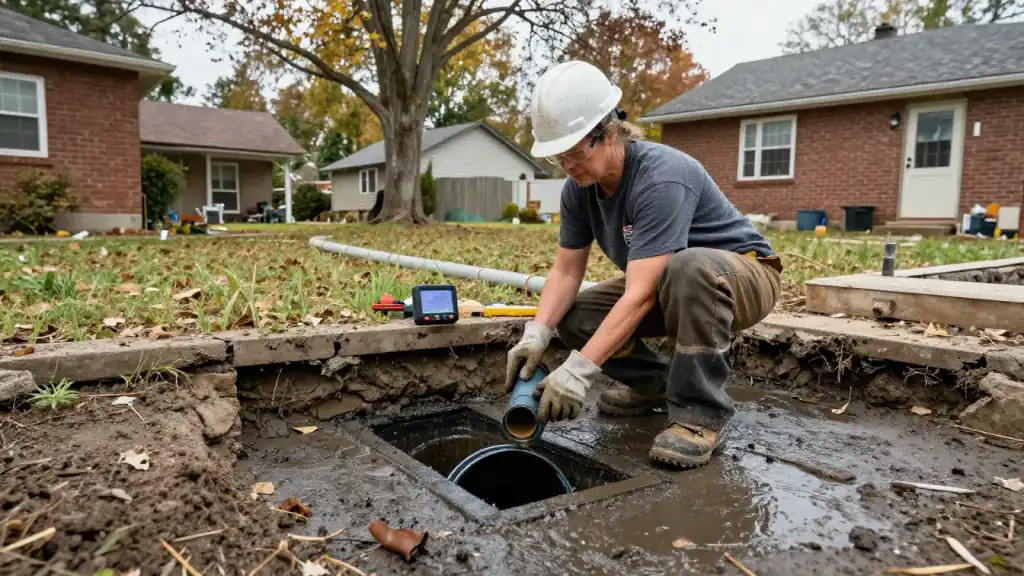
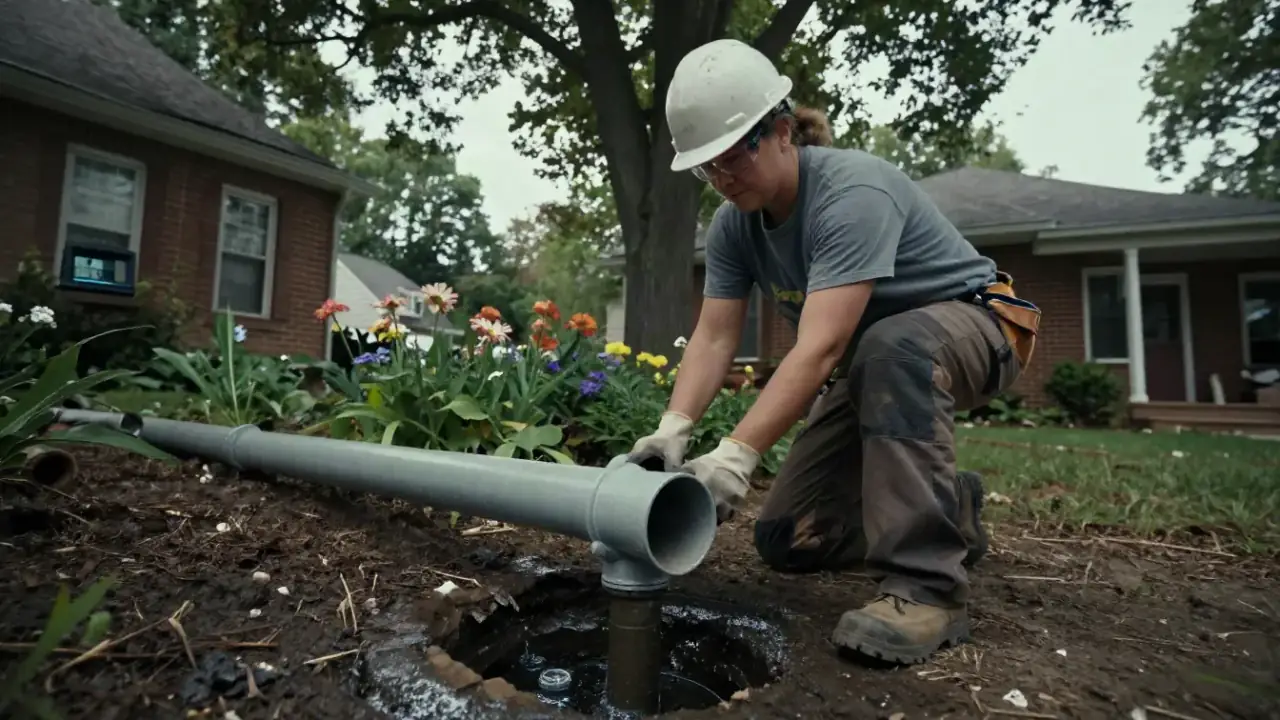
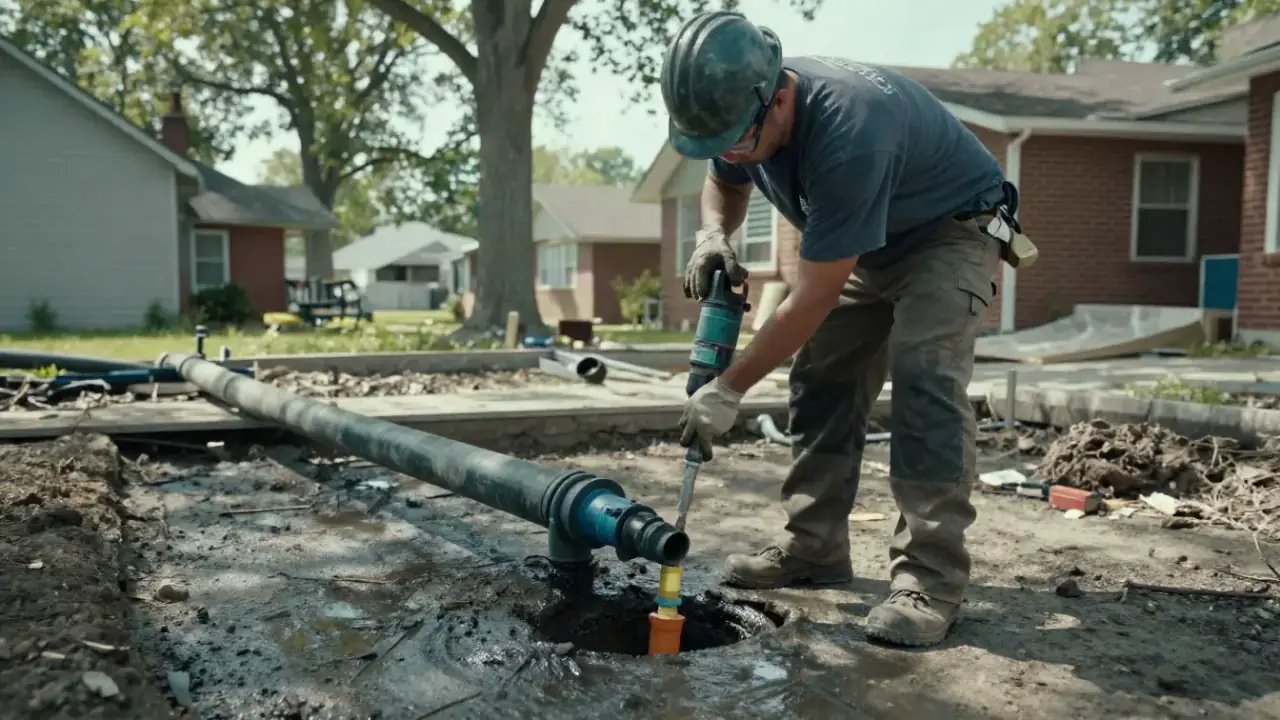
Protect work areaCover nearby finishes before repair.
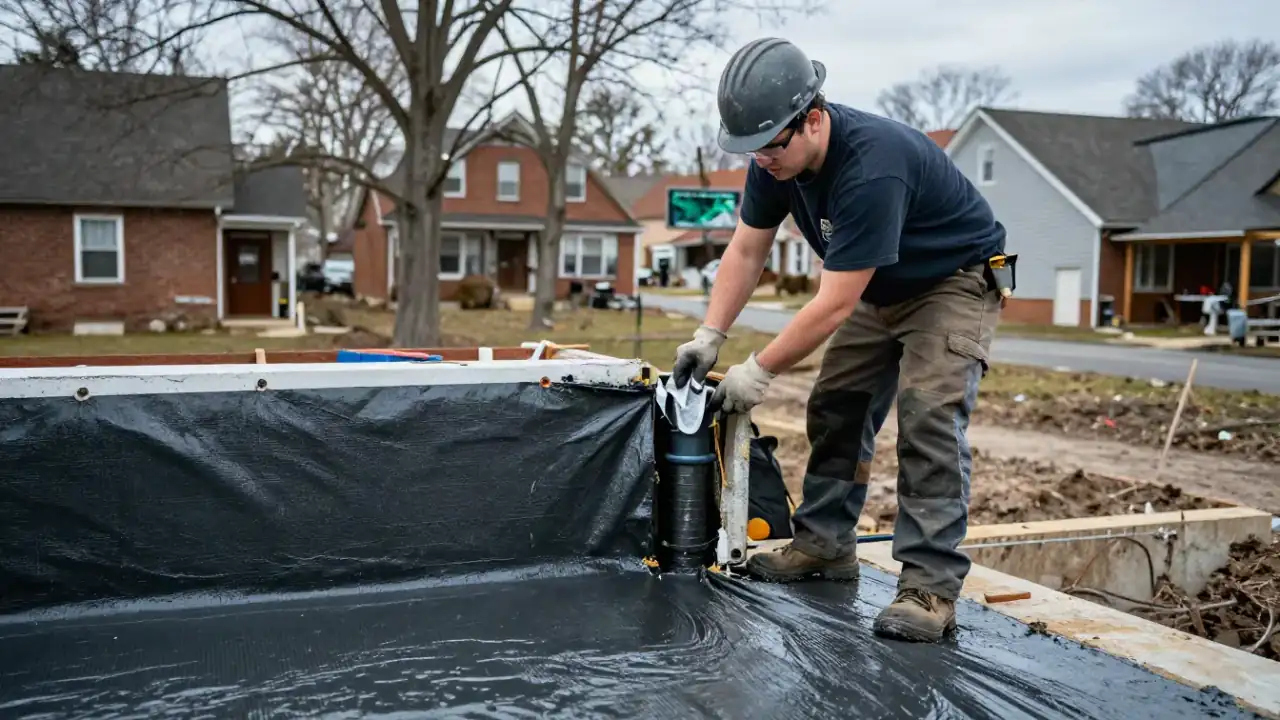
Trace water routeCheck walls, windows, and runoff.
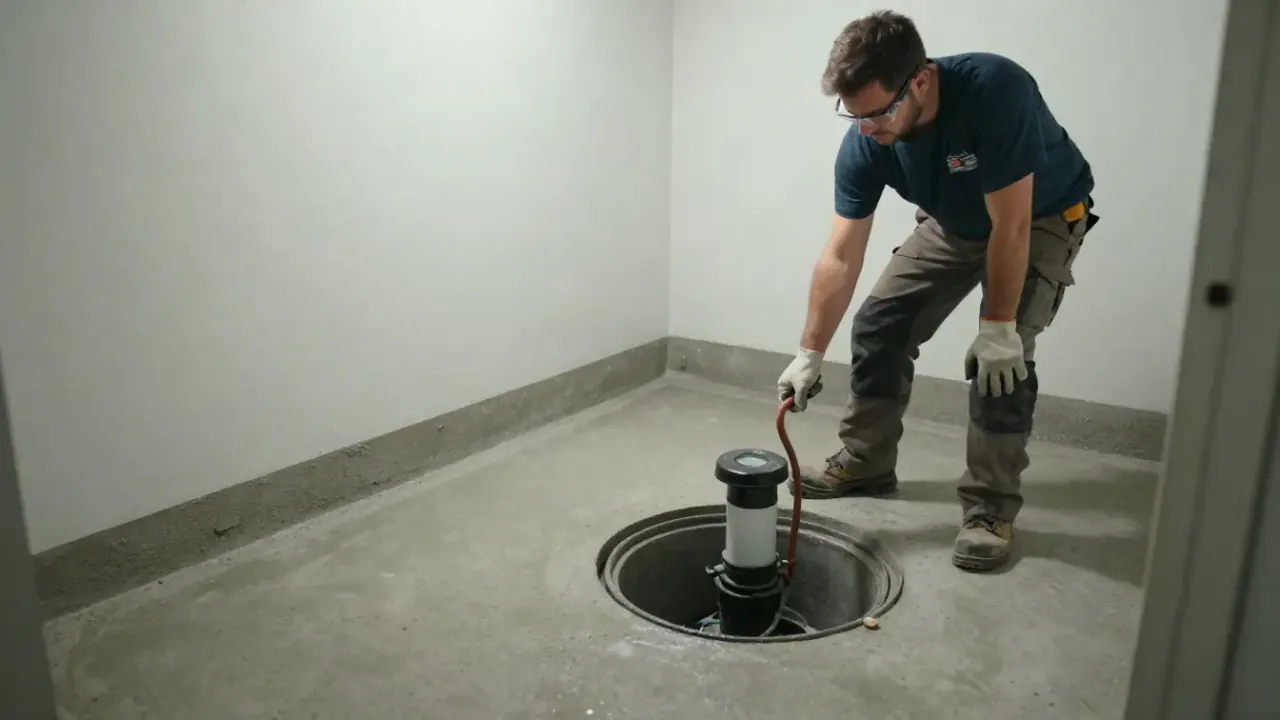
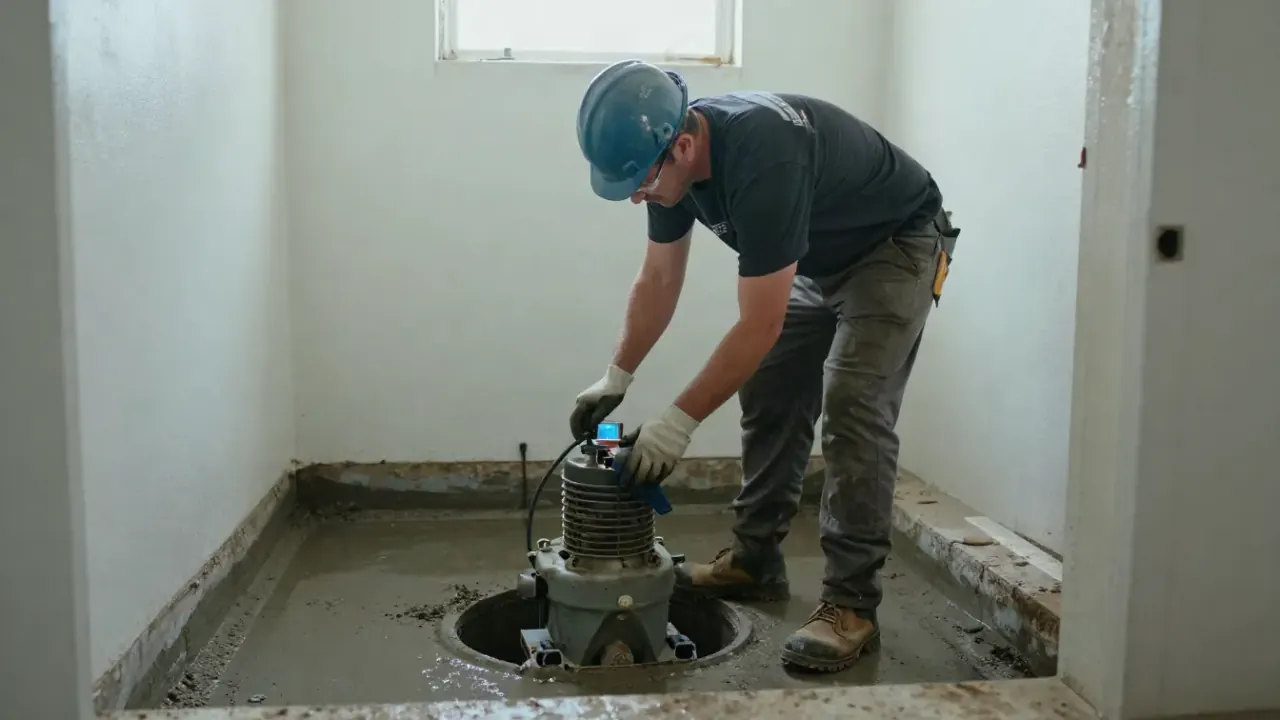
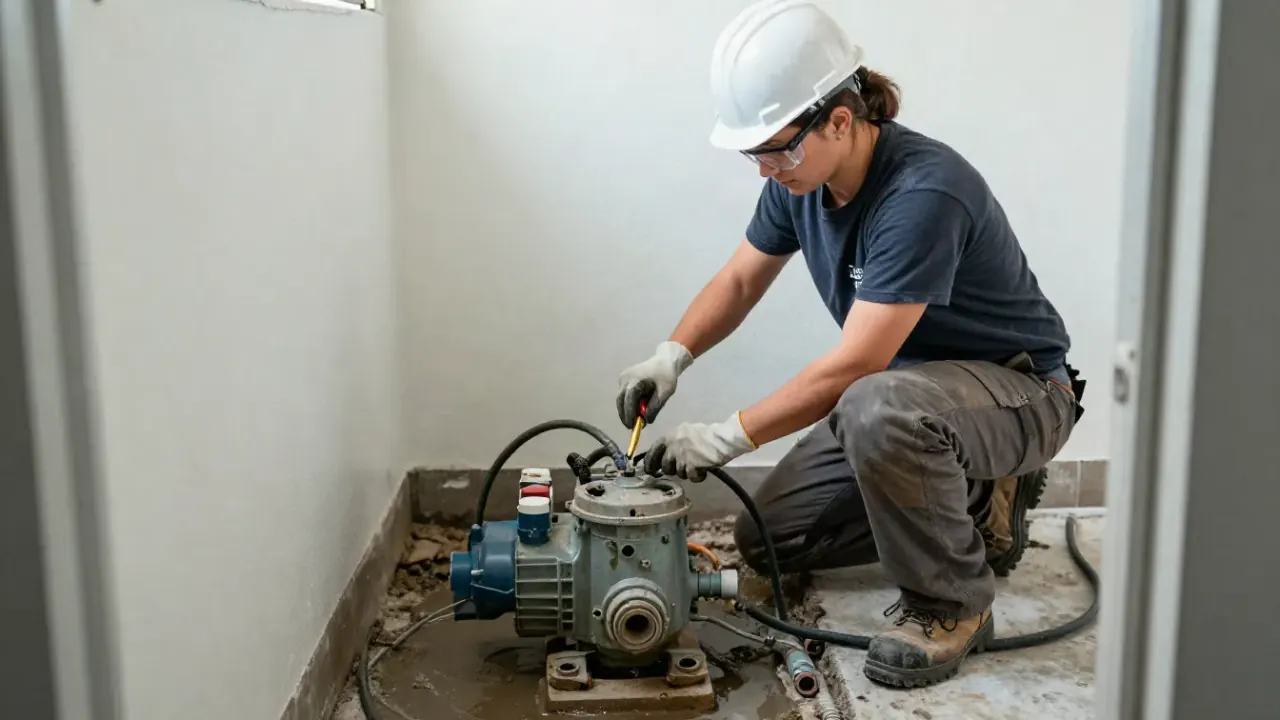
Test pump functionObserve float and discharge operation.
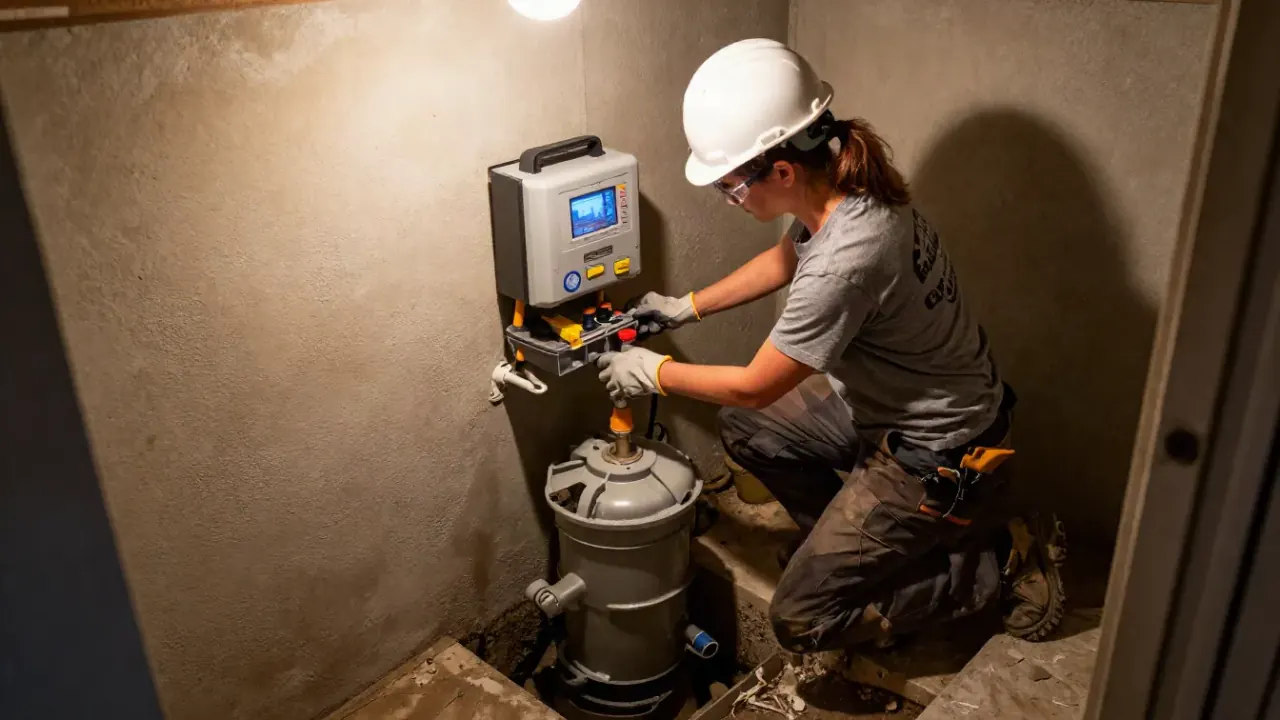
Explain repair stepsReview findings before work starts.
What wet basement repair includes
Wet basement repair covers diagnosis and corrective work for identified water entry, such as a leaking crack, failed pump, drainage issue, or window well leak. The exact work depends on the source, access, and affected area. We explain any related work separately, including broad excavation, extensive finish removal, or additional moisture control, so you understand what the repair addresses and what requires a different service.
Source inspection
We inspect the basement and relevant exterior areas for active leaks, water stains, damp joints, window well problems, and drainage clues. We also review sump operation and discharge routing. You get an explanation connecting the observed symptoms to likely water entry rather than a recommendation based only on a stain.
Targeted leak repair
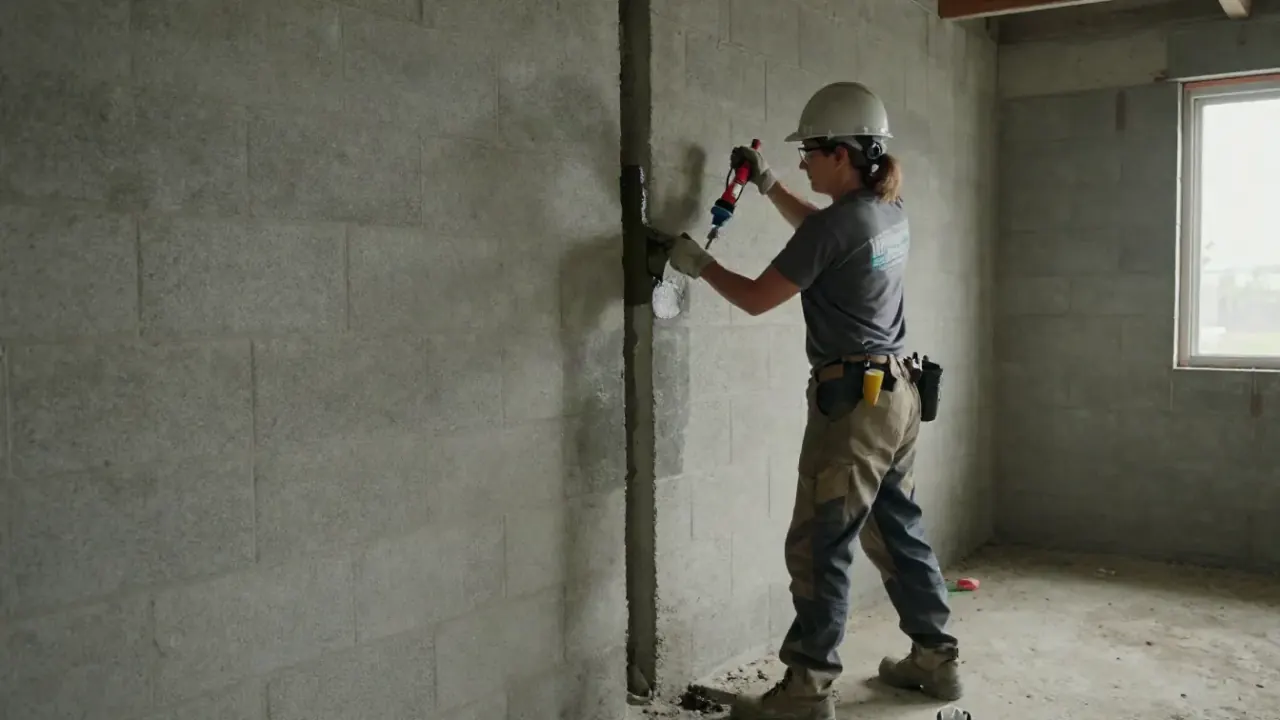
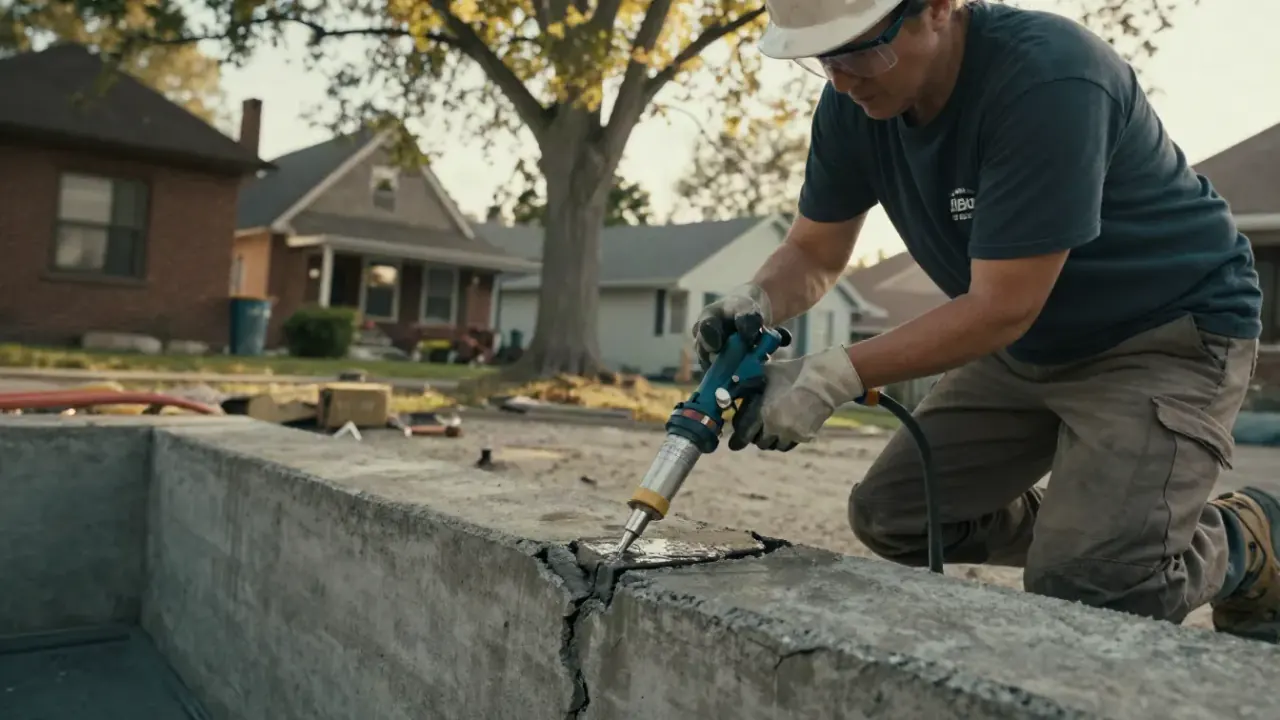
For a suitable foundation crack or opening, we prepare the affected area and use a repair method matched to the leak. The method may include injection or compatible patching. We explain whether the work addresses the opening itself, the water pressure, or both, so expectations are clear.
Water removal coordination
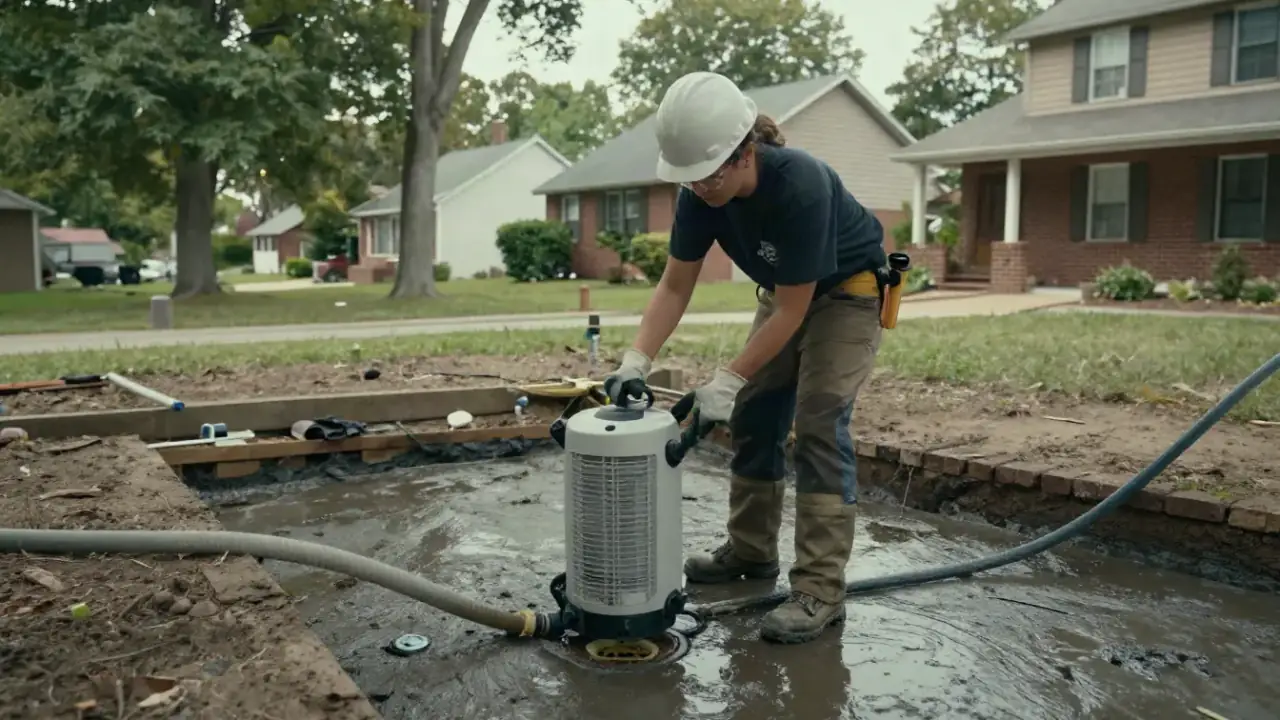
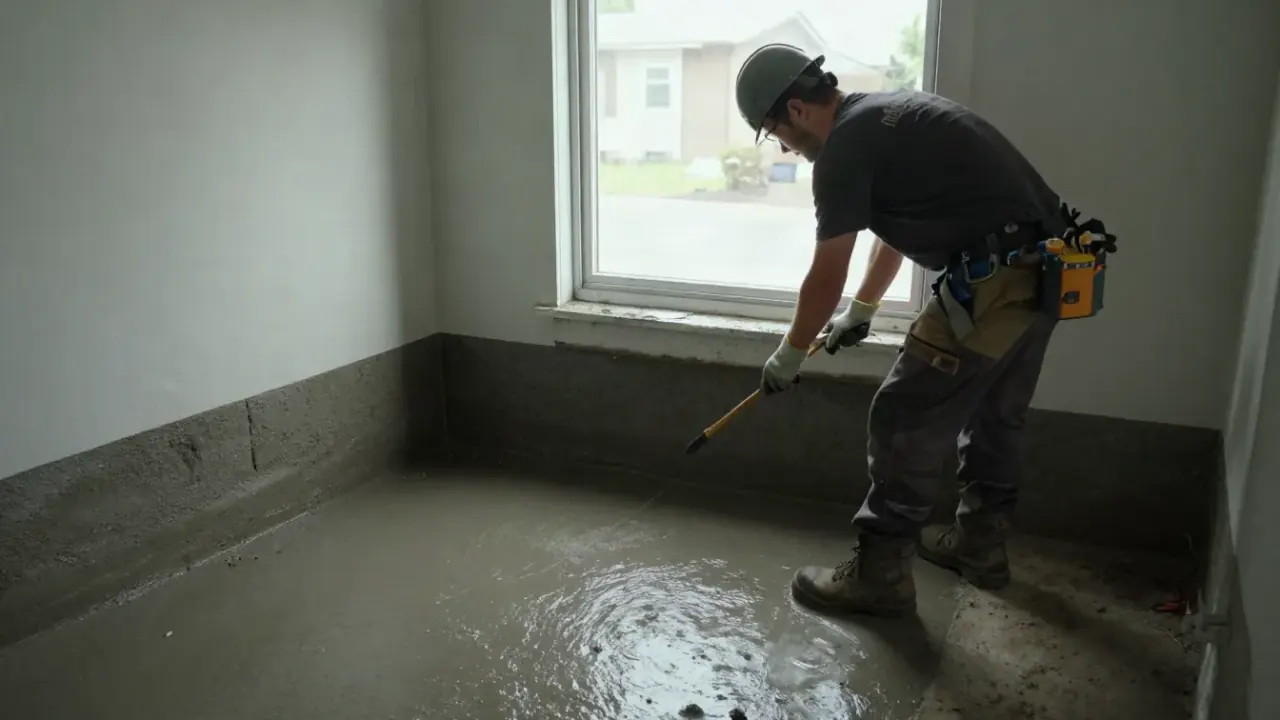
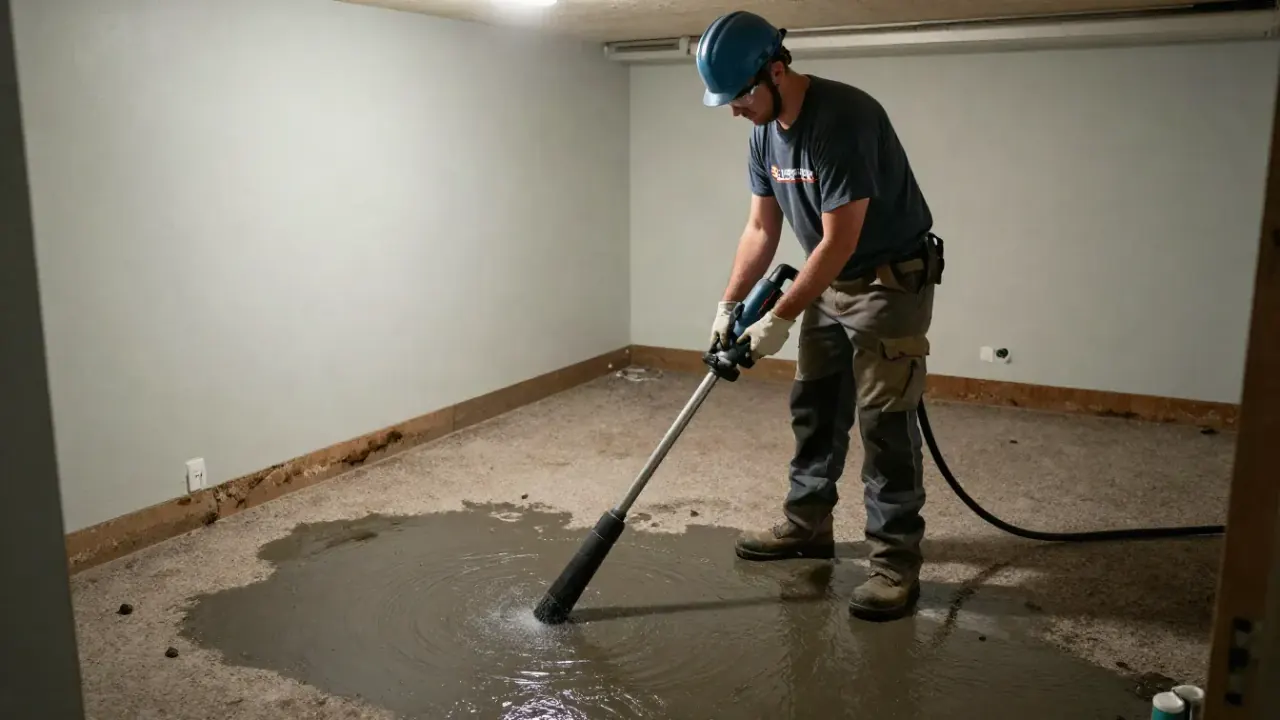
Where standing water is present, we remove it using equipment appropriate to depth and access, then identify what allowed it in. Removing water is an immediate step, not a substitute for repairing a failed pump or drainage route. We review the affected floor and nearby materials before discussing drying.
Drainage and pump checks
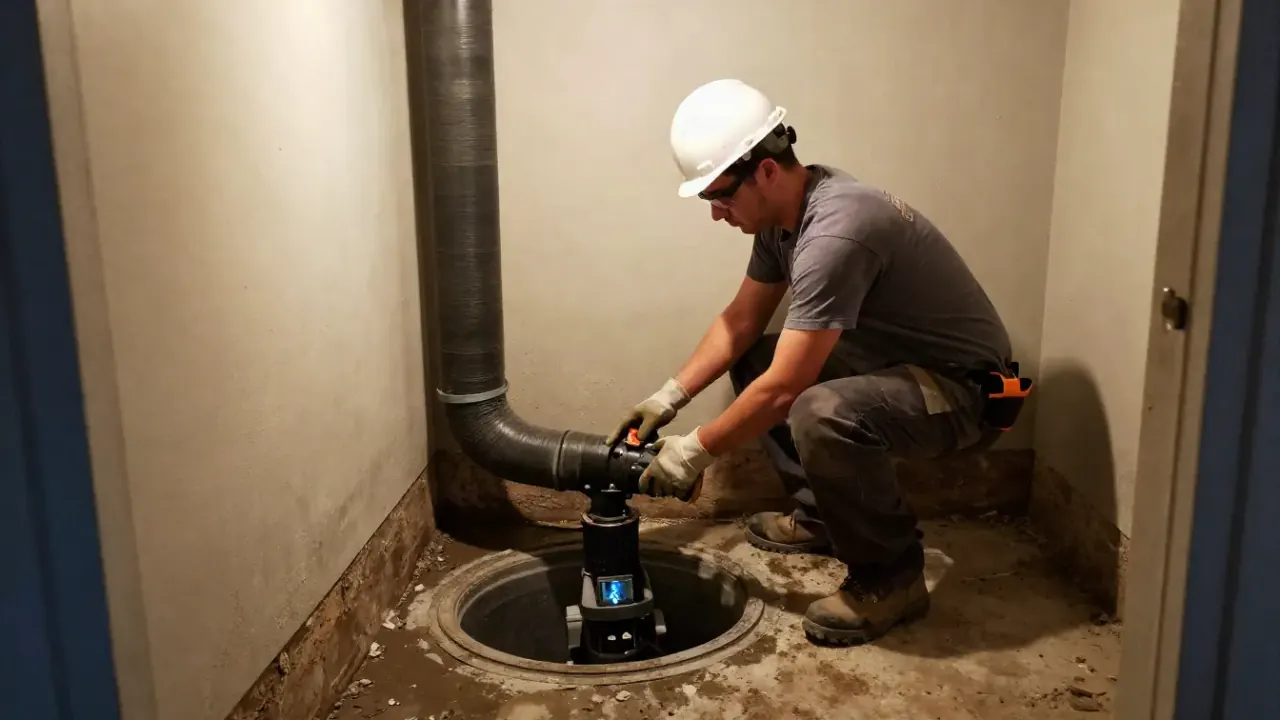
We examine the sump basin, pump response, and discharge route, along with interior or exterior drainage components relevant to the leak. A clogged or poorly routed discharge can return water to the foundation. We explain what we find and whether repair, adjustment, or installation is appropriate.
Completion walkthrough
After the work, we review the repaired area or system with you and explain how it handles water. We point out practical checks, such as listening for normal pump cycling and keeping discharge outlets clear. You can ask questions about the next heavy rain and what signs merit a follow-up.
Homes and businesses.
The approach is the same for a home and a business. What changes is the access, the schedule and who needs the paperwork.
Homes and rentals
We help homeowners and tenants identify basement seepage, pump trouble, and damp finishes. You can show us where water appears and what changed after rain.
Wet carpet beside a foundation wall
Sump pump not cycling correctly
Water below a basement window
Business properties
We inspect basements and below-grade spaces for leaks that affect storage, equipment, or tenant areas. Property managers can share access needs and water history.
Damp storage room after storms
Recurring water near mechanical equipment
Tenant reports of musty basement odors
Wet basement repair Warren OH: the work
A plain-language look at what Wet Basement Repair involves and when it is needed.
wet basement repair Warren OH is a foundation and drainage service that identifies water entry and corrects the path or defect causing a basement to get wet. We check walls, floor joints, windows, grading, downspouts, and the sump system rather than sealing a visible stain without finding its source. Depending on the inspection, the repair may involve crack injection, interior drainage, a sump pump, or exterior water management. We use moisture readings and visible water patterns to distinguish active seepage from older staining, then explain what the proposed work addresses.
Warren properties face wet basements after sustained rain, snowmelt, or repeated freeze-thaw cycles, especially where surface water collects beside a foundation. basement water removal Warren customers need after flooding addresses standing water first; lasting repair then deals with the entry route and drying. A failed pump, clogged downspout, window well leak, or hydrostatic pressure can each produce similar symptoms. If you are asking who fixes wet basements in Warren Ohio, our team begins with a site inspection and follows the evidence rather than guessing from a single damp patch.
A lasting repair follows the water to its entry point and corrects the route.
What it covers
Inspection and repair of basement water entry, drainage faults, or pump problems.
When to call
Water stains, active seepage, standing water, or repeated dampness need investigation.
What happens
We trace the source, perform the selected repair, and review the result with you.
What to expect during repairs
Wet basement repair Warren OH follows a practical sequence: identify the water route, choose the repair, protect the work area, and verify the system. A focused inspection often takes 60 to 90 minutes; repair time ranges from a few hours for a small crack to several days for extensive drainage or excavation. We explain the steps before work starts and keep you informed as the site changes.
Inspect water paths
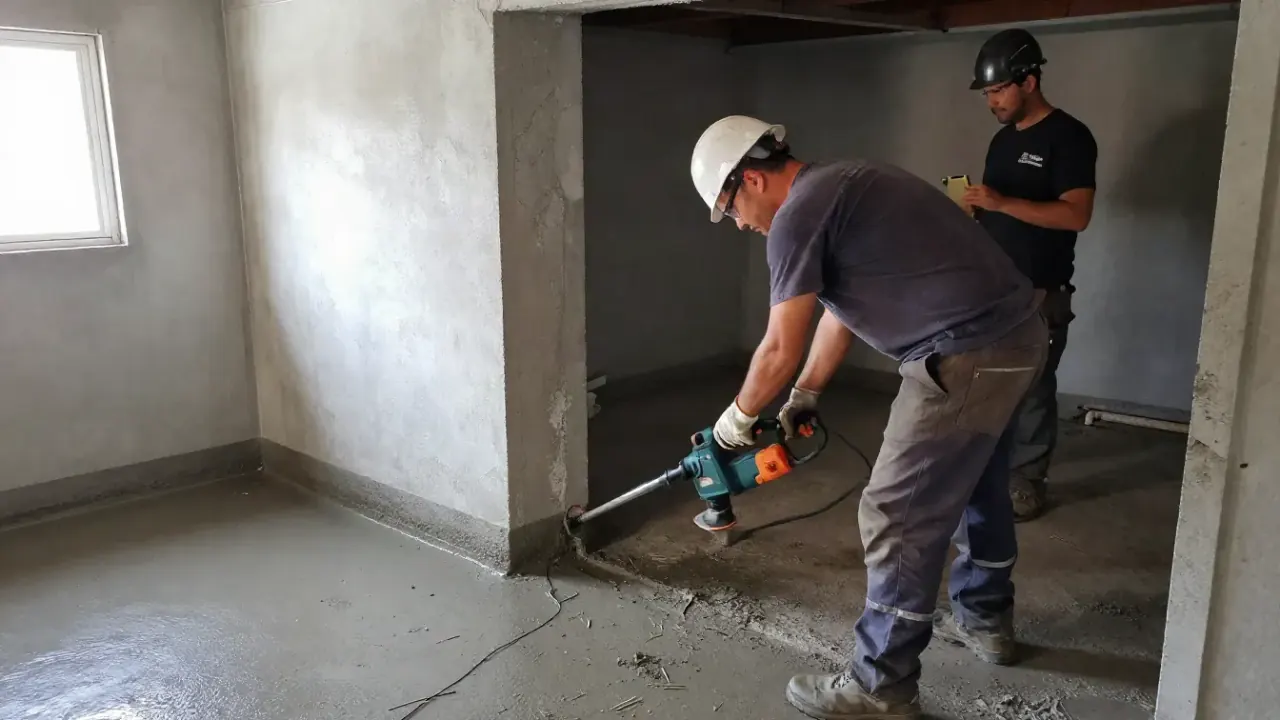
We walk the basement with you, note where water appears, and check walls, floor joints, windows, grading, downspouts, and pump operation. A moisture meter can help compare damp areas with dry surfaces. You can point out whether seepage follows heavy rain, snowmelt, or pump failure. This first visit usually takes 60 to 90 minutes, depending on basement size and access.
Walk-through
Moisture check
Water history
Pinpoint the cause
We connect visible evidence to likely causes rather than treating every wet spot alike. A crack that leaks under pressure calls for a different fix than water entering over a window well or backing up through a failed drain tile. We check discharge routing and look for hydrostatic pressure clues, then explain which observations support the recommended repair.
Trace source
Check drainage
Explain findings
Prepare the work area
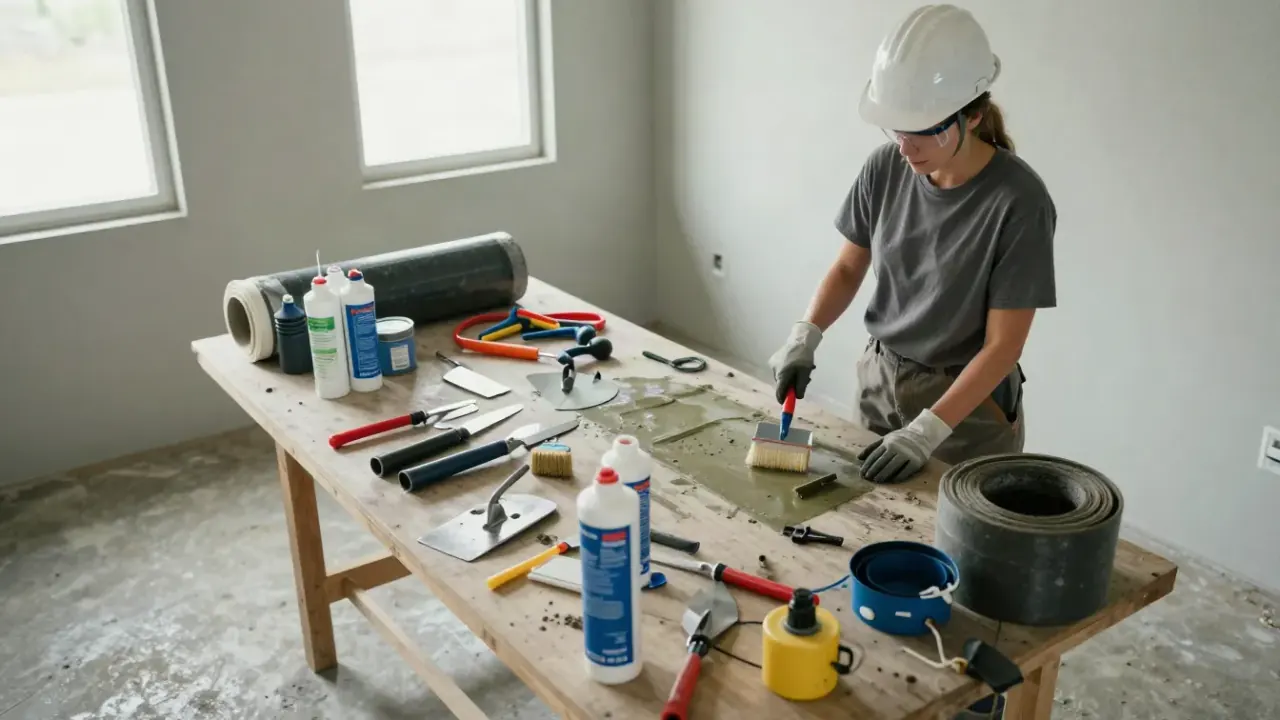
Before repair, we identify furniture, stored goods, floor coverings, and utilities near the work zone. We cover or move items with your direction and use suitable equipment for water or debris. If pumping is needed, a wet/dry vacuum handles shallow standing water while a submersible sump pump serves deeper collection. Work area setup is tailored to the access and repair type.
Protect area
Set equipment
Clear access
Complete the repair
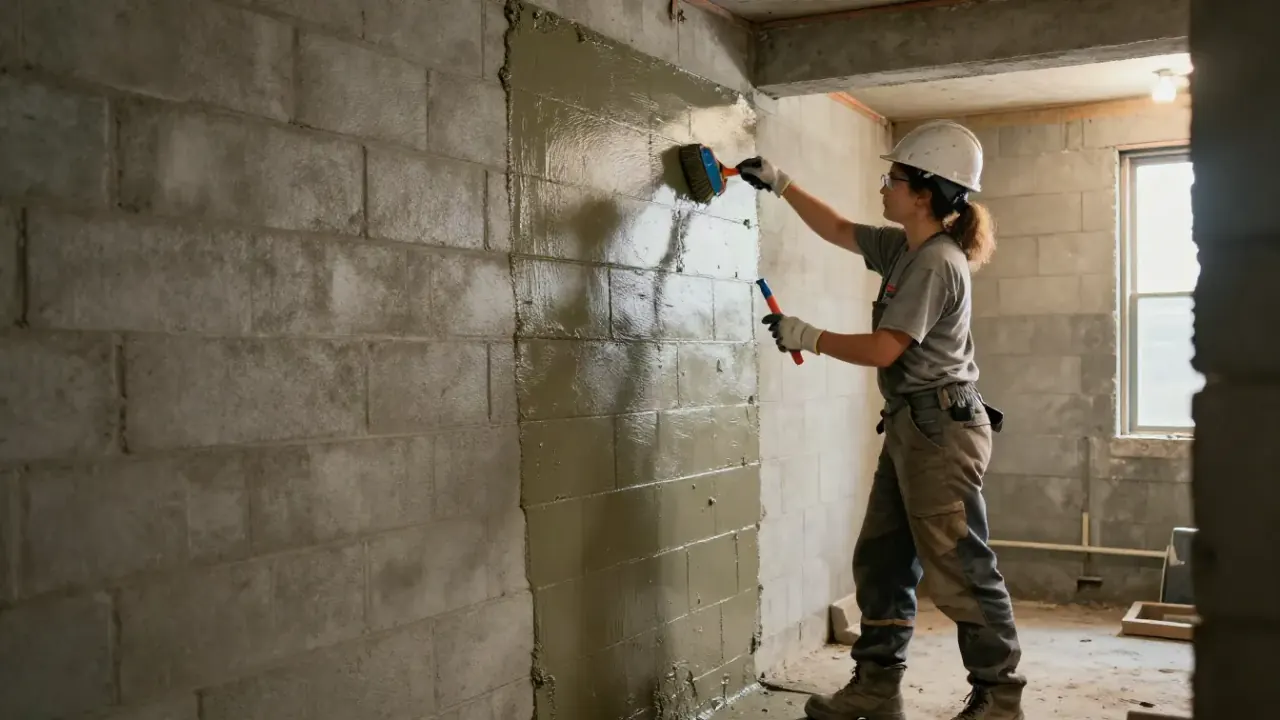
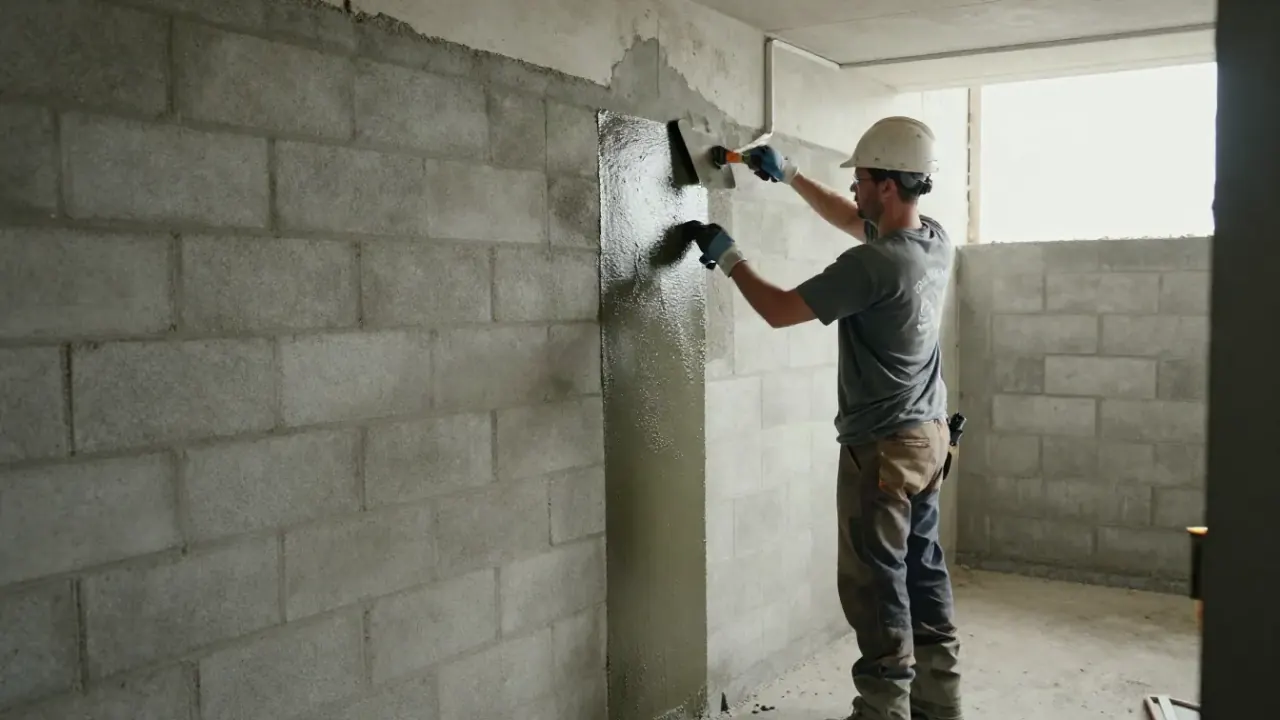
Our crew performs the agreed repair, such as sealing a crack, installing interior drainage, correcting discharge routing, or replacing a failed pump. A small crack repair can take several hours; drainage installation often takes one to three days, with excavation taking longer. We keep the work focused on the diagnosed route and maintain access to essential household areas where possible.
Repair defect
Route water
Check system
Test and explain
We run the pump or inspect the repaired area, check that discharge moves away from the foundation, and review what we changed. You receive practical care notes, including keeping downspouts clear and watching the repaired location during the next heavy rain. If the work includes drainage, we explain the system's collection and discharge path before leaving.
Test operation
Review work
Share care notes
Tools and repair methods
Move across a circle, or focus it and press Enter, for an illustrative thermal view of the photograph.
Moisture meter
We compare damp and dry areas to map moisture beyond visible stains. Readings help guide inspection and drying discussions, but the meter is interpreted alongside the leak path and building materials.
Submersible sump pump
A submersible sump pump removes collected water from a basin. We check its condition, float response, and discharge route, then use suitable pumping equipment when water depth requires it.
Wet/dry vacuum
A wet/dry vacuum removes shallow standing water from accessible floor areas and corners. It supports cleanup after the source is addressed but does not correct a leak or failed drainage system.
Crack injection port kit
Injection ports help deliver repair material into an appropriate foundation crack. We prepare the surface and select resin or foam based on crack conditions and water behavior.
Zoeller sump pump
We assess pump options, including Zoeller equipment, against basin size, expected water load, and discharge layout. Brand selection follows system needs rather than replacing diagnosis.
Thermal views are illustrative, generated from the photographs.
Methods
Crack injection repair
We prepare the crack and place injection ports where the condition supports that method, then introduce suitable epoxy injection resin or polyurethane injection foam. The material choice depends on whether the goal is structural bonding or stopping active water. We inspect the repaired area and explain what related drainage conditions could still affect the wall.
Interior drainage collection
Where water enters along the perimeter, we can install a drainage channel connected to a sump basin. The system collects seepage below the floor surface and carries it to a pump for discharge. We plan the route and access carefully, then explain how the basin and discharge work together.
Pump and discharge correction
We test the pump, float, basin, and discharge pipe as one system. A sound pump cannot move water reliably if the outlet is blocked or sends water back toward the foundation. We correct the identified fault and run an operational check before reviewing basic maintenance with you.
Exterior runoff control
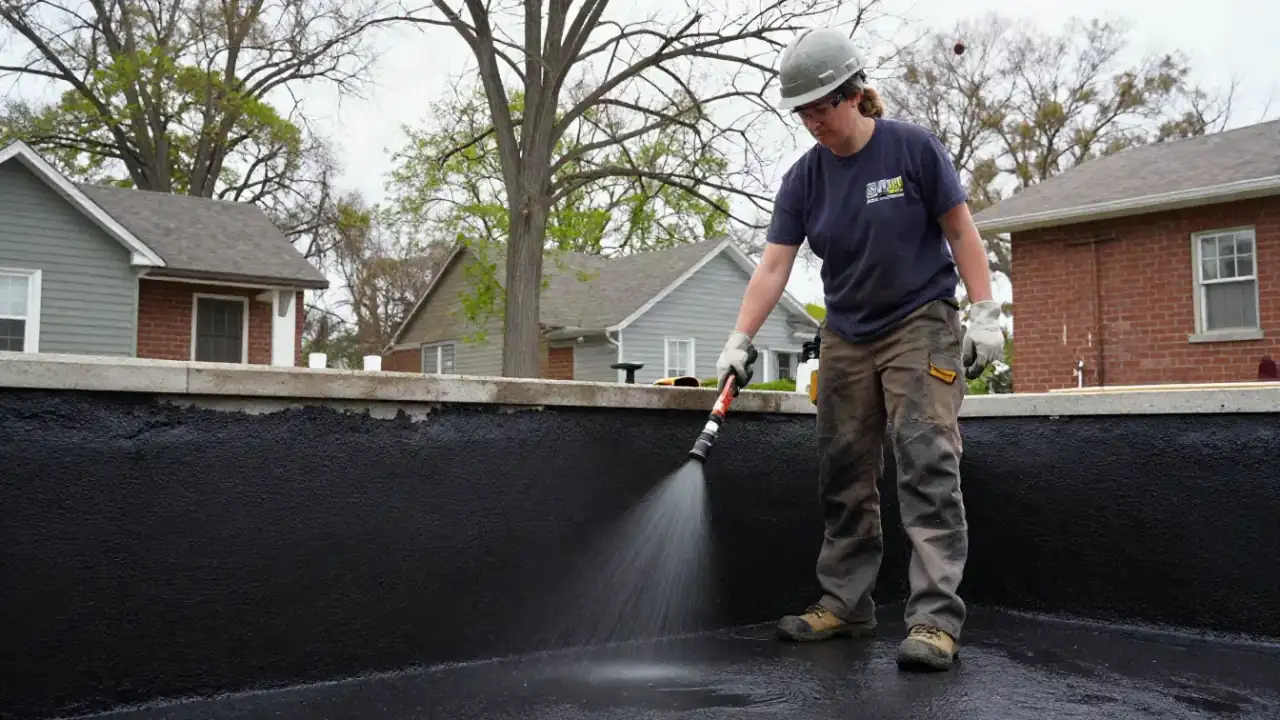
We inspect grading, downspouts, and window wells for water that collects near the foundation. A downspout extension or drainage correction may reduce the load reaching the basement. The work is selected to match the yard and discharge location, rather than sending runoff toward another part of the home.
When basement repair is needed
Rainwater seepage
A Warren homeowner sees a fresh wall stain after repeated October rain and finds wet cardboard nearby.
We inspect the stain, adjacent foundation wall, exterior grade, and downspouts to determine whether runoff or a crack is responsible. If water is actively entering, we identify the immediate route and recommend a targeted repair. We also check whether the sump and discharge can handle collected water.
Outcome: You learn what is feeding the stain and which repair changes that water path, instead of repainting and waiting for the mark to return.
Pump failure
A sump pump stops during a storm and several inches of water spread across a basement floor.
We assess the standing water, pump, power, basin, and discharge route. We remove water where appropriate, then repair or replace the failed component and test operation. If the floor or stored goods are wet, we explain the drying steps needed after the source is controlled.
Outcome: The immediate water is addressed and the pumping system is checked before the next storm puts the basement at risk again.
Window well leak
A Niles property manager receives tenant reports of musty odors and a damp corner near the window well.
We inspect the window opening and well, look for debris or poor drainage, and trace runoff toward the foundation. We repair the identified leak path and check surrounding finishes for moisture. Our team discusses whether further drying or humidity control is useful after the opening is corrected.
Outcome: The manager gets a clear cause, a focused repair, and practical signs to monitor during future rain events.
Snowmelt dampness
A homeowner finds wet carpet along the floor-wall joint after snowmelt and a thawing week.
We examine the floor joint, visible seepage, sump basin, and exterior discharge points. Where water enters along the perimeter, we discuss a suitable drainage approach and route collected water to the sump system. We also check downspouts so roof runoff is not adding unnecessary water beside the foundation.
Outcome: The repair plan addresses both the basement entry point and contributing runoff, reducing repeated dampness along the finished floor.
Wet basement repair Warren OH starts with the conditions at your property, not a generic fix. Warren and Trumbull County receive seasonal rain, winter snow, and freeze-thaw shifts that can expose cracks or push runoff toward foundations. In October, falling leaves can also clog window well drains and downspout outlets just as wetter weather begins.
Older masonry and concrete basements need different inspection and repair choices, so we check wall material, joint condition, and previous patches before selecting a method. For wet basement solutions Warren Ohio homeowners need, we assess the sump system, grading, and water entry together.
We serve Warren ZIP codes 44483, 44484, and 44485, and follow applicable Ohio Residential Building Code requirements for work within their scope. We also consider access and discharge placement so drainage moves water away from the foundation rather than toward a neighbor or another low spot.
Downtown Warren: Older homes and mixed-use buildings can have masonry foundations and finished basements. We inspect prior patches and wall-floor joints before deciding whether a crack repair or drainage change fits.
Howland Township area: Sloped lots and roof runoff can concentrate water beside basement walls. We check downspout outlets and yard flow along with interior damp spots.
Northwest Warren: Basement windows and window wells can collect leaves during fall storms. We inspect covers, well drainage, and surrounding grade when leaks appear near an opening.
South Warren: Properties with finished lower levels need careful checks around carpet, trim, and stored items. We locate the wet area and trace the source before discussing finish work.
Heavy autumn rain and leaf-clogged window well drains: Water can collect quickly at below-grade windows when leaves block drainage. We inspect the well and nearby grading, then correct the entry route so runoff does not keep reaching the opening.
Freeze-thaw movement around foundation cracks: Repeated temperature shifts can stress existing cracks and open small pathways for seepage. We check the crack condition and surrounding drainage before selecting injection, patching, or a broader water-control repair.
Walk through the wet area and discuss when water appears.
Protect nearby belongings and prepare access to the repair location.
Check the repaired area or system and explain follow-up observations.
From problem to finished result.
IllustrativeThe thermal view is generated from the photograph. It is not a measurement. Drag the handle, or use the arrow keys once it is focused.
Recurring wall crack seepage
Before: A Warren homeowner had a narrow foundation crack that leaked after heavy rain. Water tracked down the wall and dampened a strip of carpet, while a previous surface patch had begun to peel. The basement smelled musty for days after each storm, and the homeowner could not tell whether the crack or a nearby downspout was contributing.
After: We inspected the crack and exterior runoff, then repaired the opening with a method suited to its condition and redirected the nearby downspout. The visible seepage stopped during the next rain check, and the carpet edge dried after cleanup. We explained how to inspect the wall and discharge outlet after substantial storms.
Keep the downspout outlet clear and pointed away from the foundation. Check the repaired area after heavy rain and note any new dampness or movement so it can be assessed promptly.
Failed sump during a storm
Before: A basement sump pump stopped during a prolonged storm, leaving water across a section of concrete floor. Storage boxes were wet, and the pump motor made noise without moving water through the discharge line. The owner was unsure whether the pump, float, or blocked outlet had failed.
After: We removed standing water, checked the float and discharge, and replaced the failed pump after confirming the fault. The new system moved water through the discharge route during testing. The owner received a walkthrough of normal cycling and learned how to check the basin before rainy periods.
Keep the sump basin clear, test the pump periodically by adding water, and inspect the outlet for blockage. Listen for unusual cycling and address a pump that runs without lowering the basin level.
Window well overflow
Before: A Niles basement developed a wet patch below a window after several rainy days. Leaves had gathered in the well, and runoff pooled near the opening. The homeowner had dried the floor twice but had not found a lasting way to keep water from reaching the window frame.
After: We cleared and corrected the window well drainage issue, checked the surrounding grade, and repaired the affected entry point. The next storm did not leave a puddle below the window. The homeowner also received guidance on keeping the well clear during autumn leaf fall.
Remove leaves from the window well, check the cover after storms, and keep nearby downspout outlets clear. Watch the window trim for fresh staining, especially after sustained rain.
Problems fixed with wet basement repair
Water in a Warren basement rarely stays a small inconvenience: it can damage finishes, stored items, and the materials around a leak. We look for the mechanism behind the symptom, then choose a repair that changes the water path. These common problems call for different fixes, so we inspect before selecting a method.
Wall crack leakWater seeps through a foundation crack after heavy rain.Repeated seepage stains walls, wets nearby flooring, and can damage stored belongings. A surface patch alone may fail if water pressure continues behind the crack. We inspect the crack's location, condition, and leakage pattern, then select an appropriate injection or patch repair. We also check nearby grading and discharge routes for water pressure that could keep feeding the opening. After repair, we review the area with you and explain what to monitor during the next substantial rain.
Failed sump pumpA sump pump fails while water collects in the basin.Without pumping, water can rise onto the floor and soak carpet, boxes, or finished walls. A failed discharge line can create the same result even when the motor runs. We check power, float movement, pump condition, basin, and discharge pipe to identify the failure. We repair or replace equipment as needed and test the system's operation. If outages are a concern, we discuss a battery backup sump pump and explain how it fits the existing setup.
Window well overflowWindow well water spills into the basement during storms.Water entering above the foundation can damage trim and flooring, then leave persistent dampness around the window opening. Repeated overflow can worsen after leaves or debris block drainage. We inspect the window, well, cover, grading, and nearby drainage to find how water reaches the opening. We repair the relevant leak path and discuss a suitable window well cover or drainage correction. The goal is to keep runoff away from the opening rather than repeatedly drying the same floor.
Wet carpet odorBasement carpet stays damp and smells musty.Damp carpet can hold moisture against the floor and keep odors in the room. The smell may return if water continues entering beneath or beside the finished surface. We identify whether seepage, a plumbing leak, or recent flooding caused the dampness, then address the source before discussing drying. A moisture meter helps locate affected areas beyond the visible wet patch. We explain what can be salvaged and whether a separate drying or finish-removal step is needed.
A drier, more usable basement
Stop repeat seepage by fixing the water route, not just the stain.
Stop recurring seepage
We locate common entry points such as foundation wall cracks, floor joints, or leaking window wells, then select a repair suited to the defect. Crack injection with epoxy injection resin or polyurethane injection foam addresses different crack conditions. That targeted approach is more useful than repeatedly painting over a damp mark that returns after each storm.
Protect finished rooms
Water on carpet or stored items can spread damage beyond the initial leak. We assess affected materials and drainage, then address the water source before recommending drying steps. A moisture meter helps identify damp areas that are not obvious by sight, so you can make informed decisions about flooring, storage, and the next stage of cleanup.
Improve water control
A working sump pump and clear discharge path give collected water somewhere to go. We inspect pump operation, sump basin condition, and discharge routing, then discuss a battery backup sump pump where outage risk is part of the problem. The goal is a system that moves water away rather than shifting it to another corner of your basement.
Reduce damp odors
Persistent moisture can leave a musty smell and encourage surface mold growth on vulnerable materials. We correct the contributing leak or drainage issue and discuss appropriate drying and humidity control. For example, a dehumidifier may help after the water source is fixed, but it cannot replace a repair when seepage continues through the wall.
What you receive
Clear records you can keep and share.
Visit notes
Record of findings and repair steps discussed.
Photo record
Images of relevant conditions and completed work.
Care notes
Practical checks for pumps, drains, and repaired areas.
System summary
Description of the drainage or pump route reviewed.
Water removal versus lasting repair
Removing standing water addresses the immediate mess; correcting the entry route helps prevent the same problem from returning.
Water cleanup
Removes water already on the basement floor.
Useful after flooding
Does not seal a leak
Drying may follow
Source repair
Corrects an opening, drainage fault, or pump problem.
Follows inspection
Targets water entry
May involve drainage
Moisture control
Manages lingering dampness after source correction.
Supports drying
Addresses humidity
Requires source control
Materials and systems
Injection resin
Drain tile
Sump basin
Discharge pipe
Window well
Gravel bed
Vapor barrier
Masonry sealer
Service ZIP codes.
A list like this tells people straight away whether you cover their street. Not listed? Call and ask: it only takes a minute.
Warren basements get wet when rain, snowmelt, or groundwater finds a path through the foundation, window wells, or drainage system. Look for timing and location: water after storms near one wall often points to runoff or a crack, while water near the sump can indicate pump or discharge trouble. Warren's freeze-thaw cycles can also expose weak joints. We inspect the entry route, grading, downspouts, and pump before recommending a repair.
The final cost depends on how much water is present, access, affected wall length, pump needs, and whether excavation is required. We explain the repair and upfront price before work begins.
Yes, many wet basements can be kept dry long term when the repair corrects the actual entry route and drainage conditions. The right fix may combine crack repair, drain tile, pump service, or surface water control; no single coating suits every cause. We test the relevant system and explain maintenance such as clearing downspouts and checking the sump before the rainy season. Ongoing groundwater conditions can affect what solution is appropriate.
Call a basement repair contractor who can inspect foundation openings, drainage, and sump equipment, not just remove visible water. Warren Waterproofing Pros handles leak diagnosis, drying coordination, drainage repairs, and pump work. For emergency wet basement repair near me Warren searches, tell us whether water is actively entering, how deep it is, and whether power or the sump has failed so we can understand the immediate issue.
Tell us where water appears, when it started, and whether your sump pump is running. Our team will discuss the next practical step and explain the repair before work proceeds. Call Warren Waterproofing Pros at (555) 123-4567 to talk through your basement problem.
Tell us where water is showing up, how long it has been happening, and whether a sump pump or drain is involved. Call (555) 123-4567 during our weekday business hours, Monday through Friday, 8 a.m. to 6 p.m. We serve Warren, Ohio, and nearby communities, and will help you plan the right inspection for your basement or crawl space.