Foundation Waterproofing Membrane Installation in Warren
Foundation Waterproofing Membrane Installation in Warren protects below-grade walls from soil moisture and water pressure. We help homeowners and property managers facing damp concrete, recurring seepage, or a basement that gets wet after heavy rain. Our crew exposes and prepares the wall, seals vulnerable areas, installs a compatible membrane, and directs water toward drainage. The result is a more complete exterior barrier suited to Warren, Ohio conditions.
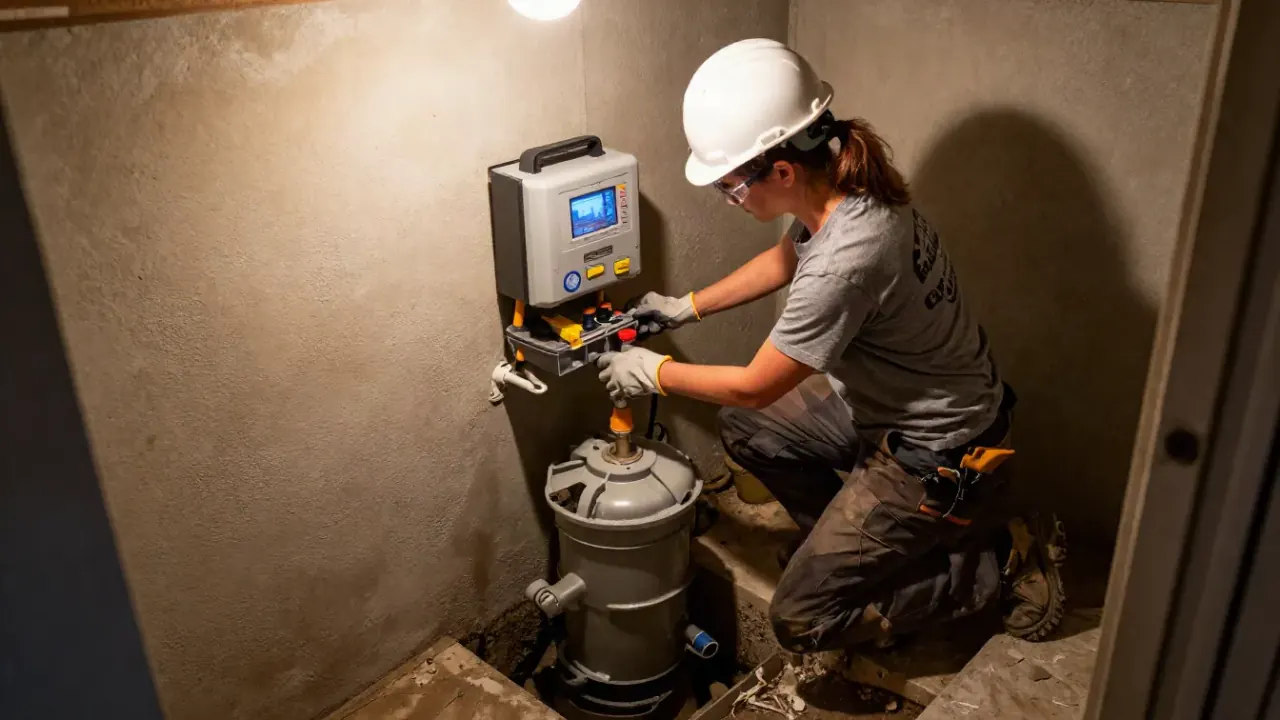
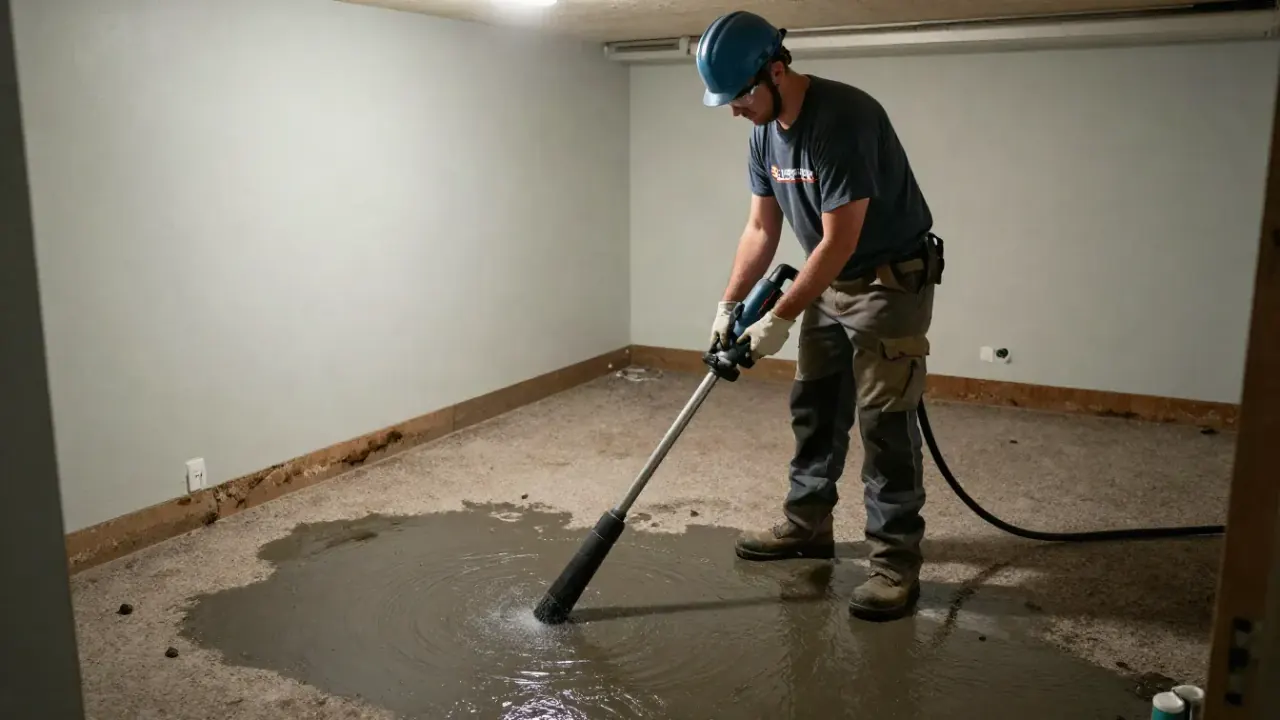
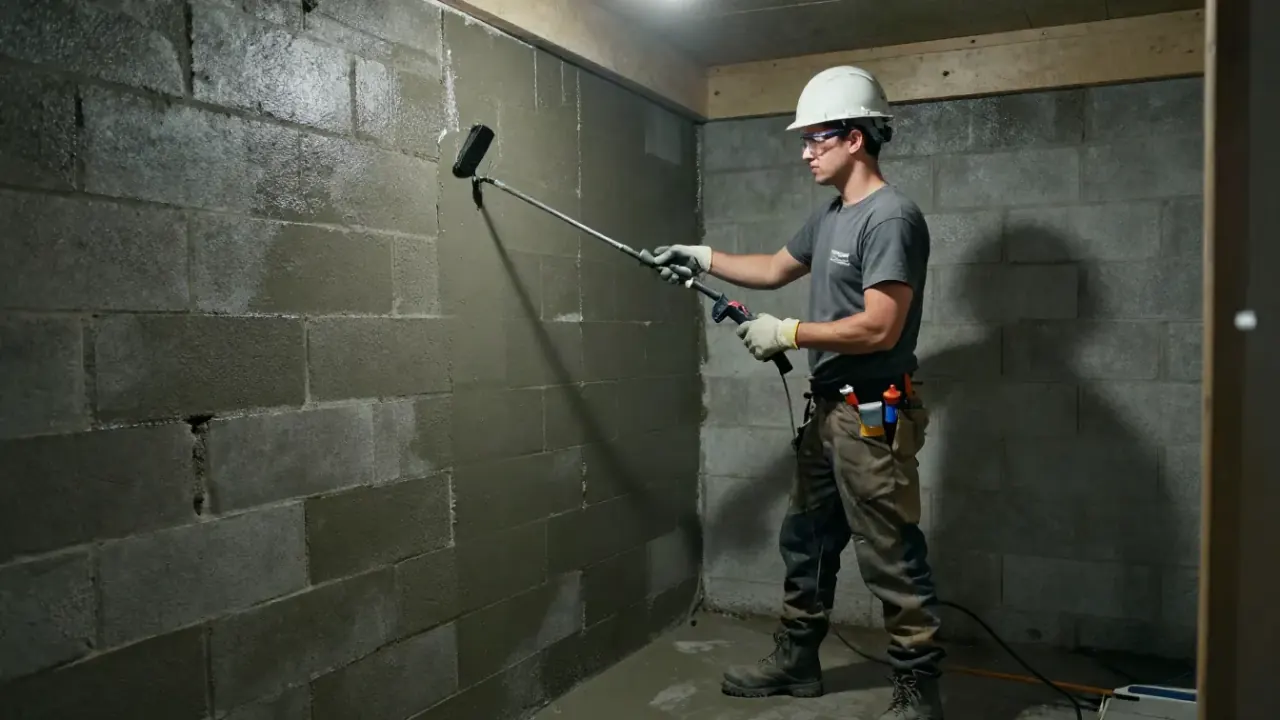
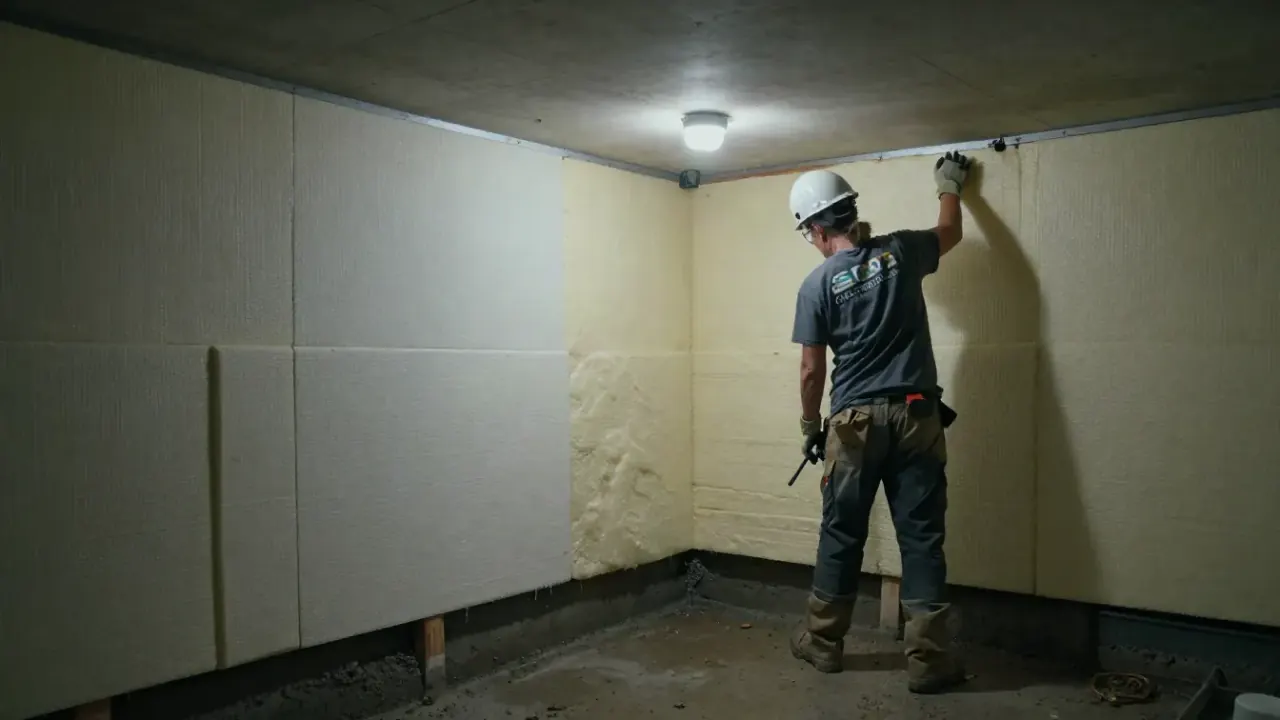
Protects work areaCovers nearby surfaces before setup
Checks wall surfaceFinds loose patches and open cracks
Reviews water routeTraces runoff to its outlet
Documents detailsRecords exposed wall before backfill
What Foundation Membrane Work Includes
A complete installation covers access to the affected wall, concrete preparation, specified repairs, membrane application, and the drainage details required by the site. The final work may also include footing drain connections and backfill. Larger landscaping restoration, pump replacement, or unrelated structural repairs are separate tasks when conditions require them; we identify those needs during inspection.
Wall Exposure and Cleaning
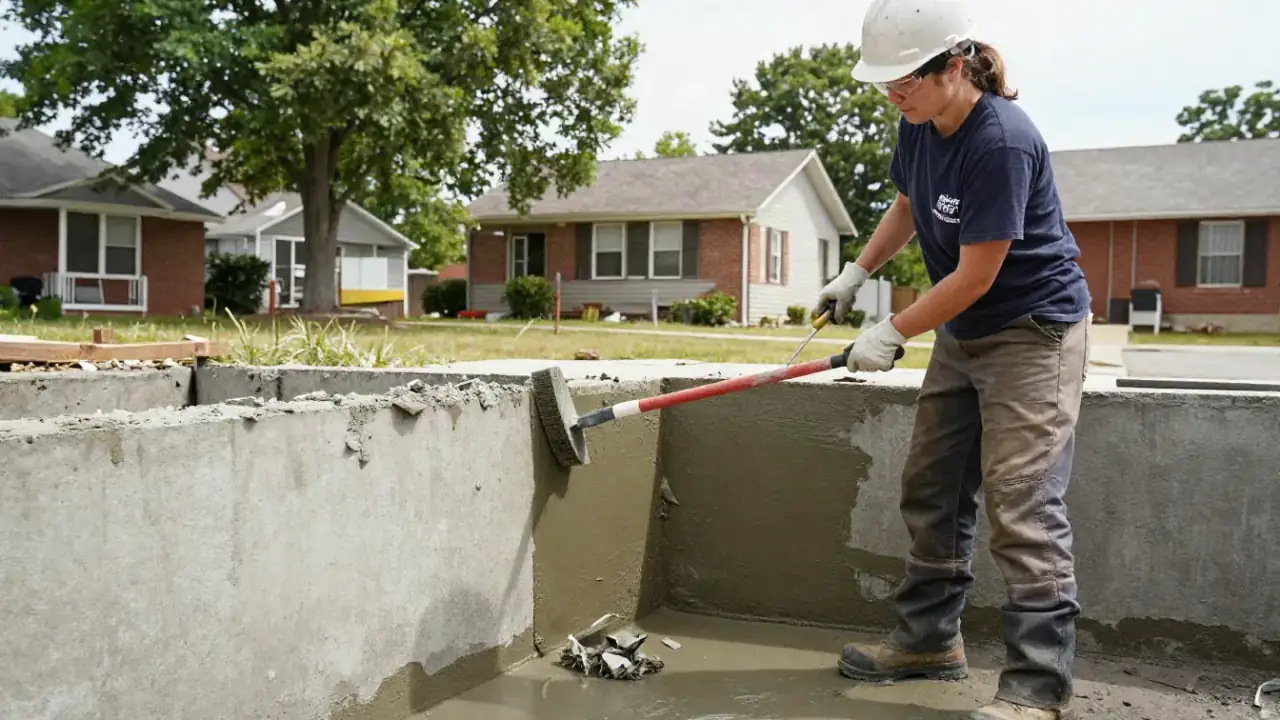
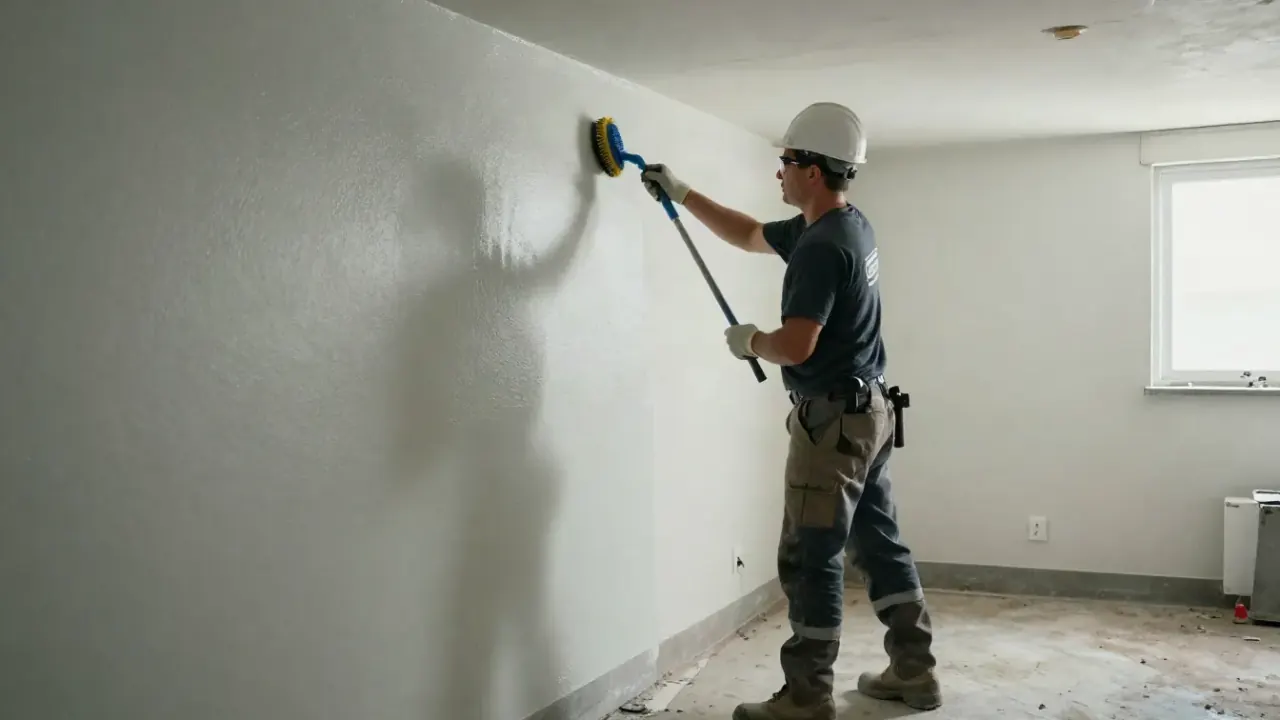
We excavate the identified foundation section to the required depth and remove soil or loose material from the wall. Clean, accessible concrete lets us inspect the full surface and prepare corners, seams, and penetrations before applying the membrane.
Concrete Defect Preparation
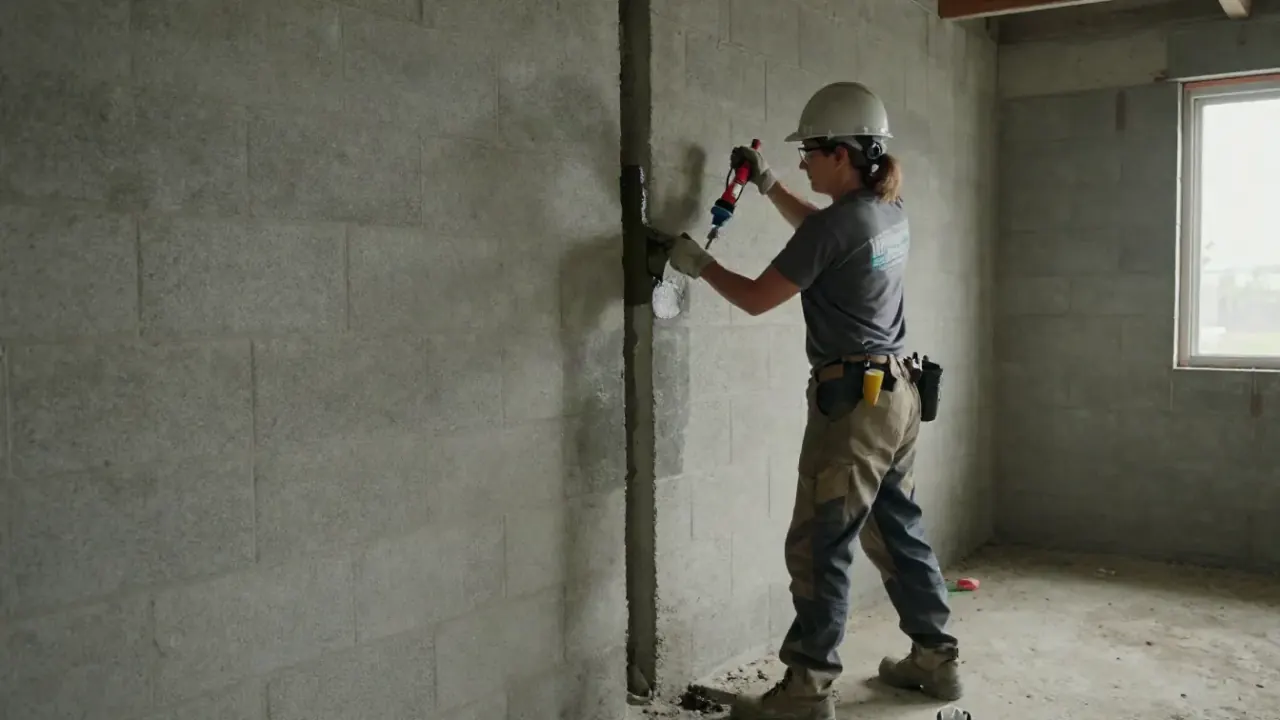
The crew repairs suitable cracks, open joints, and surface defects before covering the foundation. Material choice depends on the defect and moisture conditions; hydraulic cement is used for appropriate leak points, while injection products suit specific crack repairs.
Membrane Application
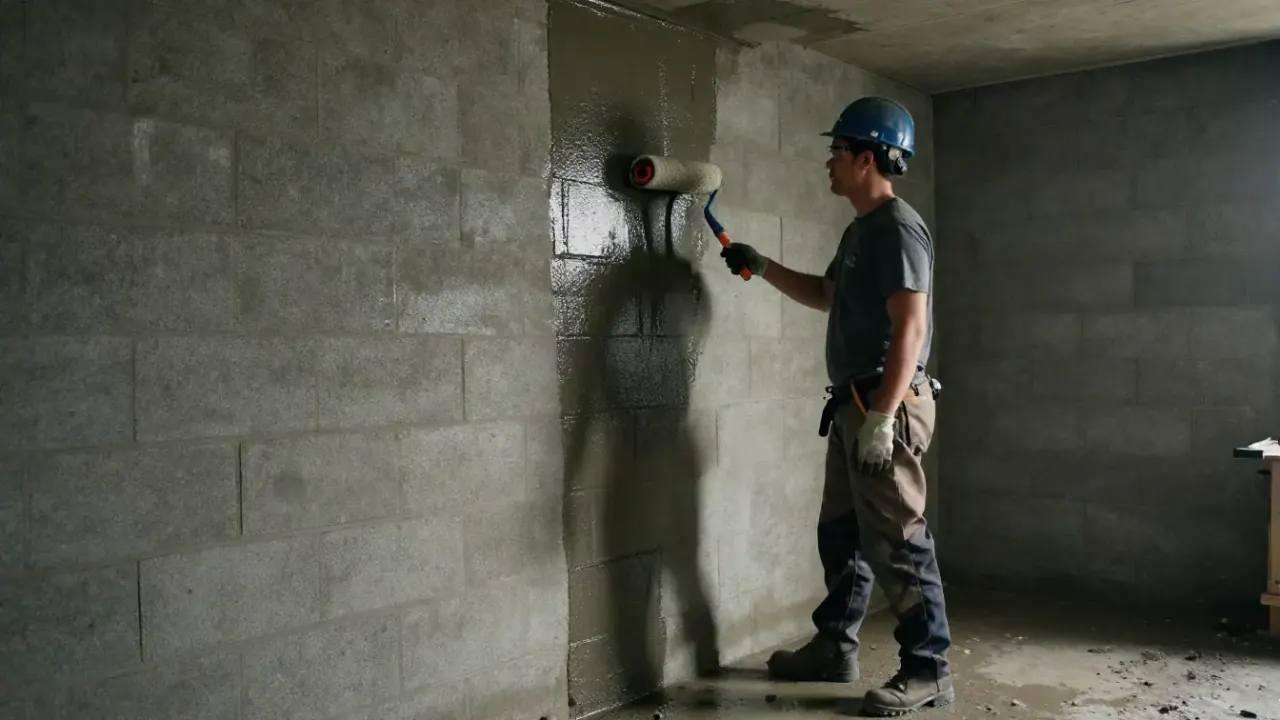
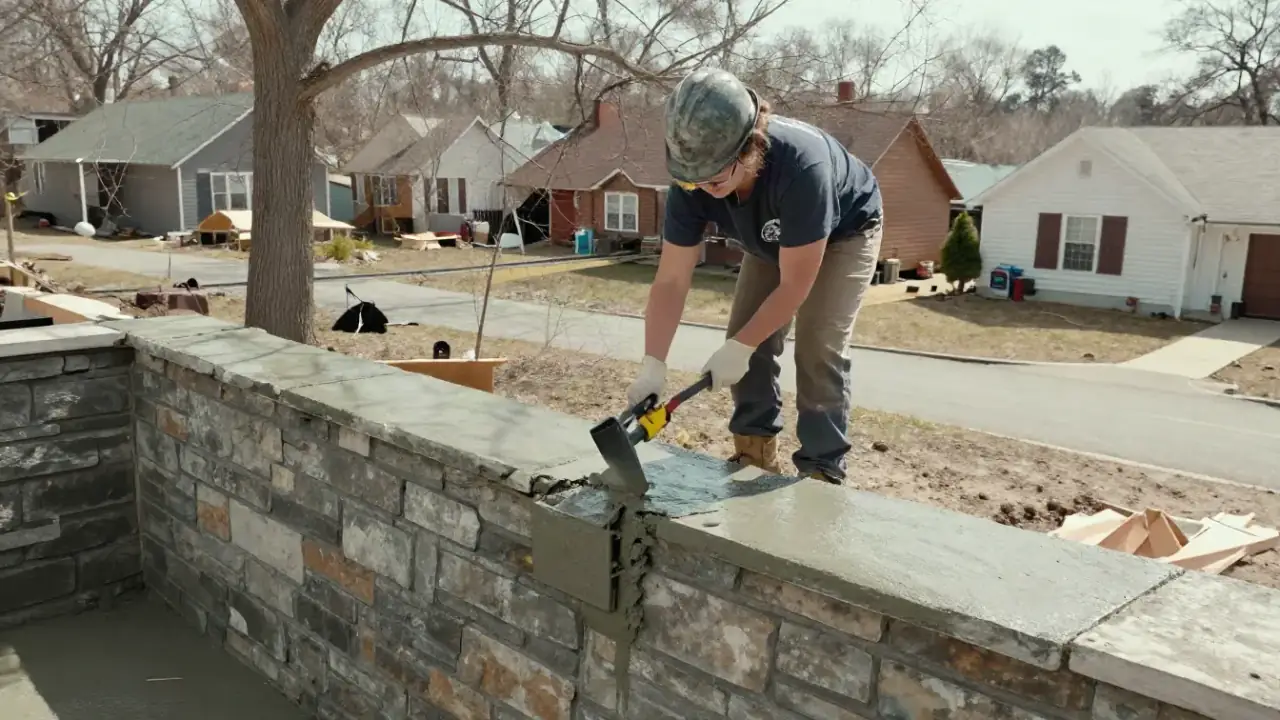
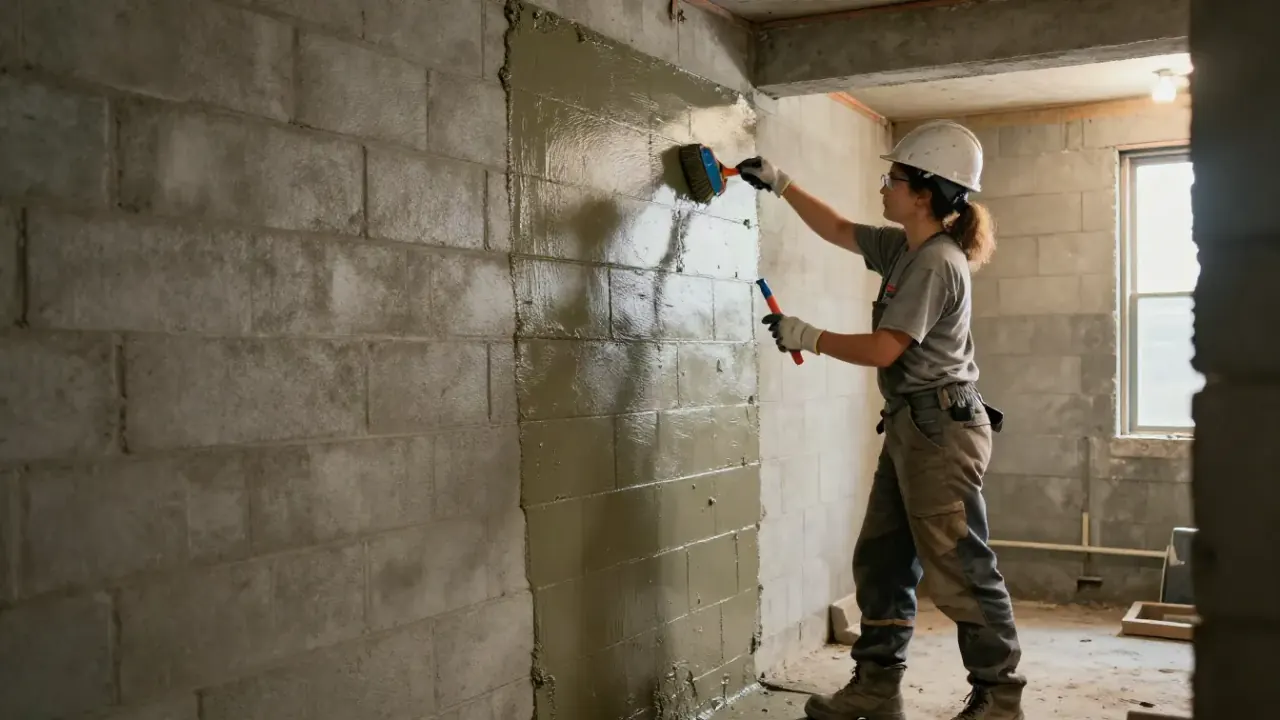
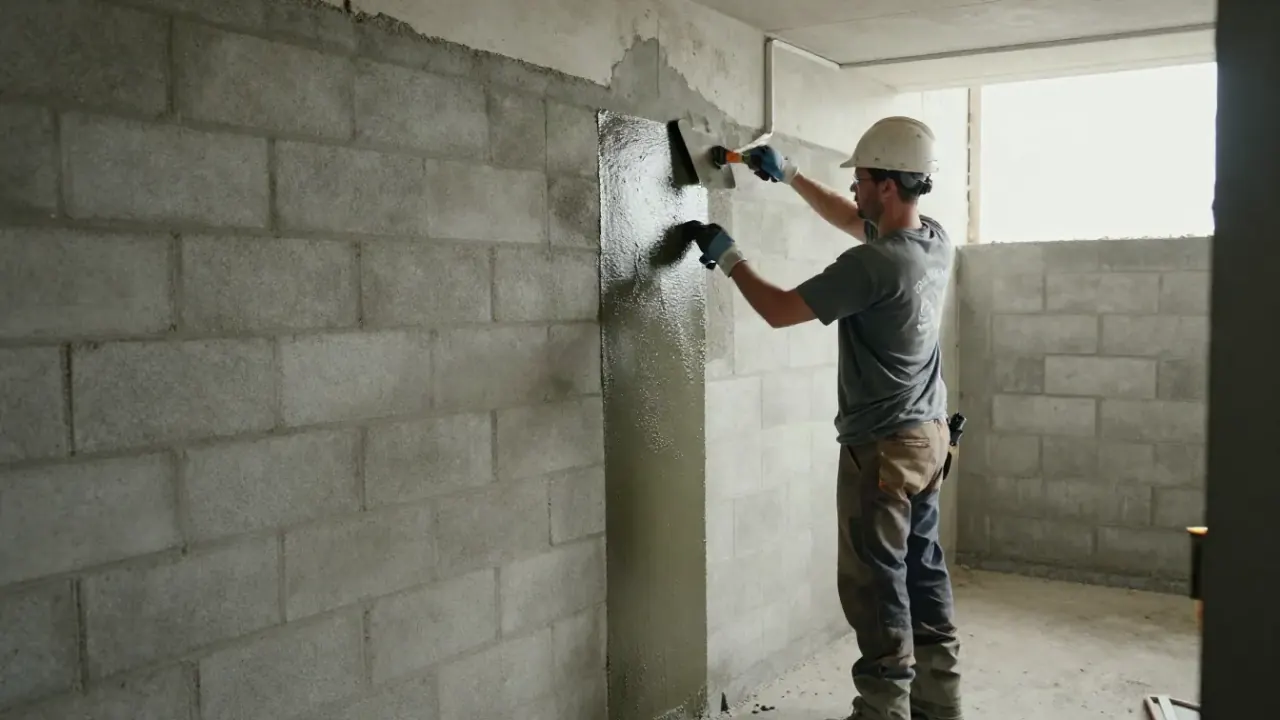
We install a compatible membrane across the designated below-grade wall, with attention to coverage, seam overlap, terminations, and penetrations. The product and application method follow the wall condition and system requirements rather than a one-material-fits-all rule.
Drainage Layer and Outlet
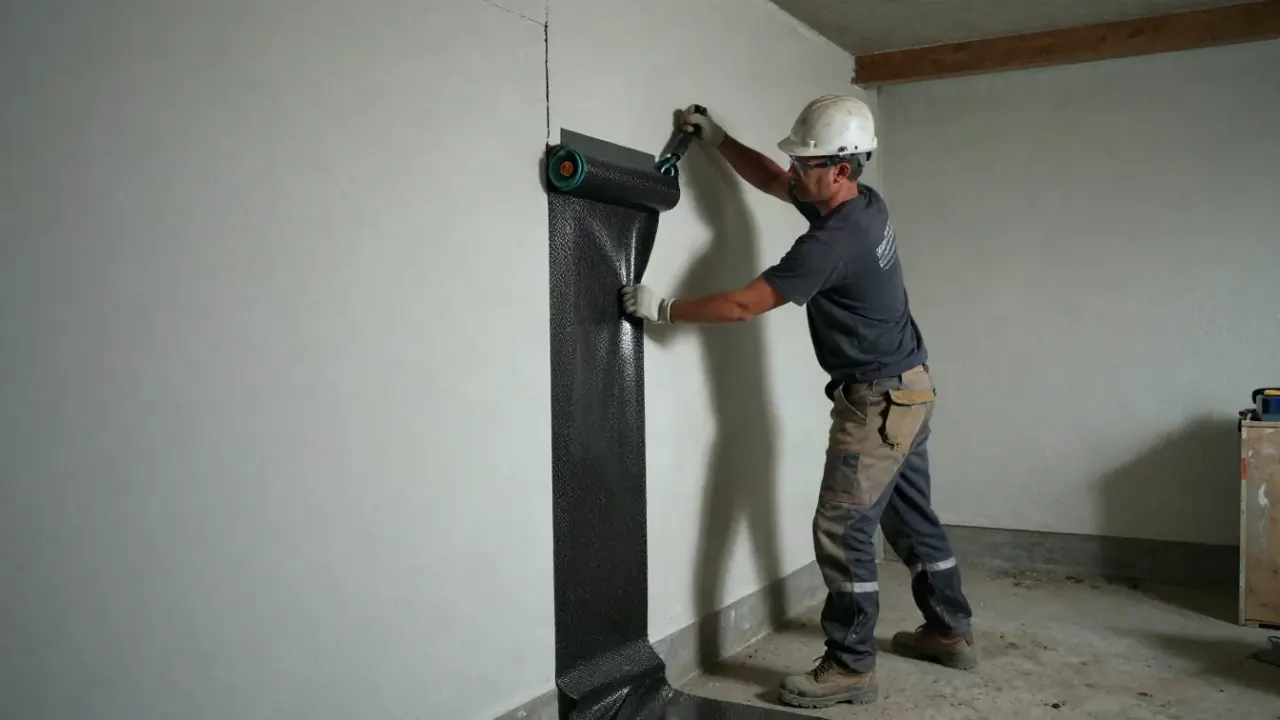
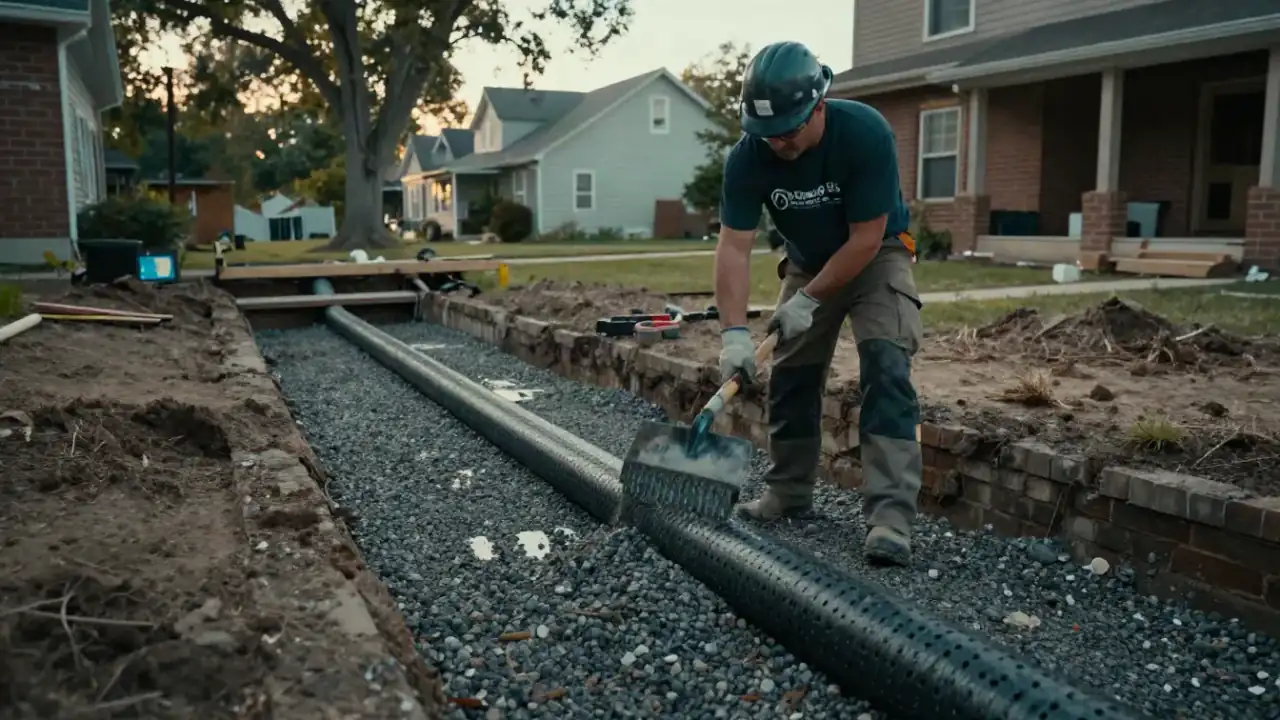
Where the design calls for it, a dimpled drainage membrane protects the barrier and provides a downward path for water. We check the footing drain, washed gravel, and outlet route so collected water can move away instead of remaining against the foundation.
Backfill and Work Review
After inspecting the completed details, we backfill the excavation and review the drainage path with you. We explain practical maintenance, including keeping downspouts clear and watching for pooling near the wall after substantial rain.
Homes and businesses.
The approach is the same for a home and a business. What changes is the access, the schedule and who needs the paperwork.
For Homes
We help homeowners and tenants address recurring wall seepage before it damages stored belongings or planned basement finishes. You can point out when the dampness appears.
Wet wall after prolonged rain
Efflorescence on basement masonry
Water near a foundation corner
For Properties
We coordinate with owners and property managers to inspect affected walls and plan access around building use. You receive a clear explanation of the drainage route and work sequence.
Recurring water near storage areas
Basement wall dampness in a rental
Leak near a utility room
Foundation Waterproofing Membrane Installation in Warren
A plain-language look at what Foundation Waterproofing Membrane Installation involves and when it is needed.
Foundation Waterproofing Membrane Installation in Warren is an exterior wall protection system that limits soil moisture entry and channels water toward drainage before it reaches basement interiors. We excavate the affected foundation, inspect the concrete, repair cracks and surface defects, then apply a membrane matched to the wall and site conditions. A dimpled drainage membrane can create a drainage space between soil and wall; it does not replace sound drain tile, correct grading, or a working sump pump. The details at seams, corners, penetrations, and the footing matter as much as the membrane itself.
Warren homes see repeated freeze-thaw cycles, wet spring soils, and intense rain that can load foundation walls with hydrostatic pressure. Efflorescence, persistent damp spots, and water seepage through basement walls often point to a source outside, especially when downspouts discharge beside the house or yard grading sends runoff toward the foundation. Our foundation waterproofing membrane installation in Warren, Ohio starts by tracing the water path rather than covering symptoms.
A membrane protects the below-grade wall while drainage carries collected water away from the footing.
What it is
An exterior barrier installed on prepared foundation walls to limit soil moisture entry.
When needed
Recurring wall seepage, efflorescence, or dampness after rain may point to exterior water entry.
What to expect
Wall exposure, repairs, membrane detailing, drainage review, backfill, and a work-area walkthrough.
How the Installation Works
Foundation membrane installation Warren follows a sequence that protects the home while exposing and treating the wall. Most residential exterior projects take 2 to 5 working days once excavation begins; access, soil, weather, and repairs determine the schedule.
Inspect and Map
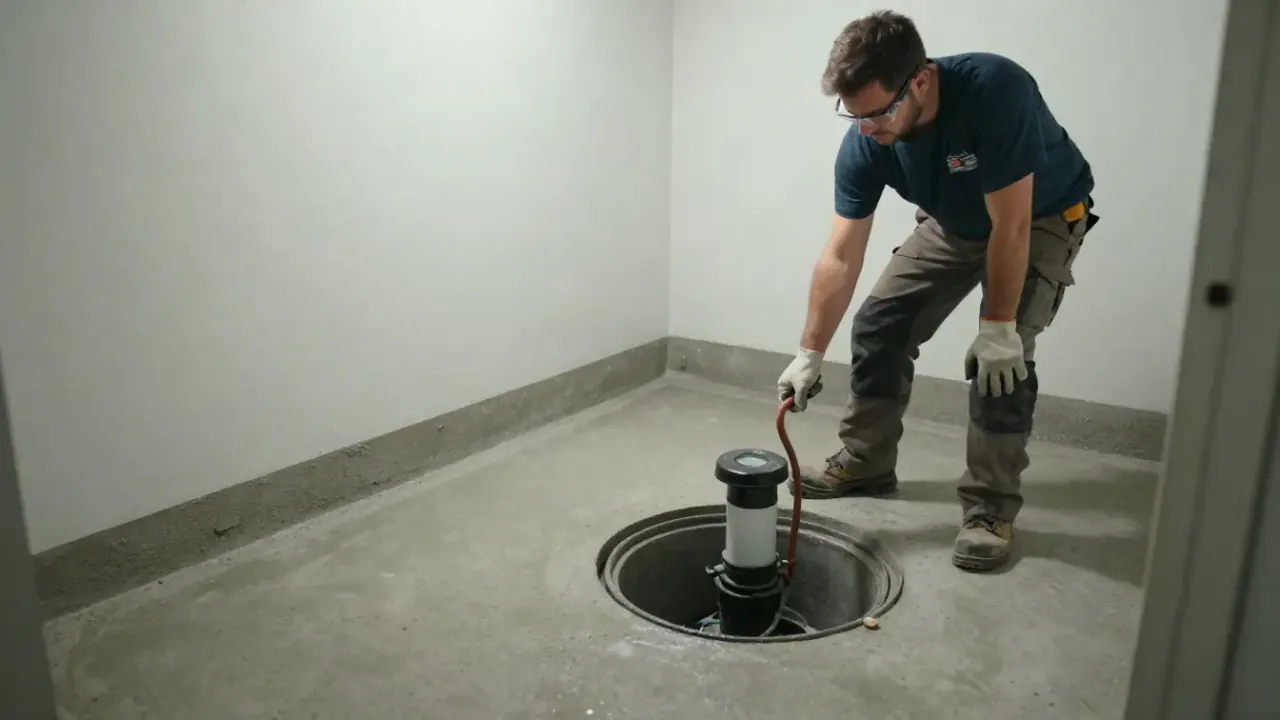
We begin with a walk-through of the basement and exterior, noting damp areas, crack locations, grading, downspout discharge, and any history of flooding. A moisture meter helps compare affected and dry areas, while a hydrostatic pressure test kit can support diagnosis when water behavior is unclear. You see where we plan to excavate and what drainage route the work requires.
Walk-through
Moisture map
Drainage check
Excavate Safely
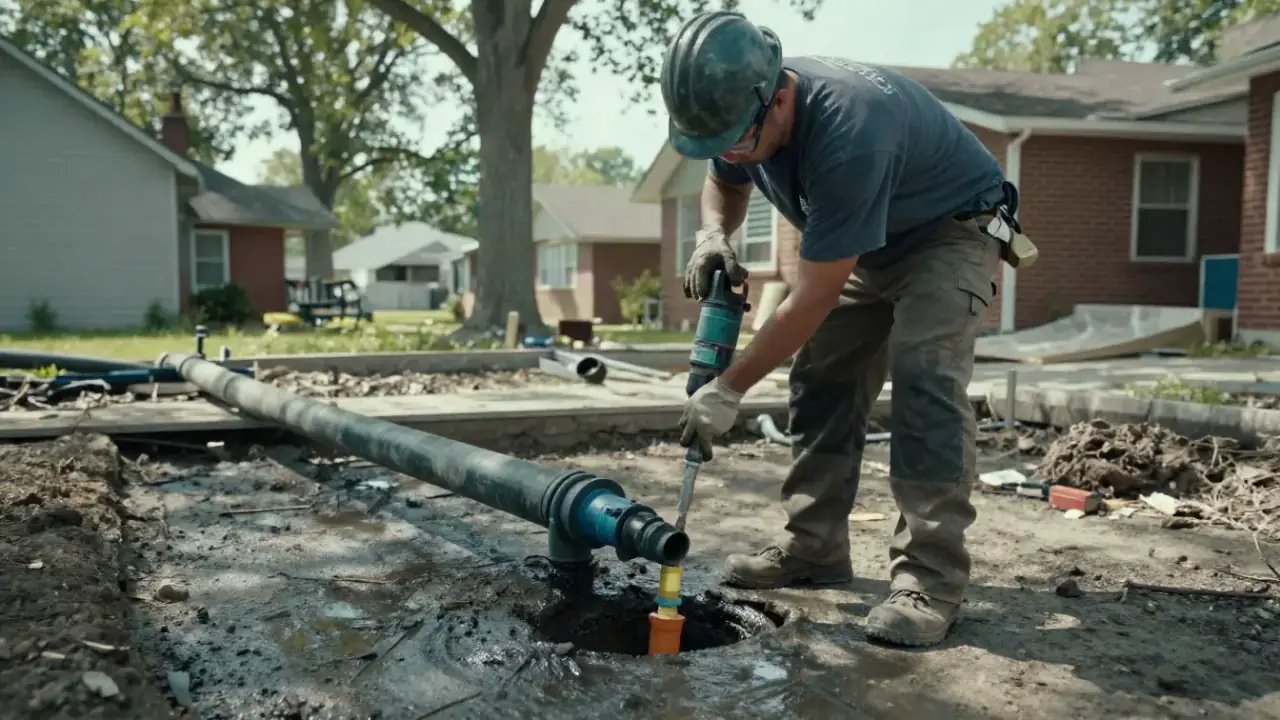
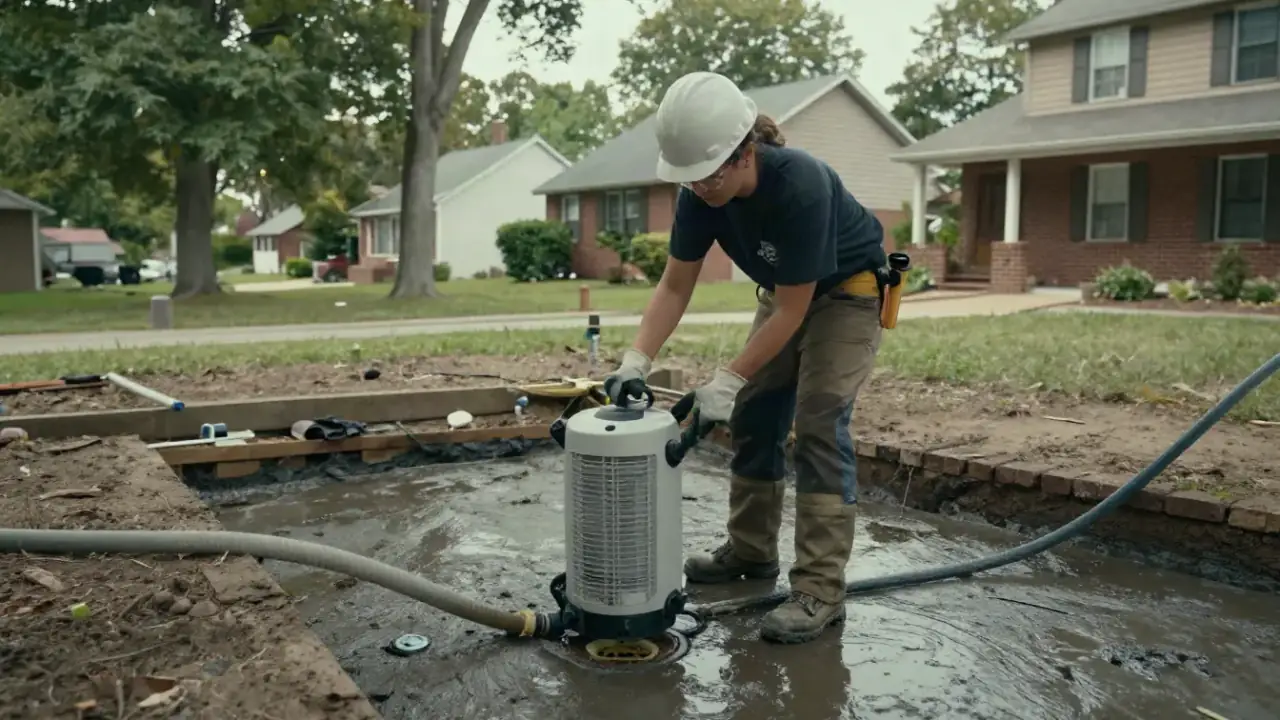
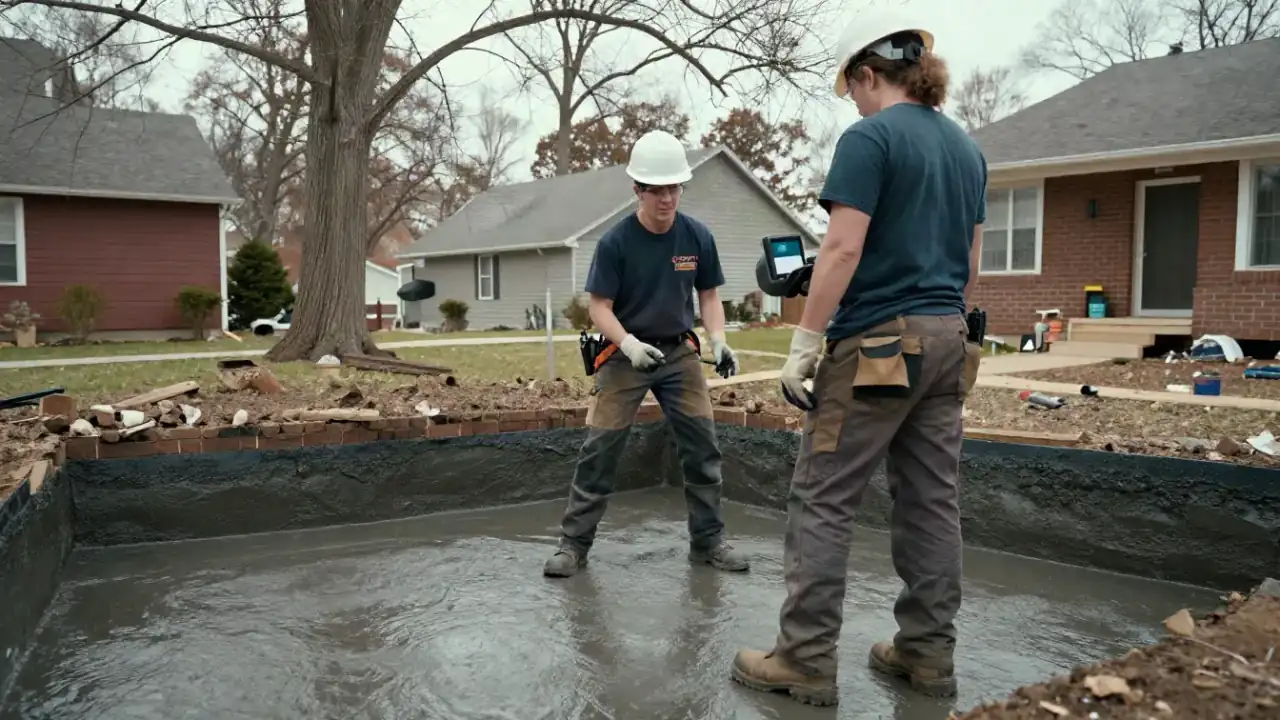
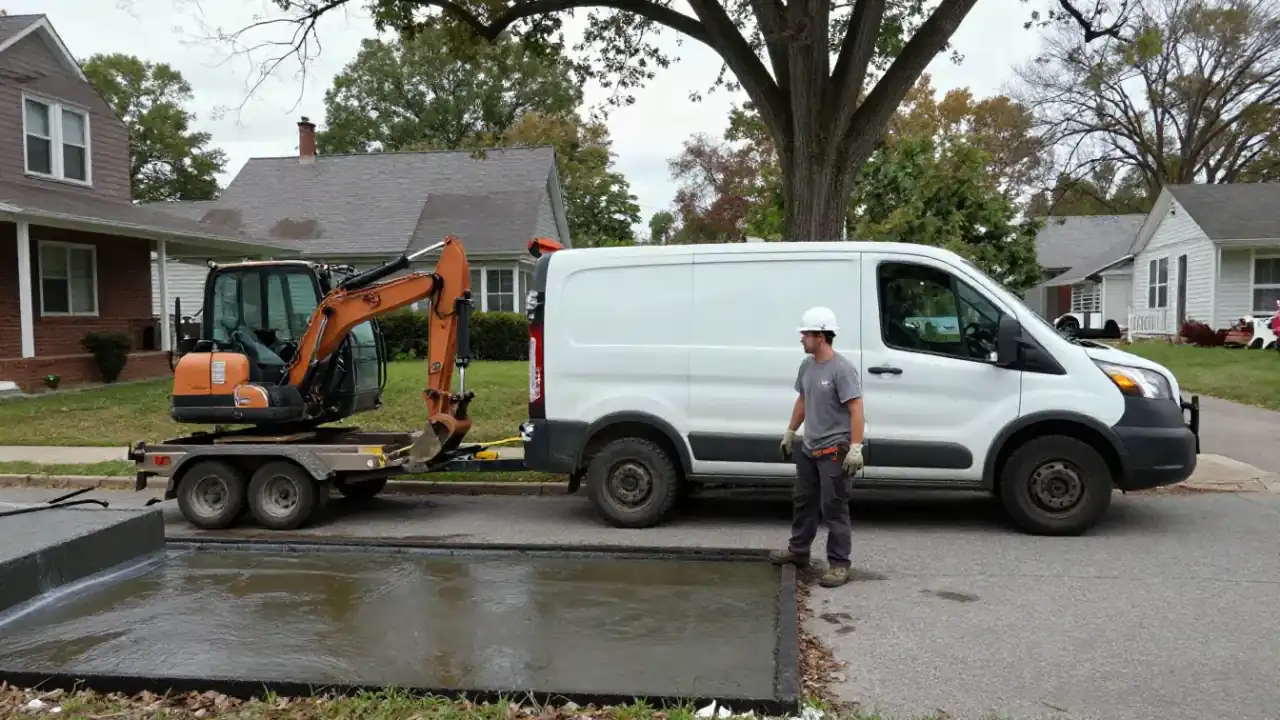
Our crew clears the work zone and excavates the affected foundation to the footing, using hand tools or a trenching machine where access permits. A typical wall section may require a trench 6 to 8 feet deep, but actual depth follows the foundation. We protect nearby walks, planting beds, and utilities, then remove soil far enough to work on the full wall.
Excavate wall
Protect area
Reach footing
Prepare and Repair
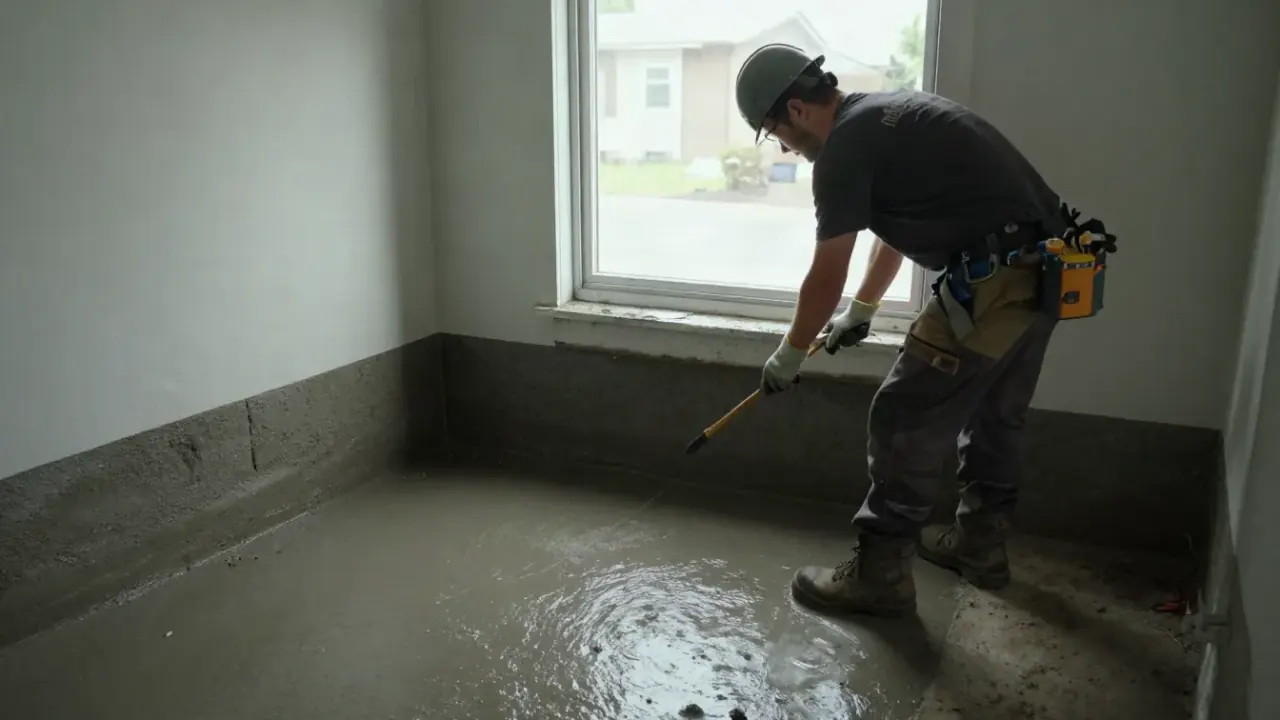
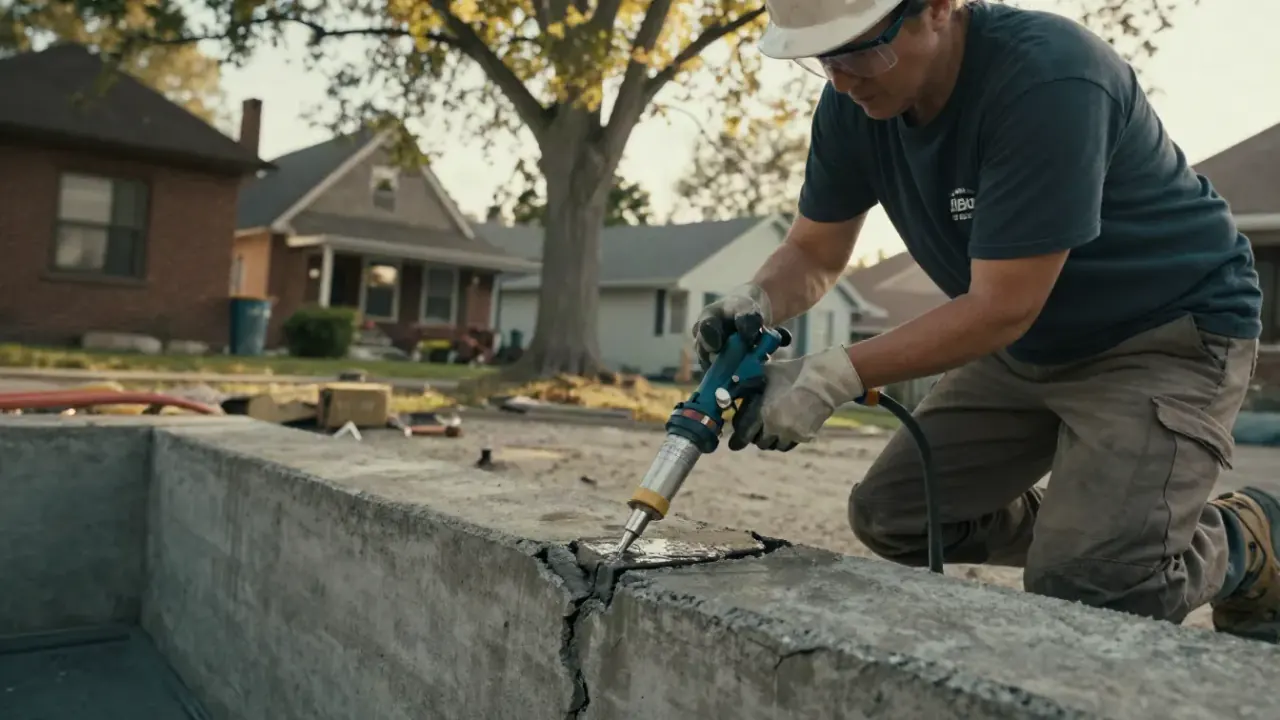
We clean the exposed concrete, remove loose material, and check the wall for cracks, honeycombing, and failed patches. Hydraulic cement addresses suitable active seepage points; epoxy injection resin or polyurethane injection foam is selected for appropriate crack conditions. Membrane goes over a sound, prepared surface, not over dust or unresolved structural movement.
Clean concrete
Repair defects
Prepare surface
Install Barrier
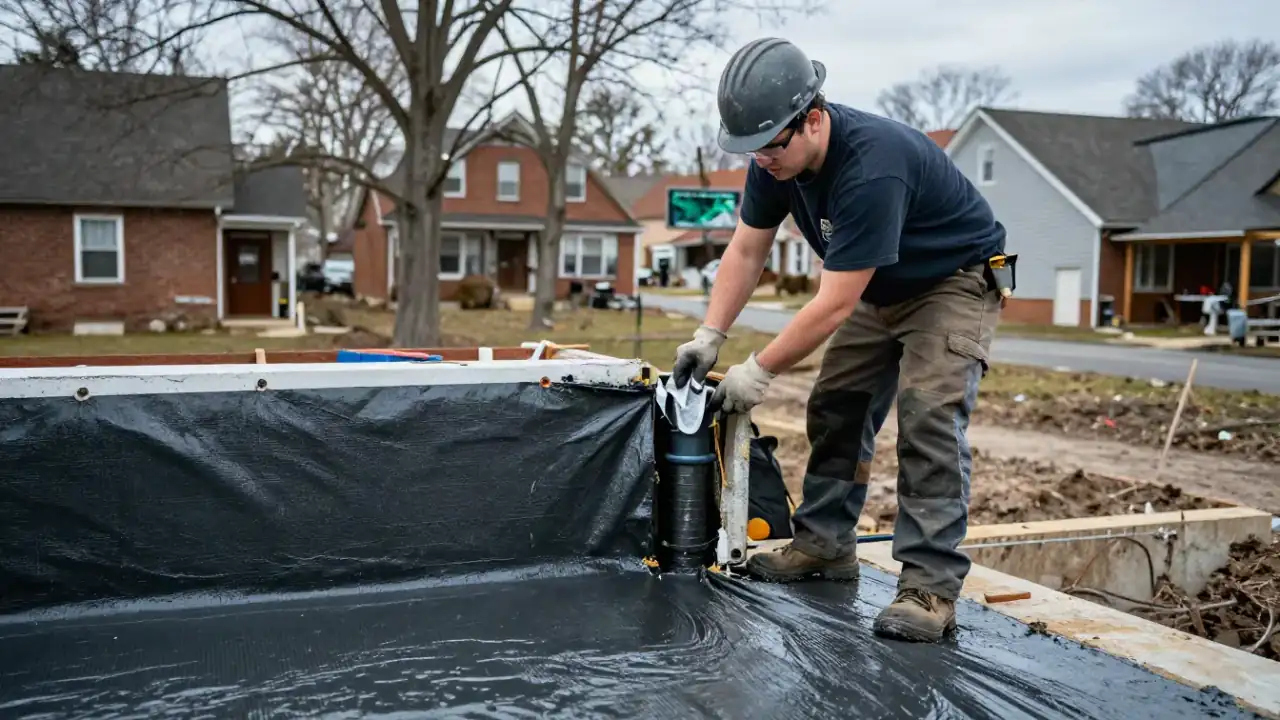
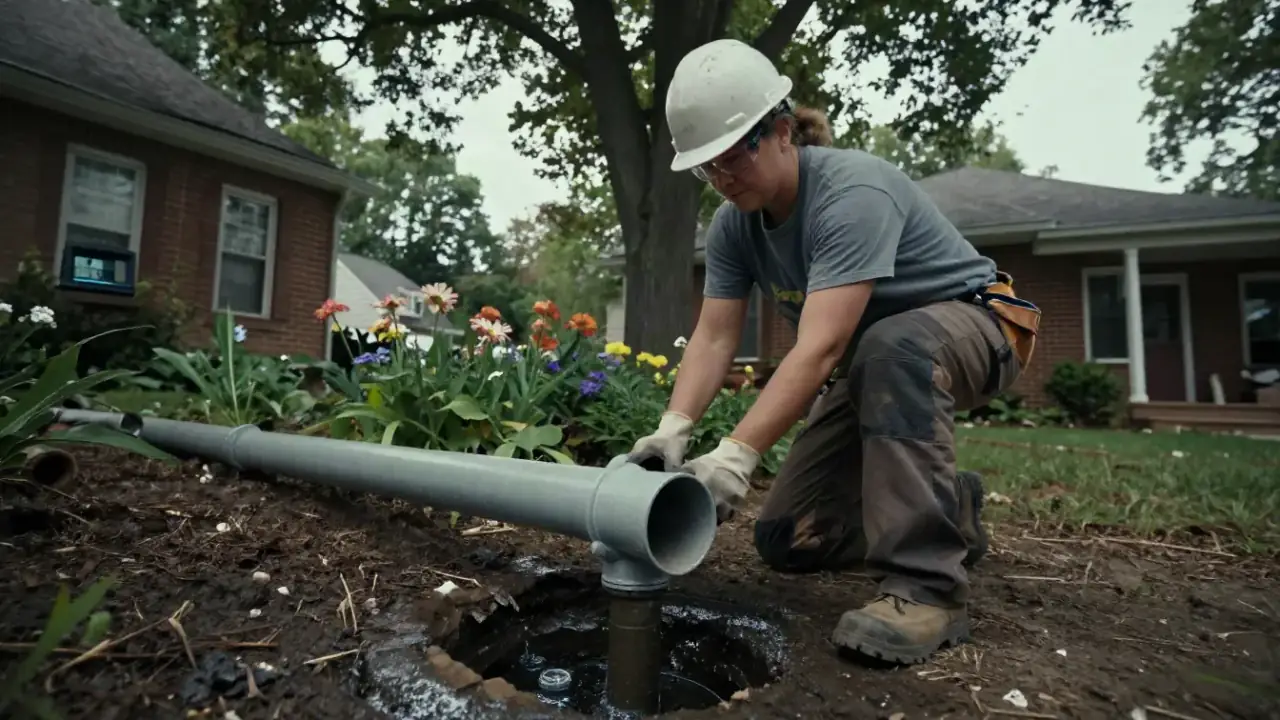
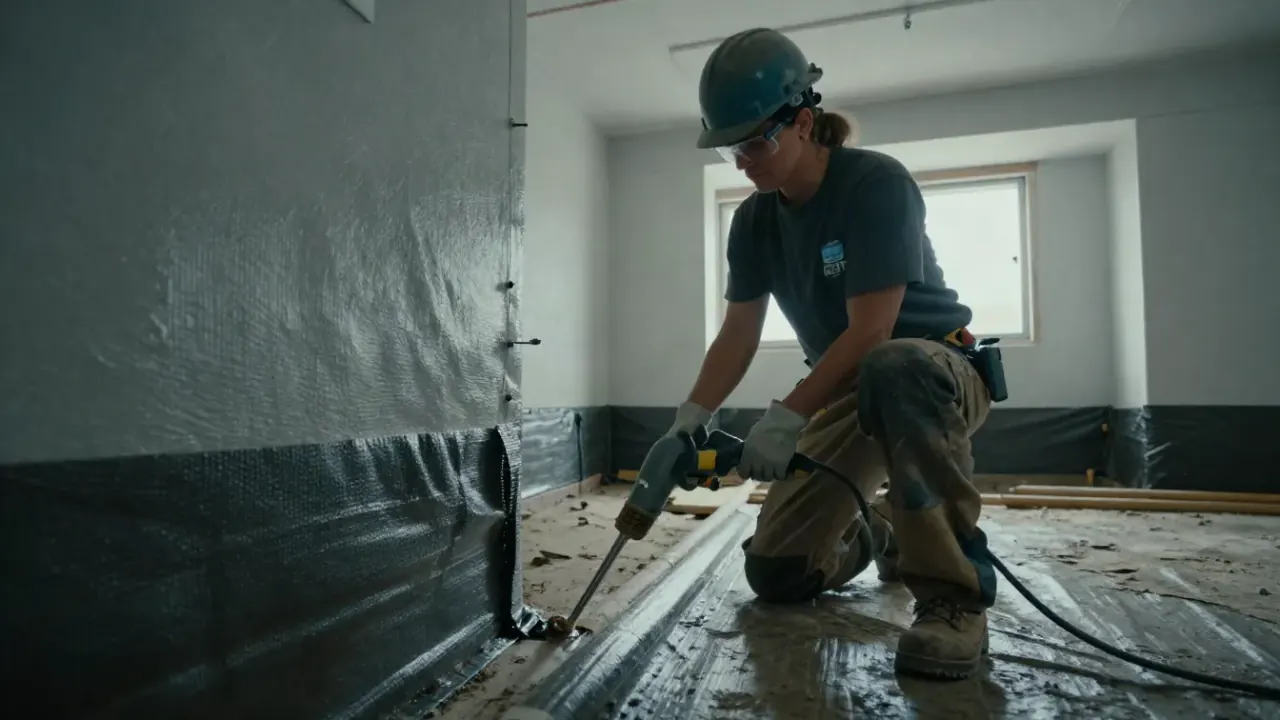
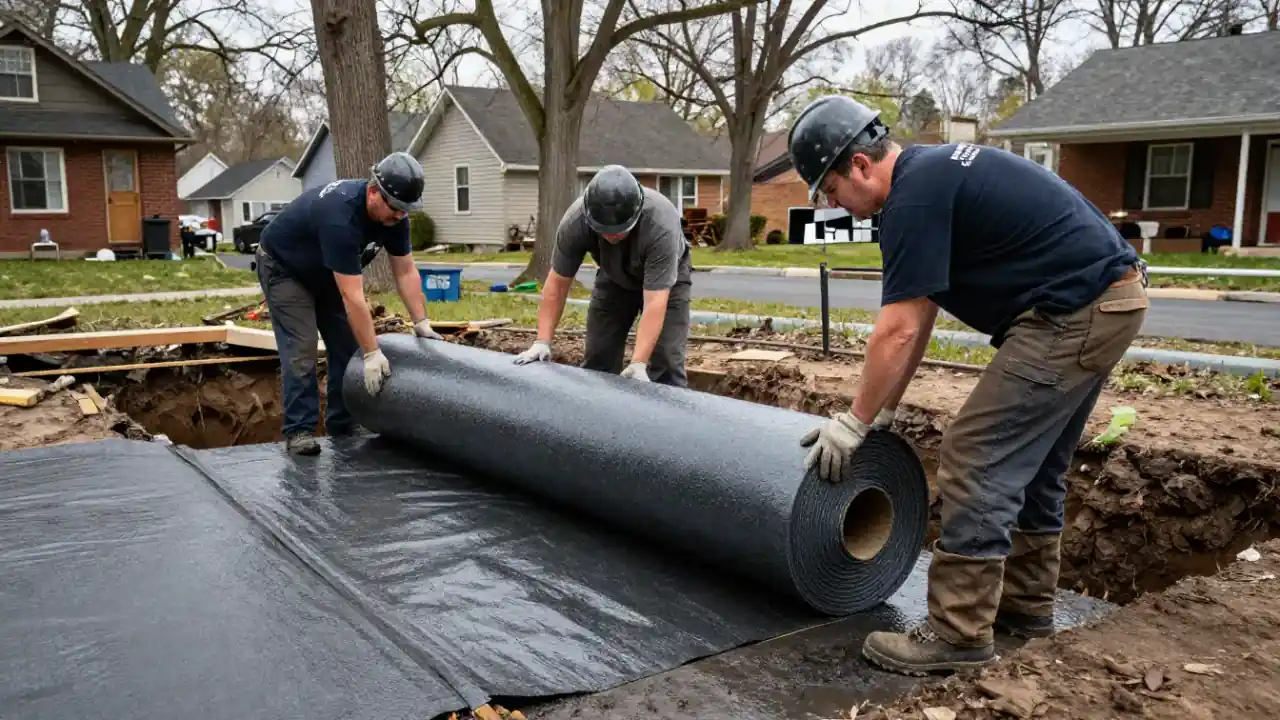
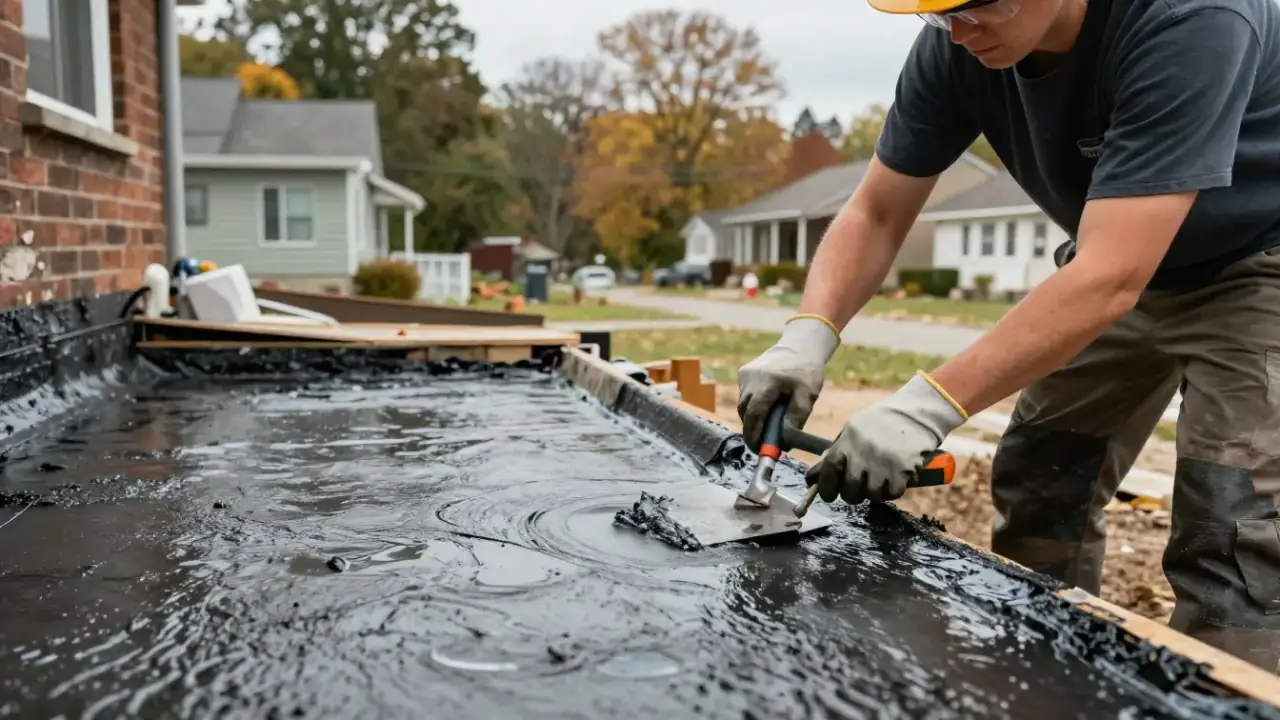
We apply the specified waterproof membrane continuously, detailing corners, seams, penetrations, and the transition at the footing. If the assembly calls for it, we add a dimpled drainage membrane and connect the lower edge to perforated drain tile over washed gravel. We inspect seams and terminations before covering the system.
Apply barrier
Detail seams
Connect drainage
Backfill and Review
After the membrane and drainage connections pass a visual check, we backfill in controlled lifts and restore the disturbed surface as agreed. We review the drainage route, downspout discharge, and any sump connection with you. The installation area is cleaned, and you receive a clear explanation of care items such as keeping outlets open.
Inspect work
Backfill trench
Review care
Tools and Installation Methods
Move across a circle, or focus it and press Enter, for an illustrative thermal view of the photograph.
Moisture meter
We compare readings on affected and apparently dry sections of concrete to help map damp areas and track where water is moving.
Trenching machine
Where access and soil conditions allow, we use it to excavate efficiently along the foundation while controlling trench width and protecting the work area.
Concrete saw
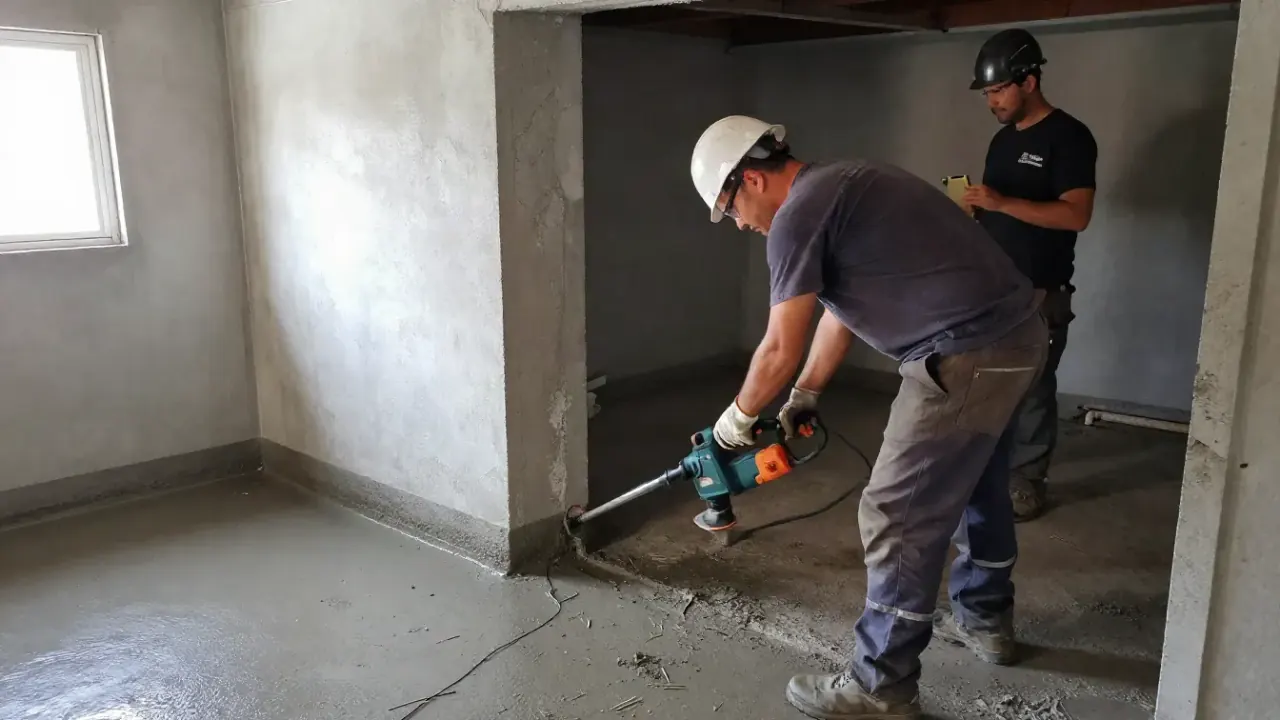
We use a concrete saw for controlled cuts where access, surface removal, or a defined repair detail requires clean edges.
Hydraulic cement
This material seals suitable active leak points and voids in masonry before the membrane is installed; it is not used as a substitute for drainage.
Perforated PVC drain tile
Installed at the footing in washed gravel when specified, it collects water moving down the drainage layer and carries it toward an outlet.
Thermal views are illustrative, generated from the photographs.
Methods
Dimpled drainage membrane
The formed surface creates a drainage space beside the wall and protects the primary barrier from soil contact during backfill.
Exterior wall exposure and substrate preparation
We excavate the selected wall to the required depth, clean concrete, remove loose patches, and inspect cracks and penetrations. The membrane system is applied only after the surface and repair details are ready. This prevents dust, sharp edges, or unresolved defects from compromising coverage.
Continuous membrane detailing
The barrier is installed across the designated wall with planned overlaps and sealed transitions at corners, seams, openings, and the footing. We follow the selected product's application requirements and inspect coverage before protection or backfill conceals the work.
Drainage layer to footing outlet
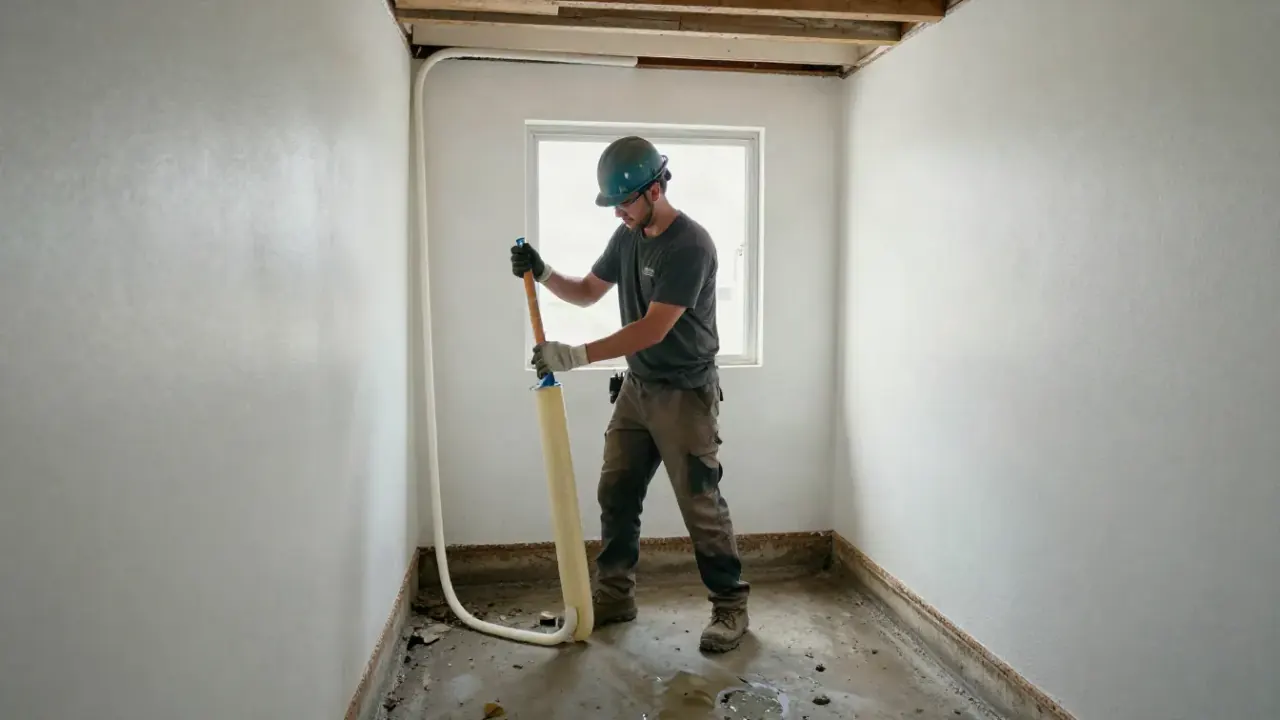
A drainage mat or dimpled membrane guides water downward to a footing drain where the design requires it. We check gravel bedding, tile condition, and the discharge route, because water must have a working destination to avoid remaining beside the protected wall.
Water-source and grading review
We look beyond the foundation surface at roof runoff, yard slope, window wells, and sump operation. Correcting concentrated runoff or a failed outlet reduces unnecessary water loading. The exterior membrane remains one component of a coordinated water-management system.
When to Consider Membrane Installation
Rain seepage
A Warren basement wall gets wet in the same place after several hours of steady autumn rain.
We compare the damp location with exterior grade, roof runoff, cracks, and nearby footing drainage. If moisture comes through the below-grade wall, we expose the affected section, repair defects, and install a membrane that connects to an effective drainage path.
Outcome: You get a targeted exterior repair instead of repeated interior patching, with the water route explained before the excavation is closed.
Masonry deposits
A Howland Center home has recurring efflorescence and peeling paint along a below-grade block wall.
We inspect the masonry and check whether water is entering through joints, surface pores, or a nearby opening. After cleaning and repairing suitable defects, we apply a compatible barrier and review whether footing drainage needs service as well.
Outcome: The wall receives protection at the soil side, reducing repeat dampness that can loosen paint and affect stored items.
Corner leak
A Niles property has an exterior foundation crack that leaks during snowmelt and spring storms.
We assess the crack for movement and active water, then select a suitable repair before membrane installation. The crew details the repaired area into the surrounding wall barrier and checks the drainage route at the footing.
Outcome: The repair addresses both the crack and outside water exposure, rather than leaving the surrounding concrete unprotected.
Basement renovation
A homeowner is renovating a Warren basement and wants to address wall seepage before finishing.
We map damp areas, inspect the exterior, and determine whether excavation is practical before new flooring or wall finishes go in. If the wall is the source, we install the membrane and coordinate drainage so concealed finishes are not placed over an unresolved leak.
Outcome: You can move forward with renovation after the exterior water path has been treated and reviewed.
Howland CenterNilesWarren city neighborhoods
How Installation Fits Warren Properties
Foundation Waterproofing Membrane Installation in Warren needs to account for wet soil, seasonal freeze-thaw movement, and the varied ages of local basements. Our crew checks where roof runoff lands, how the yard slopes, and whether the wall is concrete or masonry before choosing a membrane system.
For a waterproof membrane for foundation walls Warren OH properties, details around old repairs, utility penetrations, and window wells matter as much as broad wall coverage. We plan exterior excavation to reach the footing while protecting access routes and nearby hardscape. Cold weather affects product handling and cure conditions, so exposed-wall work proceeds only within the selected material's requirements.
If you are asking how to install a foundation waterproofing membrane in Warren, the practical answer is to expose and prepare the wall, repair defects, install a compatible barrier, then connect drainage to a functioning outlet. We also check Ohio Residential Building Code considerations relevant to the work and property.
Howland Center: We check roof runoff and lot slope around each exposed wall, since water concentrated beside a basement can load repaired masonry during prolonged rain.
Niles: Older foundations may have previous patches or uneven block joints, so we inspect the full exposed surface before selecting preparation and membrane details.
Warren city neighborhoods: Tighter side-yard access can affect excavation equipment and soil staging; we plan the work area around walks, fences, and nearby utilities.
Bolindale: Low spots and downspout discharge deserve attention alongside wall condition, because surface water can keep saturating the same foundation section.
Autumn rain saturates soil before winter freezing: Wet soil can press water against basement walls just as temperatures begin to fluctuate. We plan membrane work for suitable material conditions and verify that drainage can carry water away before the trench is closed.
Freeze-thaw cycles stress older masonry joints: Repeated temperature swings can widen weak joints or expose old repairs. We clean and assess the wall before applying a barrier, and we address visible defects rather than bridging over loose material.
Walk the basement and exterior to locate damp areas and likely entry points.
Protect nearby surfaces and prepare safe access to the foundation wall.
Review completed details, drainage direction, and practical maintenance with you.
From problem to finished result.
IllustrativeThe thermal view is generated from the photograph. It is not a measurement. Drag the handle, or use the arrow keys once it is focused.
Recurring Rainwater at One Wall
Before: A homeowner saw a damp strip along a 22-foot basement wall after long storms. White deposits returned through the paint, and cardboard storage boxes softened near the floor. An exterior inspection found a cracked patch and a downspout releasing water beside the house, putting repeated pressure on the same section.
After: We prepared the wall, repaired the defect, installed a continuous membrane, and directed the lower drainage layer to the footing system. The downspout discharge was moved away from the foundation. After the next two substantial rain events, the owner reported no new damp strip or mineral deposits at the repaired section.
Keep the downspout outlet clear and check that water discharges away from the house. Look over the repaired wall after heavy rain and report fresh staining before installing new basement finishes.
Efflorescence on Block Foundation
Before: A Warren property had recurring white deposits across a 16-foot section of block wall, with peeling paint and a musty smell. Interior patching reduced the visible stain for a few months, but deposits returned after spring rain. The exterior grade and wall joints had not been assessed.
After: We exposed the affected wall, cleaned loose material, treated suitable joints, and installed the membrane with a drainage layer at the footing. The crew also corrected the nearest downspout discharge. The basement wall dried, and the owner found no fresh efflorescence during the following 90-day check period.
Avoid drilling or attaching fixtures through the protected wall below grade. Keep nearby grading stable, inspect the downspout after storms, and watch for new moisture at the same interior location.
Leak Near a Foundation Corner
Before: Water appeared near a basement corner whenever snowmelt and rain arrived together. The owner had wet floor edges and stored tools on shelving to keep them above puddles. Inspection showed a corner crack, saturated soil, and a footing drain that needed attention.
After: We repaired the suitable crack, installed membrane protection around the corner, and connected the drainage layer to a serviceable footing route. The affected wall section covered about 12 linear feet. The owner reported a dry floor through the next seasonal thaw and no further need to relocate stored tools.
Keep the sump basin and discharge route clear if they serve the footing system. Check the corner after snowmelt, and contact us if a new crack, wall movement, or seepage appears.
Problems a Membrane Can Address
A membrane is most useful when water reaches the outside of a below-grade wall and finds a path through concrete or a repair. Our team checks the source first, because membrane alone will not correct a broken pump, blocked drain, or water entering through a window well.
Wall seepageWater seepage through a foundation wall after sustained rainRepeated wetting can damage finishes, soak stored belongings, and leave masonry damp long after the storm ends. We inspect the inside and outside water pattern, expose the affected wall, repair suitable defects, and install a continuous membrane. If water collects at the footing, we check the drain tile and outlet as part of the plan. This treats the path water follows instead of painting over the visible stain.
Mineral depositsEfflorescence returning on the same basement wallWhite mineral deposits show moisture has moved through masonry, and repeated dampness can undermine paint or wall finishes. We trace moisture to its exterior source, inspect cracks and penetrations, and prepare the concrete before applying the selected barrier. Where drainage has failed, we address that route too. After installation, you can monitor the same wall for new deposits and report any change.
Water pressureFoundation wall dampness with hydrostatic pressureSoil saturated by rain pushes water against below-grade concrete, raising the chance of seepage through pores and weak joints. Our crew evaluates the wall, soil-side water path, and footing drainage. We apply a compatible membrane and drainage layer, then direct collected water toward a functioning outlet. If walls are bowing or leaning, we investigate structural concerns rather than treating membrane as a structural repair.
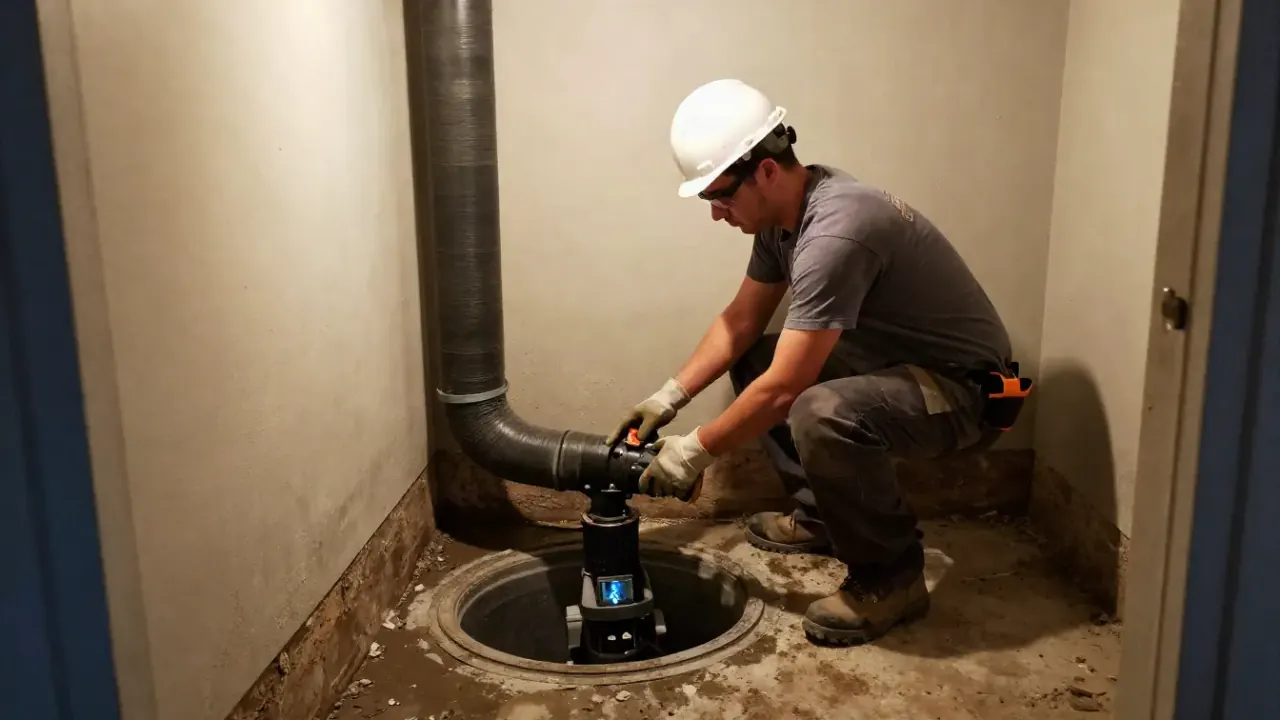
Storm runoffBasement flooding after heavy rain near downspoutsRunoff concentrated beside the foundation can overwhelm drainage and send water through wall joints, risking flooring and stored items. We check grading, downspout discharge, the foundation wall, and sump operation to identify the combination causing flooding. Membrane installation protects the exposed wall, while downspout extensions or drain repairs address water delivery and removal. The fix follows the observed route, not just the wettest interior spot.
What a Proper Membrane Changes
Keep soil moisture off the wall and give collected water a clear drainage route.
Less Wall Seepage
That helps reduce water entry through porous concrete during prolonged rain. We also check the footing drainage instead of assuming a wall barrier alone will solve a failed drain tile or a blocked discharge route.
Controlled Drainage Path
A dimpled drainage membrane forms a channel that carries water downward rather than trapping it against the wall. When paired with a gravel bed and perforated drain tile, the system directs collected water toward an approved outlet or sump basin. The route is checked before backfill.
Protected Foundation Surface
Membrane shields repaired concrete from repeated soil moisture exposure and reduces the chance that minor surface porosity becomes a recurring interior damp spot. We prepare the wall first; loose material, open cracks, and sharp projections can compromise contact or puncture protection during backfill.
More Usable Basement
Reducing outside water entry helps protect stored belongings, finished wall systems, and flooring from recurring dampness. If a wet basement carpet or musty odor has followed storms, we trace the source and address drainage alongside the membrane where the site calls for it.
What you receive
Clear records you can keep and share.
Photo log
Images of exposed wall and completed details
Work summary
Record of installed membrane and repairs
Drainage notes
Summary of observed outlet and water route
Care sheet
Basic guidance for downspouts and surface checks
Barrier and drainage work together
A membrane limits water contact at the wall; drainage gives water that reaches the barrier a route away from the footing.
Wall barrier
A continuous layer covers prepared below-grade concrete.
Details cracks and seams
Requires clean concrete
Protects soil-side surface
Drainage layer
A channel moves collected water downward toward the footing.
Pairs with drain tile
Needs a working outlet
Protects membrane during backfill
Surface control
Grading and downspouts reduce water delivered beside the wall.
Moves runoff away
Reduces soil saturation
Supports foundation drainage
Materials and surfaces
Concrete
Masonry
Wall membrane
Drainage mat
Washed gravel
Drain tile
Hydraulic cement
Downspout outlet
Service ZIP codes.
A list like this tells people straight away whether you cover their street. Not listed? Call and ask: it only takes a minute.
Price depends on linear footage, excavation depth, access, crack repairs, drainage tile, and surface restoration. We inspect the wall and drainage path before pricing. Adding an interior sump or extensive landscaping restoration changes the total, so the cost is tied to the complete work required.
A correctly selected and protected membrane can serve for decades, with many systems designed for 20 to 30 years or longer. Actual service life depends on installation quality, backfill material, drainage performance, and whether later work damages the barrier. Keep downspouts clear and discharge water away from the foundation. If dampness returns, inspect the footing drain and surface grading rather than assuming the membrane alone has failed.
The right membrane depends on wall material, water pressure, soil conditions, and the drainage design; no single type suits every Warren foundation. A sheet membrane with a dimpled drainage layer is useful where a defined drainage channel is needed, while liquid-applied products suit some prepared surfaces and details. We compare the wall condition and outlet route before selecting a system. Membrane selection does not replace footing drainage or crack repair.
Yes, an exterior membrane can be installed on an existing foundation after the wall is exposed, cleaned, repaired, and prepared. The crew excavates to the footing, treats suitable cracks, details penetrations, then installs the membrane and drainage components before backfilling. Access, buried utilities, attached additions, and unstable soil affect the work. If exterior excavation is impractical, we discuss interior drainage or another approach instead of promising an exterior installation.
If rain leaves damp walls or recurring puddles, call Warren Waterproofing Pros at (555) 123-4567. We inspect the foundation, trace the drainage route, and explain the work and upfront price before the project begins.
Tell us where water is showing up, how long it has been happening, and whether a sump pump or drain is involved. Call (555) 123-4567 during our weekday business hours, Monday through Friday, 8 a.m. to 6 p.m. We serve Warren, Ohio, and nearby communities, and will help you plan the right inspection for your basement or crawl space.