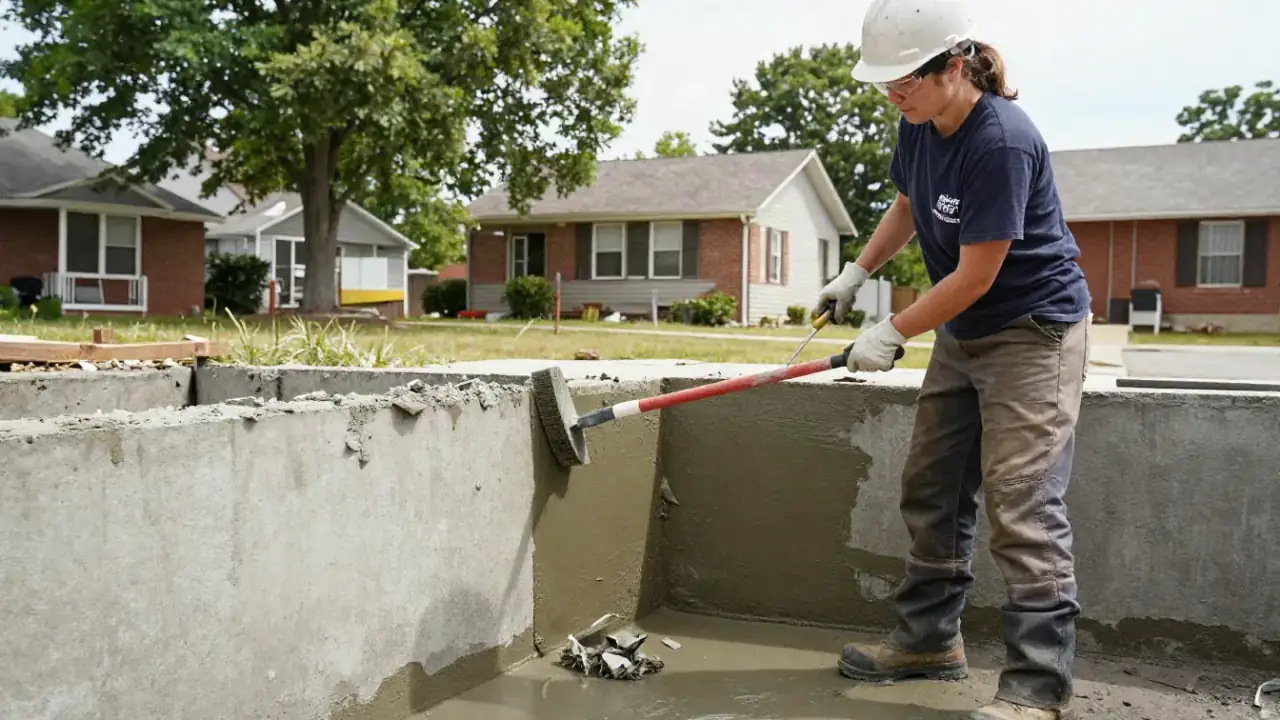
Sump pump installation Warren OH for drier basements
sump pump installation Warren OH gives homeowners a controlled way to move groundwater away before it damages floors, stored belongings, or finished rooms. We install a correctly sized pump, basin, check valve, and discharge line, then test the system under load. If your basement takes on water after heavy rain or the old pump runs constantly, our team assesses the source and recommends a practical fix for your Warren, Ohio property.
Protects work areaFloor coverings go down before cutting.
Checks float travelWe confirm free movement in basin.
Tests water flowThe system runs before cleanup.
Explains outlet routeYou see where pumped water exits.
What sump pump installation includes
Our installation covers assessment of the collection point, pump selection, basin setup when required, discharge piping, and an operating test. We explain add-on work before proceeding when the site needs new drain tile, electrical changes, a battery backup, or repairs to another water-entry point. That distinction matters: replacing a failed pump is not the same job as building a new drainage route beneath the floor.
Basin location check
We inspect the existing basin or identify a suitable pit location based on water entry, slab layout, and access. If a new basin is required, we describe the floor preparation and excavation before cutting begins.
Pump and control setup
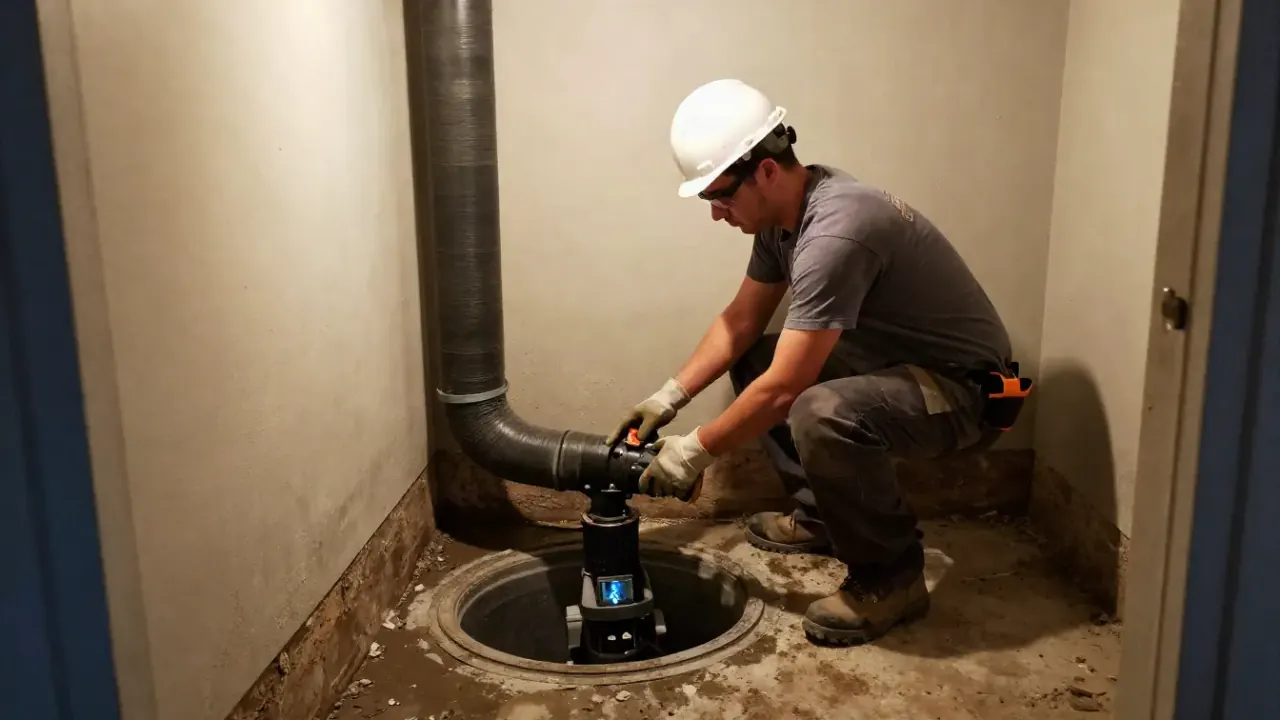
We fit a pump selected for the measured lift and expected water load, then position the float so it can move freely. The check valve is installed in the correct direction to limit water returning to the basin.
Discharge pipe connection
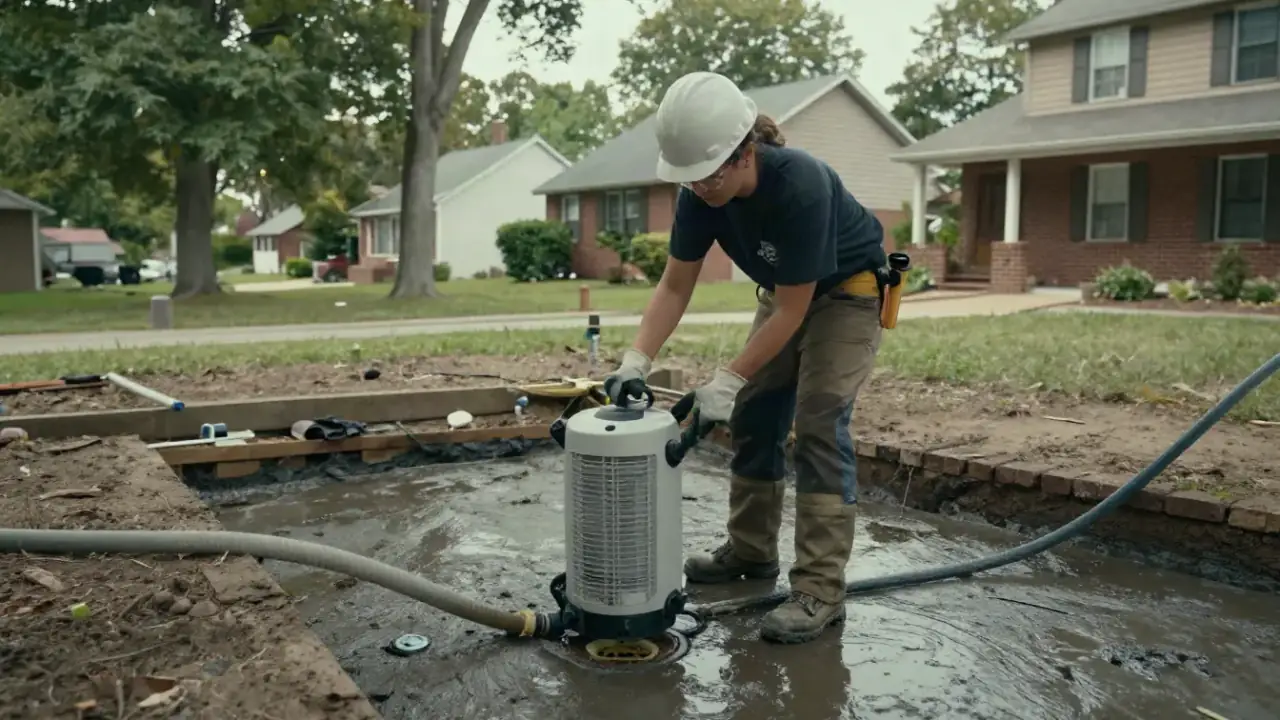
We connect and route the discharge pipe to a suitable exterior outlet away from the foundation. The route is checked for secure joints, practical slope, and conditions that could cause blockage or freezing.
System operation test
We add water to the basin and observe the activation, pumping, and shutoff cycle. You see the result and learn what normal operation sounds like, along with basic checks to perform during the year.
Backup option review
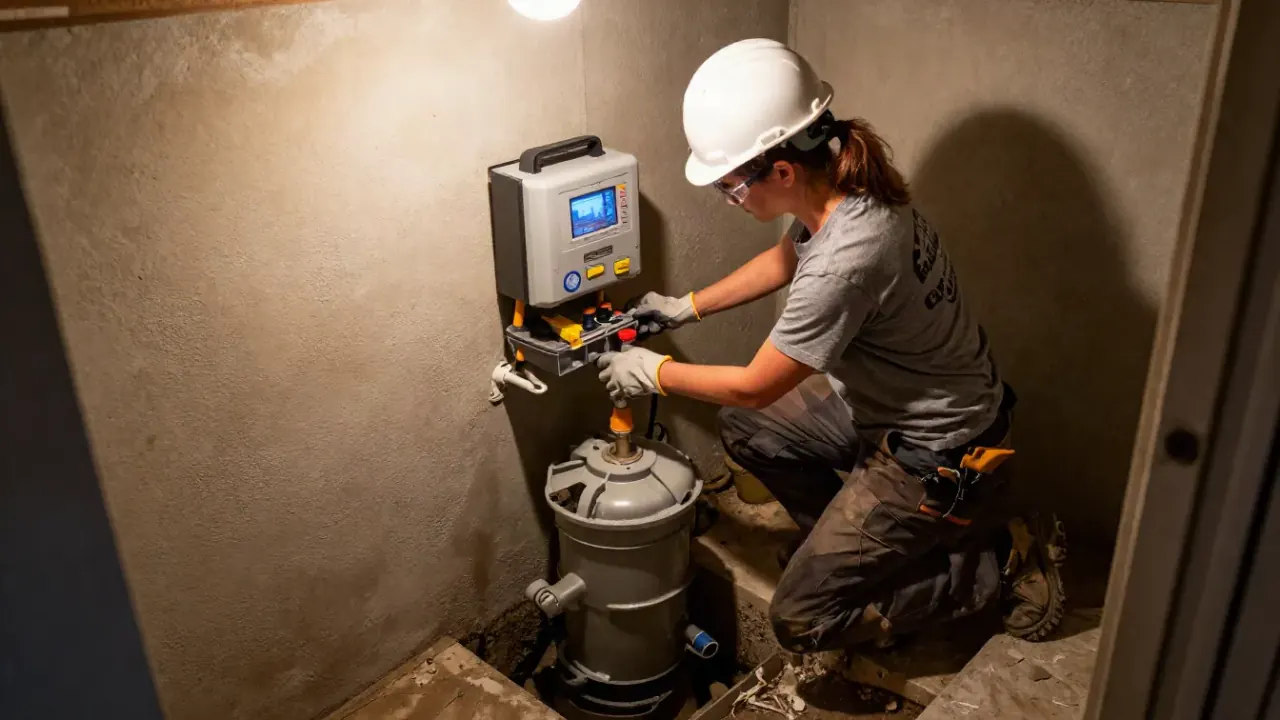
We review whether a battery backup sump pump fits your power-outage risk and system layout. If you choose one, the backup float, battery placement, and alarm operation are checked as part of its setup.
Homes and businesses.
The approach is the same for a home and a business. What changes is the access, the schedule and who needs the paperwork.
Homes and rentals
We plan around finished floors, stored belongings, and tenant access before opening the slab. You can see how the pump, float, and discharge route work.
Water after heavy rain
Pump cycling near finished rooms
Backup needed during outages
Business properties
We review basement use, equipment placement, and drainage needs with owners or property managers. The installation plan accounts for access and routine system checks.
Water near stored inventory
Mechanical room basin access
Drainage for multi-unit buildings
Sump pump installation Warren OH explained
A plain-language look at what Sump Pump Installation involves and when it is needed.
sump pump installation Warren OH is a basement drainage upgrade that collects groundwater in a basin and pumps it away from the foundation before flooding occurs. We locate the collection point, assess the existing drain tile, select pump capacity for the water load and lift height, then fit a sump basin liner, pump, check valve, and discharge pipe. A submersible sump pump sits below the waterline, keeping the floor clear and reducing operating noise. We finish by running water through the system and confirming that the float switch starts and stops the pump correctly.
Warren sits in Trumbull County, where fall rain, winter thaw, and spring storms can push water against foundations and expose failed drain tile. Basement flooding after heavy rain, efflorescence, damp carpet, or a pump that cycles every few minutes are signs the drainage route needs attention. Our sump pump system installation Warren service checks the basin, power, discharge route, and water entry points together. For homeowners researching sump pump installation cost Warren OH, the main variables are excavation, pump type, electrical access, and whether interior drain tile needs repair.
A sump pump collects groundwater at a basin and sends it through a discharge line away from the foundation.
What it does
A pump removes collected groundwater from a basin and routes it outside through a discharge pipe.
When it helps
Install one when groundwater repeatedly collects beneath the basement floor or an existing pump cannot keep up.
What happens
We inspect, fit the pump and piping, run a water test, and explain routine checks.
What to expect during installation
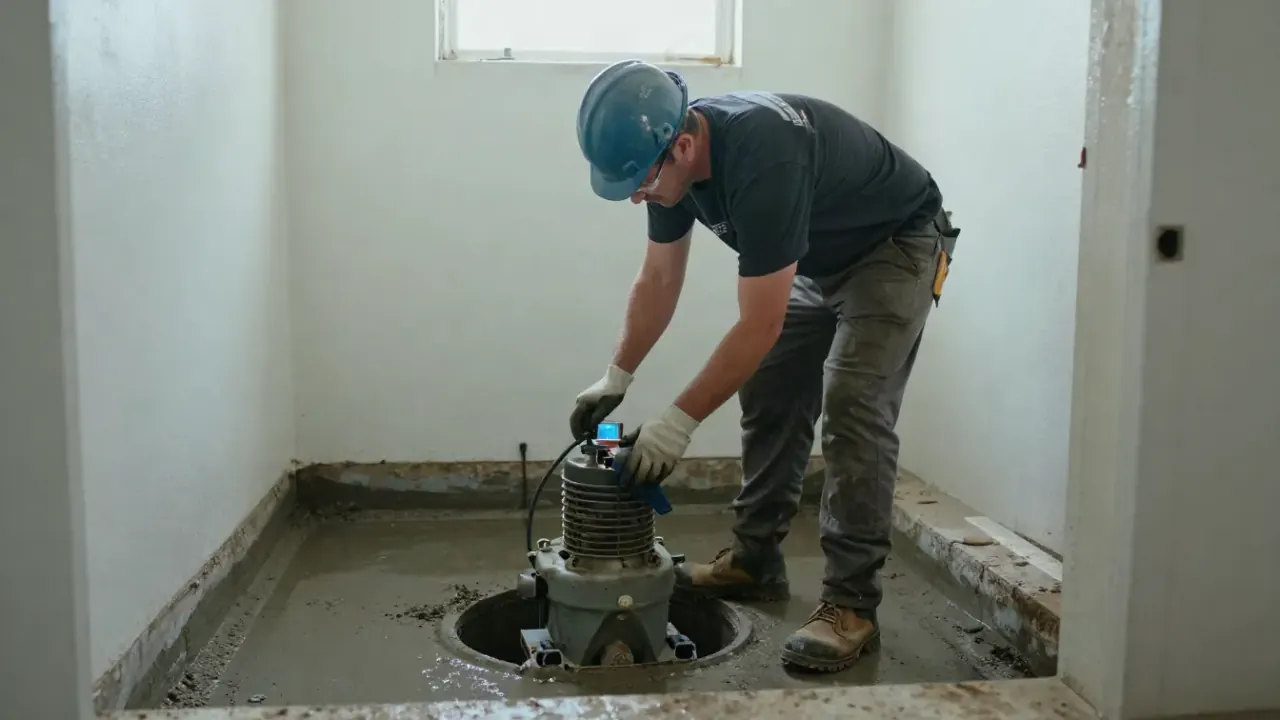
Sump pump installation Warren OH starts with tracing where water enters and ends with a working discharge test. We explain each step before equipment goes in, protect the work area, and keep you informed about what we find beneath the slab.
Inspect water paths
We walk the basement with you, check visible seepage and staining, and inspect the existing basin or drain tile. A moisture meter helps compare damp areas, while a hydrostatic pressure test kit can inform further investigation where conditions call for it. The first visit usually takes 30 to 60 minutes, depending on access and the number of wet areas.
Inspect
Trace water
Check basin
Plan basin location
We identify a practical low collection point, check slab conditions, and trace a discharge route that carries water away from the foundation. You will see where the basin, pump, check valve, and pipe sit before cutting begins. We also discuss power access and whether a battery backup sump pump belongs in the plan.
Plan
Choose location
Route pipe
Prepare the floor
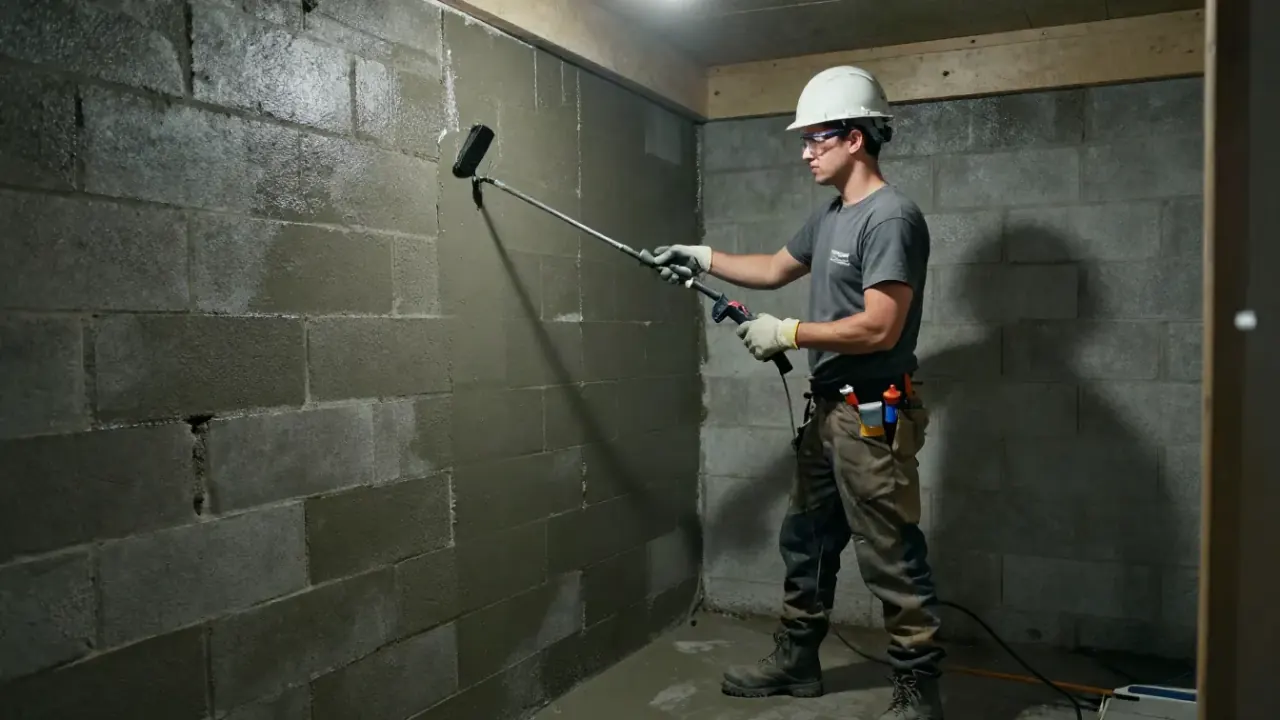
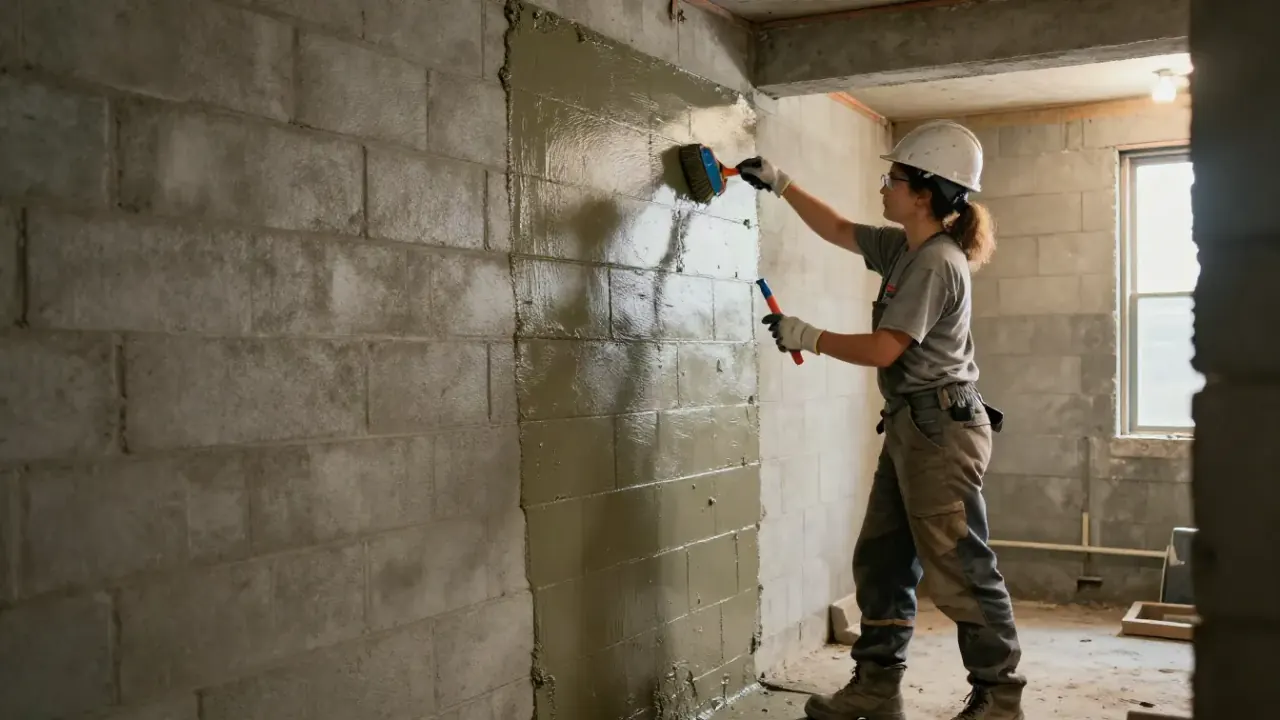
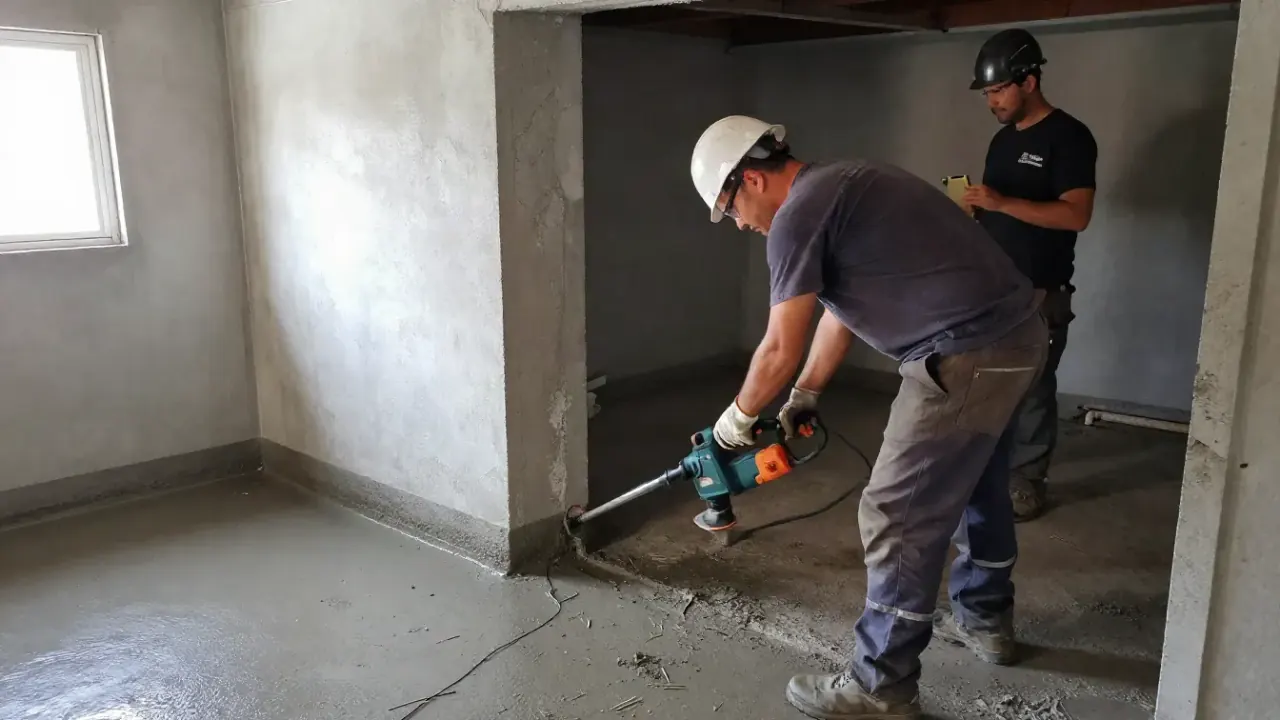
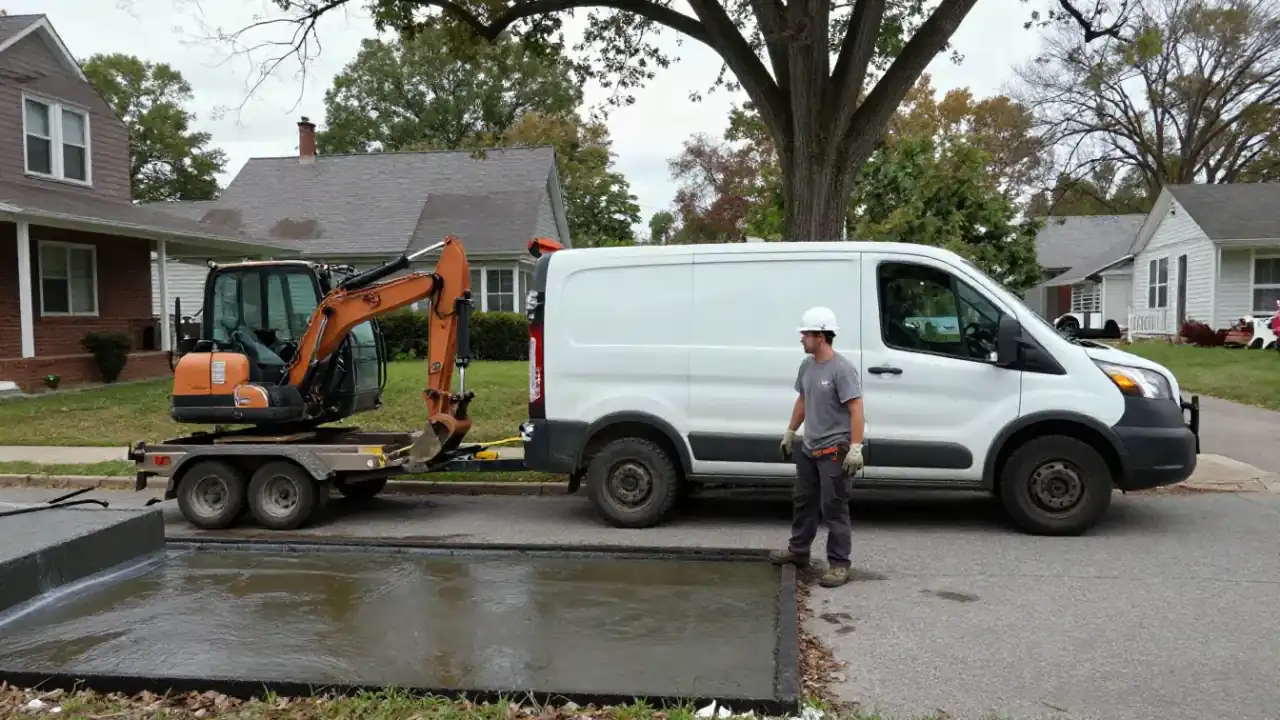
For a new basin, we isolate the work zone and cut the concrete with a concrete saw, then remove the slab material and excavate the pit. A trenching machine is used only when the layout and access suit it; smaller interiors call for controlled hand excavation. Dust and debris are contained as the opening is prepared.
Prepare
Protect floor
Excavate pit
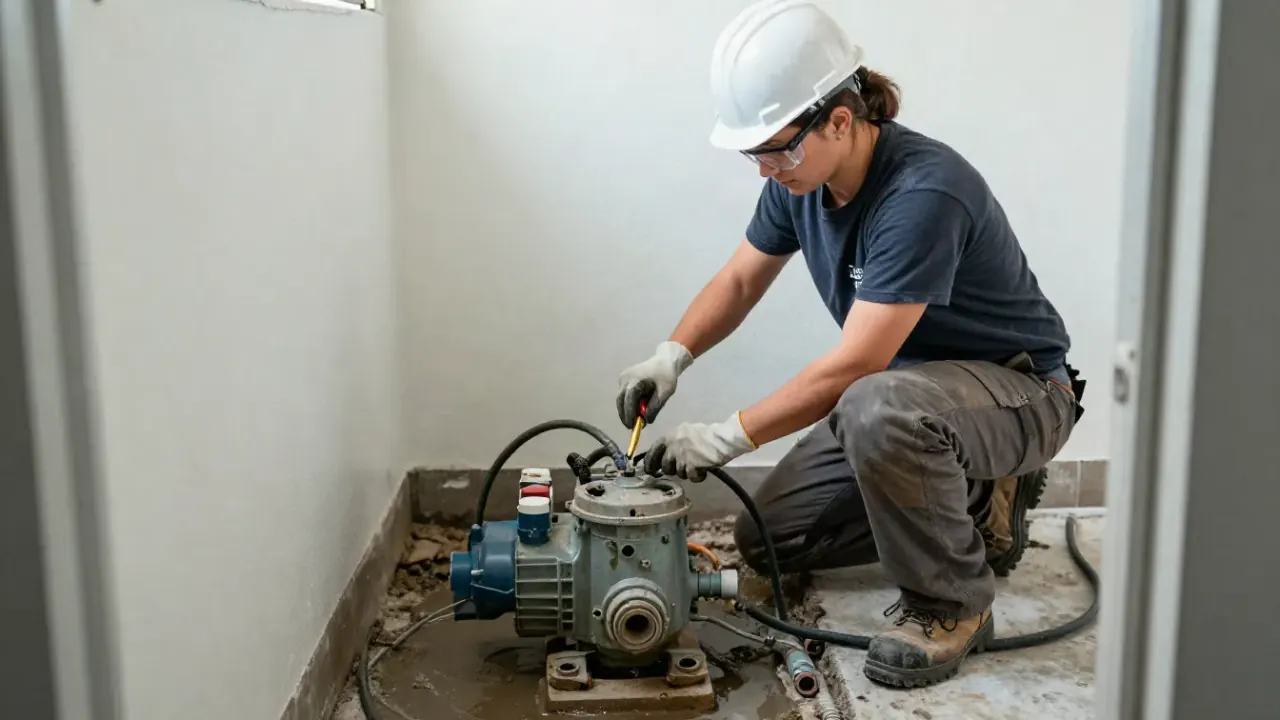
Fit pump and pipe
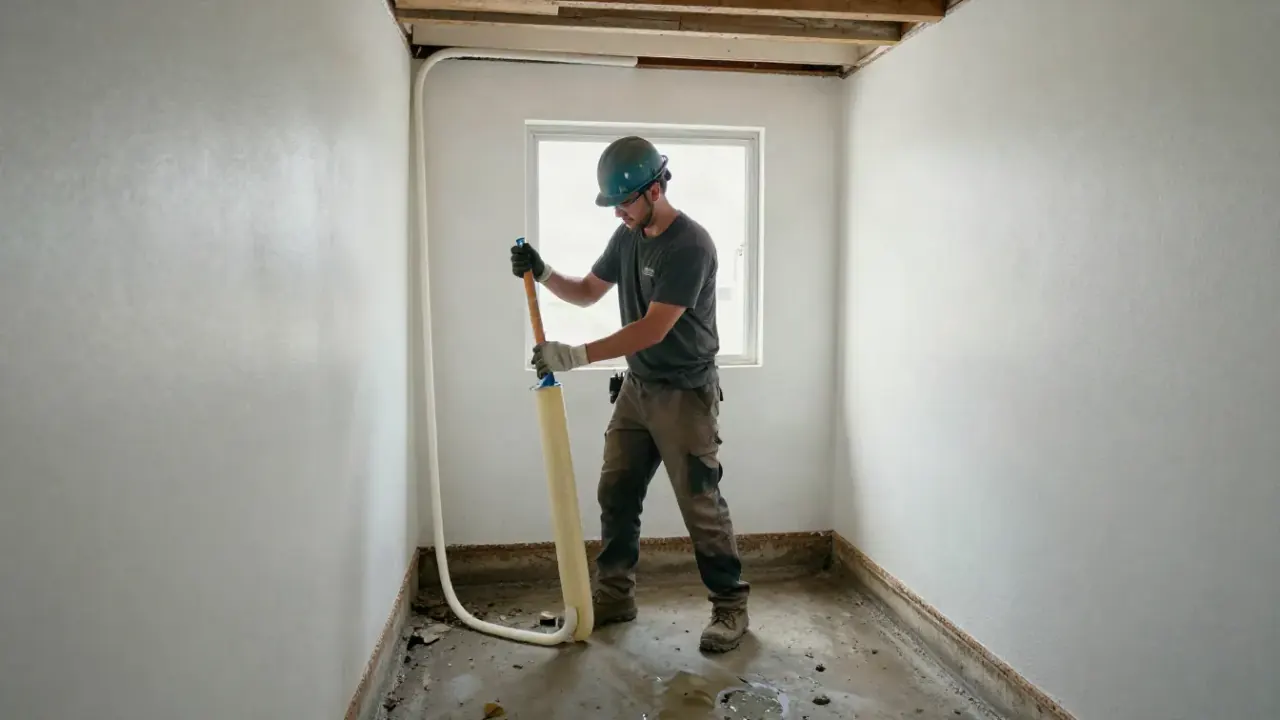
We set the sump basin liner level, place the selected pump, connect the check valve, and route the discharge pipe. Where the drainage plan needs it, perforated drain tile and a washed gravel bed feed water toward the basin. Installation commonly takes 4 to 8 hours for a straightforward replacement or new pit, with added time for drain work.
Install
Fit pump
Connect pipe
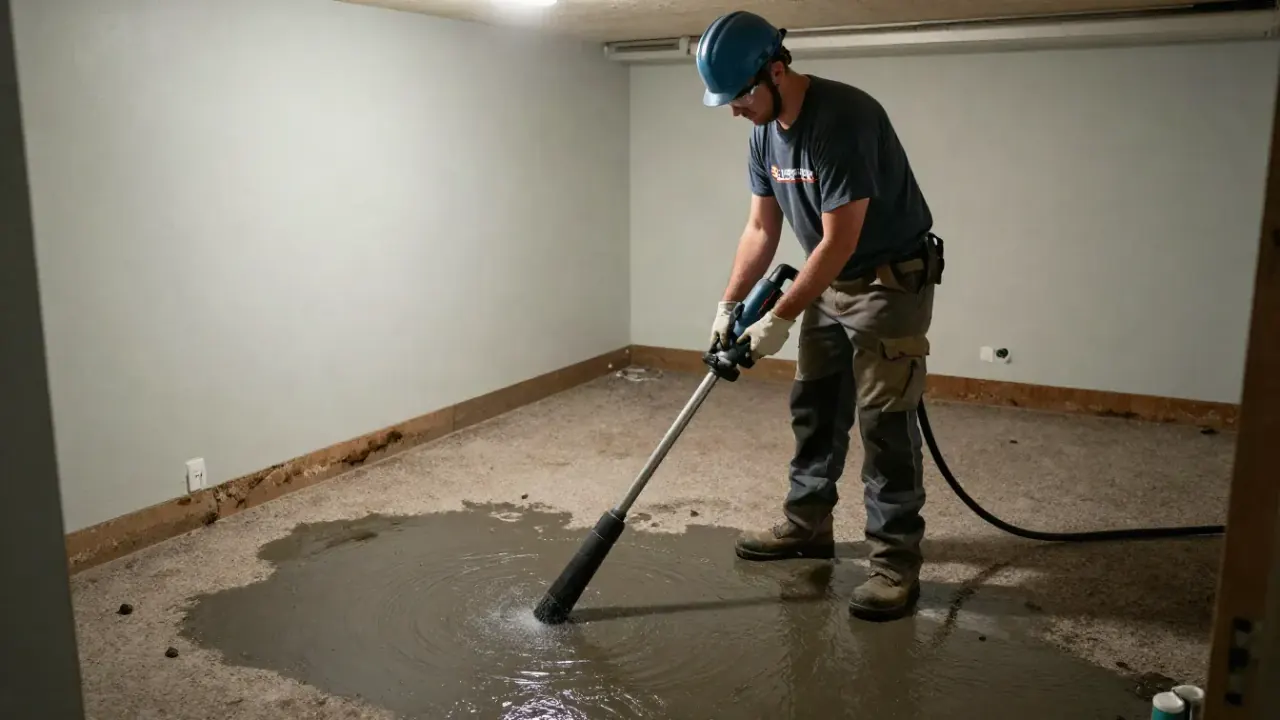
Run a water test
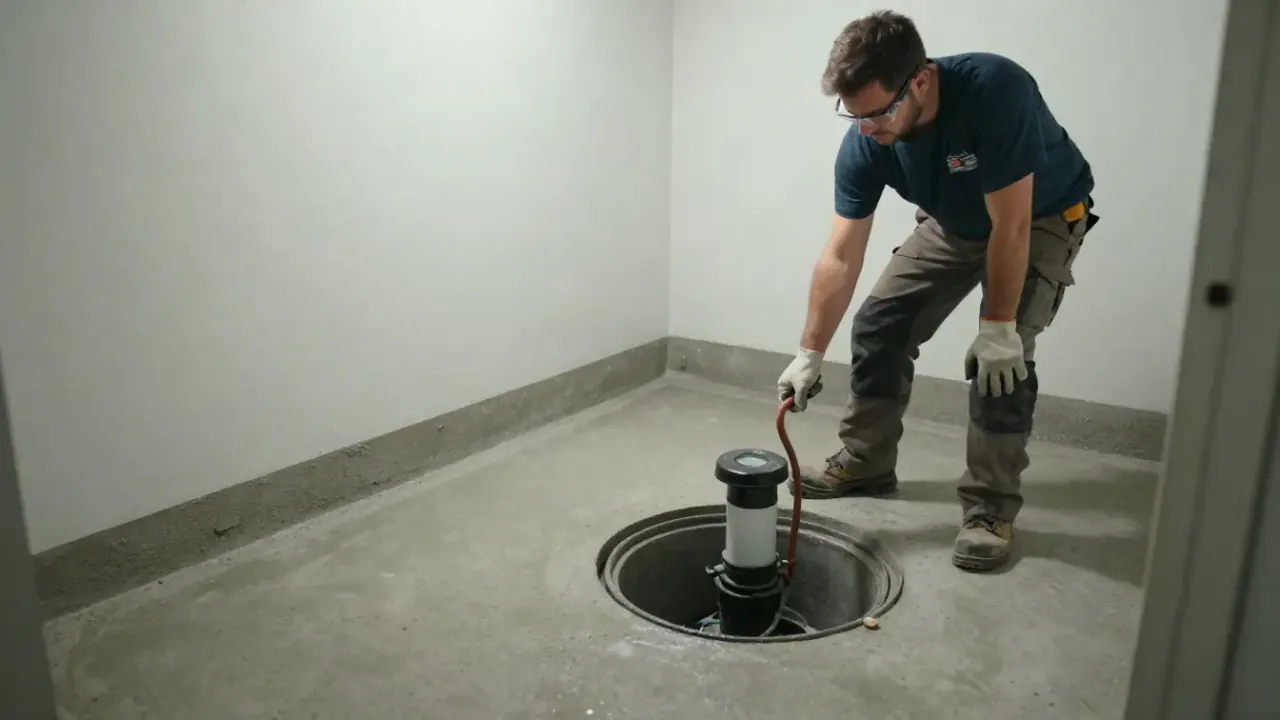
We add water to confirm the float switch activates, the pump clears the basin, and the check valve prevents backflow. Then we inspect pipe joints and explain what to listen for during operation. You receive basic care instructions, including checking the basin every few months and clearing leaves or ice from the exterior outlet.
Test
Run water
Explain care
Equipment and installation methods
Move across a circle, or focus it and press Enter, for an illustrative thermal view of the photograph.
Moisture meter
We compare damp areas around the basement to help locate active seepage and distinguish a wet wall from broader floor moisture.
Concrete saw
When a new basin or interior drainage route is needed, we use a concrete saw to make controlled cuts through the slab before excavation.
Submersible sump pump
This pump sits in the basin below the waterline, leaving the surrounding floor clear while a float switch triggers pumping as water rises.
Battery backup sump pump
A backup unit provides a secondary pumping option during a power interruption. We check fit, float operation, alarm, and battery access.
Perforated drain tile
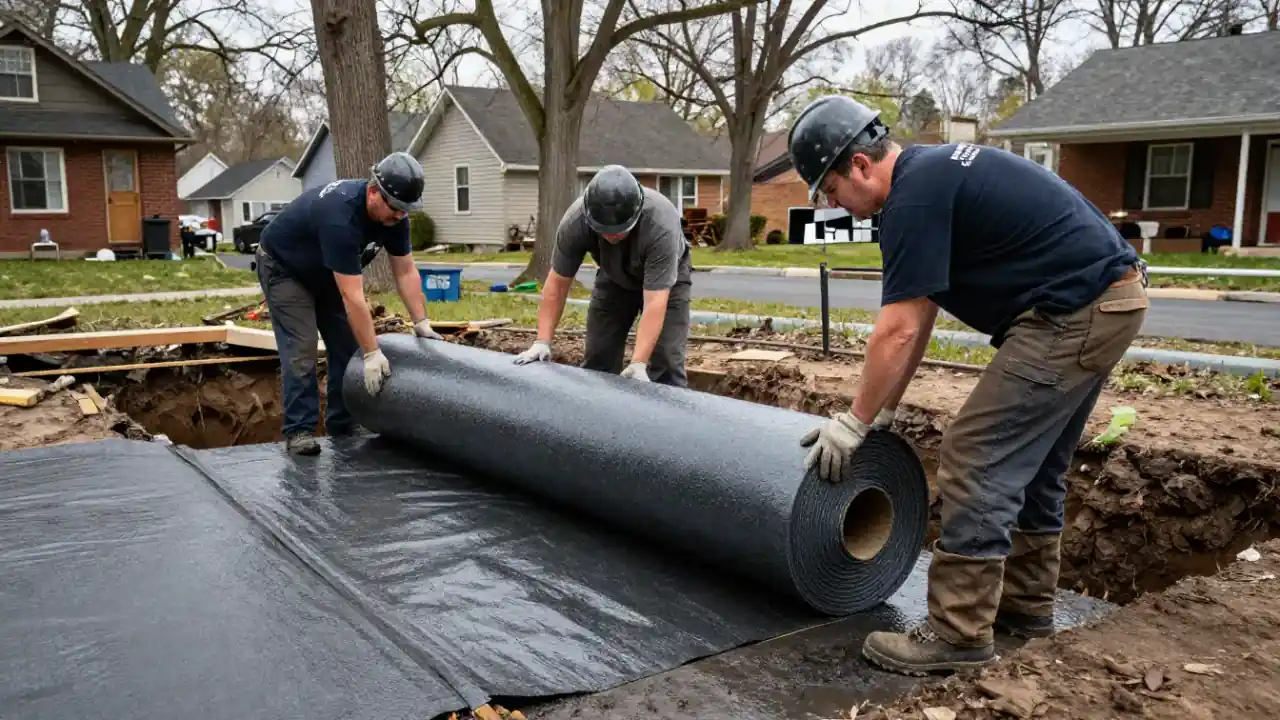
Where an interior collection route is required, perforated drain tile carries groundwater through a gravel bed toward the sump basin.
Thermal views are illustrative, generated from the photographs.
Methods
Zoeller and Liberty Pumps
We consider established pump brands such as Zoeller and Liberty Pumps alongside the required capacity, basin fit, and discharge conditions.
Measured capacity selection
We account for water inflow, vertical lift, pipe length, and outlet restrictions before selecting a pump. Horsepower alone does not describe performance at the installed height. Matching the pump to those conditions helps avoid a unit that cannot keep up or cycles too frequently.
Basin and drain integration
The basin must receive water from the intended collection area and leave enough clearance for the float to move. When the plan includes perforated drain tile, we use a gravel bed to support drainage toward the pit. We check that the basin cover and surrounding floor finish suit the installation.
Discharge routing and backflow check
We install a check valve to reduce water falling back into the basin after the pump stops, then route the discharge away from the foundation. The outlet is reviewed for slope, obstruction, and cold-weather exposure. A water test shows whether the full route carries flow as intended.
Live cycle verification
We introduce water to the basin and observe the float activation, pump run, and shutoff. During the test, we check for leaks at fittings and confirm that the basin level drops. We also review normal pump sounds and the maintenance checks that help catch a problem early.
When to install a sump pump
Rainwater entry
A Warren basement takes on water at the floor joint each time prolonged fall rain saturates the yard.
We map the wet area, inspect whether interior drain tile is collecting groundwater, and establish a basin where water can be controlled. We connect the drainage path to a correctly sized pump and route the discharge away from the foundation. A live test confirms the basin clears and the float resets.
Outcome: You get a defined collection point instead of water spreading across the slab, with a tested discharge path ready for the next rain.
Aging pump
A finished basement in Howland Center has an aging pump and carpet close to the basin.
We assess the old pump, basin depth, and available clearance before selecting a replacement. Our team protects the surrounding floor, changes the pump and valve as required, and tests the full operating cycle. We can also discuss backup equipment if loss of power is a concern.
Outcome: The replacement is matched to the existing layout, and you see the new unit move water before we finish.
Power outage
A Bolindale home loses power during storms while groundwater continues filling its sump basin.
We check primary pump operation, basin dimensions, and battery placement, then fit a compatible backup system when the layout allows. We demonstrate the backup float and alarm and show you how to inspect the battery. The exterior outlet is checked for blockage at the same visit.
Outcome: Your drainage setup has a secondary pumping option during an outage, with simple checks you can perform between service visits.
Frequent cycling
A Warren homeowner notices efflorescence and a pump that cycles every few minutes.
We inspect the wall and floor for water pathways, measure damp areas, and check the discharge for backflow or obstruction. We determine whether the pump is undersized or whether the system is receiving excess water. If a crack or failed drain tile is involved, we identify that repair alongside the pump work.
Outcome: You learn why the system is cycling and get a repair plan that addresses the cause rather than only changing the pump.
Howland CenterBolindaleMcKinley Heights
How pump installation works in Warren
Sump pump installation Warren OH requires attention to both heavy rain and freeze-thaw periods. Fall storms saturate yard soil, while winter thaws can send water toward older foundations; in spring, a rising water table may reveal failed drain tile.
Many Warren homes have basements where the slab, foundation walls, and existing drainage were built at different times, so we inspect the actual layout before choosing a basin or discharge route. Our sump pump system installation Warren plan accounts for floor access, finished rooms, power supply, and where water can safely exit.
We check that discharge does not return toward the foundation and discuss seasonal protection against ice or leaves. A common sign of trouble is efflorescence near the floor joint followed by water after a storm. Our team tests the pump under water, checks the valve and pipe, and explains whether a separate wall or grading repair is needed.
Howland Center: Basements with finished floors need careful work-area protection and a discharge route that does not send water back toward landscaped foundation beds.
Bolindale: Where a pump sits near stored belongings, we check basin access and float clearance so routine inspection stays practical after installation.
McKinley Heights: Older drainage layouts can include buried or inaccessible tile; we inspect the existing collection path before connecting a new pump.
Warren: Properties with recurring floor-joint seepage need the basin and incoming drainage checked together, not just a quick motor replacement.
Fall rainfall saturates soil beside older Warren foundations: Saturated soil increases pressure against foundation walls and can push water through floor joints. We check visible seepage and basin performance, then confirm that the pump and discharge route can manage the collected water.
Winter thaw and freezing affect exterior discharge pipes: A pipe that holds water or sits in a cold, exposed area may freeze and block flow. We review the outlet location and routing, then explain the seasonal checks that help keep the line clear.
We walk through the basement and explain where water appears.
We protect nearby surfaces and organize the work area.
We test the pump and review outlet checks with you.
From problem to finished result.
IllustrativeThe thermal view is generated from the photograph. It is not a measurement. Drag the handle, or use the arrow keys once it is focused.
Replacing a failing basement pump
Before: The old pump in a Warren basement hummed but did not lower the basin level reliably. The float caught against the liner, and water occasionally spread across the adjacent concrete. The discharge outlet also sat close to the foundation, letting runoff soak the same area again.
After: We fitted a correctly sized submersible pump, adjusted float clearance, replaced the check valve, and routed discharge farther from the foundation. During the water test, the pump cleared the basin in under two minutes and shut off without backflow. The customer could watch the complete cycle before the work area was cleaned.
Check the basin and float every three months, especially before fall rain. Remove debris from the outlet, listen for unusual cycling, and test the pump with water at least twice a year.
Adding a new collection basin
Before: A homeowner in Howland Center had recurring water along one basement wall after prolonged rain. No basin was present, and damp marks extended about 6 feet along the floor joint. A wet/dry vacuum removed visible water, but seepage returned with the next storm.
After: We cut the slab for a basin and connected the affected collection area with perforated drain tile set in washed gravel. A submersible pump and check valve moved water through a new discharge pipe. The tested system lowered the basin level by roughly 8 inches during the cycle, and the floor stayed clear during the next rainfall.
Keep the basin lid accessible and check that the float moves freely. Inspect the outlet after storms and confirm that yard drainage does not direct runoff back beside the foundation.
Preparing for power interruptions
Before: A Warren homeowner's primary pump worked normally, but outages during storms left the finished basement vulnerable. The basin had limited room, and the family did not know whether a backup could fit or how its alarm would operate.
After: We checked the basin dimensions, installed a compatible battery backup sump pump, and demonstrated its float and alarm. The backup activated during a separate water test and discharged through the planned route. The homeowner learned where the battery sits and how to inspect its condition without removing the primary pump.
Follow the battery manufacturer's inspection schedule and test the backup several times each year. Keep the alarm audible, clear debris from the outlet, and replace batteries according to their stated service life.
Problems solved by sump pump installation
A failed or poorly placed pump leaves water free to spread through your basement. Our work addresses the collection point and discharge route, while identifying related issues that could keep bringing water back. That gives you a clear fix for the pump problem and a practical plan for any separate leak or drainage failure.
Storm floodingBasement flooding after heavy rain reaches stored belongingsRepeated water can ruin boxes, carpet, and lower-level finishes while leaving damp materials that contribute to musty odors and mold concerns. We trace where the water enters, inspect the basin and drain tile, and install a pump sized to move the collected flow. We test the float, check valve, and discharge pipe with water before leaving. If wall seepage or poor grading contributes to the flooding, we explain the separate correction needed.
Constant cyclingAn old pump runs constantly but the waterline keeps risingContinuous cycling strains the motor and may signal a stuck float, undersized pump, blocked outlet, or more inflow than the system can handle. We check the float travel, pump capacity, discharge path, and incoming water level rather than replacing parts by guesswork. After correcting the cause, we run the pump through a full cycle and confirm that water leaves the basin. We also explain what operating frequency should prompt a service call.
Power interruptionPower loss disables the only basement drainage pumpA storm-related outage can stop a primary pump while groundwater continues entering, increasing the chance of flooding before electricity returns. We assess the primary system and available basin space, then fit a compatible battery backup when appropriate. We test its float and alarm, demonstrate the battery check, and explain expected upkeep. This adds a secondary pumping option, but it does not replace regular inspection of the primary pump.
Returning dischargeWater returns because the discharge outlet sits near the houseWater discharged beside the foundation can soak the same soil again, increase seepage, and cause the pump to cycle repeatedly during wet weather. We inspect the pipe route and outlet location, then redirect discharge toward a suitable area away from the foundation. We check joints, slope, and possible freezing exposure. The final water test confirms that pumped water exits through the intended route rather than spilling near the basement wall.
Practical protection for your basement
A working pump moves collected groundwater away from your basement through a tested outlet.
Less water on floors
A properly placed basin intercepts groundwater before it spreads across a basement slab. We connect the collection area to the pump and test the discharge line, giving you a clear path for water removal during a storm. That helps protect carpet, stored items, and lower-level rooms from repeated wetting.
Pump sized to demand
We check the basin depth, vertical lift, and discharge run before choosing a pump. A Zoeller, Liberty Pumps, Wayne, or Little Giant model may suit a particular setup, but the right choice depends on measured conditions, not brand alone. Correct sizing helps avoid short cycling and premature wear.
Better outage readiness
A battery backup sump pump provides a second pumping path if household power fails during severe weather. We check where the backup battery and float can fit, explain routine testing, and confirm that the discharge route remains clear. You can decide whether backup equipment fits your home and risk level.
A tested drainage route
Installation includes a controlled test of the pump, float switch, check valve, and accessible discharge pipe. We verify that water exits away from the foundation rather than returning toward the basin. You see the system cycle before we wrap up, instead of relying on an assumption that it works.
What you receive
Clear records you can keep and share.
Test record
Notes the pump cycle and outlet check.
Photo log
Shows accessible basin and pipe details.
Care notes
Lists routine basin and outlet checks.
System summary
Records installed pump and discharge layout.
Separate collection from discharge
A pump only works as intended when incoming water reaches the basin and discharged water stays away from the foundation.
Primary pump
The main unit handles normal groundwater collection.
Sized for lift and flow
Float starts the cycle
Needs clear discharge
Backup pump
A secondary unit adds pumping during primary or power interruptions.
Uses separate controls
Needs battery checks
Alarm signals activation
Drainage route
Tile and piping guide collected water to a suitable outlet.
Tile feeds the basin
Valve limits backflow
Outlet stays clear
System components
Sump basin
Float switch
Check valve
Discharge pipe
Drain tile
Washed gravel
Battery backup
Outlet
Service ZIP codes.
A list like this tells people straight away whether you cover their street. Not listed? Call and ask: it only takes a minute.
Typical 2026 pricing in Warren depends on excavation, pump capacity, discharge distance, electrical access, and whether drain tile is needed. We inspect those conditions and explain upfront pricing before work begins. Battery backup equipment or extensive interior drainage increases the total.
You likely need one if groundwater repeatedly enters your basement, the floor stays damp after storms, or your existing pump fails to control rising water. We check where water enters and whether drain tile reaches a collection point. A sump pump installation near me Warren Ohio search should lead to an assessment of the source, not an automatic pump recommendation.
Pump capacity depends on the incoming water volume, vertical lift, and length and diameter of the discharge line; there is no single size for every Warren home. Many residential systems use pumps rated around one-third to one-half horsepower, but site measurements determine suitability. We check the basin and outlet route, then explain the capacity choice. Oversizing can cause short cycling, while undersizing may not keep up during heavy inflow.
The discharge should carry water away from the foundation to a location where it will not flow back into the basement or create a hazard. We route the pipe toward a suitable exterior drainage area, account for slope and winter freezing, and check the outlet for blockage. Warren OH sump pump installation should also consider downspout outlets and yard grading so pumped water does not collect beside the home.
If your basement pump has stopped, runs constantly, or cannot keep up after rain, call Warren Waterproofing Pros at (555) 123-4567. We will inspect the basin, water path, and discharge route, then explain the next practical step. Our team serves Warren, Ohio and nearby Trumbull County communities.
Tell us where water is showing up, how long it has been happening, and whether a sump pump or drain is involved. Call (555) 123-4567 during our weekday business hours, Monday through Friday, 8 a.m. to 6 p.m. We serve Warren, Ohio, and nearby communities, and will help you plan the right inspection for your basement or crawl space.