Basement moisture control Warren OH for drier basements
Our basement moisture control Warren OH service helps homeowners and property managers tackle damp air, condensation, and musty odors at their source. We inspect the basement, measure humidity, trace water entry, and match dehumidification to the conditions in your home. For basement dehumidifier installation Warren customers get equipment sized to the space, a clear drainage plan, and practical guidance for keeping moisture in check through wet fall weather and winter.
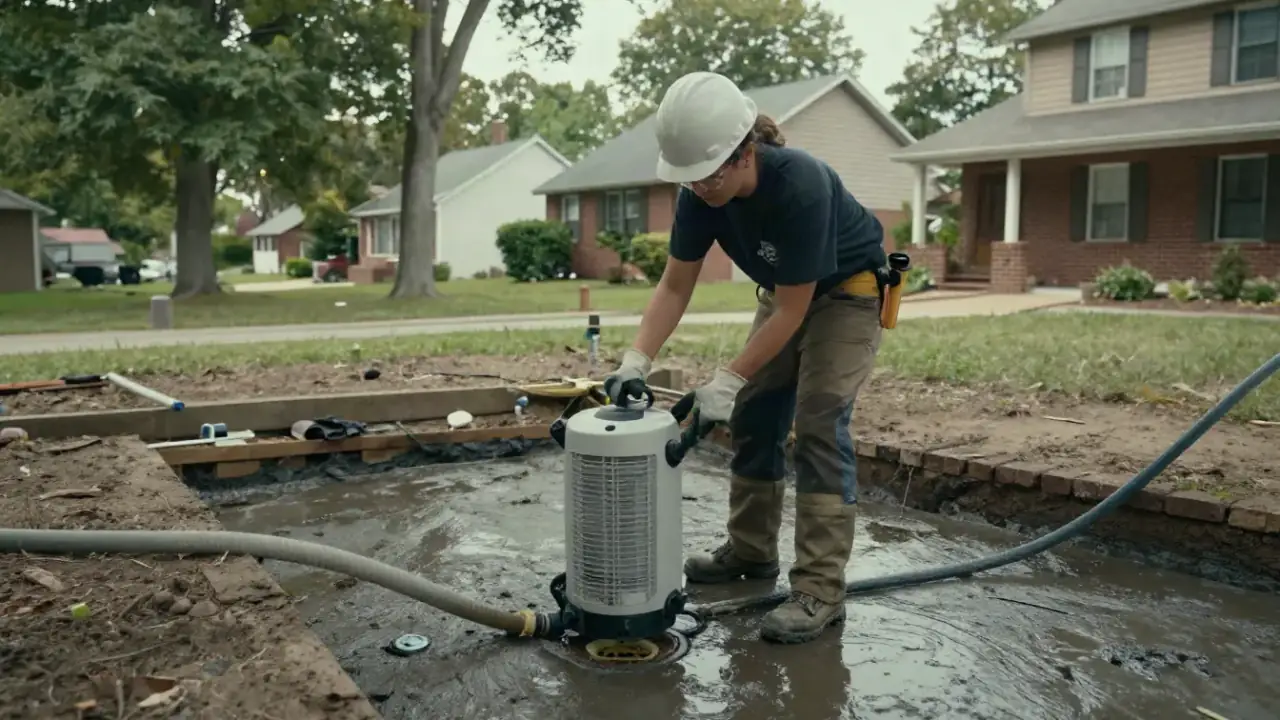
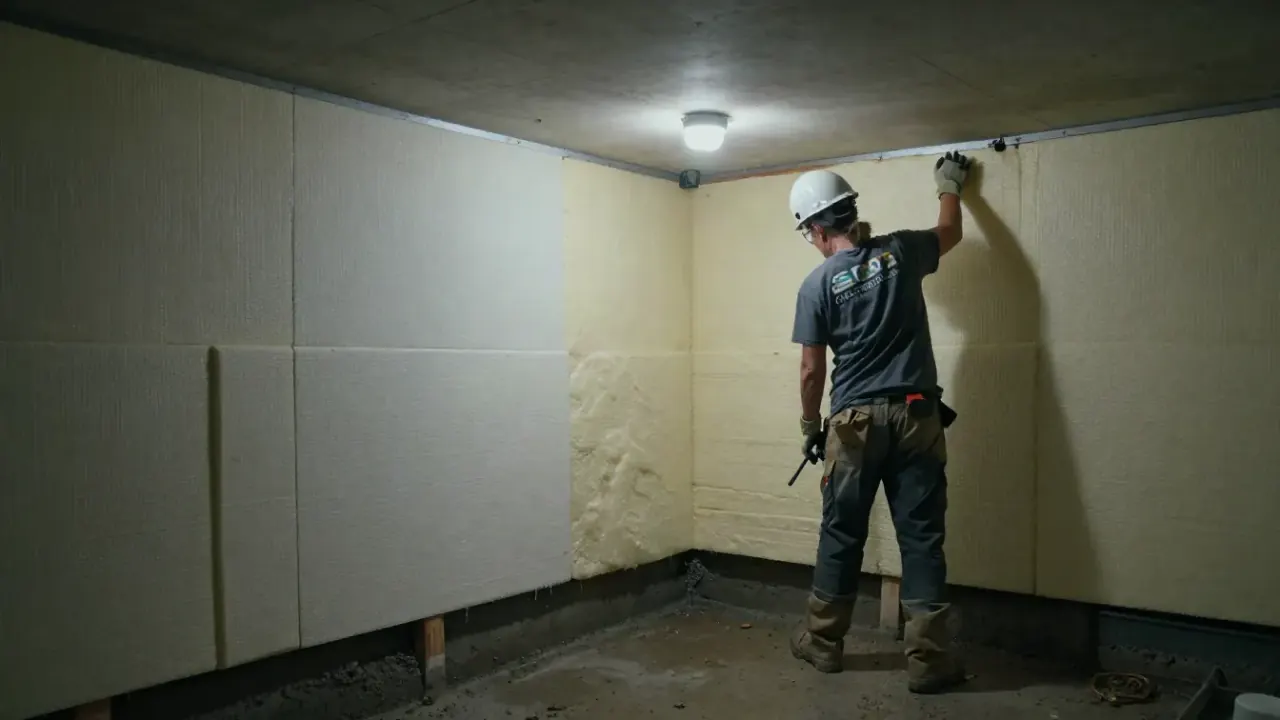
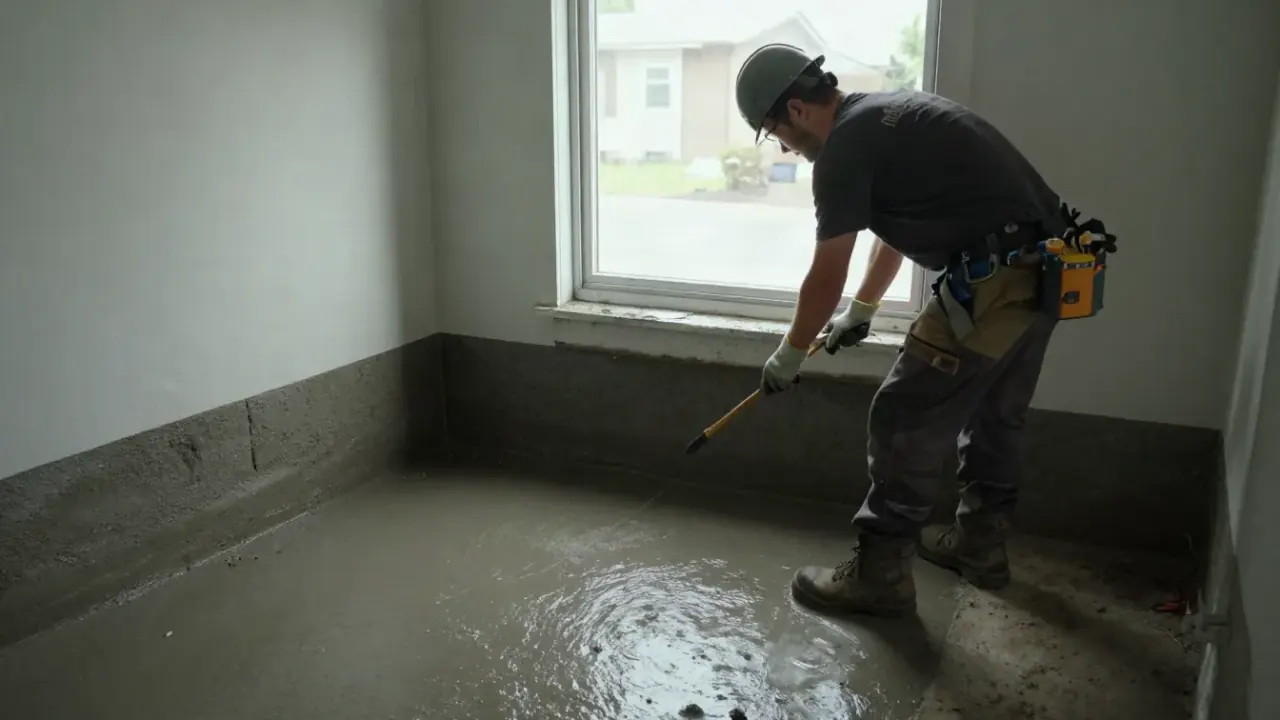
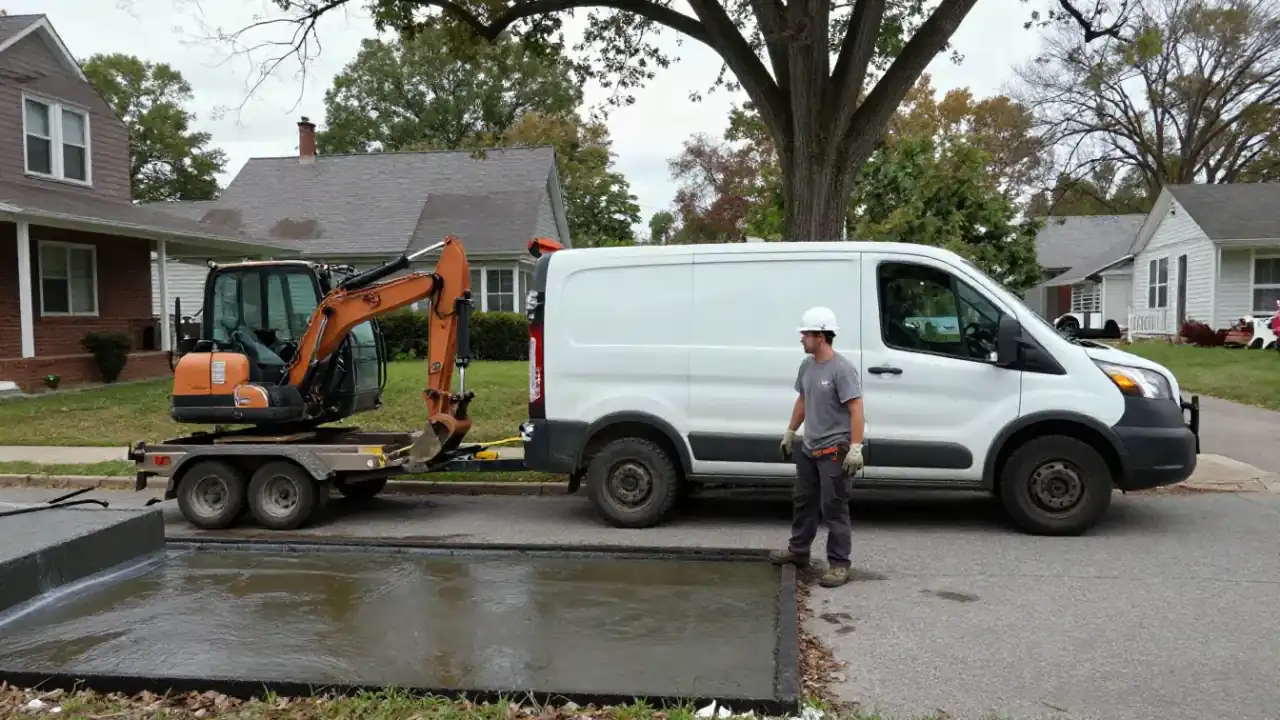
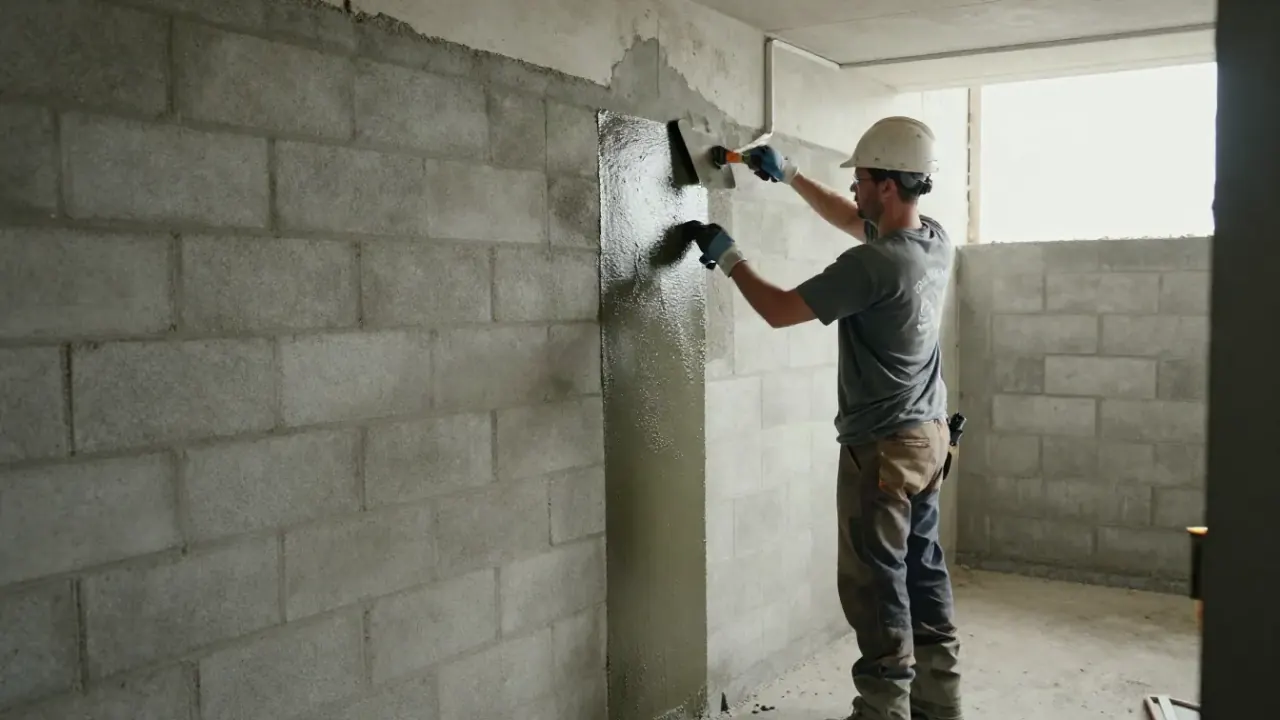
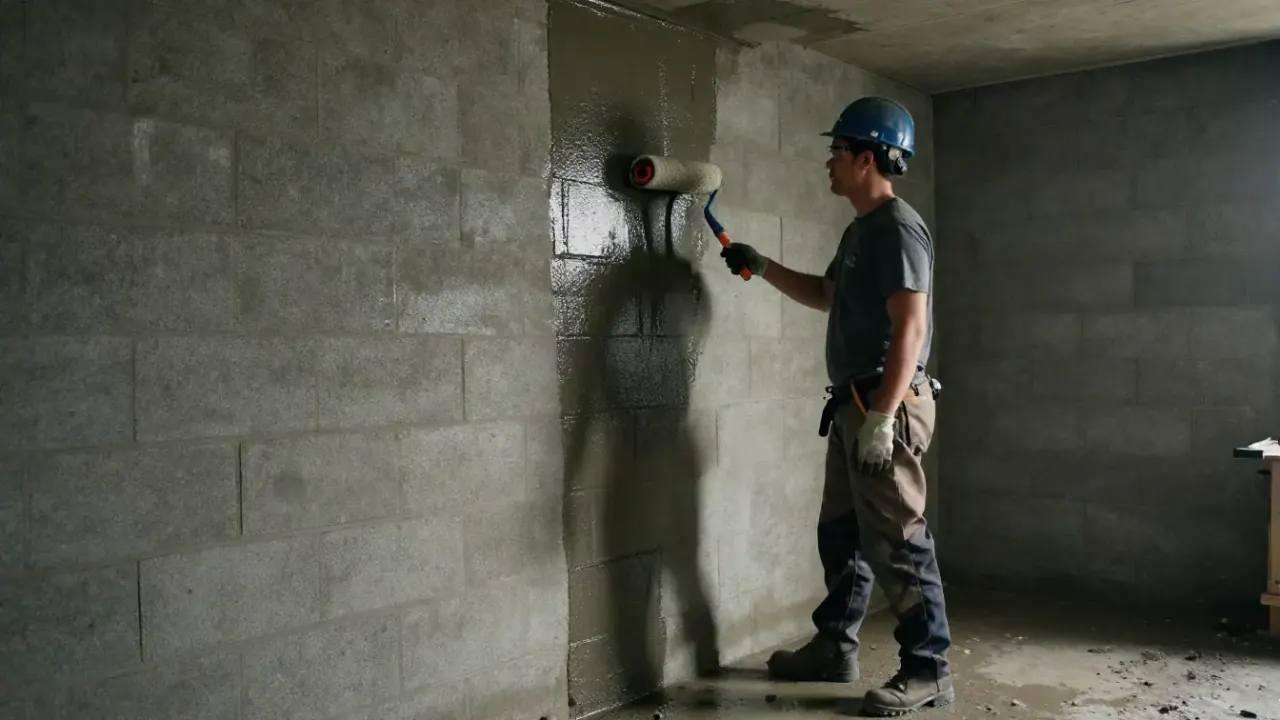
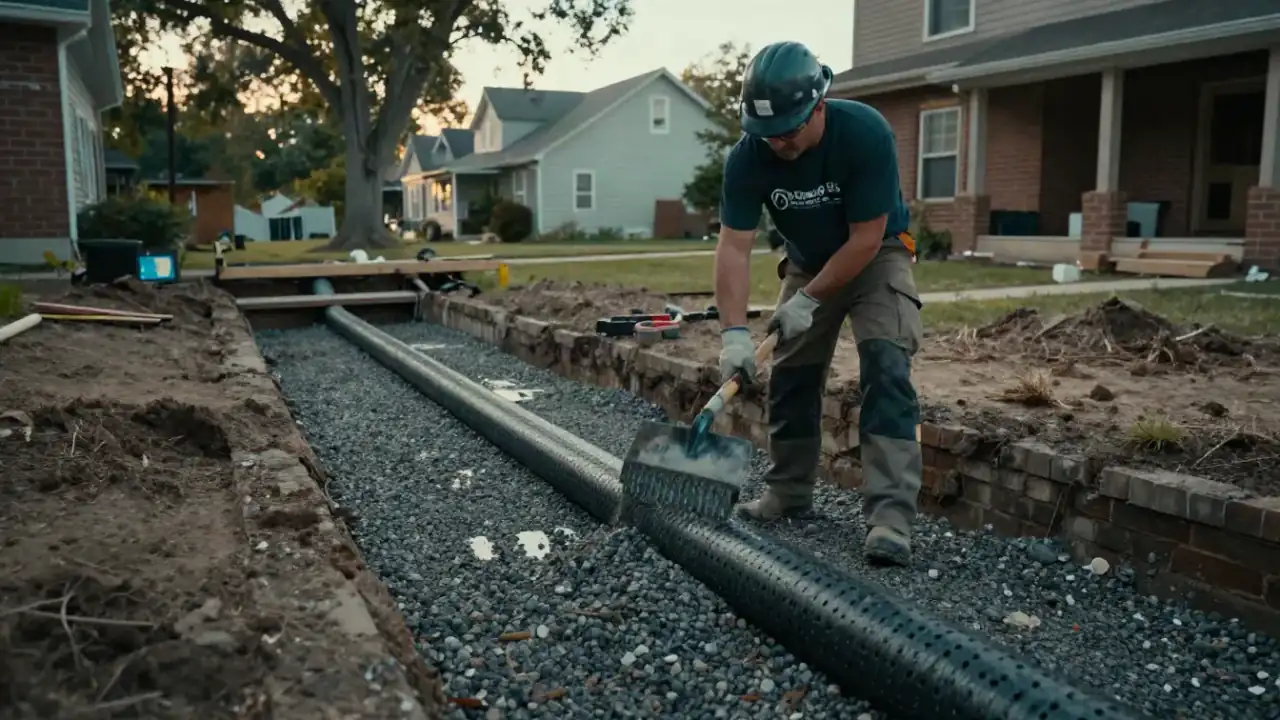
Protects walkwaysKeeps tools and materials organized
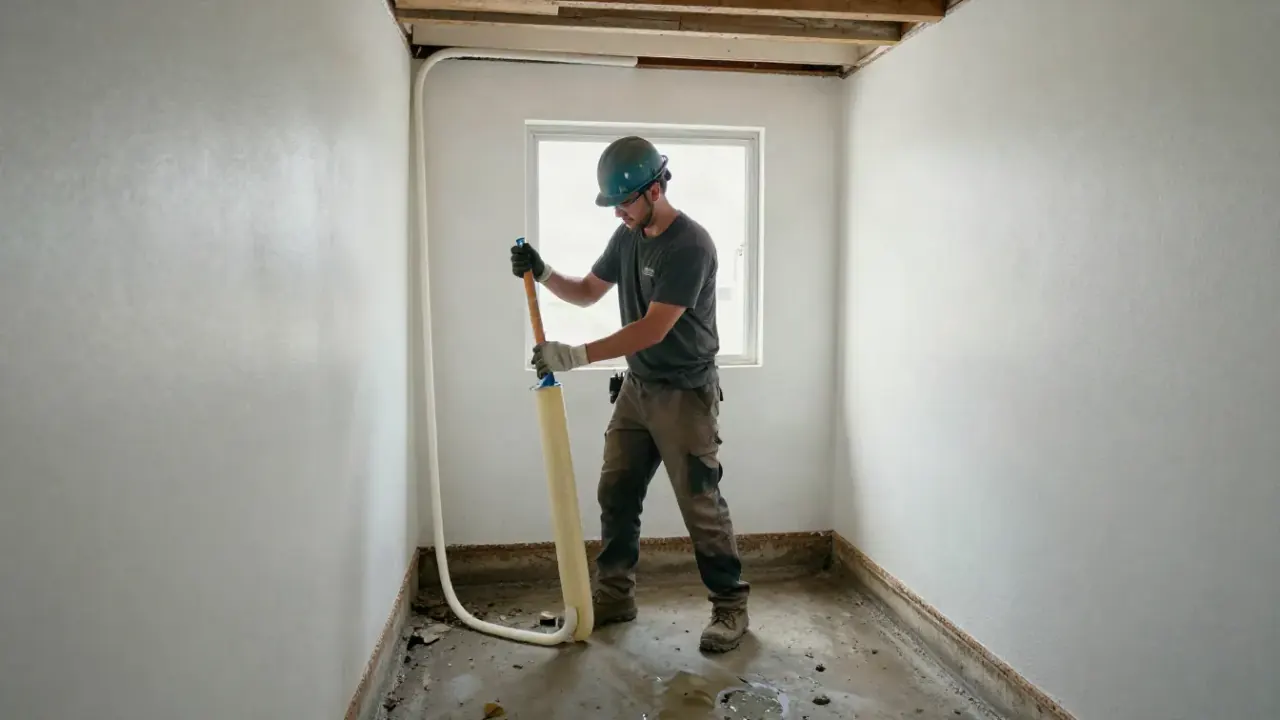
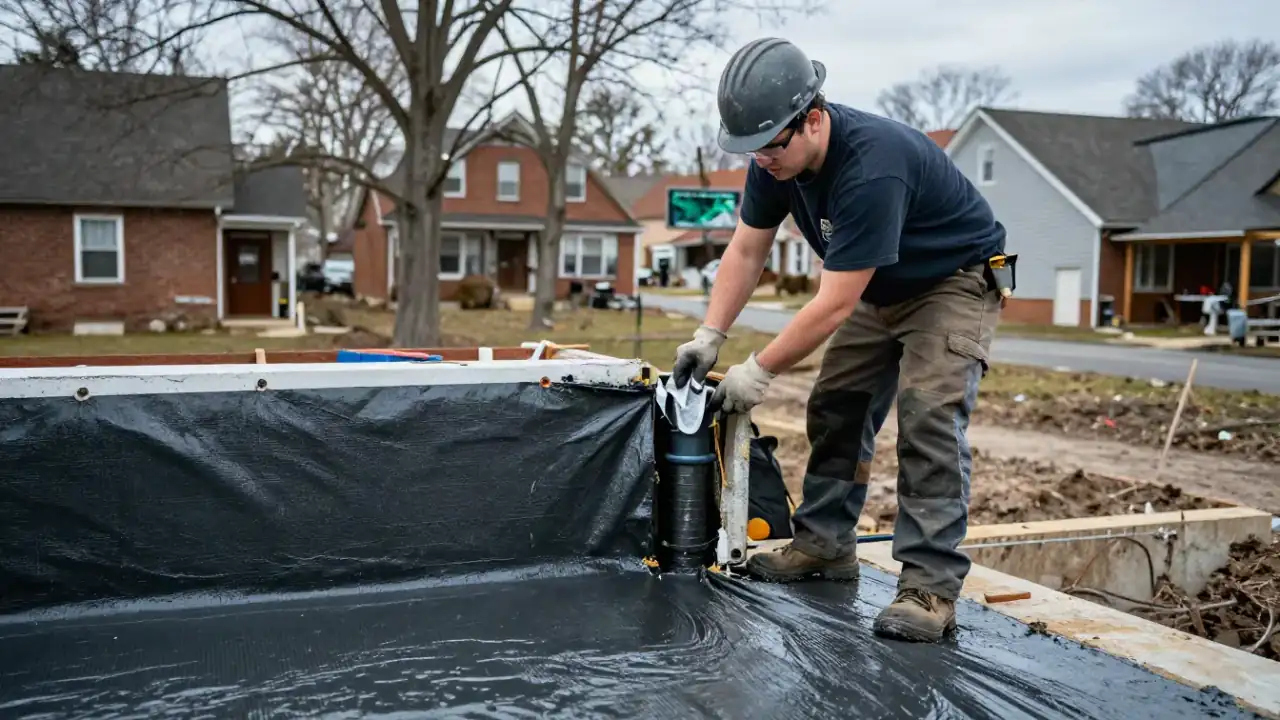
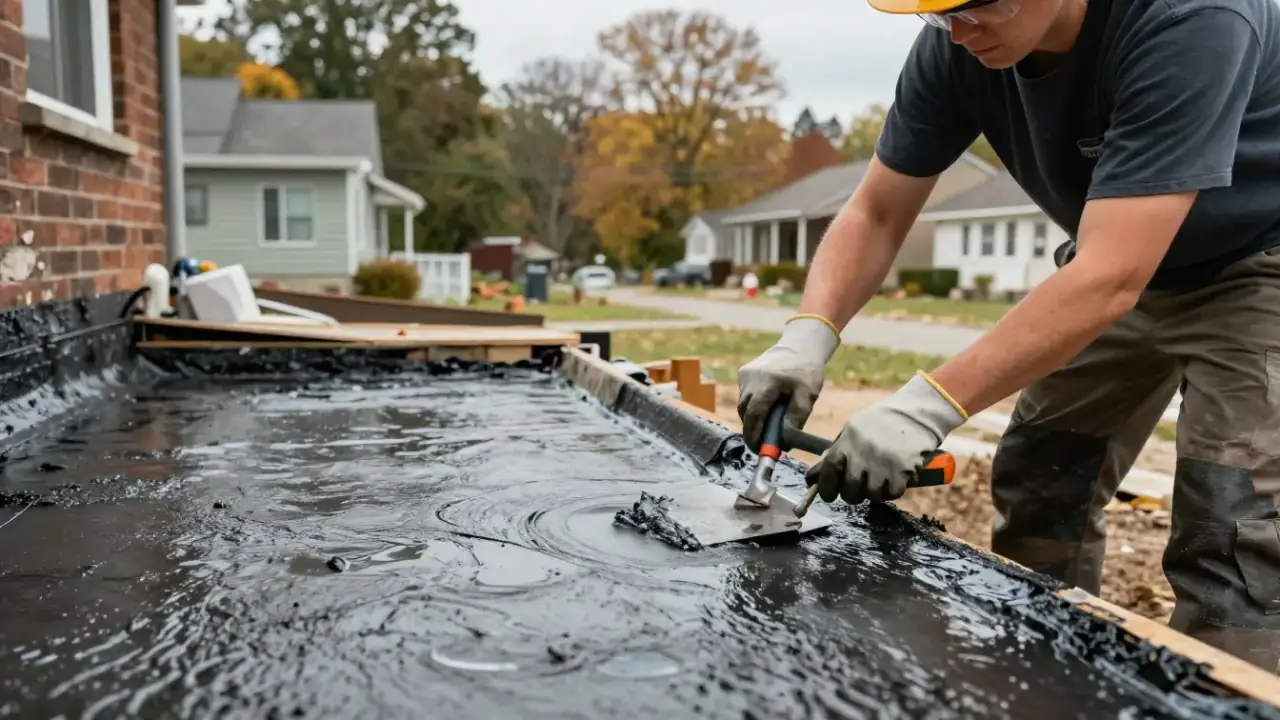
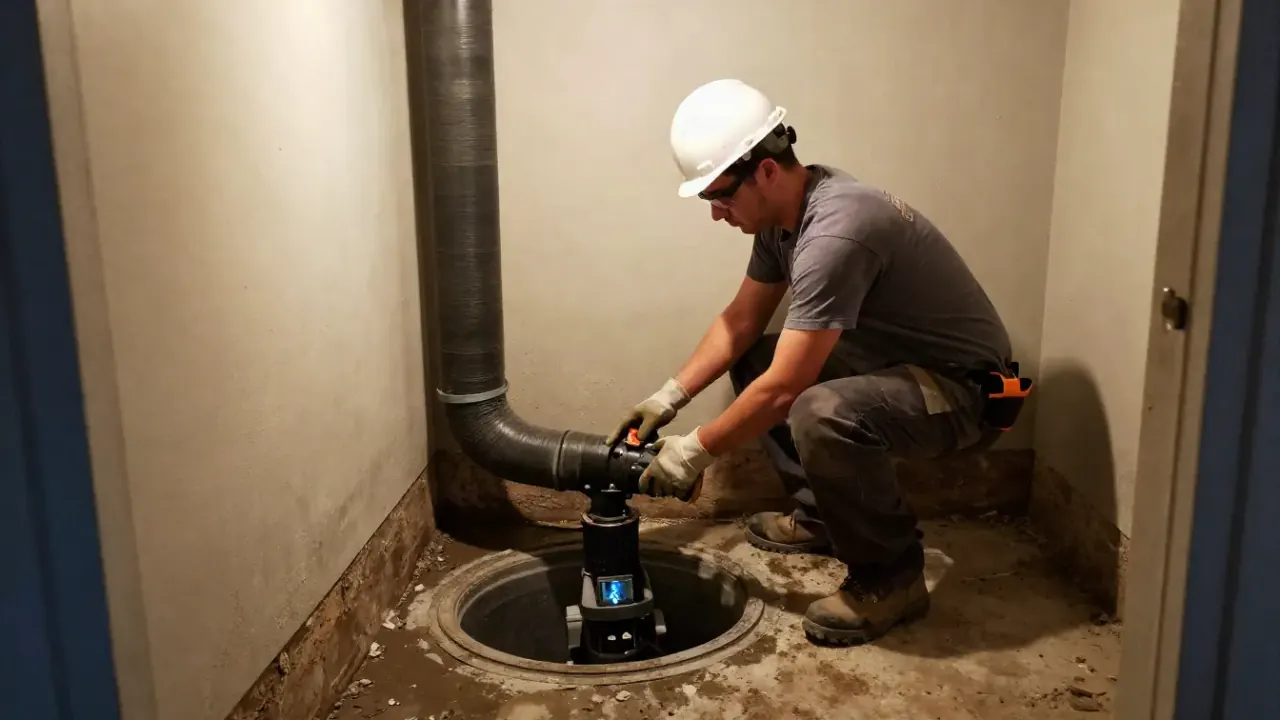
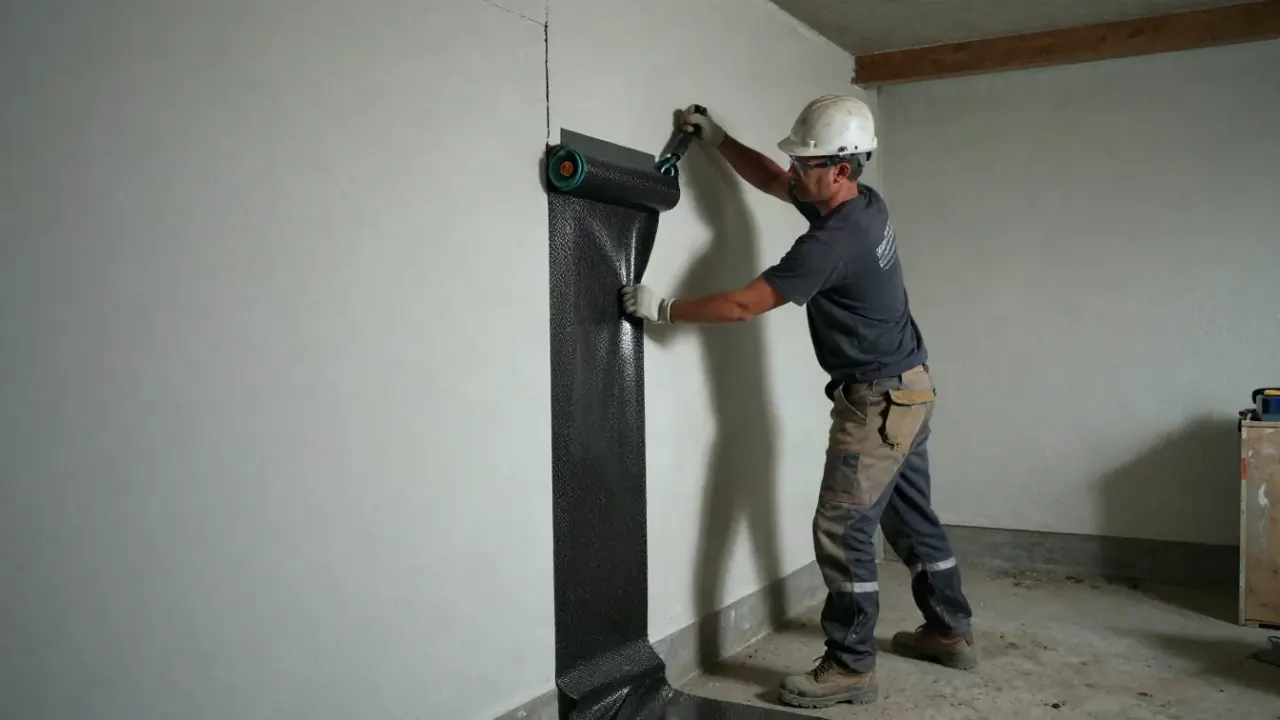
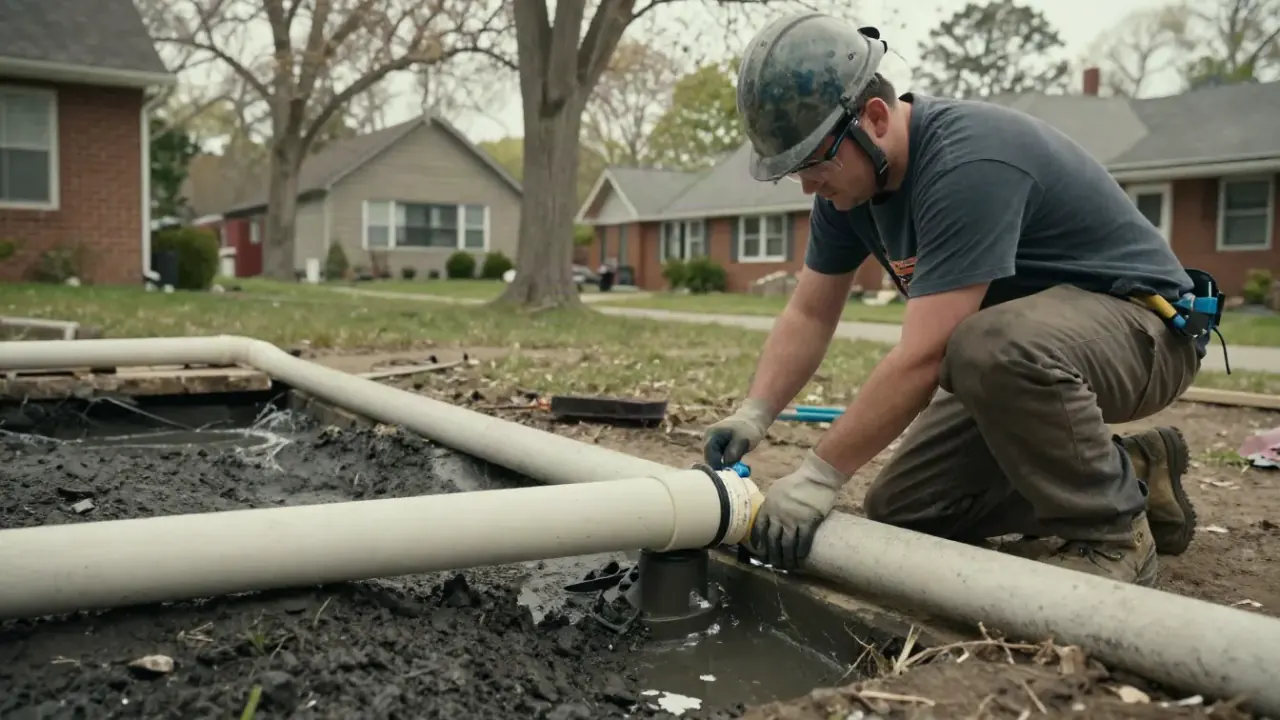
Checks drain flowRuns water through the condensate route
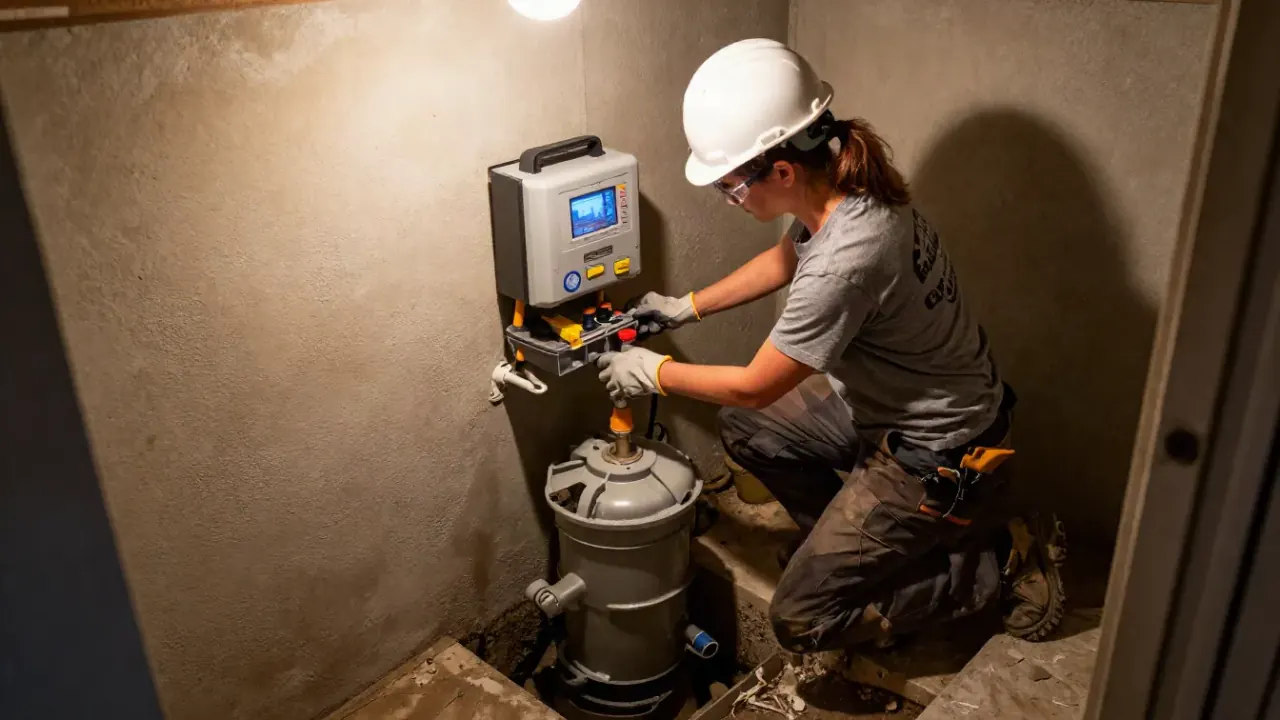
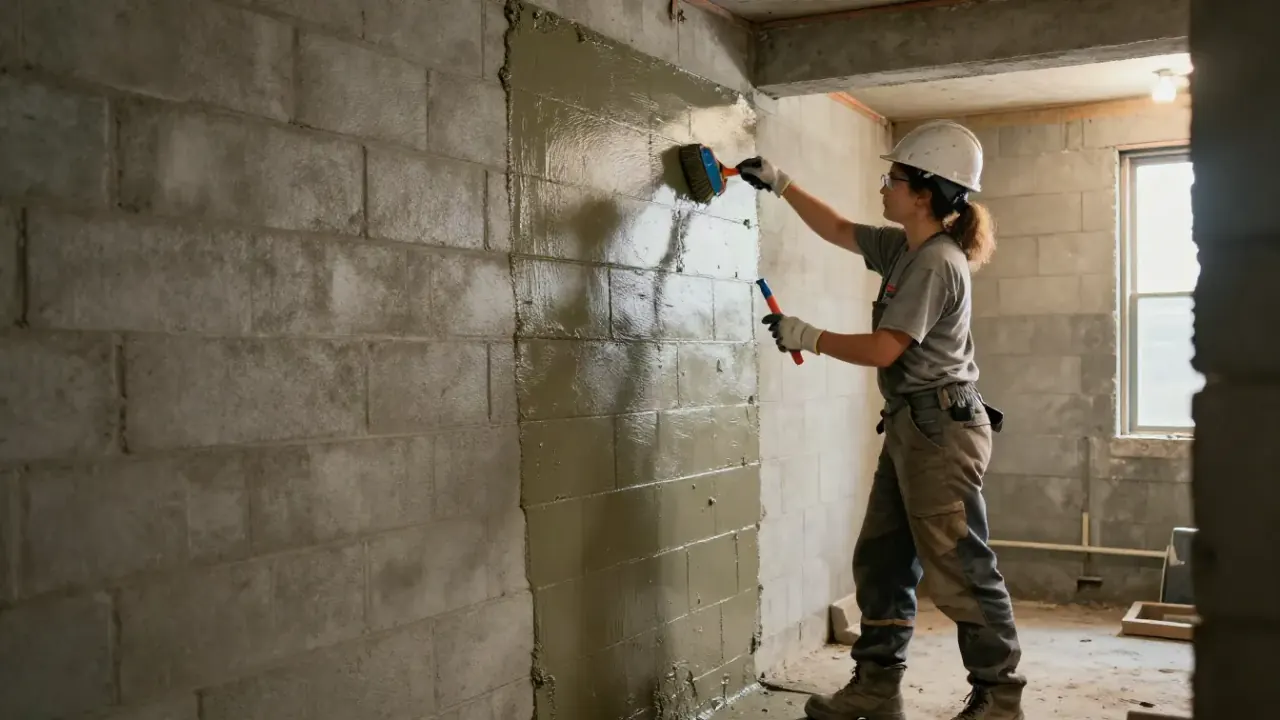
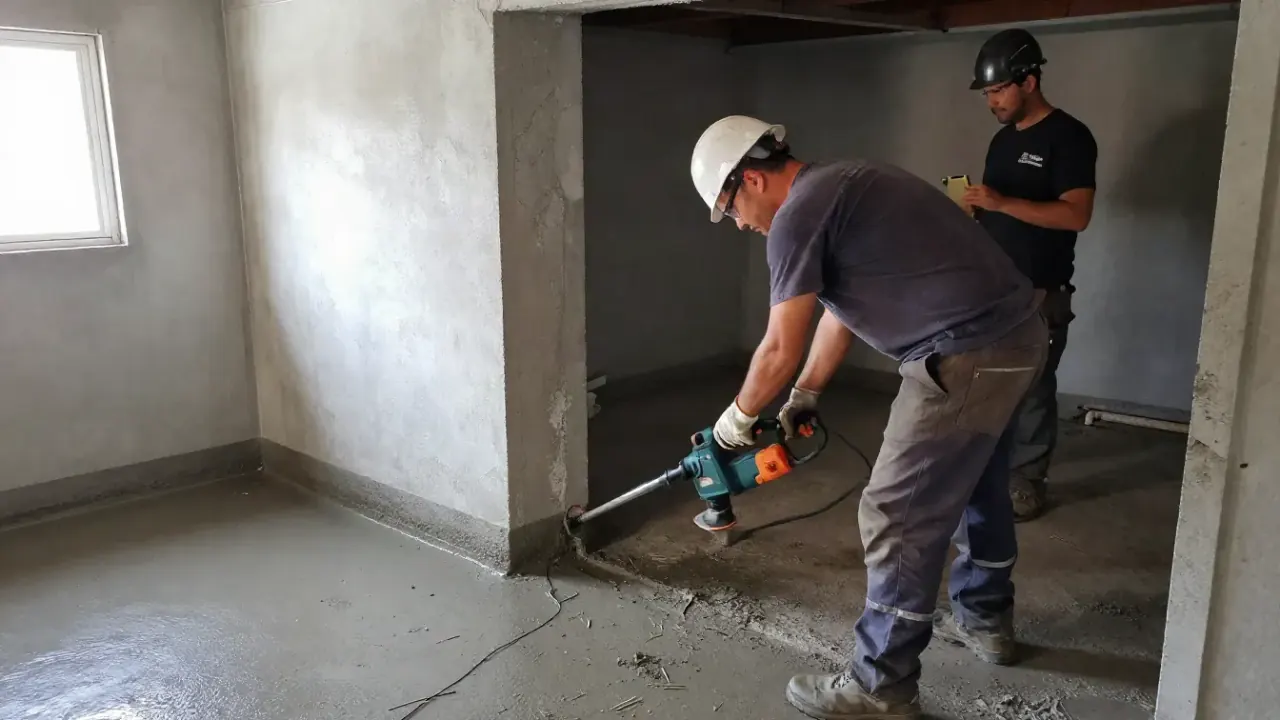
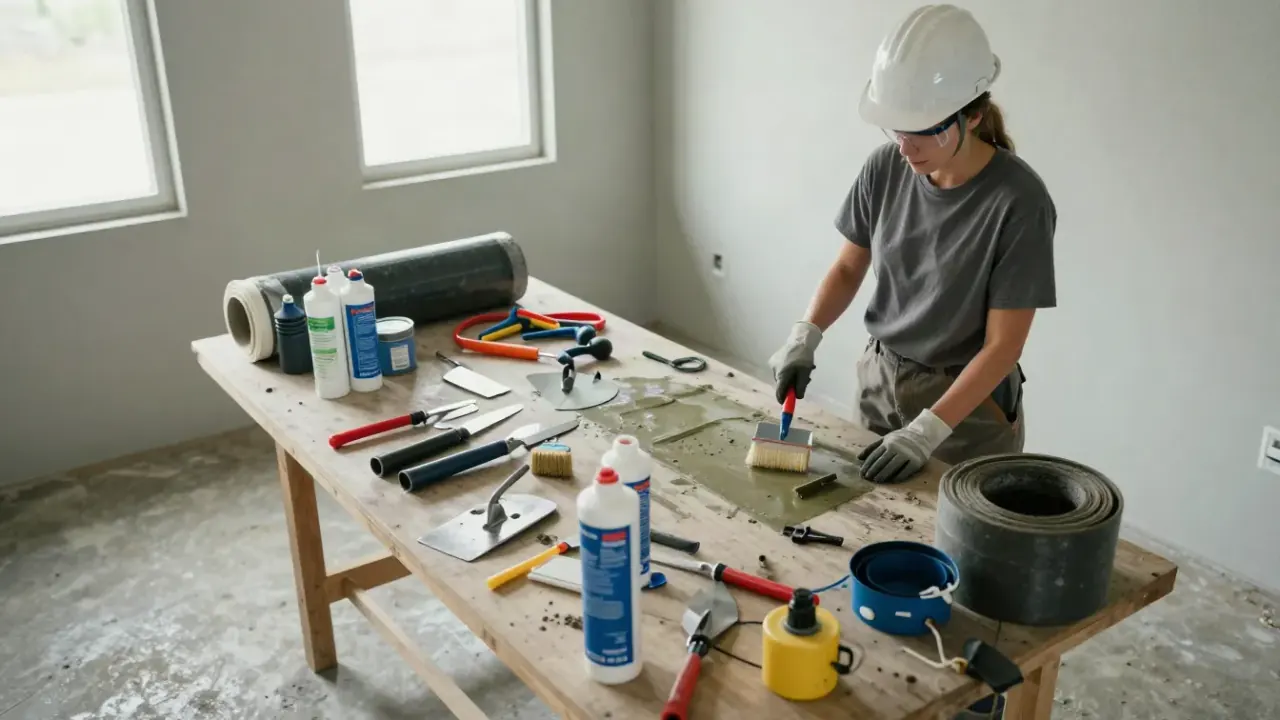
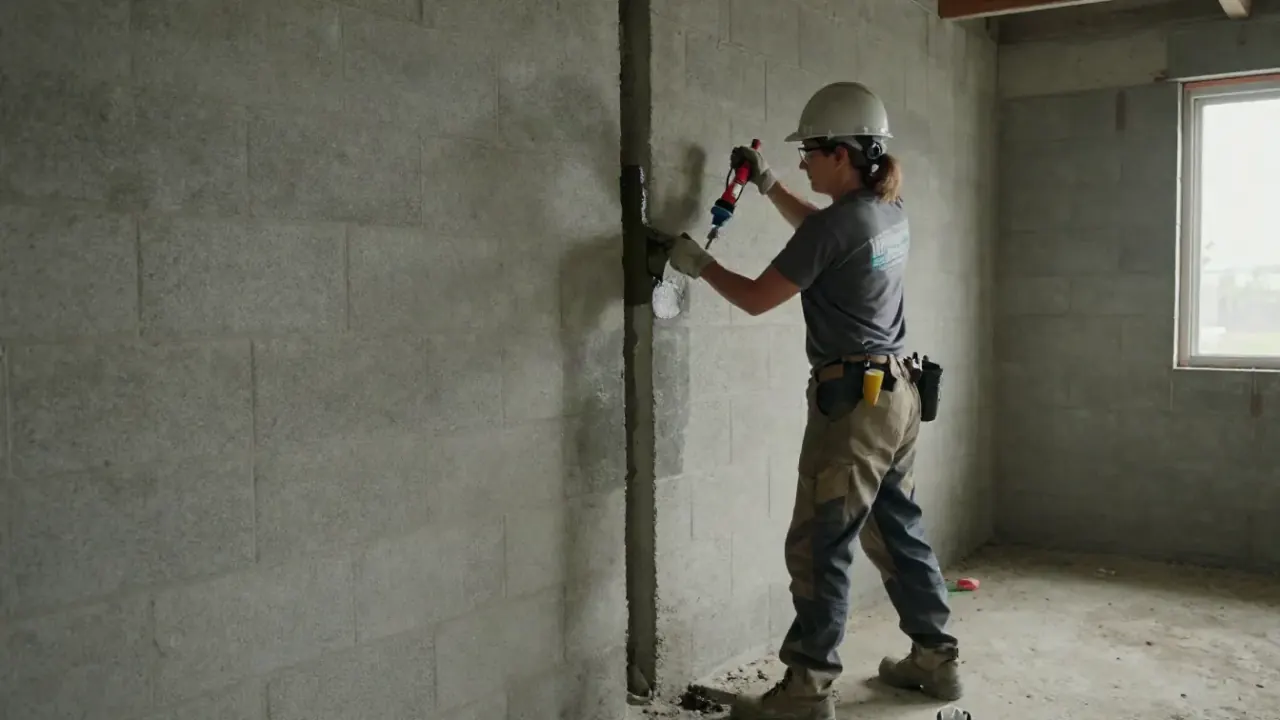
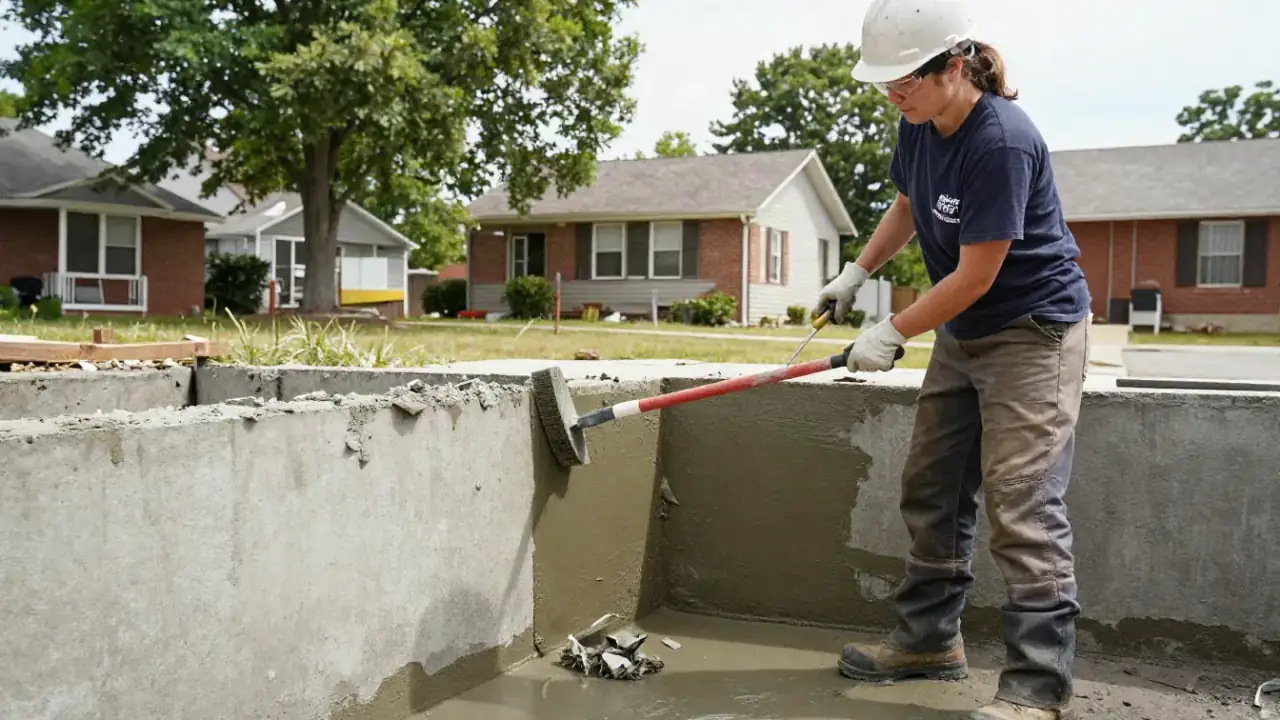
Shows readingsExplains observed moisture readings
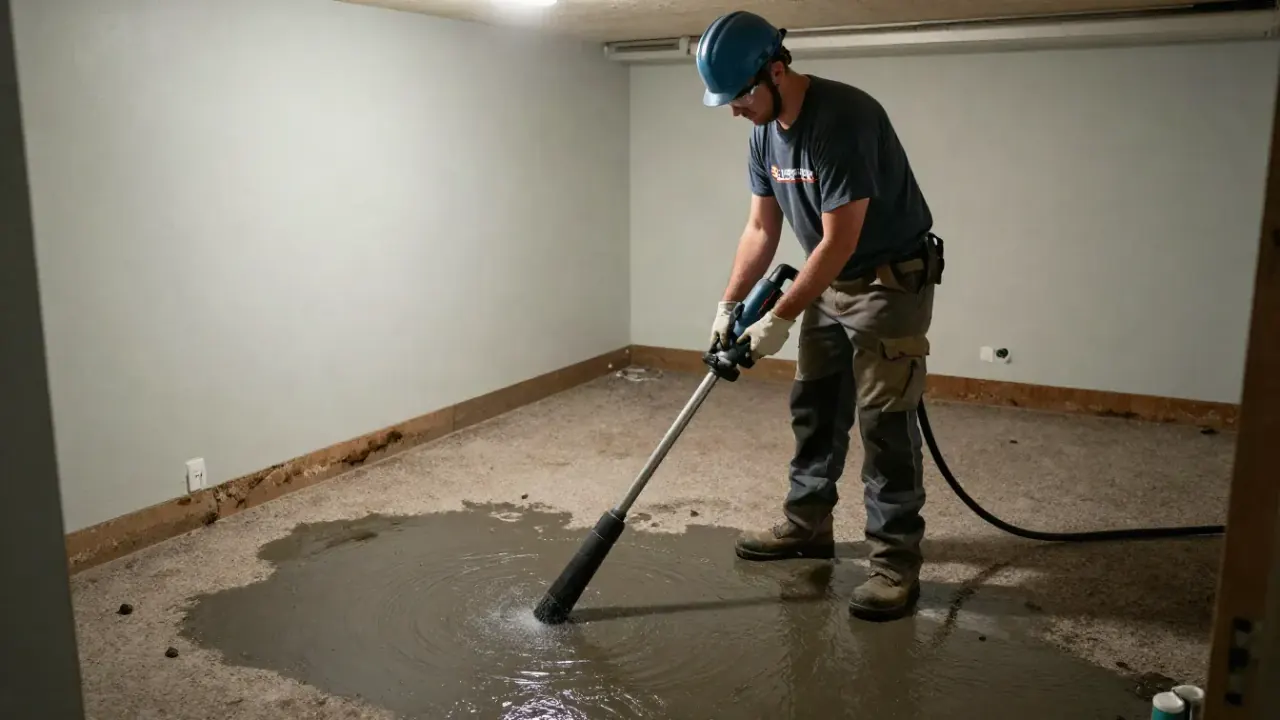
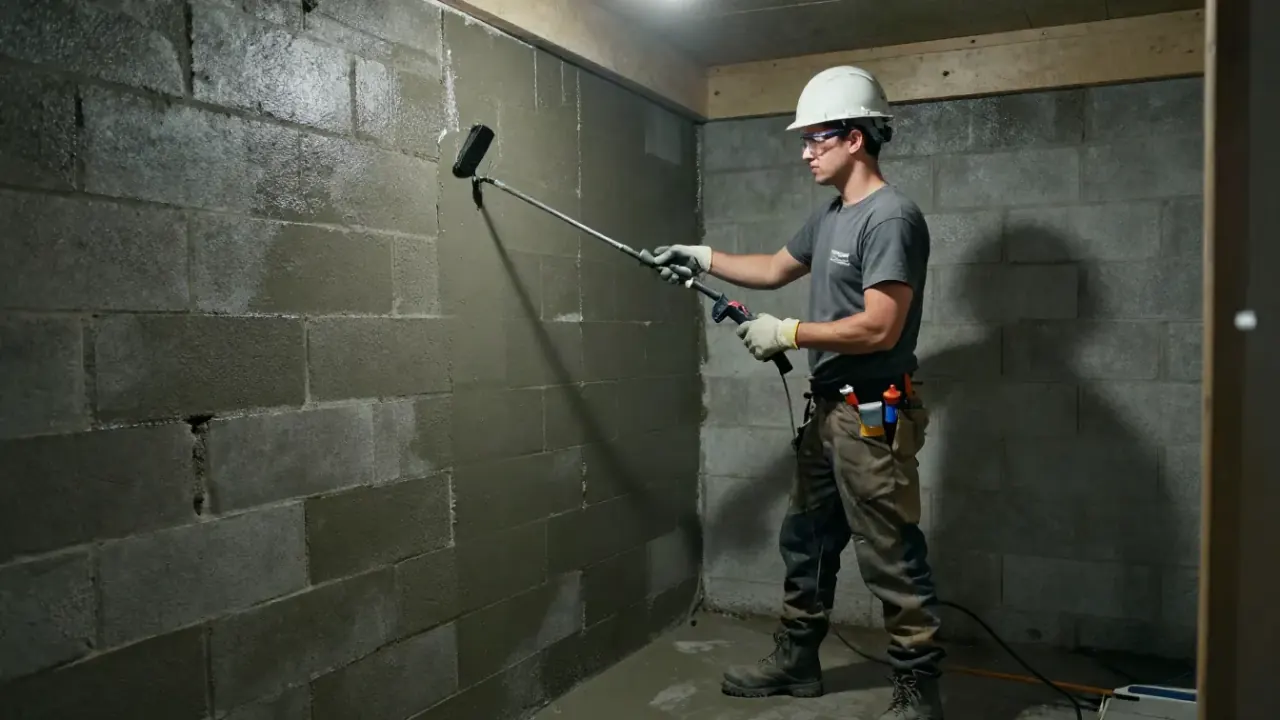
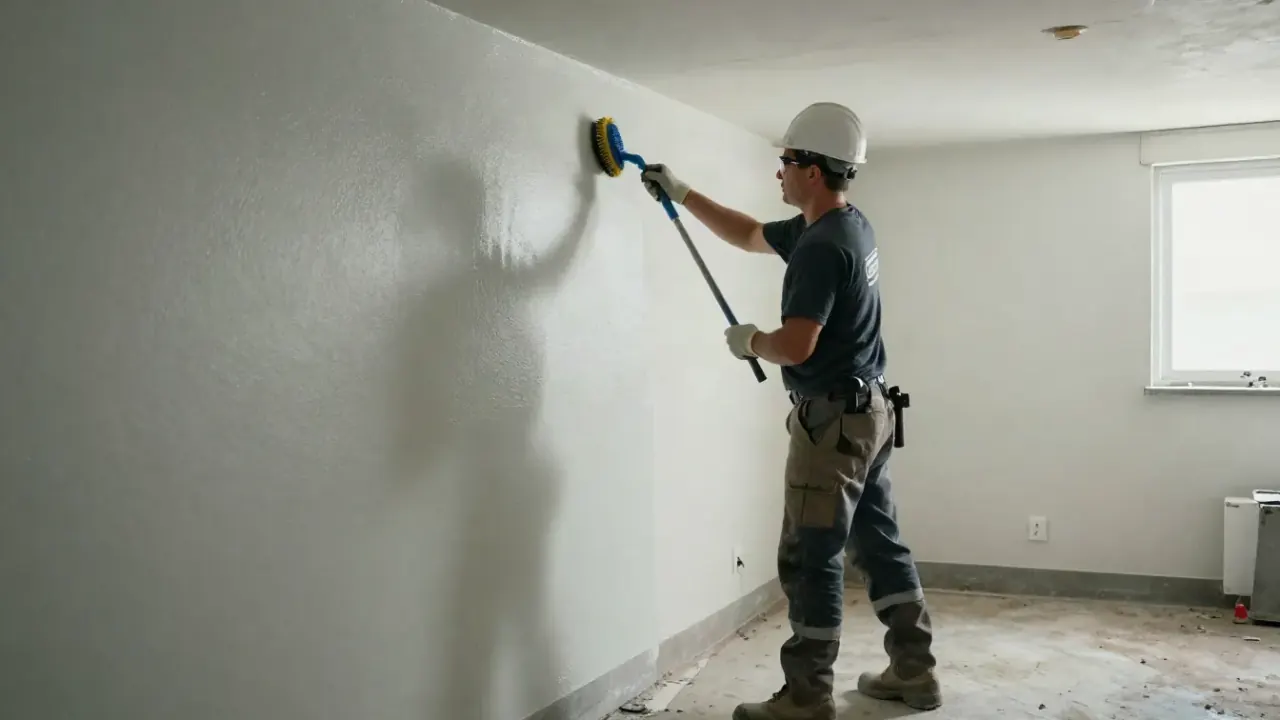
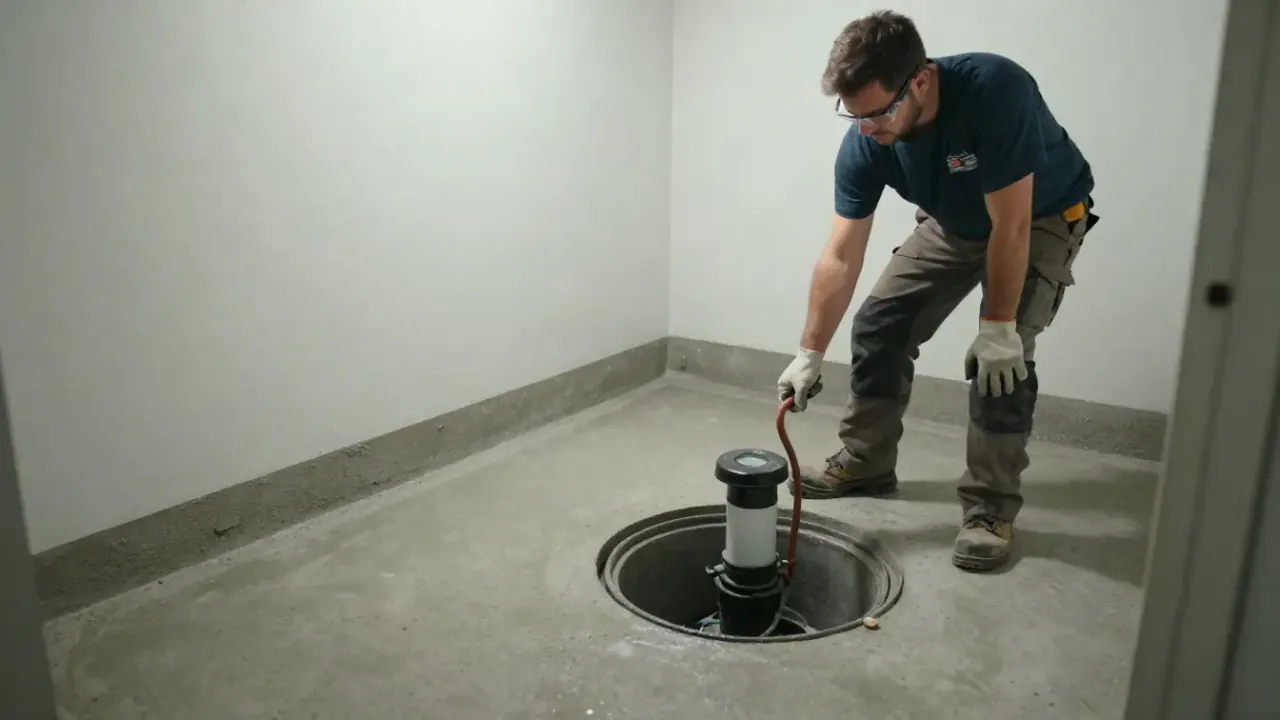
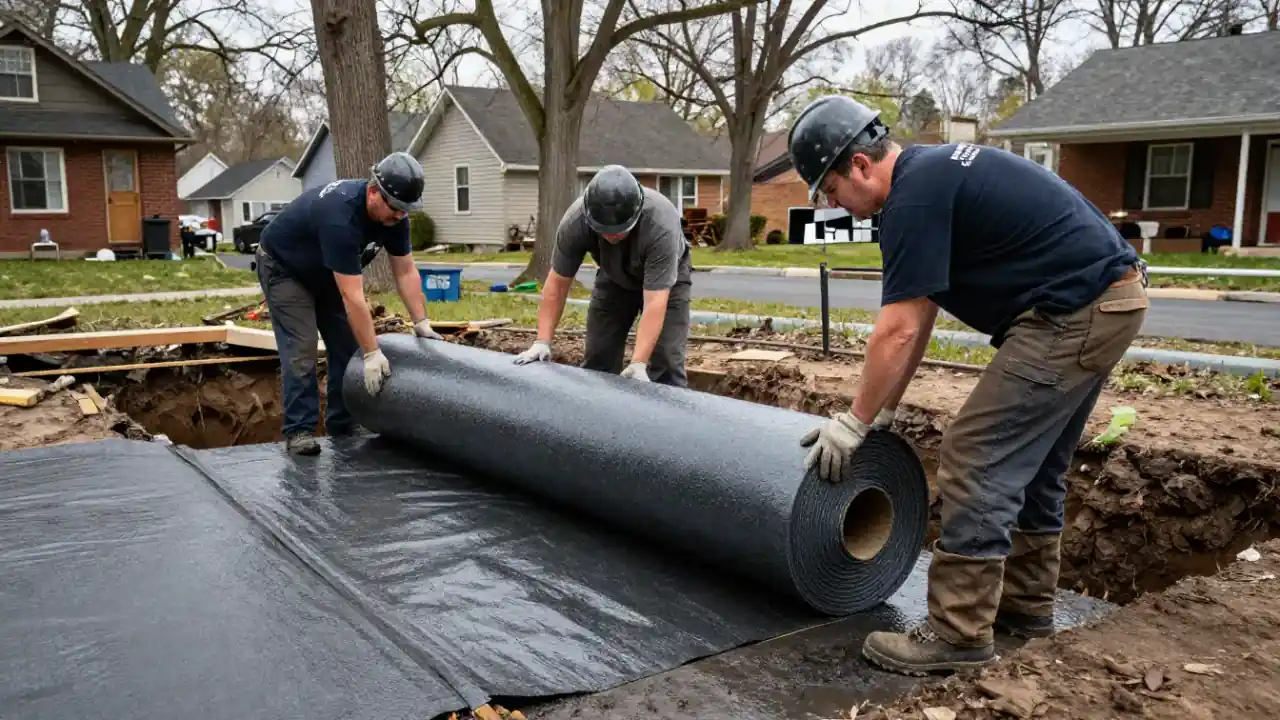
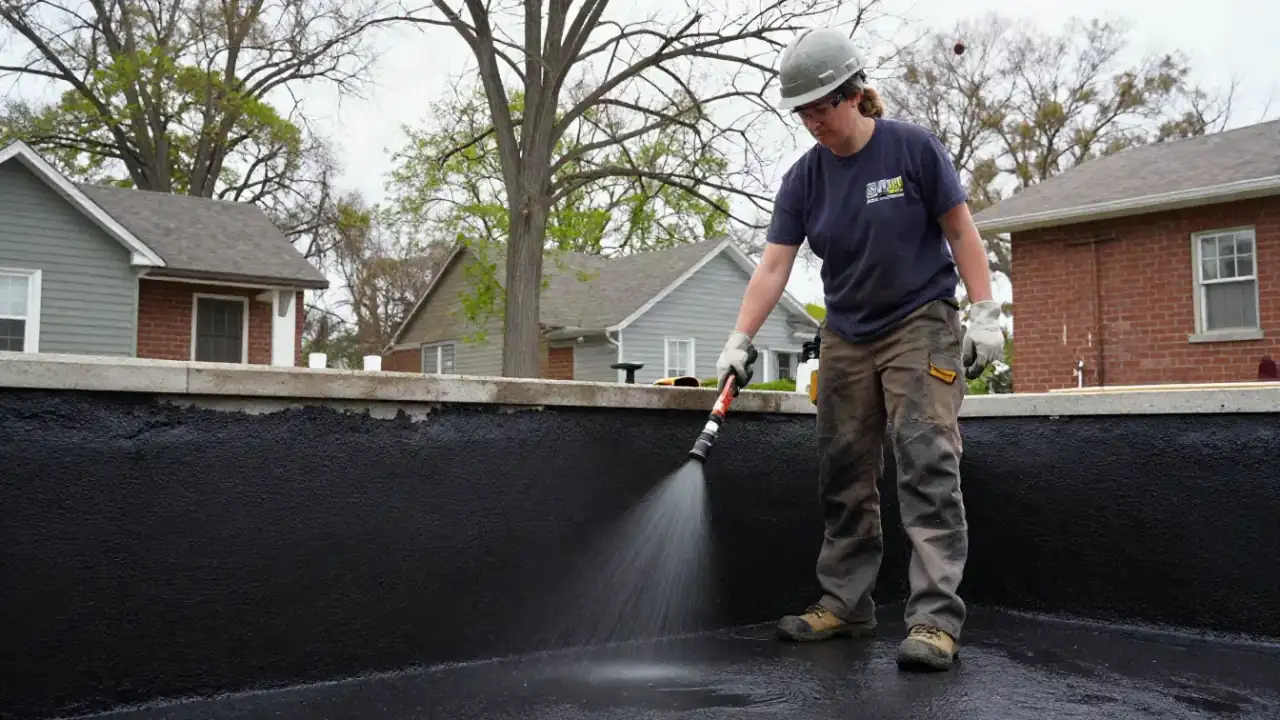
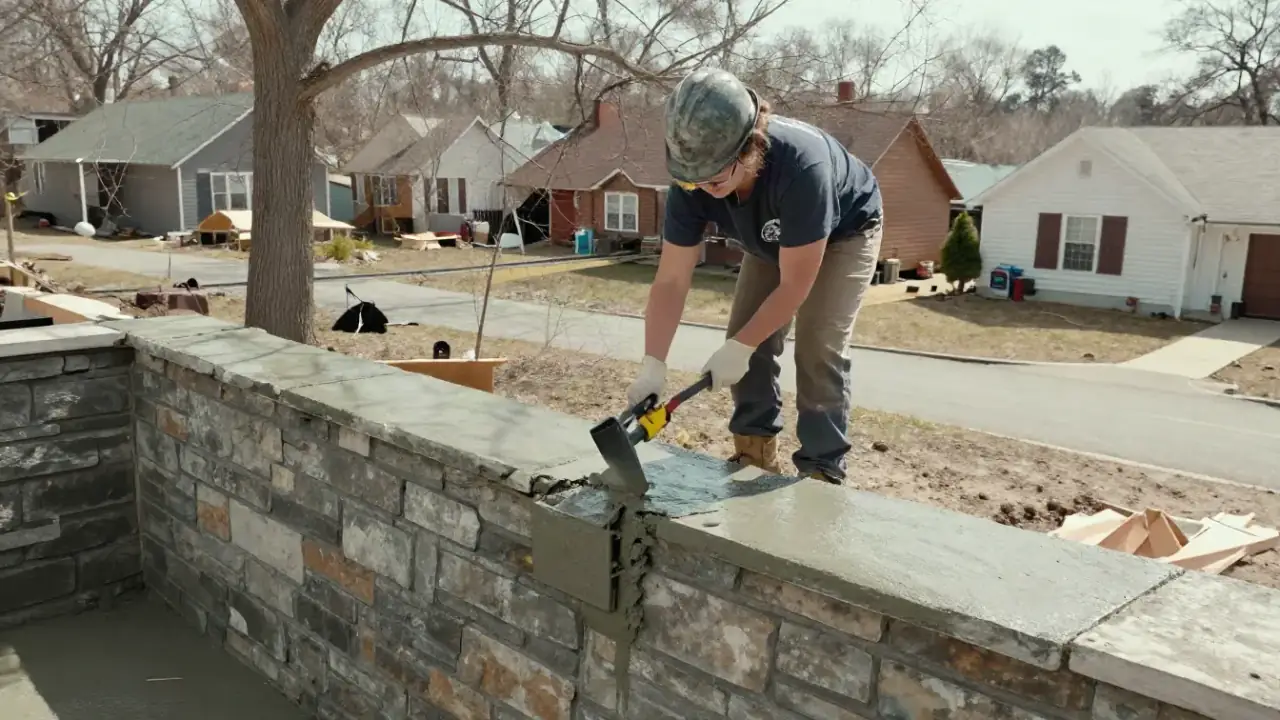
Clears work areaRemoves installation debris before leaving
What's included in basement moisture control
Our service covers inspection, moisture measurement, equipment planning, installation, and operational testing for basement humidity concerns. We check whether water is entering through a foundation defect or drainage issue before relying on a dehumidifier. Major excavation, structural repairs, mold remediation, or new electrical circuits are separate work when required; we explain how those needs relate to your moisture-control plan.
Moisture assessment
We review visible dampness, odors, condensation, and recent water history, then check key areas with a moisture meter. You learn whether the pattern points to humid air, a leak, or a drainage concern.
Equipment sizing
We consider basement area, ceiling height, room divisions, moisture load, and expected use. Correct sizing helps avoid a unit that is too small to control dampness or unnecessarily large for the space.
Drain planning
We identify a suitable condensate route and test that water can leave the unit safely. If a sump basin or drain is used, we check the connection and explain routine monitoring.
Installation and setup
We place the dehumidifier for airflow and service access, connect drainage, set the controls, and run the system. We show you filter access and how to check that condensate continues to flow.
Source recommendations
If seepage, failed drain tile, or poor runoff management contributes to dampness, we explain the related correction. A dehumidifier treats airborne moisture; it does not repair a water-entry path.
Homes and businesses.
The approach is the same for a home and a business. What changes is the access, the schedule and who needs the paperwork.
Homes and rentals
We inspect the basement with homeowners or tenants and explain what the readings and visible moisture suggest. You can point out recurring damp spots, odors, and how the space is used.
Musty storage rooms
Condensation on pipes
Damp finished basement corners
Business properties
We review basement conditions with owners and property managers, including access, stored materials, and equipment operation. You receive a practical plan for routine checks and moisture control.
Damp inventory storage
Utility room humidity
Shared basement spaces
Basement moisture control Warren OH explained
A plain-language look at what Basement Moisture Control & Dehumidification involves and when it is needed.
Basement moisture control Warren OH is a moisture-management service that identifies excess water vapor and dampness, then reduces humidity and addresses contributing water entry. We use a moisture meter, check visible foundation wall cracks, inspect the sump pump and discharge route, and look for condensation on cool surfaces. A properly sized dehumidifier removes water from the air; drainage or sealing work addresses liquid water that a dehumidifier cannot solve. Our goal is a measurable plan for your basement, not simply placing a machine beside a damp wall.
Warren homes face damp-basement conditions after prolonged rain, snowmelt, and humid summer weather, especially when downspouts empty beside the foundation or yard grading sends runoff toward the house. basement moisture control and dehumidification in Warren, Ohio starts by separating a vapor problem from active seepage, plumbing leaks, or hydrostatic pressure. If you are looking for how to reduce basement humidity in Warren Ohio, the first step is finding why moisture is accumulating; otherwise, a dehumidifier can run constantly while the source remains.
Effective moisture control removes airborne dampness and addresses the source feeding it.
What it is
Inspection, humidity reduction, and equipment setup for damp basement air.
When needed
Recurring musty odors, condensation, or humidity that remains elevated.
What to expect
Moisture checks, equipment planning, drain testing, and operating guidance.
What to expect from the work
Basement moisture control in Warren follows a practical sequence: understand the symptoms, measure conditions, correct the cause, then verify the equipment. We explain what we find in plain language and keep you informed while protecting the work area. Simple installations often take a few hours; drainage or repair work takes longer according to access and scope.
Walk-through
On the first visit, we ask when dampness appears, whether it follows rain, and where you notice odor or condensation. We walk the basement with you, inspect visible walls and floor edges, and note existing equipment. This first assessment usually takes 30 to 60 minutes, depending on basement size and access.
Symptoms
Walk-through
Access
Measure conditions
We use a moisture meter and inspect likely trouble spots, including cold surfaces, foundation cracks, window wells, and the sump basin. We check whether a sump pump cycles and whether the discharge pipe carries water away from the house. You see the readings and the physical clues that shape the recommendation.
Moisture meter
Wall check
Sump review
Set the plan
We explain whether your main issue is humid air, condensation, seepage, or a combination. Then we select a suitable unit capacity, location, condensate route, and any needed source correction. For a basement dehumidification system installation Warren OH homeowners receive a plan based on the actual basement rather than a one-size-fits-all appliance.
Capacity
Drain plan
Placement
Install and connect
Our crew positions the unit for service access and airflow, secures the drain line, and verifies the electrical and condensate arrangement. If the work includes a drainage correction, we protect the route and keep debris contained. A straightforward installation commonly takes two to four hours; added repairs extend the work.
Set equipment
Connect drain
Run test
Test and explain
Before we leave, we run the equipment, confirm condensate flows to the intended drain, and review operating controls and filter care with you. We record initial conditions and explain what to watch during the next wet spell. You know how to check the drain and when to contact us if water returns.
Review controls
Explain care
Next steps
Tools and installation methods
Move across a circle, or focus it and press Enter, for an illustrative thermal view of the photograph.
Moisture meter
We compare readings at affected materials and nearby dry areas to help locate dampness. It supports diagnosis alongside visual inspection rather than replacing it.
Sump pump
We inspect the pump and basin when condensate or groundwater is routed to the sump. Proper operation and discharge routing matter for dependable moisture removal.
Zoeller
We recognize Zoeller sump equipment during inspection and check its operating role in the drainage setup. The existing pump and basin condition influence condensate-routing decisions.
Liberty Pumps
Liberty Pumps equipment may be part of a home's existing water-management system. We examine how it is configured before connecting dehumidifier drainage or recommending related pump work.
20 mil polyethylene vapor barrier
Where exposed soil contributes moisture in a connected crawl space, a vapor barrier can limit ground vapor. We evaluate the crawl space separately before recommending that work.
Thermal views are illustrative, generated from the photographs.
Methods
Humidity and source diagnosis
We record the conditions in the affected area and compare them with visible clues such as condensation, efflorescence, and water marks. We ask whether symptoms follow rain or seasonal humidity. That distinction directs us toward air control, plumbing investigation, drainage, or foundation repair.
Continuous condensate drainage
We plan a drain route that carries collected water away without kinks, uphill sections, or an inaccessible connection. We run the system and verify that water moves through the route. You learn where the discharge ends and what to check if drainage slows.
Capacity and airflow matching
We match equipment capacity to the basement's area, room separation, and moisture load. Placement leaves room for circulation and routine filter access. We explain the control setting and how seasonal conditions can affect run time, so you can judge performance from readings rather than sound alone.
Water-entry correction coordination
When inspection finds seepage, failed drain tile, or poor surface drainage, we explain the source correction alongside dehumidification. A machine removes vapor; it does not stop hydrostatic pressure or repair a foundation defect. Coordinating both parts prevents repeated dampness from undermining the result.
When to schedule basement moisture control
Rain-related odor
After fall rain, a Warren basement develops a damp smell near the foundation wall.
We inspect the wall, nearby downspouts, and floor edge, then measure humidity to see whether water entry is feeding the odor. If runoff is the likely source, we discuss correcting its route before setting up dehumidification. This avoids treating damp air while water continues to arrive.
Outcome: You get a source-focused plan, a clear equipment recommendation, and a way to monitor humidity after the next rainfall.
Finished room
A finished basement feels clammy, and condensation appears on pipes during humid weather.
We check room divisions, airflow, and surface temperatures, then determine equipment capacity and placement. Our team installs a drain-connected dehumidifier where it can circulate air without blocking access to utilities or storage. We review settings and filter care with you.
Outcome: The finished area becomes easier to use, and routine checks help you spot a blocked drain or filter before performance drops.
Sump and humidity
A sump pump works during storms, but the basement still has high humidity between rain events.
We test the sump system and discharge route, then measure indoor humidity separately. If the pump is managing liquid water but damp air remains, we plan dehumidification suited to the basement. We also inspect for smaller seepage or condensation sources that can add moisture.
Outcome: You can distinguish pump performance from air-moisture control and know which system needs attention when conditions change.
Damp storage
Stored boxes in a Niles-area basement soften and smell musty by late summer.
We assess humidity, airflow, and damp surfaces around storage zones. We plan equipment placement so boxes do not obstruct air intake, and check that condensate drains without daily emptying. If a wall or floor is wet, we trace that source before relying on a dehumidifier.
Outcome: Your storage area has a practical humidity plan, with less exposure of paper and fabric to persistent damp air.
Howland CenterBolindaleMorgandale
How moisture control works in Warren homes
Basement moisture control in Warren has to account for wet fall weather, winter snow and thaw cycles, and humid summer air. In older homes, masonry walls, narrow utility spaces, and divided finished rooms can change where moisture collects and how air moves. Our team checks the basement layout, foundation condition, sump basin, and discharge route before choosing equipment.
basement dehumidifier installation Warren property owners request is planned around continuous drainage and service access, not just the nearest outlet. If recurring water entry is part of the problem, we trace surface runoff, window well leakage, and visible cracks before setting the humidity target.
For homes across Trumbull County, the practical question is whether moisture arrives as liquid water or forms from humid air. That diagnosis determines whether you need a dehumidifier alone or a coordinated repair. We also consider Ohio Residential Building Code compliance for related construction and explain how the work affects your basement.
Howland Center: We check whether runoff from the yard or short downspout discharge is saturating soil near the foundation before recommending indoor equipment.
Bolindale: For basements with finished and utility sections, we inspect airflow barriers and choose a placement that can serve the full area.
Morgandale: Where dampness follows heavy rain, we look for wall seepage, window well leakage, and sump discharge issues before setting a humidity plan.
Warren: In homes with older masonry, we inspect efflorescence and recurring damp patches to distinguish surface humidity from water moving through the wall.
Repeated fall rain saturates soil beside foundation walls: Water can move through a crack or wall joint and keep basement materials damp. We inspect runoff, grading, and visible masonry clues before deciding whether drainage work must accompany dehumidification.
Winter freeze and thaw cycles stress exterior drainage routes: Snowmelt and frozen discharge lines can affect water movement near the home. We check sump discharge routing and advise on keeping outlets clear so collected water does not return toward the foundation.
Walk through the basement and review where and when moisture appears.
Protect the work area, check access, and prepare the equipment location.
Test drainage, review operation, and explain routine checks.
From problem to finished result.
IllustrativeThe thermal view is generated from the photograph. It is not a measurement. Drag the handle, or use the arrow keys once it is focused.
Musty storage room corrected
Before: A Warren homeowner found a musty odor after several rainy days and damp cardboard along one wall. The sump pump still ran, but no one had checked the discharge route or measured the room's humidity. A portable unit collected water in a bucket that was often forgotten.
After: We found the discharge needed attention, checked the wall, and installed a dehumidifier with continuous drainage. The owner began tracking humidity near 50% instead of guessing from odor. Cardboard was moved away from the wall, and the bucket no longer needed daily emptying.
The owner checks the drain and filter monthly, keeps stored items a few inches from walls, and reviews the hygrometer after heavy rain.
Condensation in finished basement reduced
Before: A finished basement developed droplets on cold pipes during humid weather, while the dehumidifier sat behind stored furniture. The unit could not circulate air through the divided rooms, and condensation returned despite long run times.
After: We inspected airflow, moved equipment to a serviceable location, and connected a tested drain route. The family began checking humidity weekly and kept the unit intake clear. Condensation reduced as indoor readings settled near the selected target range.
They clean the filter on the manufacturer's schedule, keep doors positioned for airflow, and call if droplets return or the drain stops flowing.
Recurring wall dampness investigated
Before: A Niles property manager saw white deposits and a damp patch at the base of a basement wall. A dehumidifier ran continuously, but the wall stayed wet after storms, suggesting the room had more than an airborne humidity problem.
After: We traced the pattern to water entry and explained the drainage correction needed before relying on air control. After addressing the source, the manager added dehumidification and recorded humidity readings. The wall dried more consistently, and the equipment no longer ran without interruption.
The manager checks the wall after strong rain, keeps the sump area clear, and records monthly humidity and pump operation.
Solve basement mold and moisture control Warren concerns
Persistent humidity affects more than comfort: it can leave walls clammy, soften stored materials, and create conditions that support mold. We investigate what keeps the basement damp, then choose equipment or source correction to match. The aim is a measurable improvement and a clear maintenance routine.
Recurring odorMusty odor returns after every long spell of rainRepeated odor can point to damp materials or moisture entering through a wall, leaving the basement unpleasant and making stored belongings harder to protect. We inspect the odor area, check the wall and floor edge, and look for nearby runoff or drainage problems. If the air is humid, we size and install a dehumidifier with a dependable condensate route. If a leak is visible, we explain the repair needed so equipment is not asked to compensate for incoming water.
Surface condensationCondensation forms on cold basement pipes and wallsWater droplets can wet insulation, finishes, and stored goods. Repeated condensation may stain surfaces and sustain damp conditions in corners with little airflow. We measure humidity and inspect where warm, moist air contacts cool surfaces. We check air circulation and set equipment placement to support the affected area. If a pipe or cold surface needs insulation as part of the remedy, we identify it so the moisture-control plan addresses the reason droplets form.
Constant operationDehumidifier runs constantly but the room stays dampContinuous operation can signal an undersized or poorly drained unit, restricted airflow, or active water entry. Energy use rises while the underlying problem continues. We check capacity, filter condition, drain flow, and the basement's moisture source. We also inspect sump operation and visible seepage. Then we adjust the system or recommend source correction, so you are not relying on longer run time as the only response.
Damp masonryEfflorescence and damp patches appear on masonryWhite mineral deposits and recurring wet marks indicate moisture moving through masonry. Ignoring the pattern can leave finishes damp and conceal a continuing water-entry route. We map the affected wall, check surrounding cracks and drainage conditions, and distinguish a surface humidity issue from seepage. We explain whether dehumidification is enough or whether sealing or drainage work is needed. After the source is controlled, we can help manage residual air moisture.
Practical results for your basement
Control damp air, protect basement contents, and understand the moisture source.
Lower indoor humidity
We size the dehumidifier to the basement's area, layout, and moisture load, then check that its drain route works as intended. Keeping relative humidity near 50% is a practical target for many basements; readings and seasonal conditions guide adjustment. Our basement humidity control Warren OH service helps you avoid guessing from a musty smell alone.
Less musty odor
Musty odor often signals damp materials, stagnant air, or a hidden water source. We inspect corners, stored items, floor edges, and wall surfaces before recommending equipment. If water seepage through basement walls is present, we address the route instead of masking the smell with a larger dehumidifier.
Protect stored belongings
Cardboard, fabrics, and wood absorb moisture quickly in a damp basement. We identify the areas where condensation collects and position equipment for useful air circulation, while checking that stored items are not blocking intake or discharge. Stable conditions reduce dampness exposure for belongings and help protect finished areas.
Know when repairs matter
A dehumidifier treats moisture in the air, not a failed drain tile or ongoing foundation leak. Our inspection distinguishes condensation from active water entry and records the clues, such as efflorescence or wet carpet. You get a clearer next step, whether that is equipment, drainage work, or a targeted repair.
What you receive
Clear records you can keep and share.
Reading notes
Recorded observations from inspected basement areas
Photo record
Images of relevant moisture conditions and equipment placement
Care guide
Filter, drain, and control checks for routine upkeep
Work summary
Completed installation steps and recommended follow-up
Air moisture differs from water entry
A dehumidifier reduces vapor in the air; drainage and repairs manage liquid water entering the structure.
Air humidity
Water vapor remains elevated in basement air.
Musty odor
Condensation on cool surfaces
Measured humidity readings
Liquid seepage
Water enters through walls, joints, or floor edges.
Wet patches after rain
Efflorescence on masonry
Standing water or damp carpet
Combined issue
Water entry continues to add moisture to indoor air.
Dehumidifier runs continually
Dampness returns after storms
Drainage and air control both matter
Materials and systems
Sump basin
Discharge pipe
Moisture meter
Drain tile
Washed gravel
Masonry sealer
Vapor barrier
Window well cover
Service ZIP codes.
A list like this tells people straight away whether you cover their street. Not listed? Call and ask: it only takes a minute.
Start by identifying whether the moisture comes from humid air, condensation, plumbing, or water entering through the foundation. We inspect the basement, measure damp areas, and check drainage and the sump pump before recommending a dehumidifier or repair. A relative humidity reading around 50% is a useful target for many homes, but active seepage needs source correction. basement moisture control near me Warren searches often lead homeowners to equipment first; diagnosis helps avoid treating the symptom alone.
Aim for roughly 45% to 55% relative humidity in a typical basement, adjusting for comfort and seasonal conditions. A basic hygrometer gives a useful trend, while our moisture meter helps check damp building materials. If readings stay above 60% or condensation keeps returning, inspect the cause and confirm the dehumidifier can drain continuously. Keep the filter clear and avoid blocking airflow around the unit.
Final cost depends on capacity, condensate routing, electrical access, and whether water entry needs correction. We explain the price and work before proceeding.
Yes; persistent dampness can support mold growth when materials remain wet, often within 24 to 48 hours after water exposure. Mold risk rises with leaks, condensation, and relative humidity that stays above about 60%. We locate moisture sources, reduce humidity, and identify wet materials that need separate drying or remediation. If you see extensive growth or smell a strong persistent odor, tell us during the inspection so the response fits the affected area.
Tell us where you see dampness, how often it appears, and whether it follows rain. Our team will inspect the conditions and explain a practical next step. Call Warren Waterproofing Pros at (555) 123-4567 to schedule your basement moisture assessment.
Tell us where water is showing up, how long it has been happening, and whether a sump pump or drain is involved. Call (555) 123-4567 during our weekday business hours, Monday through Friday, 8 a.m. to 6 p.m. We serve Warren, Ohio, and nearby communities, and will help you plan the right inspection for your basement or crawl space.