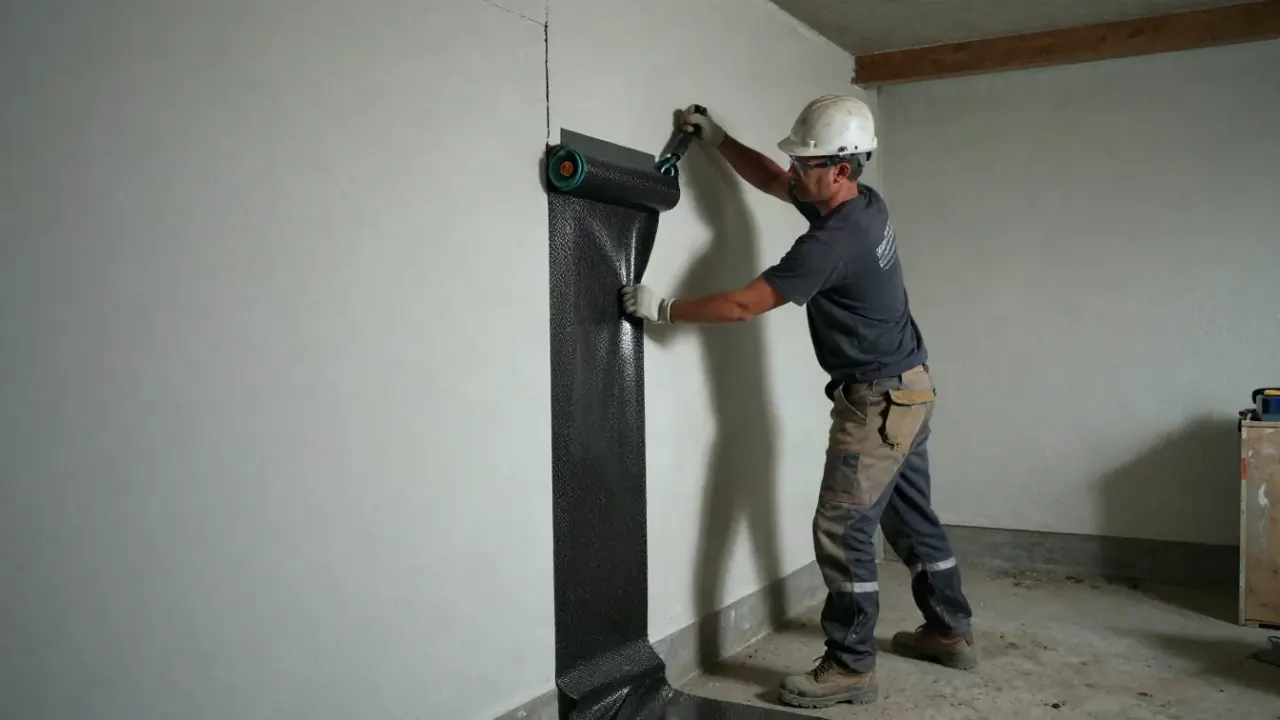
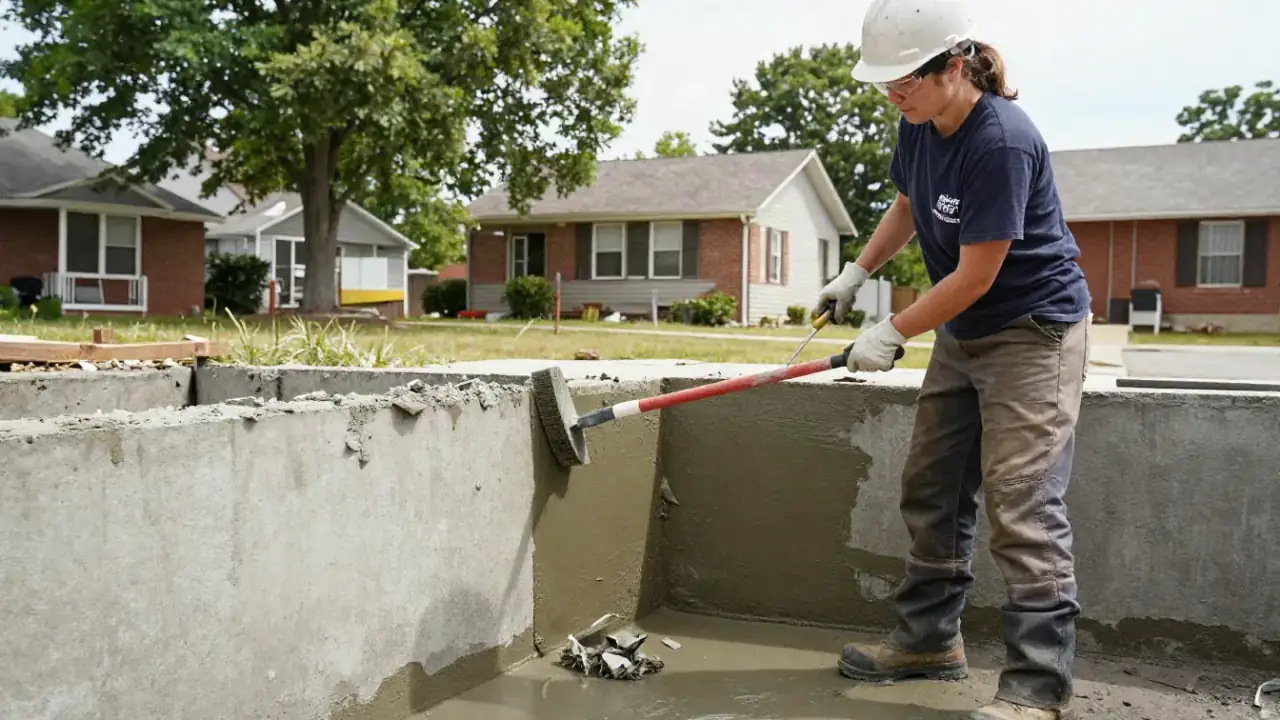
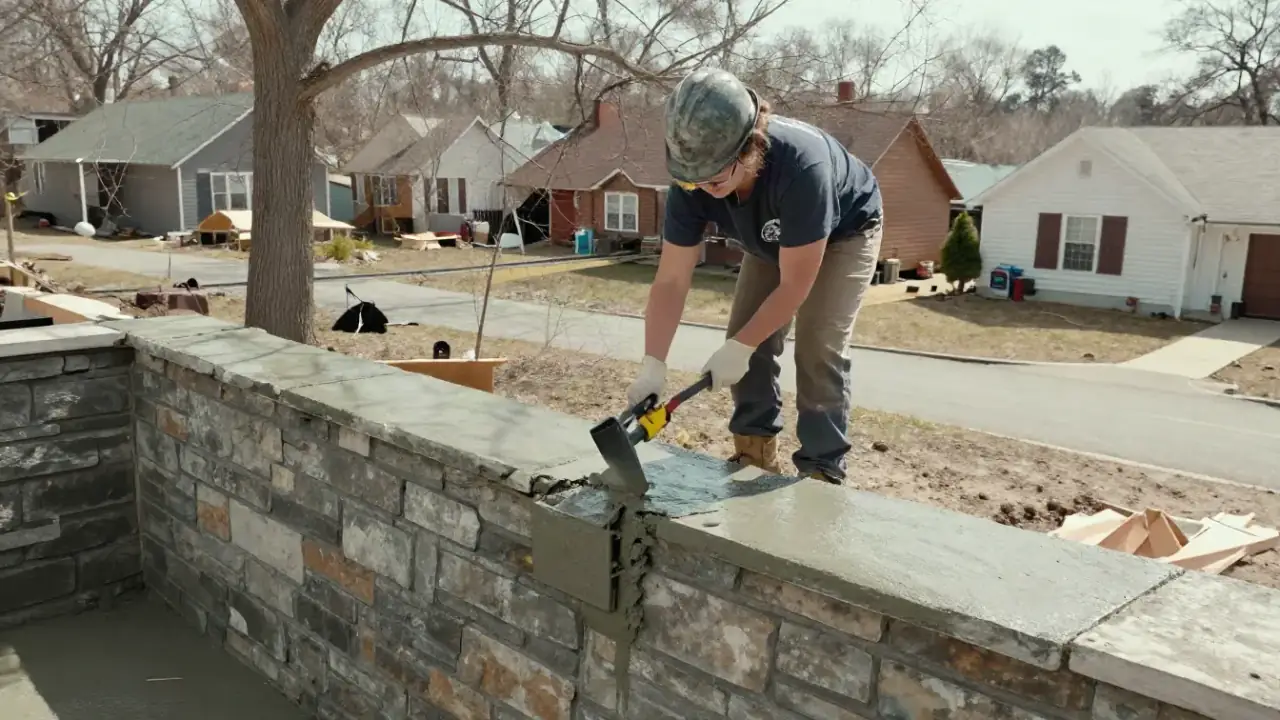
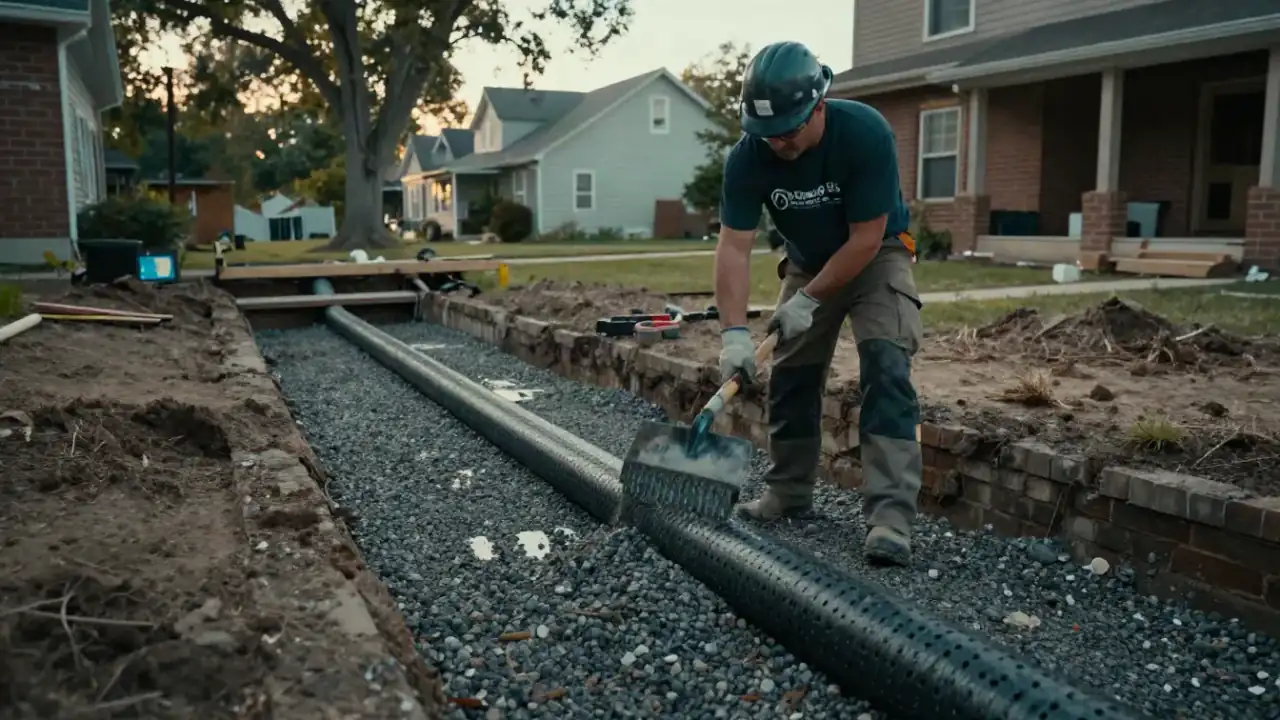
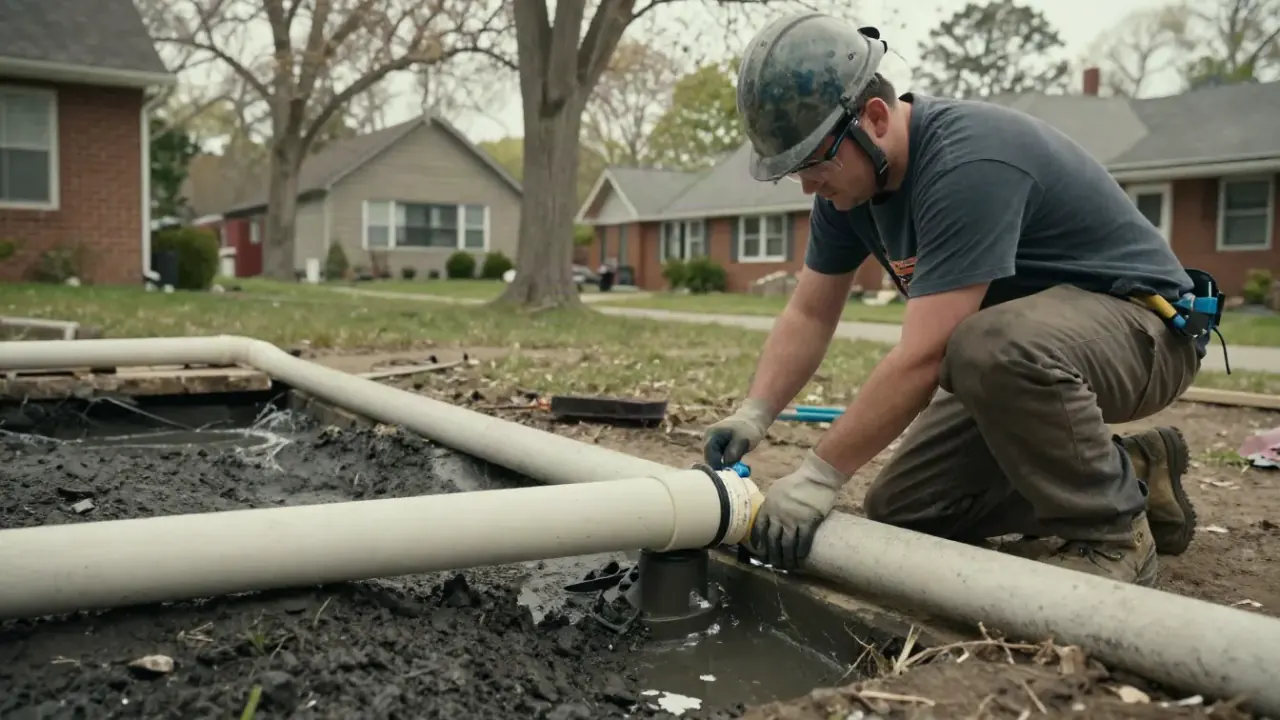
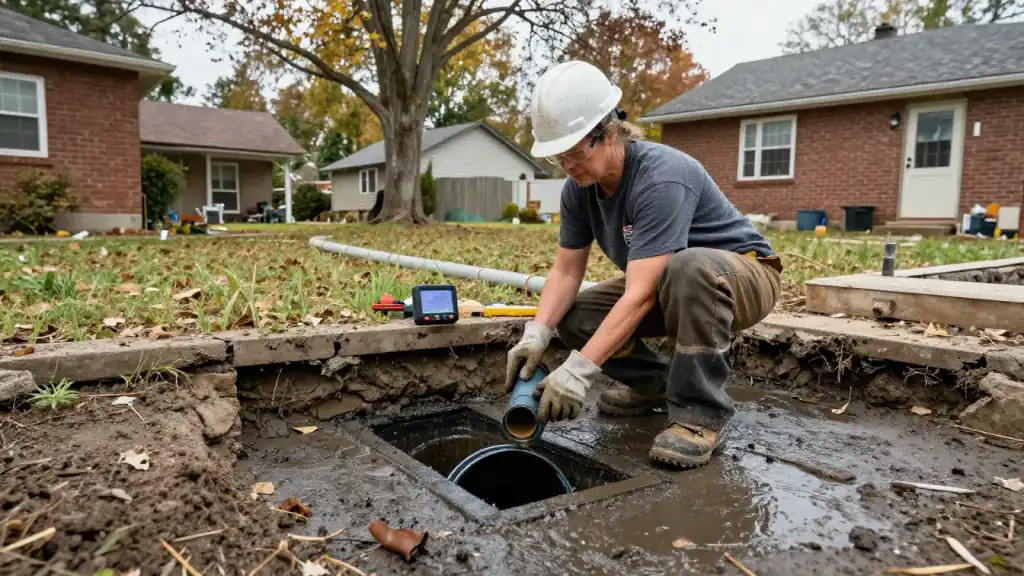
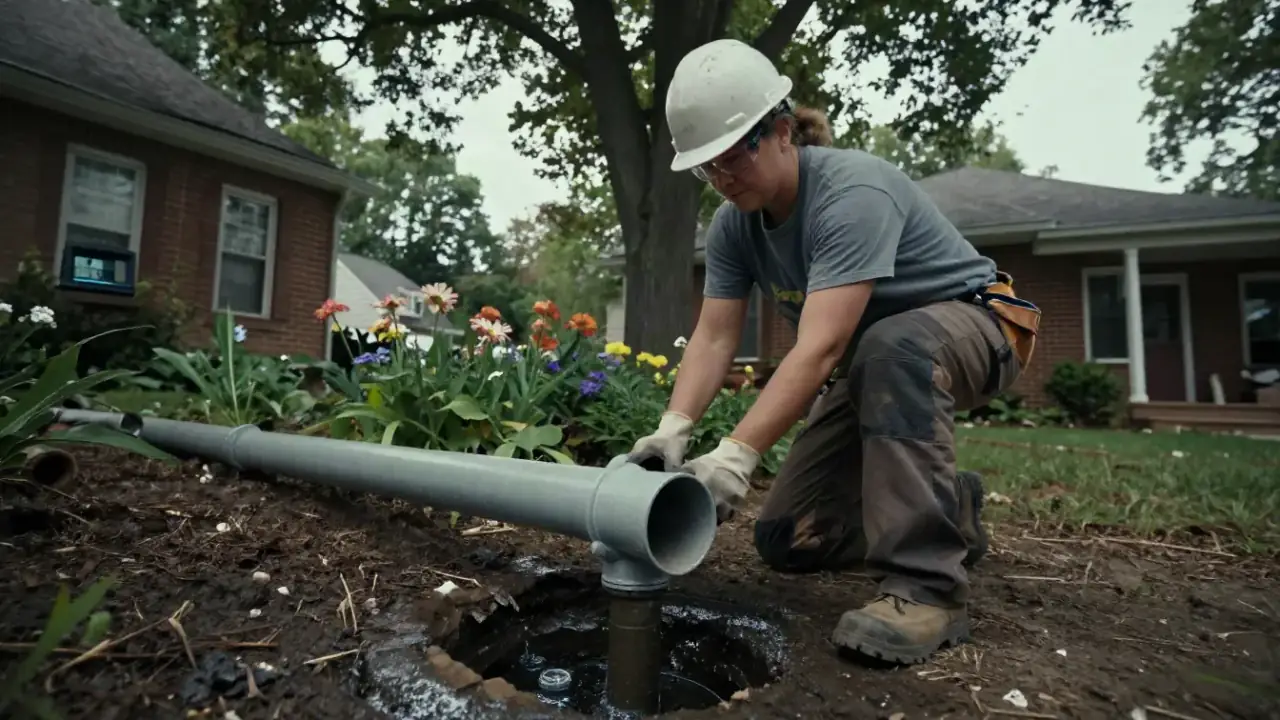
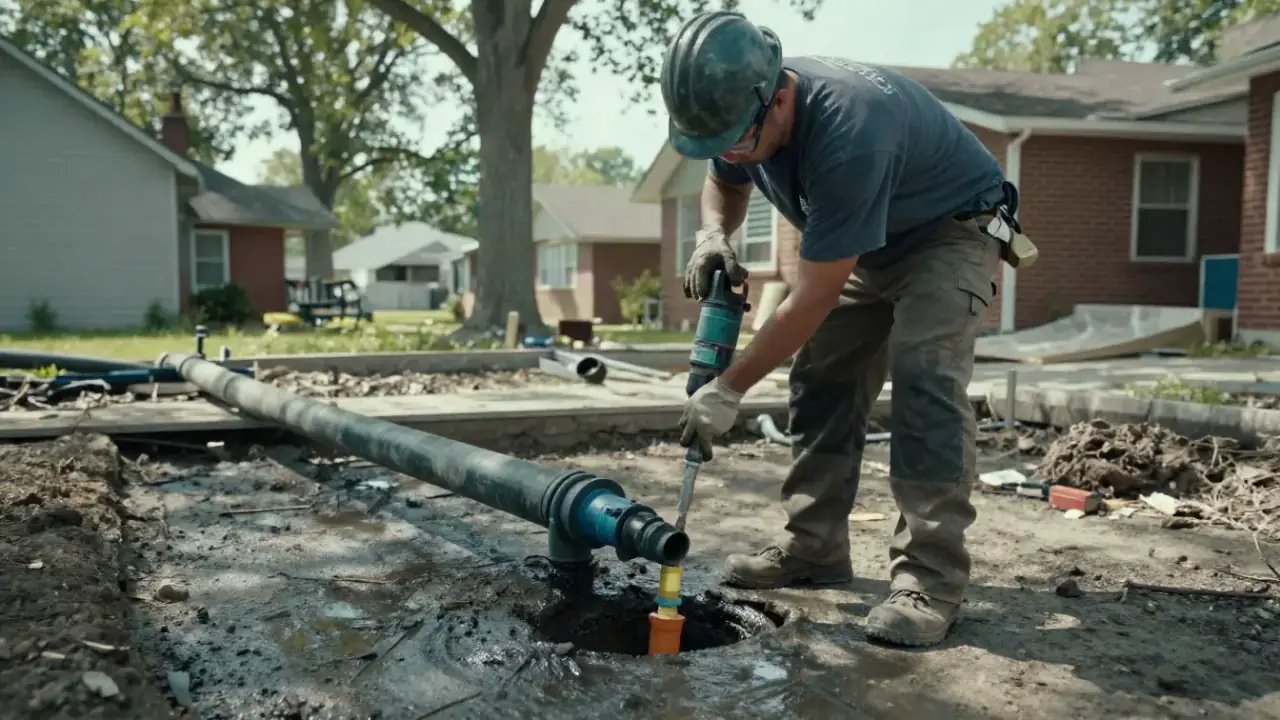
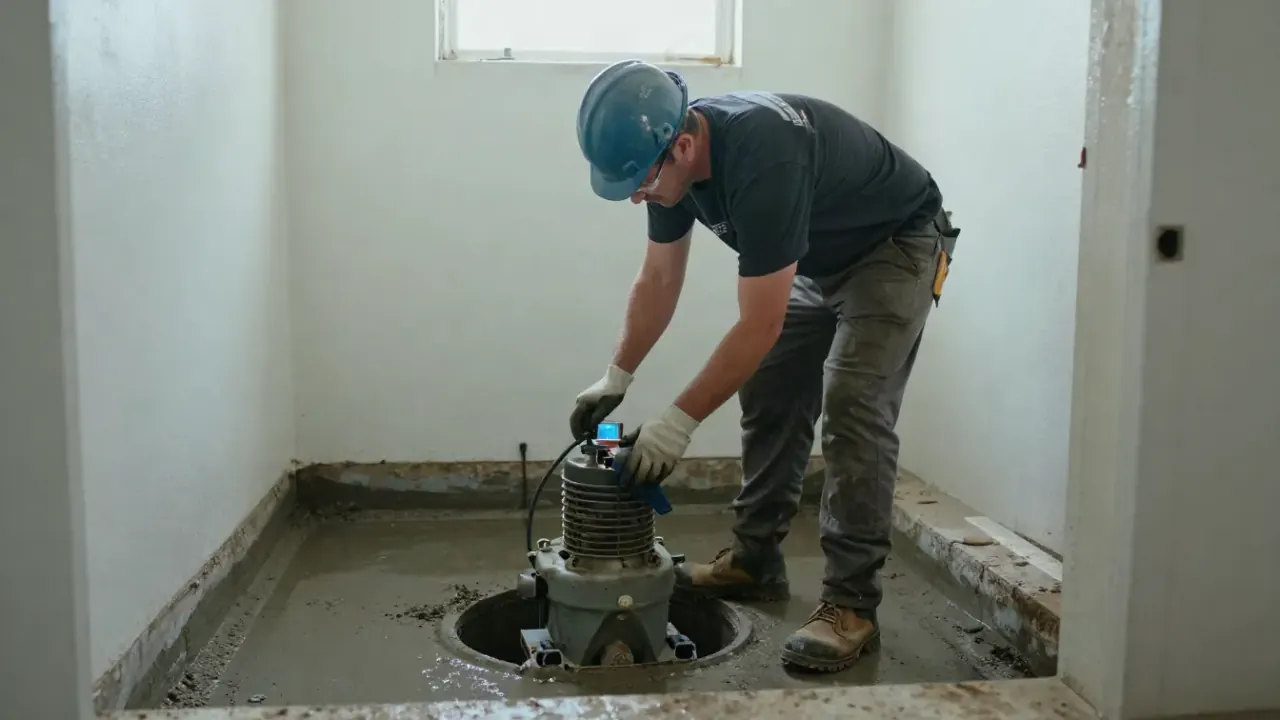
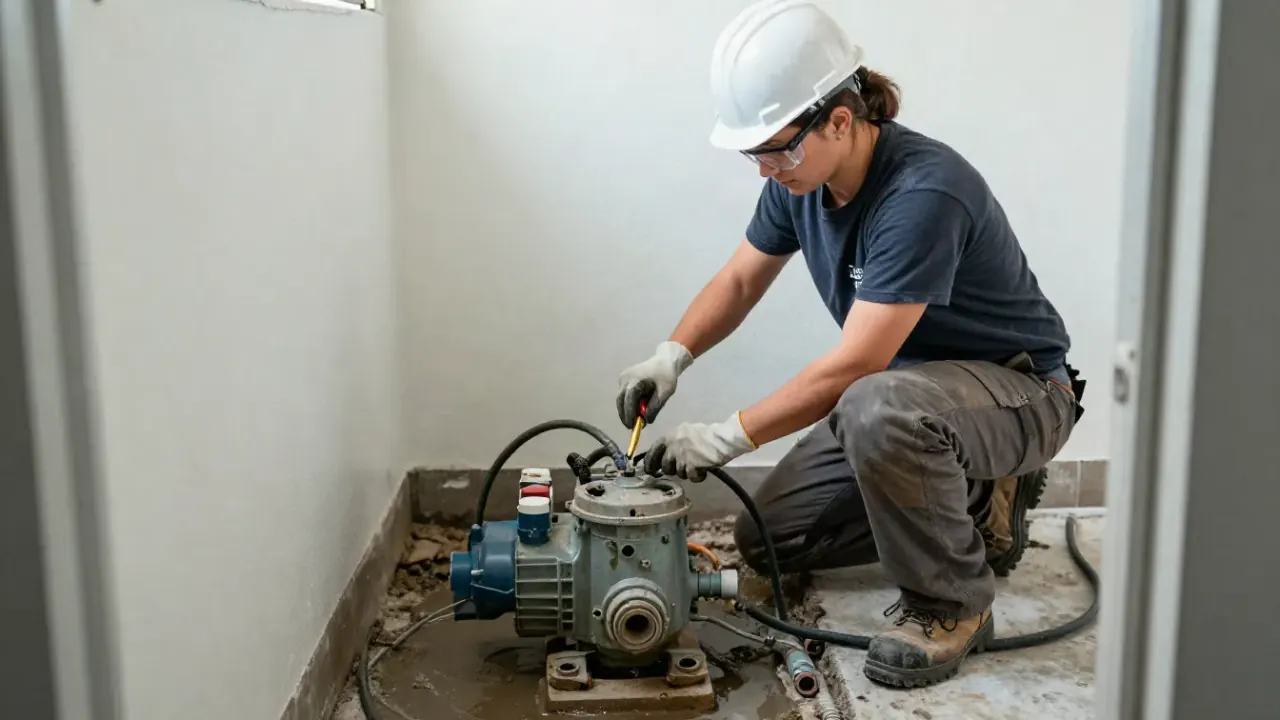
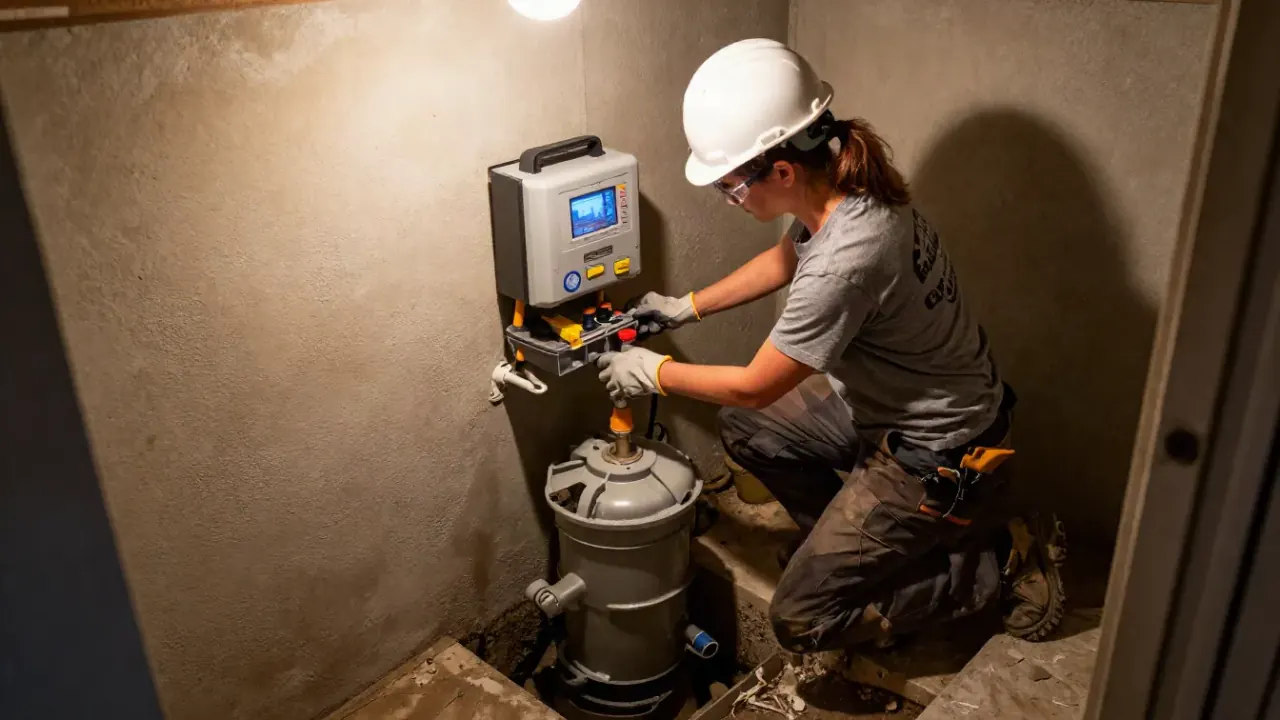
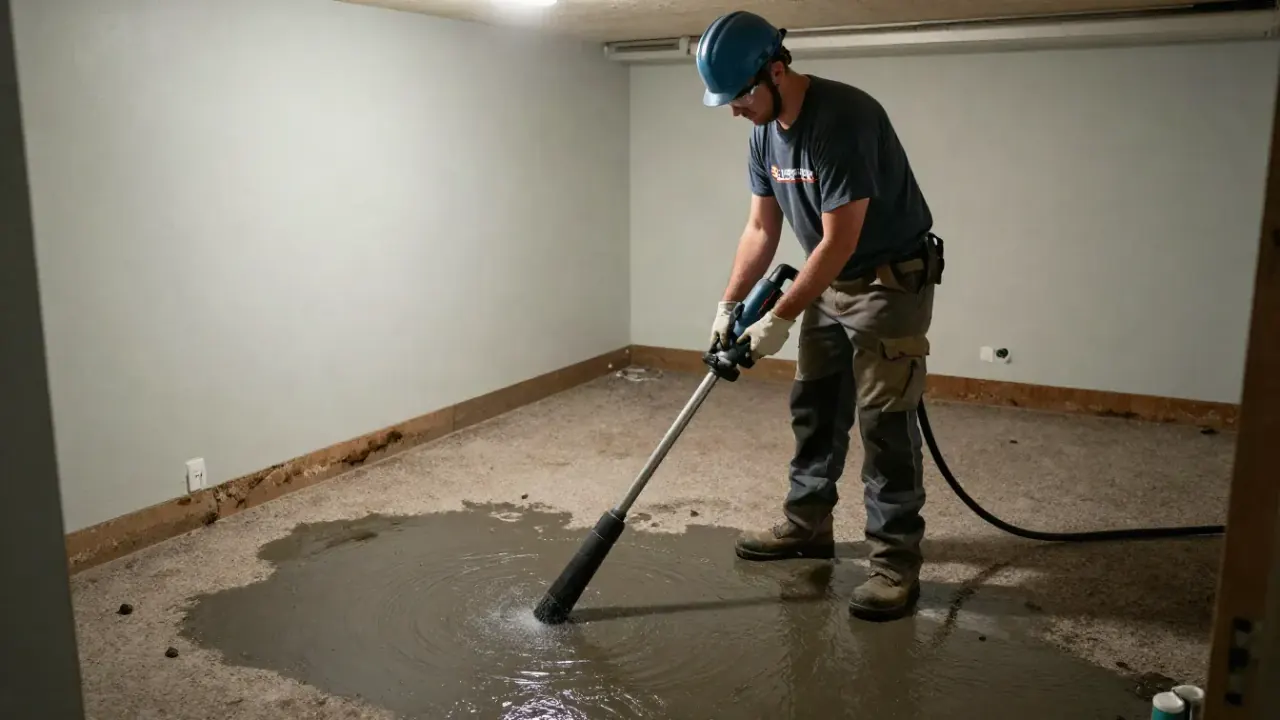
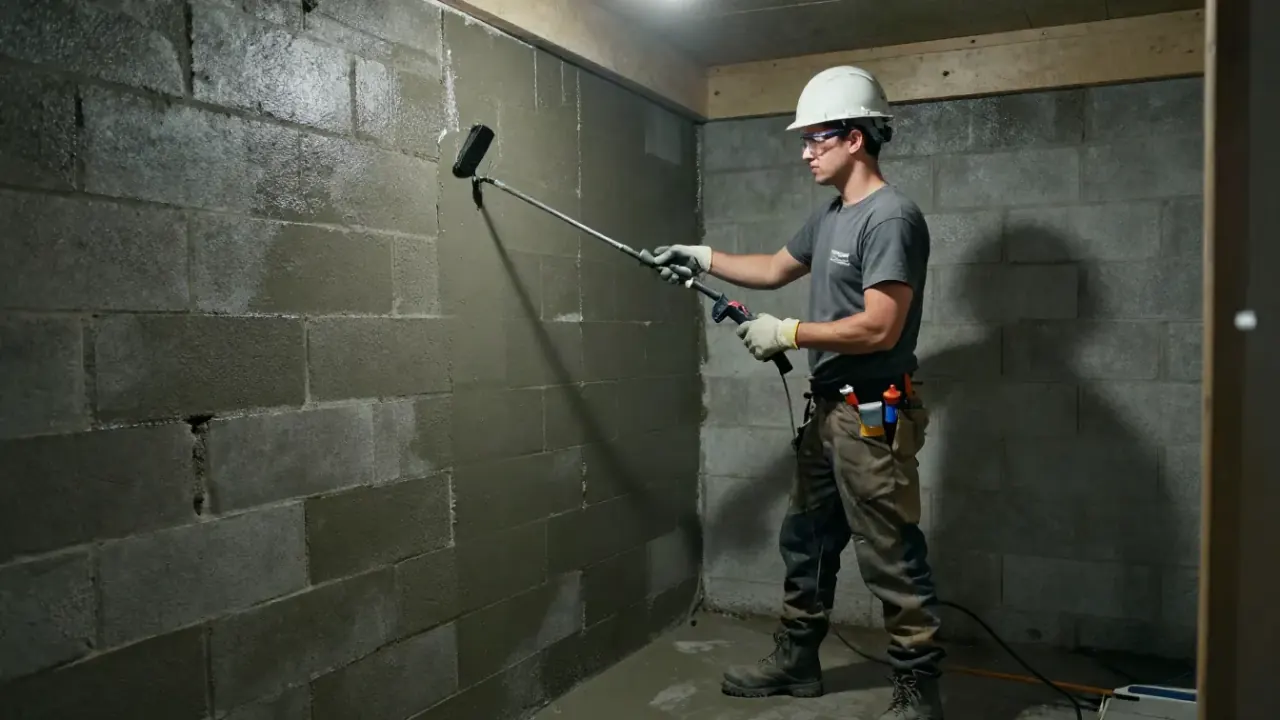
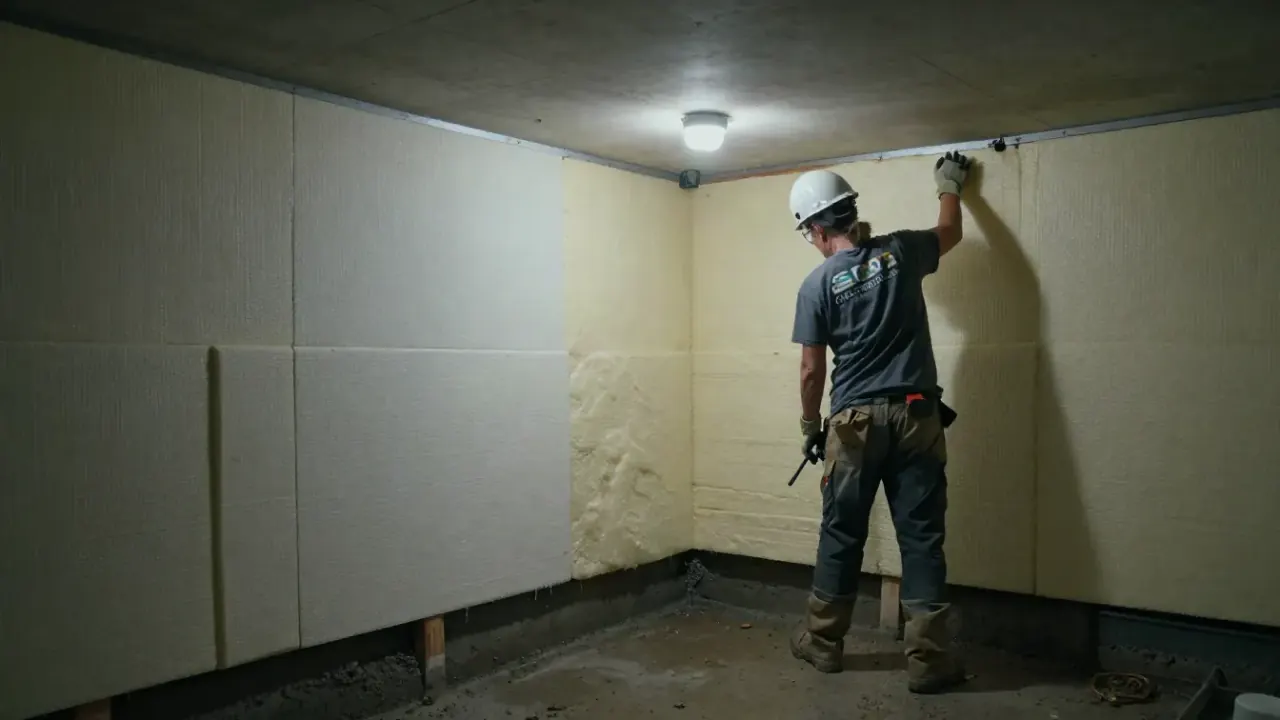
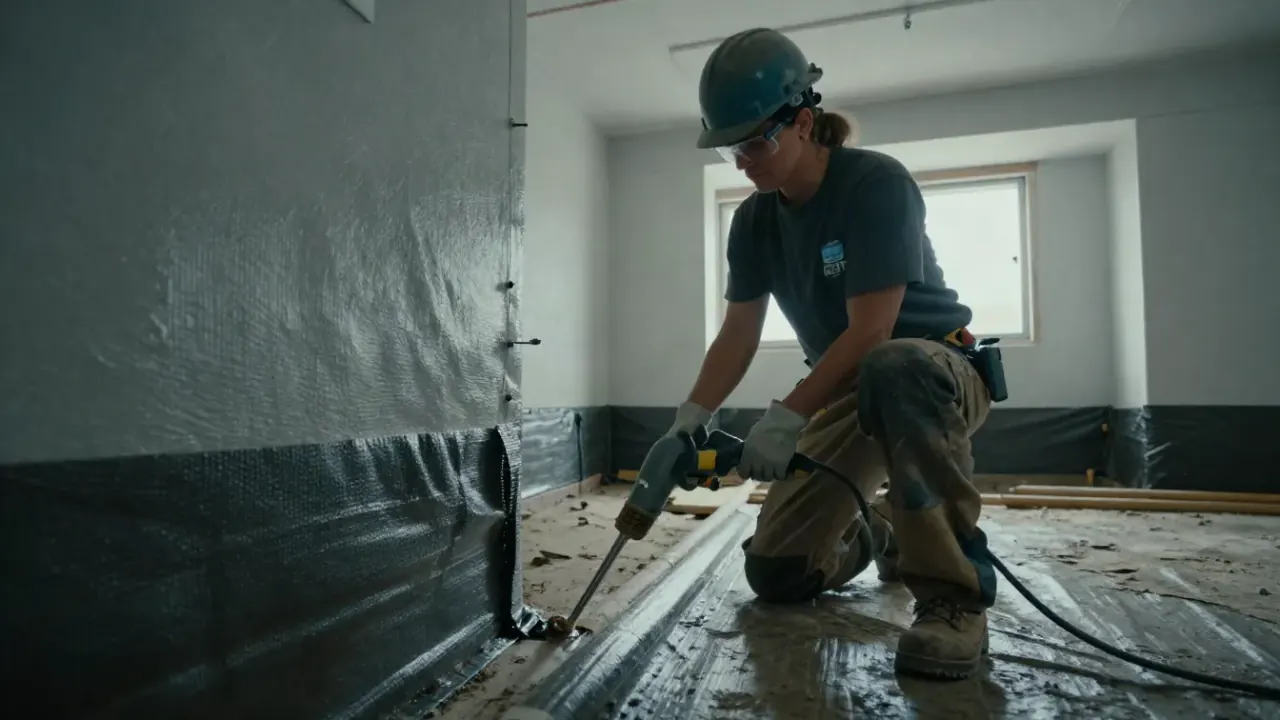
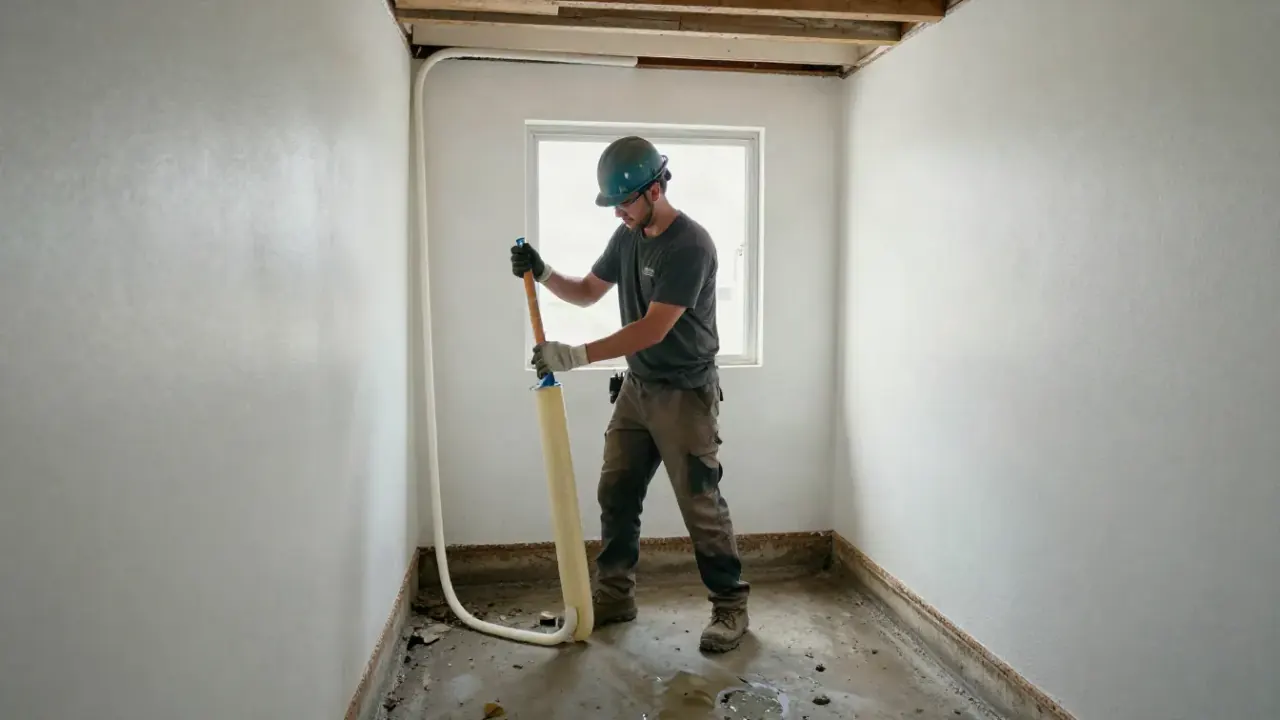
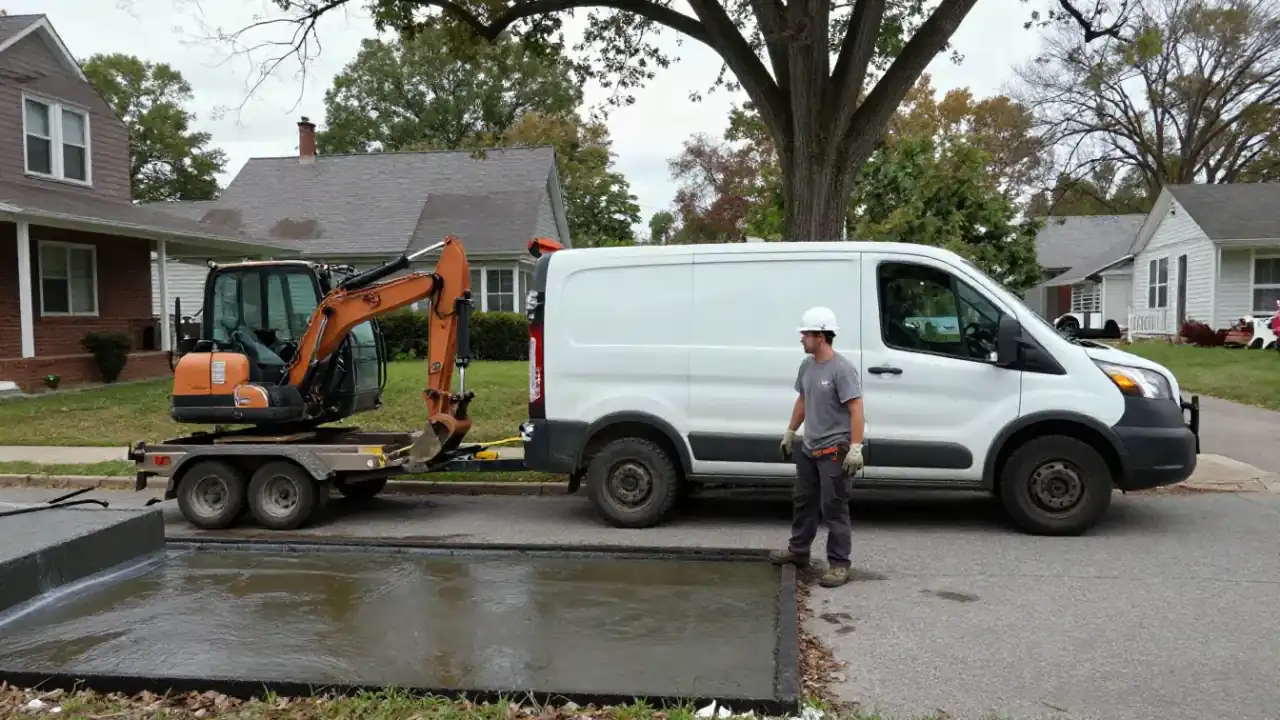
Basement wall sealing Warren OH helps protect foundation walls from dampness, mineral deposits, and recurring surface seepage. Warren Waterproofing Pros serves homeowners and property managers dealing with a wet basement, peeling paint, or musty odors. We inspect the wall and the source of moisture, then select a compatible sealing method. Our basement wall sealer application Warren work focuses on prepared masonry and practical fixes, not a quick coat over an active leak.
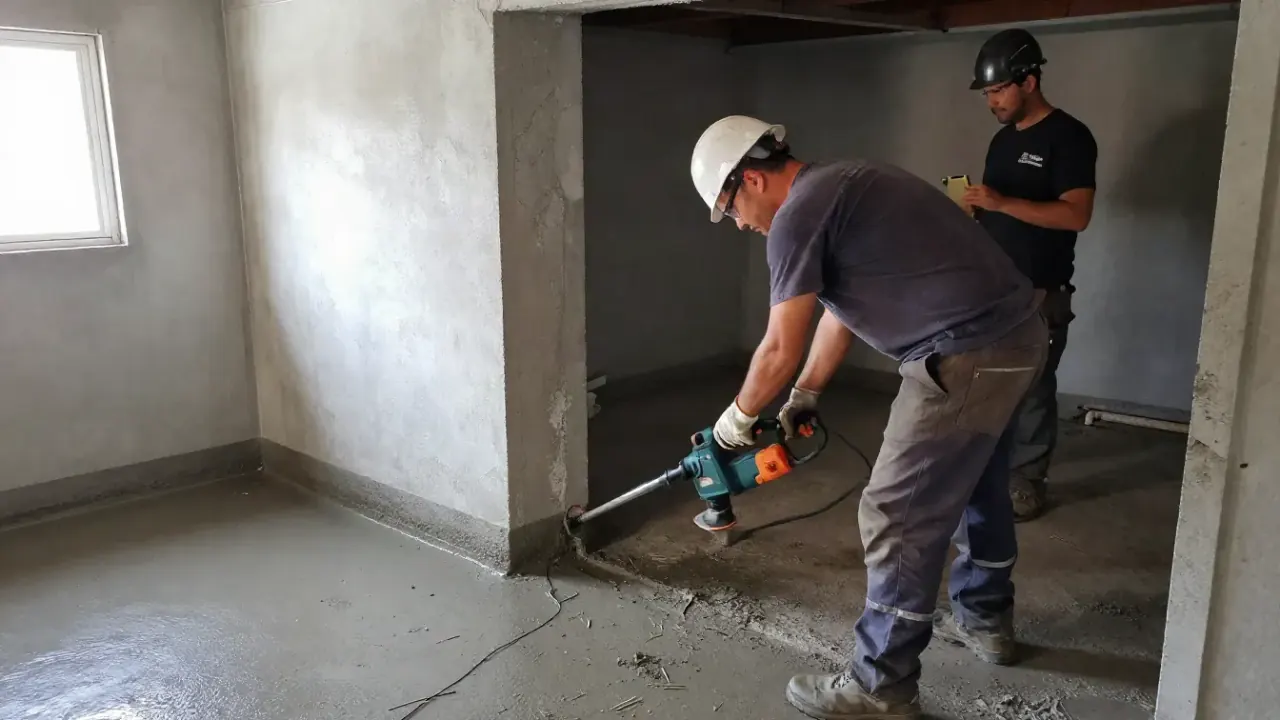
Surface protectionCovering nearby floors and belongings
Product checkMatching material to the wall
Finish reviewWalking treated sections with you
What basement wall sealing includes
Our service covers inspection, moisture-source review, surface preparation, compatible masonry sealer application, and a final walk-through. We identify visible cracks and explain when they need separate repair before coating. Extensive excavation, interior drainage, active crack injection, and pump work are separate services when the evidence calls for them. You will know which wall sections are being treated and what the treatment is designed to do.
Wall condition review
We examine the masonry for damp areas, efflorescence, flaking paint, open mortar joints, and visible cracks. The review records where moisture appears and helps separate surface treatment from repairs needed for active leakage.
Moisture source check
We look for patterns linked to rain, floor joints, windows, plumbing, or condensation. A moisture meter can compare affected and unaffected wall sections, while exterior observations flag pooling water and poorly directed downspouts.
Surface preparation
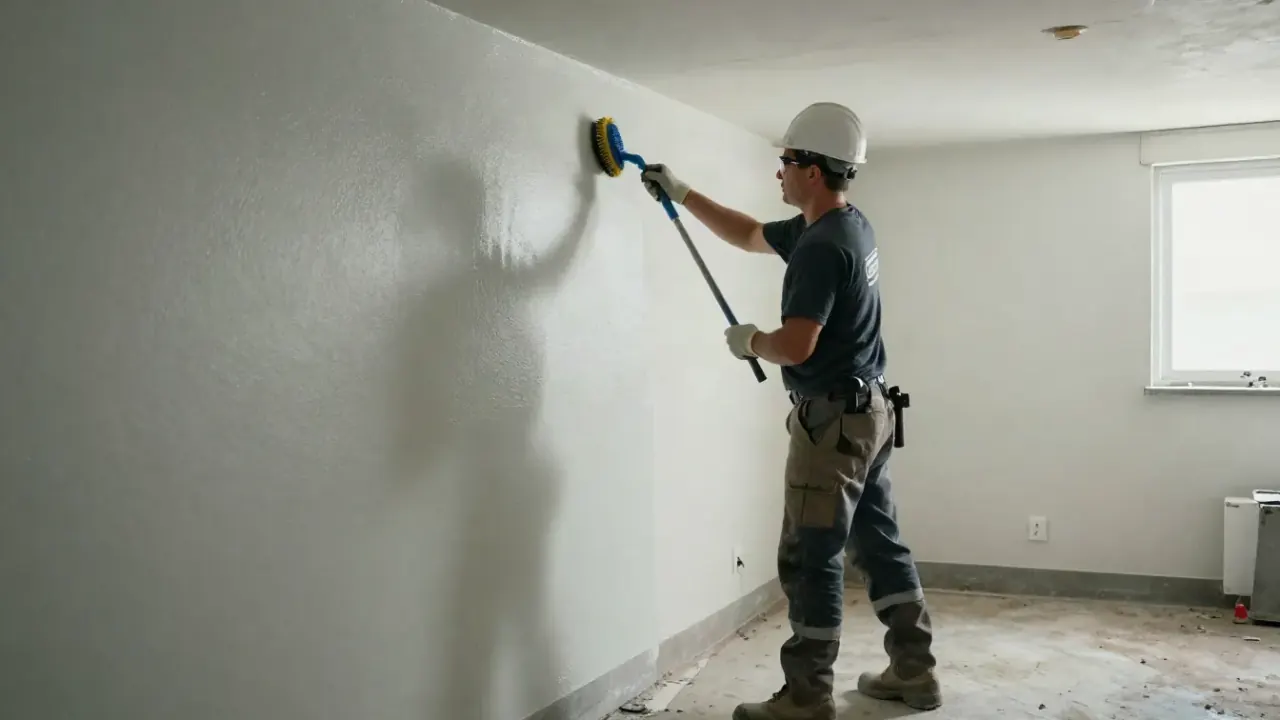
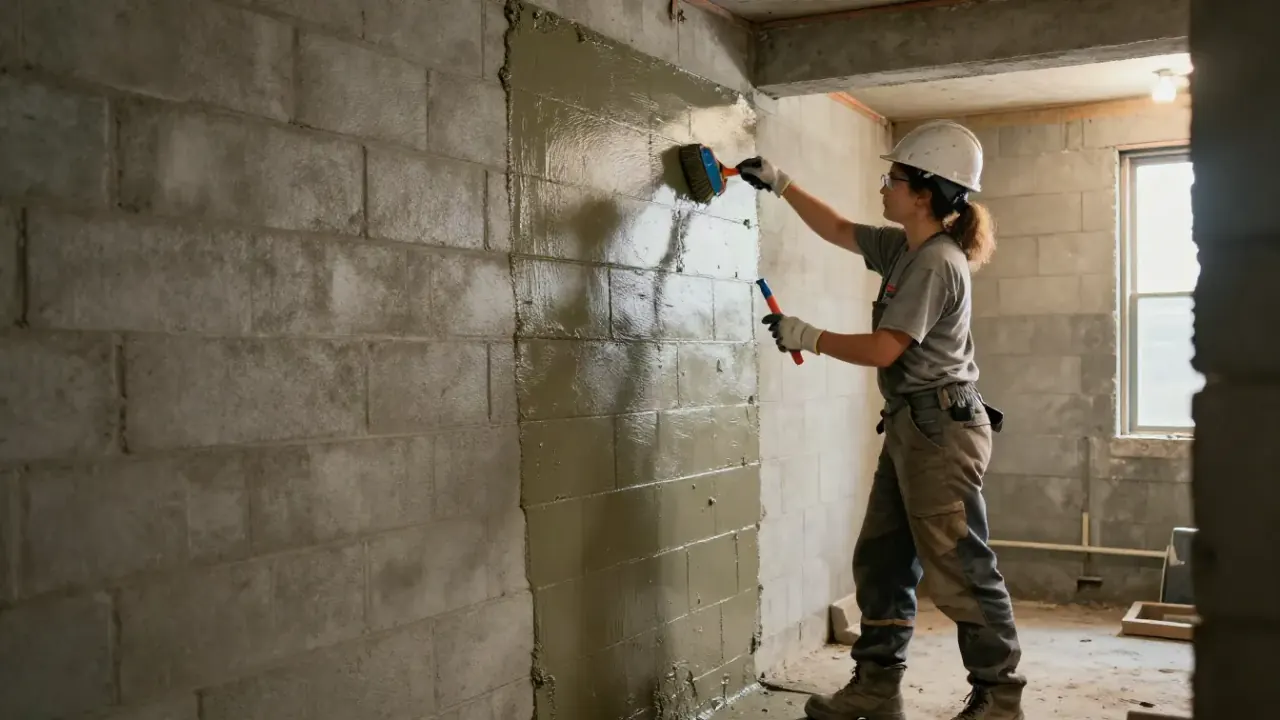
The work area is protected while loose paint, dust, and unsound material are removed. We address appropriate minor surface defects and prepare the masonry according to the selected product requirements before applying a coating.
Sealer application
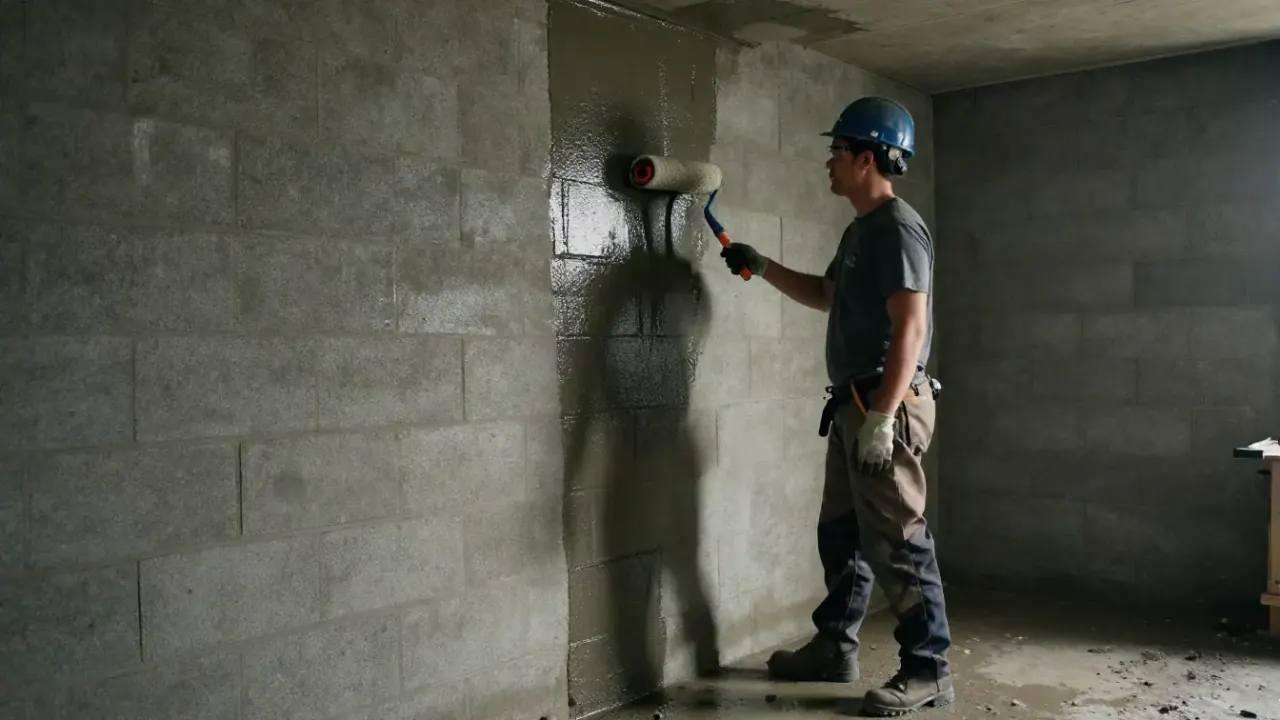
We apply a masonry product suited to the wall substrate and conditions, following its application and cure instructions. Coverage includes the agreed wall sections, with attention to corners, repaired spots, and mortar joints.
Finish review
We review the treated area with you, identify any observed conditions outside the sealing work, and explain cure time and upkeep. You receive practical guidance on watching the wall after heavy rain and keeping nearby drainage clear.
Homes and businesses.
The approach is the same for a home and a business. What changes is the access, the schedule and who needs the paperwork.
Homes and rentals
We inspect basement walls in homes and rentals, then explain which areas suit sealing and which show another moisture source. You can point out when stains appear.
Damp storage-room masonry
Peeling paint near laundry
Seasonal corner seepage
Managed properties
We review utility basements and shared spaces with owners or property managers, noting access, wall conditions, and affected areas. We coordinate work around normal building use.
Utility-room wall staining
Basement storage areas
Shared service corridors
Basement wall sealing Warren OH explained
A plain-language look at what Basement Wall Sealing involves and when it is needed.
Basement wall sealing Warren OH is a masonry moisture-control treatment that reduces water vapor and surface seepage through prepared foundation walls. We first identify the wall material, visible cracks, old coatings, and signs of water pressure; then we remove loose paint, salts, dust, and unsound mortar so a compatible sealer can bond. Depending on the wall and moisture pattern, the work may use a masonry waterproof sealer or a crystalline waterproofing additive. Sealing addresses the wall surface; it does not replace drainage repairs when water is entering under pressure.
In Warren, Ohio, repeated wet-weather cycles, snowmelt, and poor yard grading can leave basement walls damp long after a storm. Efflorescence, staining near a floor joint, and water seepage through basement walls point to different causes, so we trace the pattern before choosing a coating. If you are comparing basement wall sealing cost Warren OH, the wall area, preparation, cracks, and active water entry all affect the work. We also check downspouts and nearby drainage where they contribute to the problem.
Wall sealing works when the masonry is prepared and the source of moisture suits a surface treatment.
What it is
A prepared masonry surface receives a compatible sealer to reduce suitable moisture movement.
When to use
Consider sealing for damp, porous walls after checking cracks, drainage, and active leakage.
What to expect
Inspection, surface preparation, product application, cure time, and a final wall review.
How the work proceeds
Basement wall sealing in Warren, Ohio follows a practical sequence: find the moisture source, prepare the wall, apply the right material, and check the finished area. A straightforward room often takes one workday; extensive preparation or repairs add time. We explain the steps before work begins and keep your basement access path clear.
Inspect the wall
We walk the basement with you, map damp areas, and note cracks, salt deposits, peeling paint, and floor-joint staining. A moisture meter helps compare affected and dry sections, while exterior observations can reveal pooling water or a downspout discharging beside the foundation. The visit usually takes 30 to 60 minutes, depending on access and the number of walls.
Walk-through
Moisture map
Crack check
Identify the cause
We distinguish surface moisture from active leakage, condensation, and water pressure before recommending a coating. If a crack is wet or the wall is bowing, sealing alone is not the repair; we explain crack injection or drainage options. You see the reason for the recommendation, including what a wall treatment will and will not address.
Trace source
Compare patterns
Explain options
Prepare masonry
Our crew moves or protects nearby items, removes loose paint and unsound material, and cleans the work area. We repair minor surface voids with a suitable patching material and allow the wall to reach the product's required condition. Preparation commonly takes several hours; heavily coated or salt-damaged masonry takes longer.
Protect area
Clean masonry
Prep surface
Apply the sealer
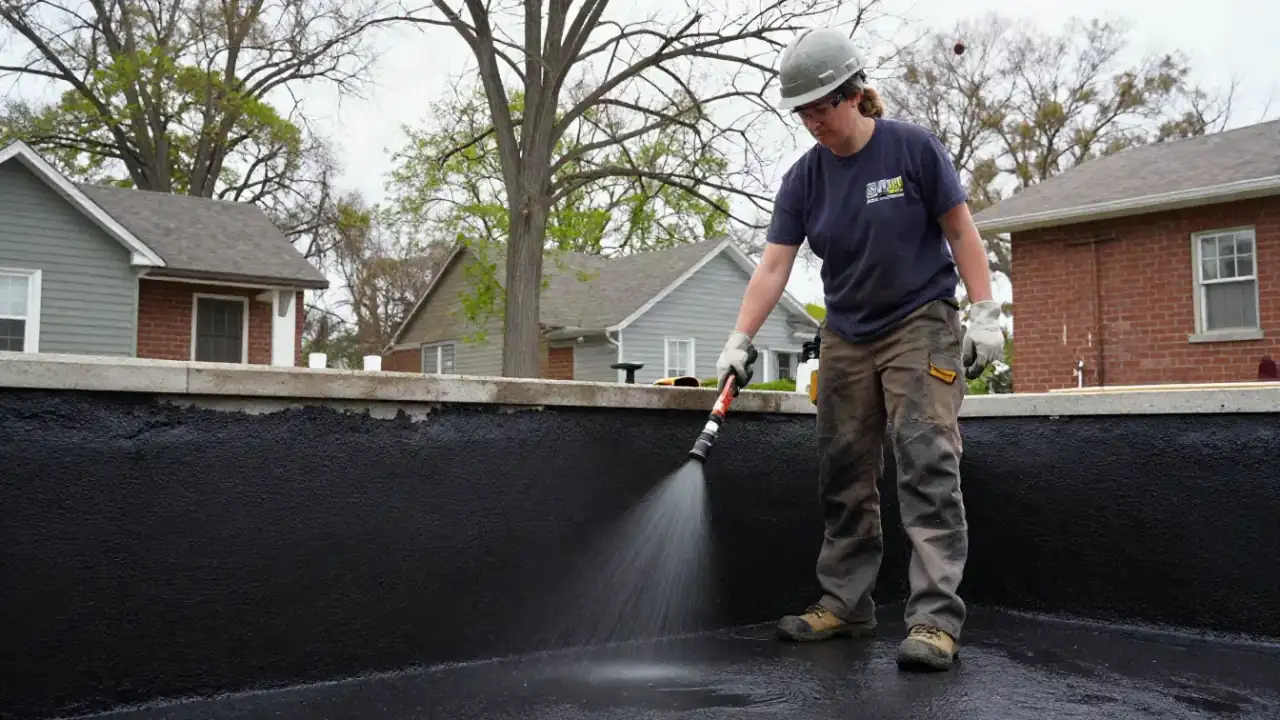
We apply the selected masonry sealer at the specified coverage and coat thickness, paying close attention to corners, mortar joints, and repaired areas. The product label governs application temperature and cure time, so we check basement conditions rather than rushing the next coat. You can expect ventilation and a controlled work zone while the material is applied.
Apply sealer
Check coverage
Follow cure
Review and maintain
After the coating has cured according to its product instructions, we review the finished wall with you and explain what to watch for after rain. We note any areas that need a separate drainage or crack repair and discuss simple upkeep, including clearing downspouts. You leave knowing which wall sections were treated and how to monitor them.
Review wall
Discuss upkeep
Note next steps
Tools and sealing methods
Move across a circle, or focus it and press Enter, for an illustrative thermal view of the photograph.
Moisture meter
We compare readings across damp and dry masonry to help locate moisture patterns. The readings support, but do not replace, inspection of cracks, salts, and exterior drainage.
Wet/dry vacuum
We use it to collect dust and loose debris during preparation, helping keep the work area cleaner before the sealer is applied.
Hydraulic cement
For suitable minor voids and active seep points, hydraulic cement can provide a localized repair before surface preparation. It does not replace drainage when water pressure persists.
Masonry waterproof sealer
A compatible masonry waterproof sealer protects prepared wall surfaces from appropriate moisture movement. We select it based on substrate, existing coatings, and product application requirements.
Dimpled drainage membrane
Where water needs a path to an interior drainage system, a dimpled drainage membrane can guide it downward rather than asking a surface coating to contain pressure.
Thermal views are illustrative, generated from the photographs.
Methods
Substrate-first preparation
We remove loose paint, salts, dust, and unsound mortar before applying a coating. The wall must meet the selected product's requirements for cleanliness and moisture condition. This method improves contact with the masonry and avoids sealing over material already separating from the foundation.
Moisture-source diagnosis
We compare the location and timing of dampness with cracks, joints, windows, plumbing, and rain patterns. The evidence helps us distinguish surface moisture from active leakage or condensation. We recommend wall sealing only when the condition fits that treatment.
Targeted crack treatment
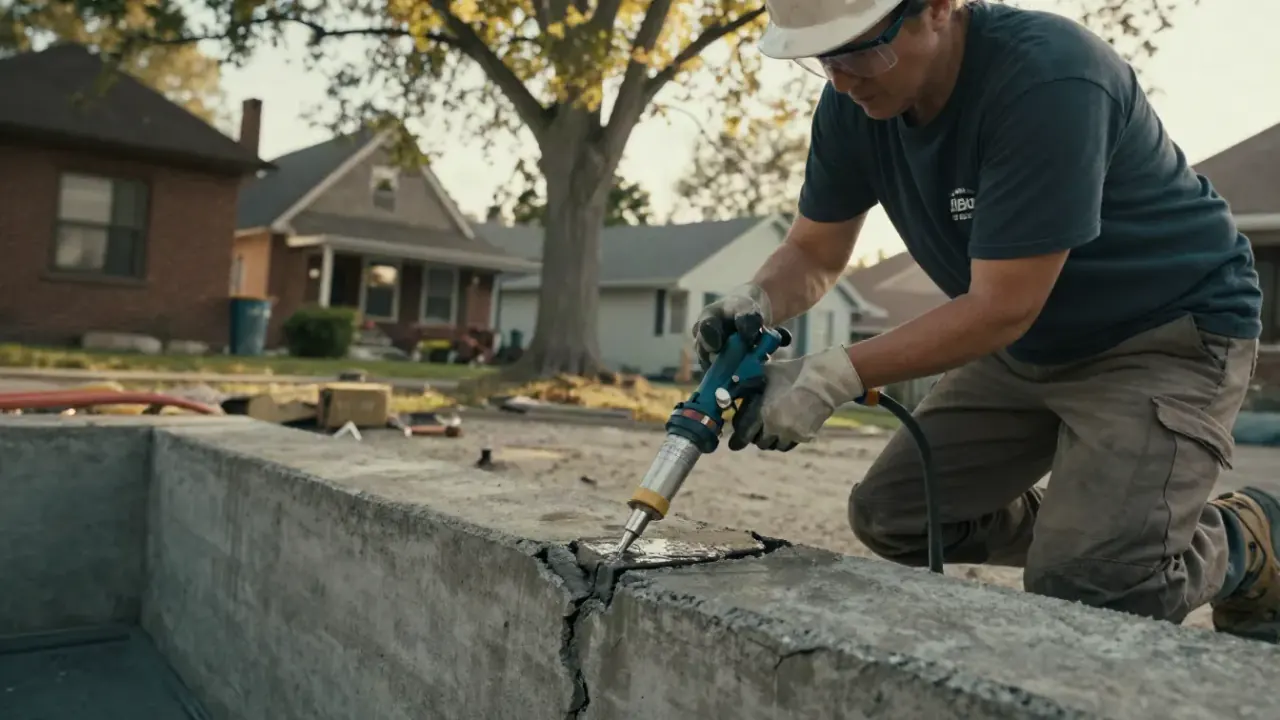
When a crack is the entry point, we address it before coating the surrounding wall. Depending on the crack and water conditions, an injection approach may use epoxy injection resin or polyurethane injection foam. We explain the material choice and keep surface sealing separate from structural or drainage work.
Product-guided application
We follow the chosen sealer's instructions for coverage, coat timing, temperature, and curing. Those limits matter in a basement, where cool masonry and humidity can slow drying. We check conditions and explain when the wall is ready for the next step.
When to seal basement walls
Efflorescence marks
A Warren basement wall develops chalky deposits and peeling paint after several wet-weather cycles.
We inspect the wall for active entry, remove loose material, and identify whether the deposits are efflorescence. If the masonry is appropriate for treatment, we prepare it and apply a compatible sealer. We also check nearby grading and downspouts so runoff is not repeatedly loading the same foundation area.
Outcome: You get a prepared, sealed wall and a clear distinction between treated masonry and any drainage issue that needs separate work.
Snowmelt corner
A homeowner in Howland Center notices a damp corner after snowmelt but no standing water.
We compare the corner with nearby walls, check visible cracks and exterior runoff paths, and assess whether moisture is surface seepage or condensation. Once the source is understood, we prepare the appropriate section and apply the chosen sealer within its temperature and cure requirements.
Outcome: The corner receives a treatment matched to its condition, and you know what signs to monitor during the next thaw.
Laundry wall
A property manager in Warren needs a basement wall treated before repainting a utility room.
We review the wall and old coating, identify peeling or salt-affected areas, and prepare sound masonry before sealing. We coordinate the work sequence with repainting so the sealer has time to cure according to its product instructions, rather than trapping moisture under fresh paint.
Outcome: The manager has a defined treatment area and a clear sequence for follow-on finish work.
Floor-joint seepage
A homeowner near Bolindale sees a narrow damp line where the wall meets the floor.
We examine whether the line comes from a wall surface, crack, or water entering at the floor joint. If pressure is driving the seepage, we explain why sealing alone is insufficient and discuss interior drainage. We seal only the masonry sections suitable for that treatment.
Outcome: You avoid relying on a wall coating to stop water that requires a drainage repair.
Downtown WarrenHowland CenterBolindale
How sealing works in Warren homes
Warren basement walls see moisture from sustained rain, winter freeze-thaw cycles, and spring snowmelt. We pay close attention to efflorescence, leaking floor joints, and water that appears after heavy rain, because those patterns often point to different sources. Older masonry, previous paint layers, and finished basement rooms also change how much preparation a wall needs.
Our basement wall sealer application Warren approach starts with the substrate and the water path, then follows the product's temperature and cure requirements. We check grading and downspout discharge where runoff collects beside a foundation. If pressure or a crack is driving water inward, we explain the separate repair rather than promising a coating will stop it.
Work that changes drainage or building components is considered with Ohio Residential Building Code compliance in mind. Across Trumbull County, access and wall construction vary by property, so we plan protection and preparation around your basement layout. You receive a direct explanation of the treated area and what to watch during the next wet-weather cycle.
Downtown Warren: Utility basements and older masonry can have multiple paint layers. We check adhesion and salt deposits before recommending a new coating.
Howland Center: Runoff around finished homes can leave isolated damp corners. We compare the wall pattern with downspout discharge and yard slope.
Bolindale: Basement layouts vary, so we plan material access and protect stored items before removing loose wall coatings.
Morgandale: After storms, we pay attention to damp floor joints and recurring stains that may call for drainage rather than surface treatment.
Freeze-thaw cycles stress cracks and exterior seal points: Water entering a fine crack can widen it as conditions change, leaving a surface coating unable to bridge the active path. We inspect cracks before sealing and recommend separate repair when movement or leakage is evident.
Heavy rain exposes poor grading and short downspouts: Runoff concentrated beside the foundation can keep masonry wet and increase pressure against the wall. We check discharge direction and pooling so the sealing plan is not undermined by water repeatedly collecting at the same location.
We walk the basement and discuss where and when moisture appears.
We protect nearby surfaces and set up the work area.
We review treated sections and explain monitoring and upkeep.
From problem to finished result.
IllustrativeThe thermal view is generated from the photograph. It is not a measurement. Drag the handle, or use the arrow keys once it is focused.
Efflorescence on a utility wall
Before: A Warren homeowner found white powder returning across about 90 square feet of concrete wall. The paint had begun to lift, and stored boxes sat close to the affected area. A quick repaint would have covered the marks without removing salts or checking why moisture was moving through the masonry.
After: We removed loose paint and deposits, checked the wall for active leakage, prepared the affected section, and applied a compatible sealer. The work treated the full 90-square-foot area in one scheduled workday, with cure time handled according to product instructions. The homeowner received a clear record of the treated wall and nearby conditions.
Keep boxes several inches away from the wall and check the area after heavy rain. Clear nearby downspouts and note any new bubbling, salt deposits, or damp spots before repainting.
Damp corner after snowmelt
Before: A basement corner developed a dark patch each spring, but there was no standing water. The owner had applied interior paint twice. Inspection showed loose coating and runoff collecting near the outside corner, so a new coat alone would not address the repeated moisture.
After: We reviewed the wall and exterior water path, removed failing paint, and treated the masonry after the runoff issue was corrected. The prepared section covered roughly 35 square feet. The owner now has a defined treated area and knows to compare the corner after the next thaw rather than covering a fresh stain.
Keep the exterior discharge path clear and watch the corner through seasonal thaw. If dampness returns, record when it appears and whether nearby soil is saturated.
Peeling paint beside laundry area
Before: A property owner noticed paint bubbling along a 12-foot basement wall near laundry equipment. Moisture marks extended from a narrow crack, and the room smelled musty. The owner wanted a sealer but needed the crack assessed before the wall surface could be treated.
After: We addressed the crack separately, removed unsound coating, and sealed the suitable surrounding masonry after preparation. The wall work took one day, with the repair and sealer cure requirements observed. The owner received a review of the treated section and a plan for checking it after rain.
Maintain access to the repaired wall, avoid covering it with new paint before cure, and inspect for fresh staining. Keep laundry hoses and nearby plumbing connections in good condition.
Problems wall sealing can address
Basement wall sealing and waterproofing Warren Ohio homeowners request often begins with a visible symptom: damp masonry, salt deposits, or peeling paint. Those clues do not all point to the same repair. We use the pattern and location to determine whether a surface seal is appropriate or another fix should come first.
Salt depositsWhite efflorescence returning across porous basement masonryRepeated salts can loosen paint and leave dusty residue on stored belongings. The deposits also show moisture is moving through the wall, so covering them without preparation can lead to early coating failure. We identify the affected masonry, remove loose deposits and coatings, and check whether water entry is active. When the wall is suitable for a sealer, we prepare the surface and apply a compatible product. If moisture continues under pressure, we explain the drainage or crack repair needed before a coating can perform.
Peeling paintPeeling paint and damp patches after rainRepeated wetting can damage finishes and keep the basement uncomfortable. Paint applied over damp masonry often blisters again, leaving you with more cleanup and little control over the underlying water source. We trace the damp patch against rainfall, grading, downspout discharge, and nearby cracks. After controlling the identified source and allowing suitable preparation conditions, we remove unsound paint and seal appropriate masonry. You get a repair based on the water path rather than a cosmetic cover-up.
Musty wallMusty odors from persistently damp foundation wallsA damp wall can contribute to elevated basement humidity and odors that cling to stored items. If the source remains, adding paint or fragrance will not stop moisture from affecting the space. We inspect wall moisture and look for other contributing conditions, including condensation and poor air movement. Once the source is addressed, we prepare and seal suitable surfaces. Where humidity remains after water control, we discuss moisture management rather than claiming a wall coating alone will solve the air problem.
Leak confusionSmall wall seepage mistaken for a coating problemA crack or floor-joint leak can continue behind a surface layer, eventually staining the coating or sending water onto the floor. Recoating without fixing the entry point delays the repair and obscures useful evidence. We inspect the leak location and determine whether it needs crack injection, joint drainage, or another repair before sealing. For a compatible wall, we treat the surrounding masonry after the source is addressed. This sequence helps protect the finish and gives you a clear next step if water returns.
What proper wall sealing changes
Prepared masonry and a matched sealer help reduce suitable wall moisture.
Less surface dampness
A compatible sealer limits moisture moving across porous masonry when seepage is minor and the wall has been prepared correctly. We remove loose material and treat salt deposits before coating, rather than trapping them under a fresh layer. That gives you a better chance of keeping stored items and finished surfaces away from recurring wall dampness.
Cleaner masonry finish
A sealed, prepared wall is easier to inspect and keep clean than one with flaking paint and chalky efflorescence. We identify the affected area, scrape unsound coatings, and repair minor surface defects before applying the selected product. You get a consistent wall surface, with a clear record of any cracks that need separate attention.
Earlier leak detection
A properly maintained wall surface makes new water marks easier to spot after heavy rain. We document existing stains and crack locations before work, so you can compare later conditions rather than guessing whether the moisture has changed. If water returns at one point, that pattern helps us trace a drainage or foundation issue promptly.
A focused repair plan
Not every damp wall needs excavation, and not every leak can be solved with a coating. We match the repair to the evidence: seal sound masonry for surface moisture, repair cracks when they pass water, and address drainage when pressure is driving seepage. That distinction helps you avoid paying for a surface treatment that cannot solve the underlying fault.
What you receive
Clear records you can keep and share.
Work notes
Treated sections and observed conditions
Photo record
Images of agreed work areas
Care guide
Cure and monitoring instructions
Material record
Product used on the wall
Sealer is not drainage
A wall coating treats suitable surface moisture; water pressure, active cracks, and floor-joint leaks may require separate repairs.
Surface moisture
Moisture moves through porous masonry without a concentrated active leak.
Check salts and paint
Prepare sound masonry
Choose compatible sealer
Crack leakage
Water follows a visible crack or joint through the foundation.
Trace the entry point
Repair crack before coating
Recheck after rain
Water pressure
Soil water pushes through walls or floor joints and needs drainage control.
Review grading and discharge
Assess drainage needs
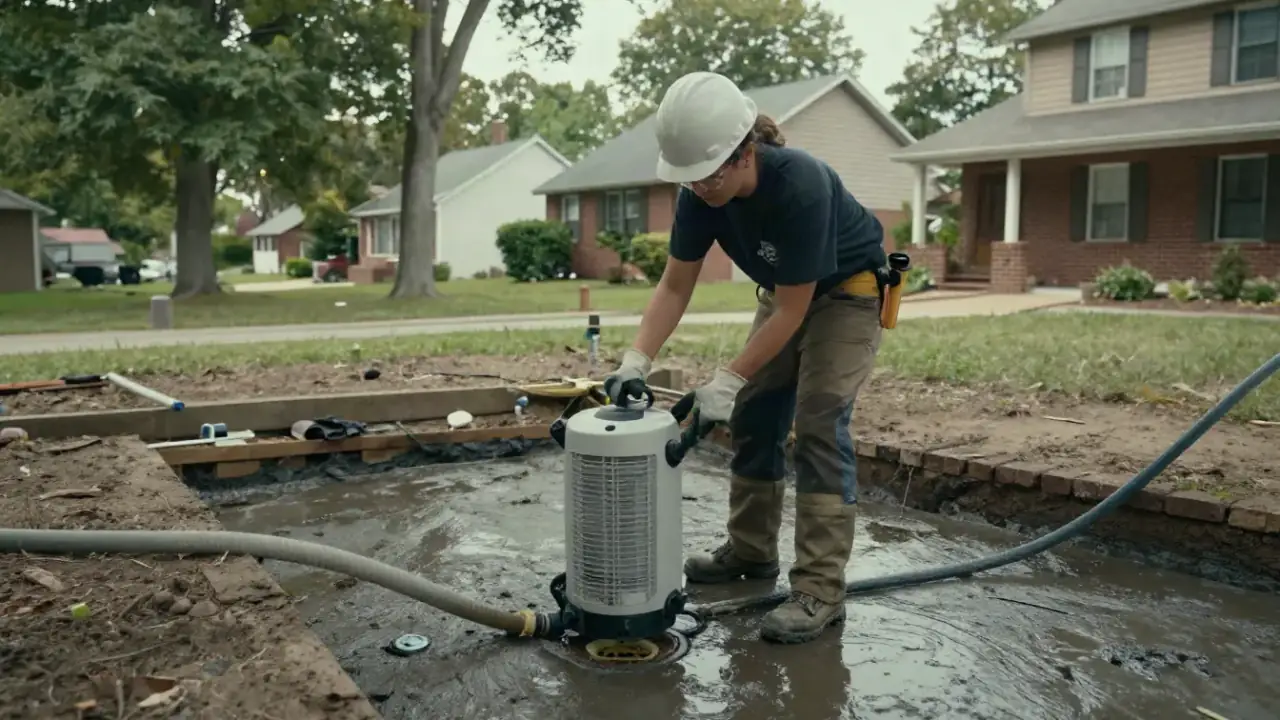
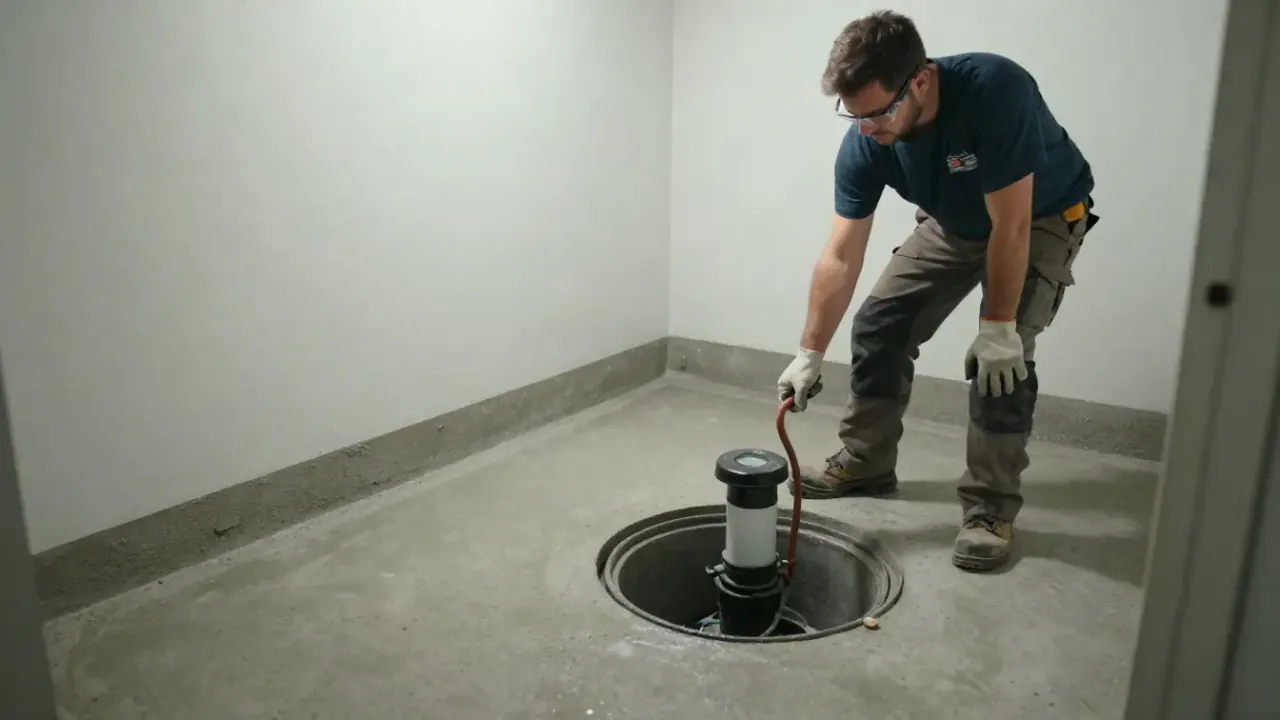
Consider sump operation
Materials and surfaces
Concrete
Masonry
Mortar joints
Hydraulic cement
Masonry sealer
Epoxy resin
Drainage membrane
Prepared substrate
Service ZIP codes.
A list like this tells people straight away whether you cover their street. Not listed? Call and ask: it only takes a minute.
The total depends on square footage, old coating removal, crack repairs, access, and whether drainage work is also needed. We inspect the wall and explain the price drivers before work begins. Typical 2026 pricing in the area varies with material and labor requirements.
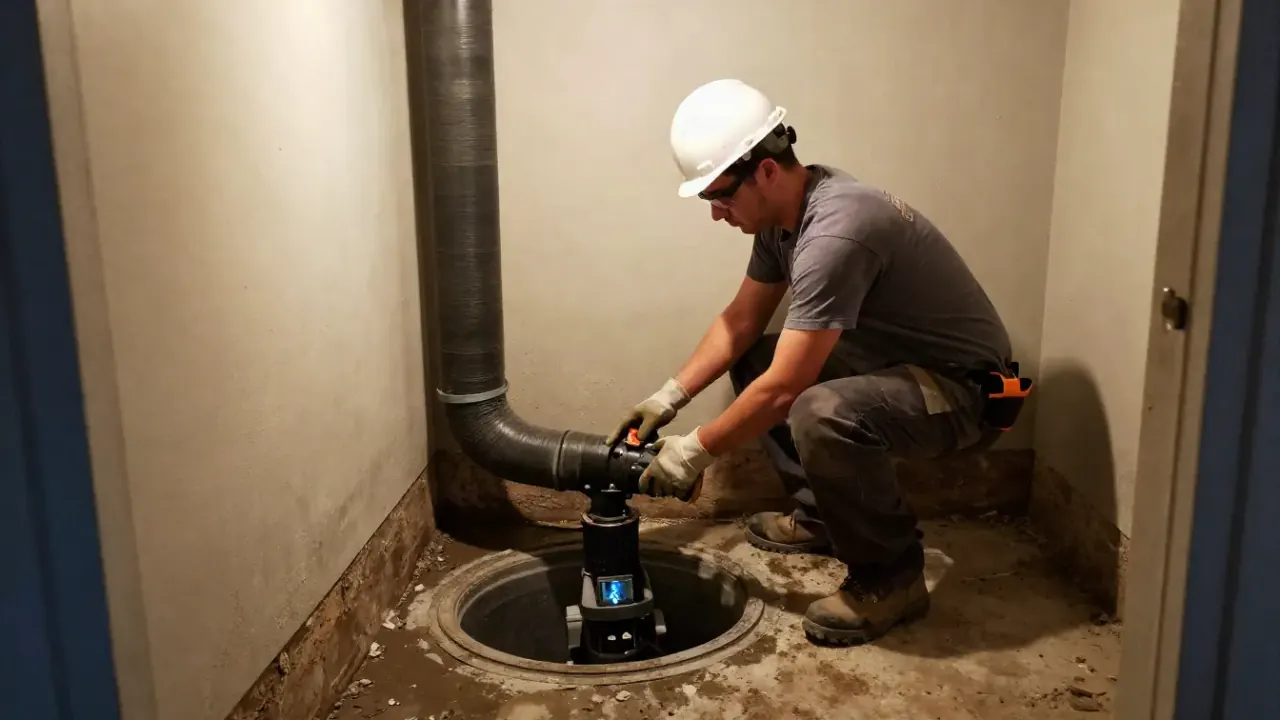
Sealing can reduce minor surface seepage, but it does not reliably stop active leaks driven by pressure or an open foundation crack. We trace the water path first; a crack may need injection, while recurring floor-joint water can call for drainage and a sump pump. If water appears after heavy rain, note where it starts and how quickly it recedes. That pattern helps us choose a repair that addresses the source.
The right sealer depends on the masonry, existing coating, moisture level, and whether water is actively entering. A breathable masonry waterproof sealer suits some prepared walls; crystalline products are designed for compatible cement-based substrates. We do not choose by label alone. We check adhesion conditions and salts, then explain why a product fits your wall and when a separate crack or drainage repair is necessary.
A properly prepared interior masonry seal can last several years, but no fixed lifespan fits every wall. Product type, water pressure, surface preparation, and drainage performance all matter. We explain the expected maintenance for the material used and advise you to inspect the wall after major rain and each spring. New staining, bubbling, or efflorescence means the moisture source should be reassessed rather than simply recoating.
Tell us where the wall gets damp and when you notice it. We will inspect the masonry, explain whether sealing fits the problem, and discuss upfront pricing before work proceeds. Call Warren Waterproofing Pros at (555) 123-4567 to arrange a basement wall assessment.
Tell us where water is showing up, how long it has been happening, and whether a sump pump or drain is involved. Call (555) 123-4567 during our weekday business hours, Monday through Friday, 8 a.m. to 6 p.m. We serve Warren, Ohio, and nearby communities, and will help you plan the right inspection for your basement or crawl space.