For Homes
We check how roof runoff affects your foundation, yard, and basement. You can show us puddles, damp walls, or extensions that obstruct walkways.
- Pooling beside a foundation
- A loose walkway extension
- Basement dampness after storms
Downspout drainage installation Warren OH gives homeowners a controlled route for roof runoff before it collects beside foundation walls, saturates soil, or reaches a basement. We assess the gutters, grade, discharge point, and signs of water entry, then install a surface extension or buried line suited to your property. If you see pooling after a storm, clogged outlets, or damp basement walls, our Warren team can help you choose a practical fix.
 Outlet checkSlope reviewFlow test
Downspout drainage installation covers an inspection of the outlet and water route, selection of a surface or buried discharge option, connection work, and a flow test. We also explain outlet access and routine checks. Trenching, pavement cutting, grading changes, or repairs to foundation cracks and basement drainage are separate work items when the property needs them; we identify those conditions during the visit and discuss the next step.
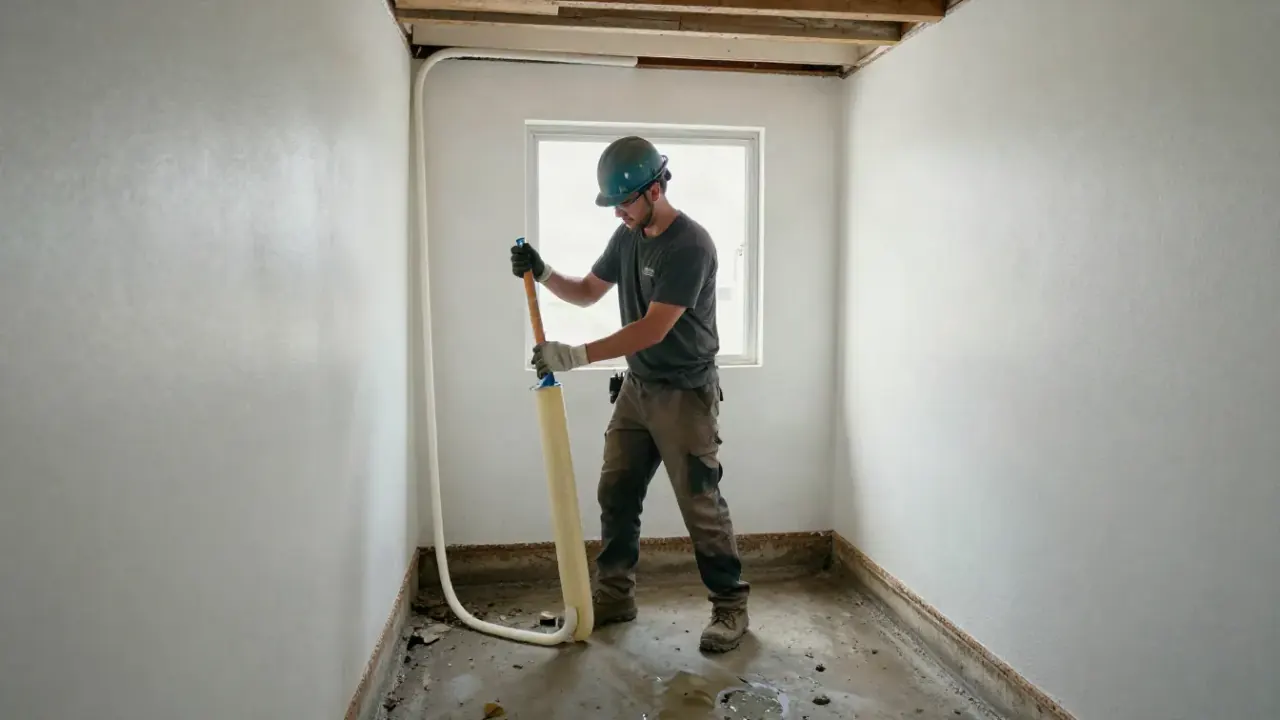
We examine the downspout opening, surrounding soil, and slope toward the proposed discharge area. This helps identify blockages, low spots, and routes that could send water back toward your Warren foundation.
We plan a surface extension or buried pipe route based on access, landscaping, paving, and the final outlet. You can see where water will travel and how the proposed path avoids common yard and walkway problems.
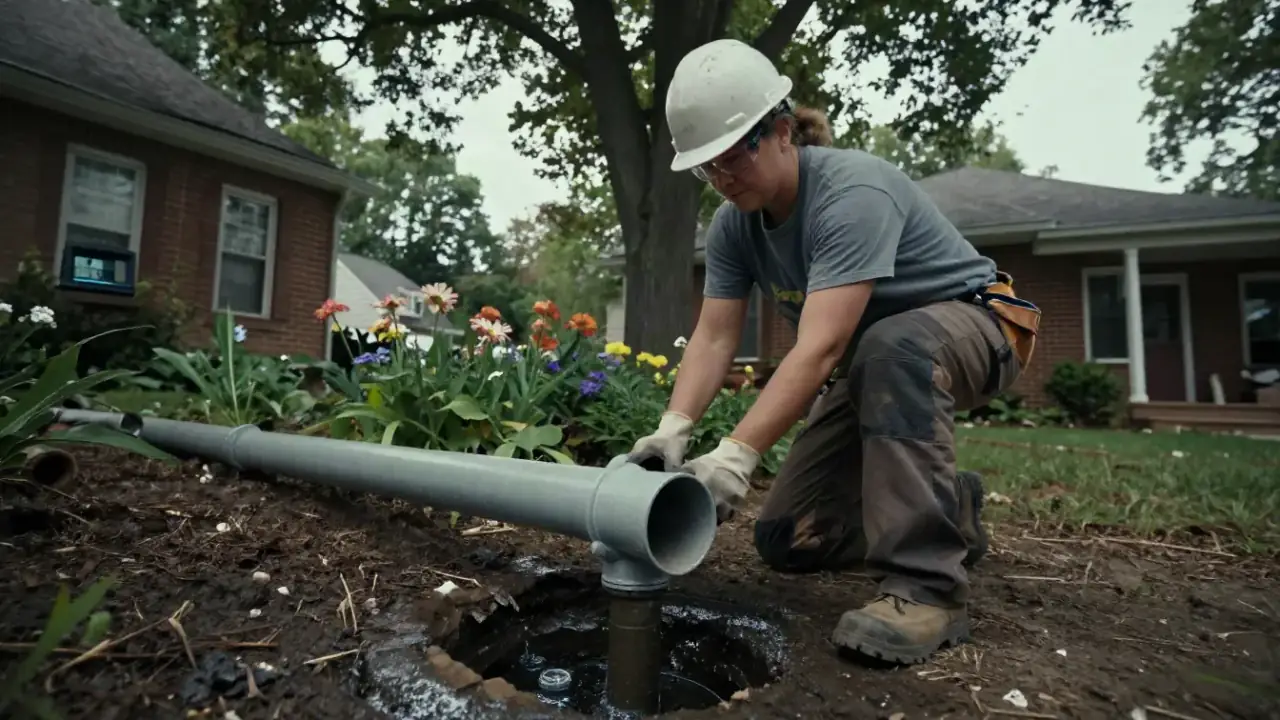
We connect the downspout to the selected drainage line and secure the joints. The materials and installation method depend on the route and ground conditions, with suitable access retained for future inspection.
We run water through the installed route and inspect the connection and discharge point. The check helps catch leakage, standing water, or a blocked outlet before we restore the work area.
We show you the outlet and explain basic seasonal checks, including looking for leaves, ice, or displaced surface extensions. If the symptoms point to another water source, we describe what needs further evaluation.
The approach is the same for a home and a business. What changes is the access, the schedule and who needs the paperwork.
We check how roof runoff affects your foundation, yard, and basement. You can show us puddles, damp walls, or extensions that obstruct walkways.
We assess downspout routes around entrances, parking areas, and building edges. You can identify recurring puddles or outlets that disrupt customer and staff access.
A plain-language look at what Downspout Drainage Installation involves and when it is needed.
See how it worksDownspout drainage installation Warren OH is an exterior drainage service that carries roof runoff away from a building to reduce water collecting beside its foundation. We inspect each downspout, measure the route and slope, and determine whether a surface extension or underground discharge pipe fits the yard. A correctly placed outlet must release water where it will not flow back toward the house, cross a walkway, or create a new low spot. We also check for clogged or buried downspouts and look for grading conditions that could undermine the drainage path.
Warren homes face repeated freeze-thaw cycles, spring rain, and summer storms that can send a large roof's runoff into a small area of soil. Our team looks for water pooling near foundation walls, efflorescence, wet basement carpet, and window well leakage before selecting a route. For downspout drainage installation in Warren, Ohio, the right discharge point depends on lot slope, utilities, hardscape, and the condition of existing drains. If you are researching where to drain downspouts in Warren Ohio, we trace the water path instead of choosing an outlet by distance alone.
Roof runoff needs a clear route from each downspout to a suitable discharge point.
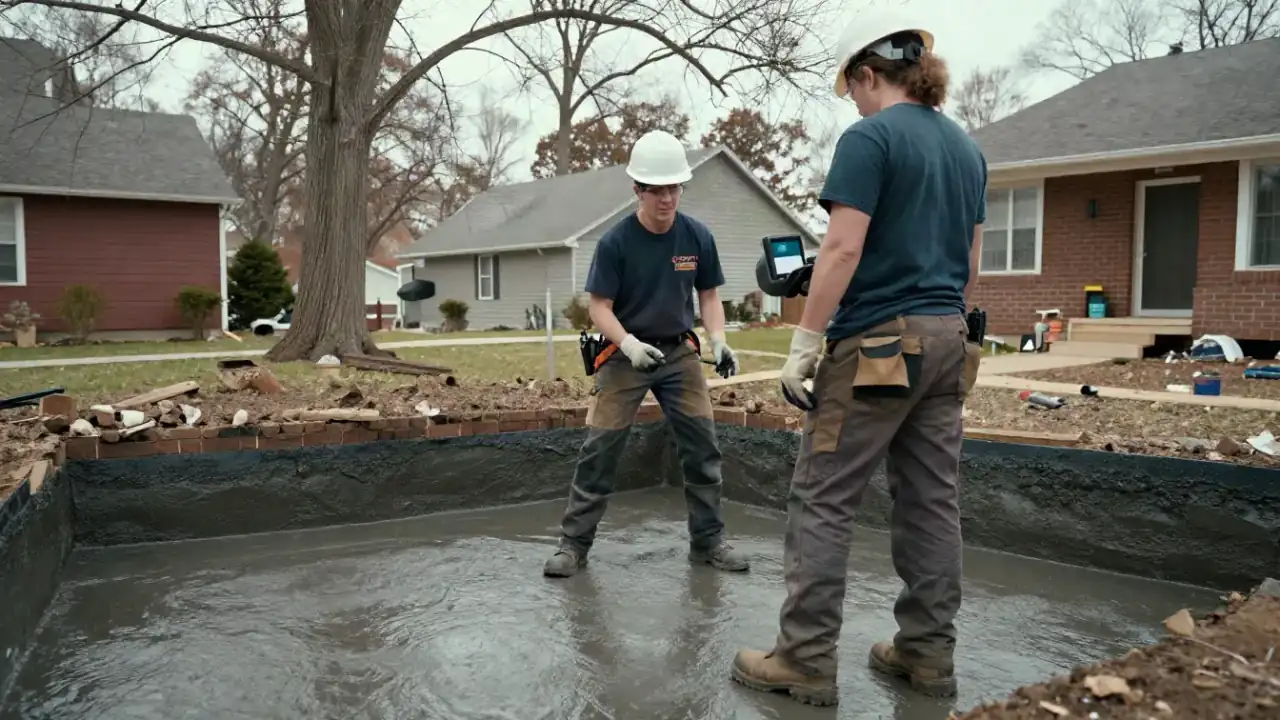
Downspout drainage installation in Warren starts with tracing water, not digging at random. We walk the route with you, check the discharge area, and explain each stage before equipment comes out. A straightforward surface extension can take a few hours; buried piping takes longer when the route crosses dense soil, paving, or landscaping.
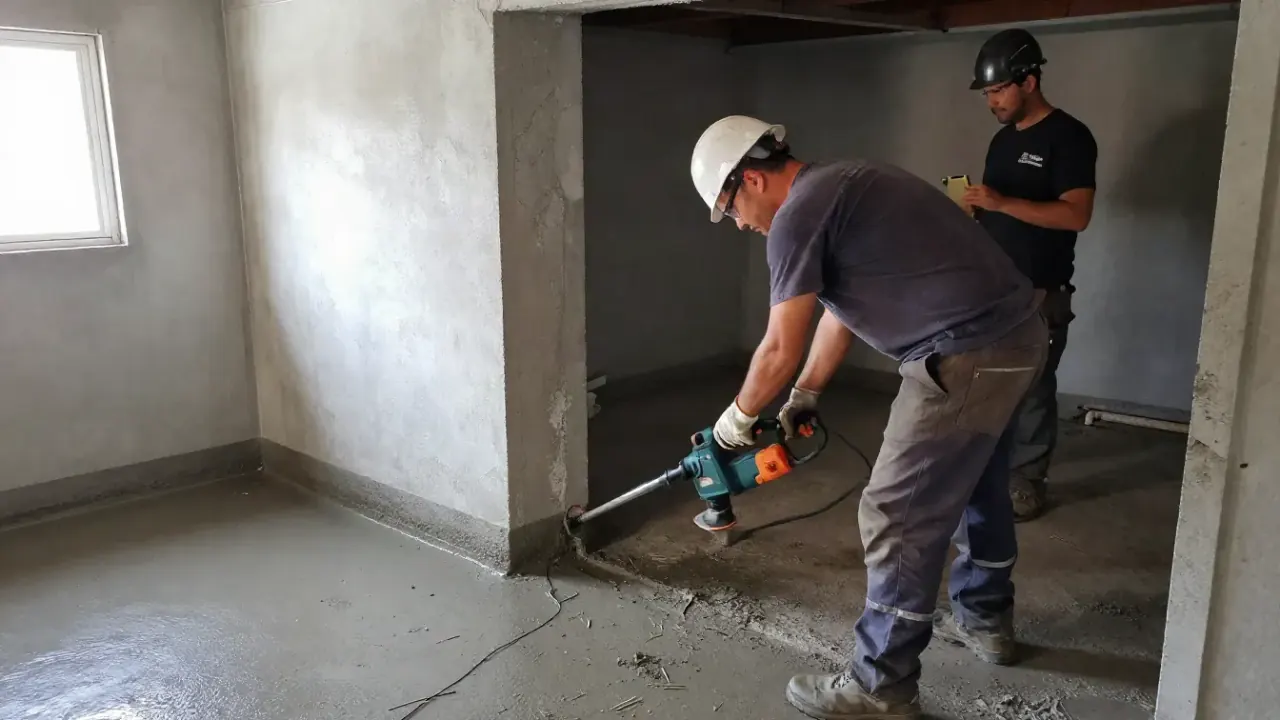
We inspect the downspout outlets, foundation perimeter, grade, and any spots where water stands after rain. You can show us damp walls, basement flooding after heavy rain, or places where a previous extension failed. A moisture meter helps assess suspicious interior areas, while visual checks identify loose joints and clogged outlets. This visit establishes the water path before we recommend a route.
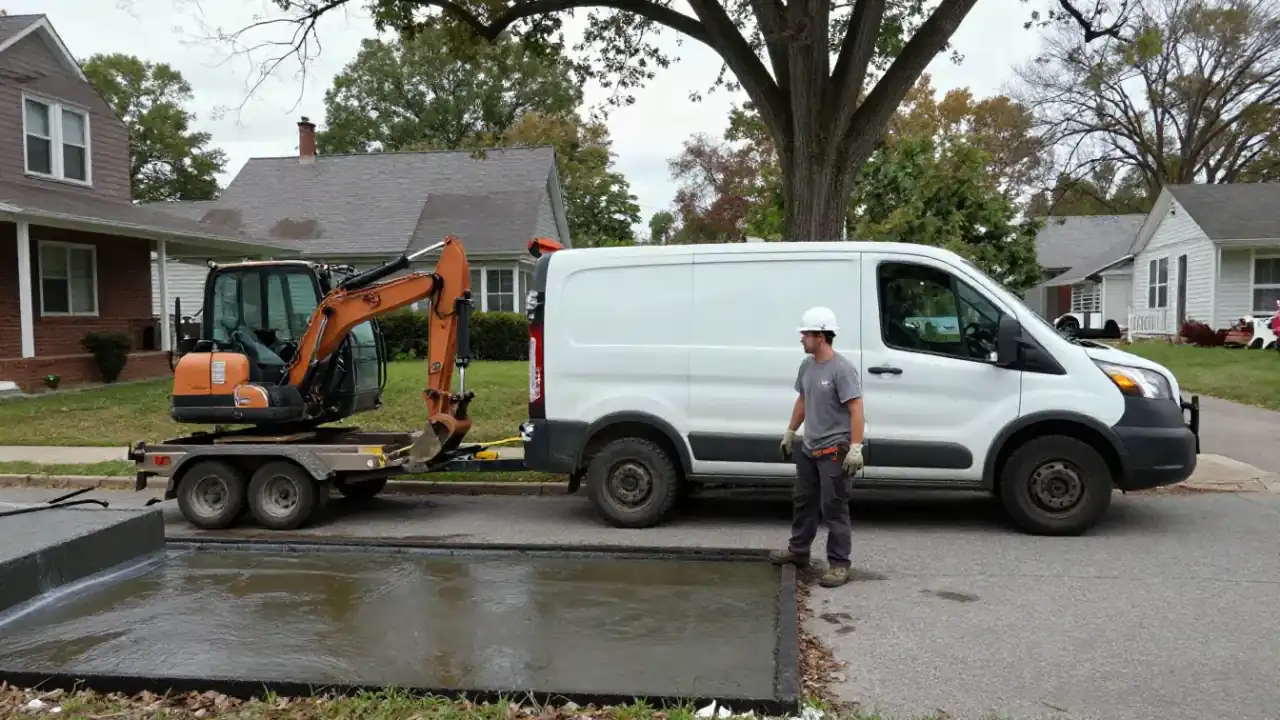
We identify a discharge point that sends water away from the house without creating a hazard for neighbors, walkways, or entrances. The plan accounts for grade, soil, landscaping, and known utility paths. We discuss a surface extension versus buried pipe, the likely outlet position, and access needs. You see how the route addresses the water problem before installation begins.
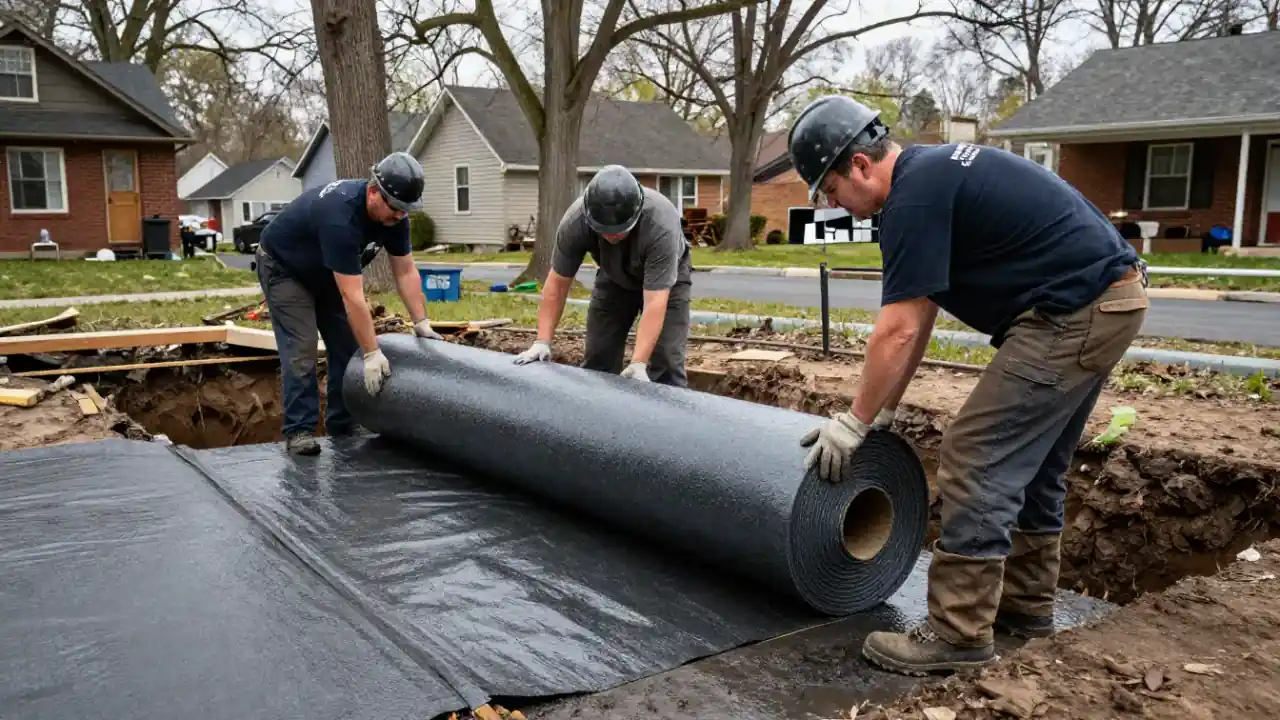
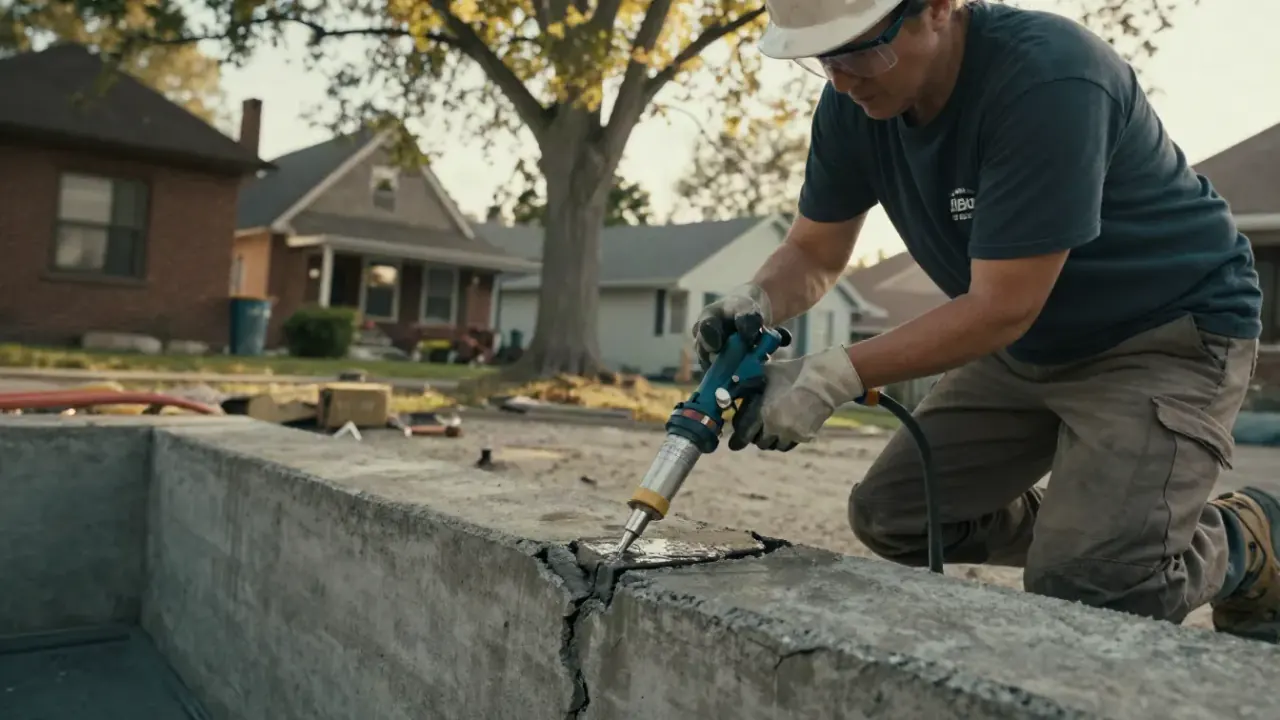
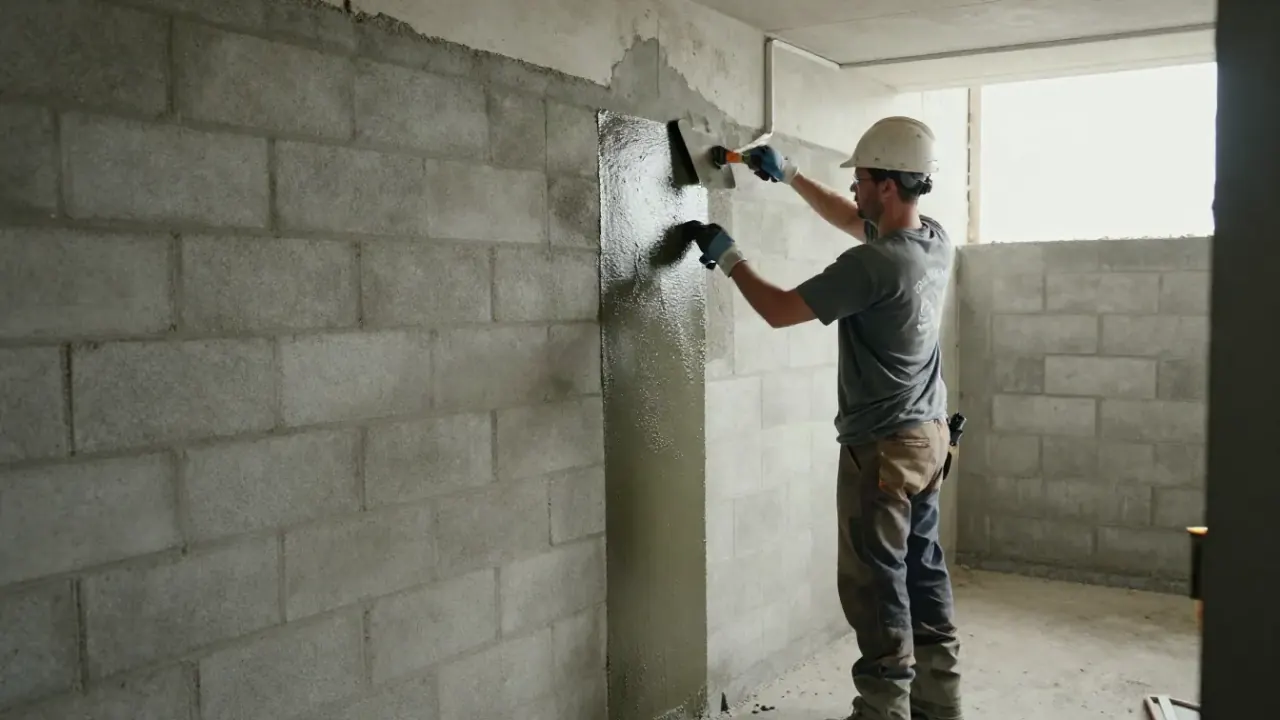
For an underground line, our crew marks the work area and opens a trench along the planned path. A trenching machine helps on suitable open ground; a concrete saw is used only when a paved crossing is part of the agreed route. We protect nearby planting and keep excavated material organized. Surface installations need less disruption, but still require stable placement and correct fall.
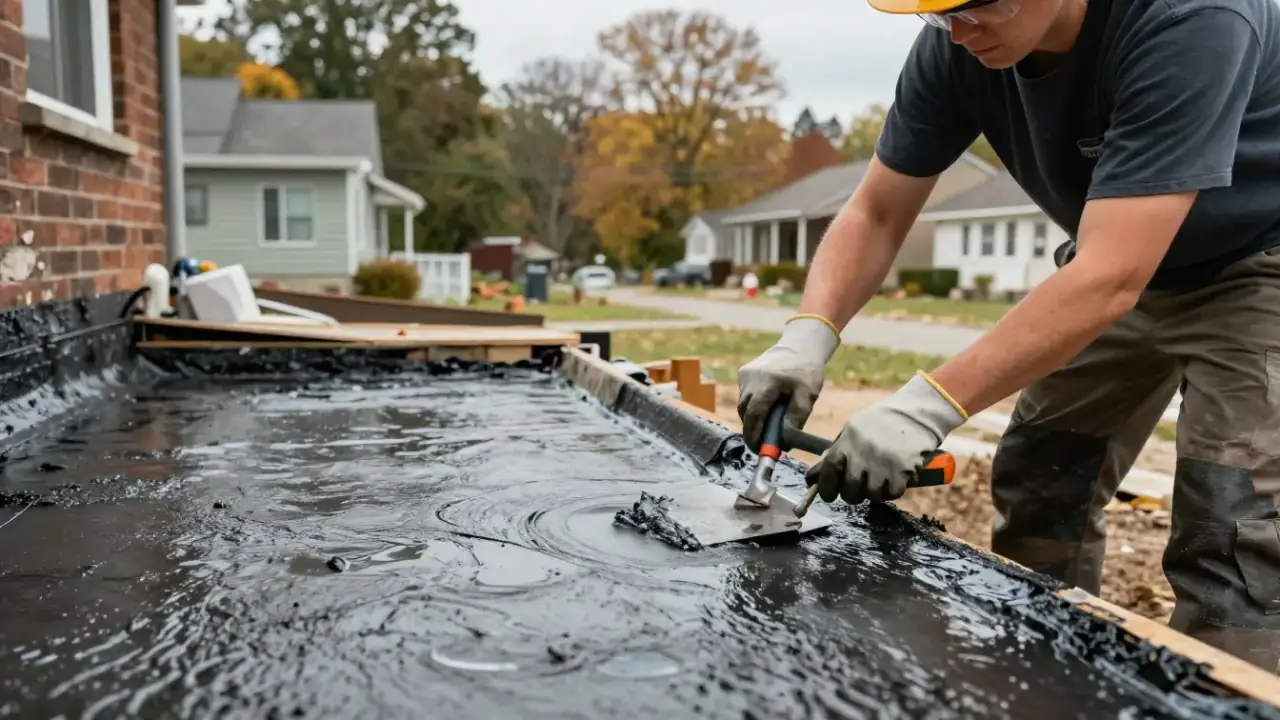
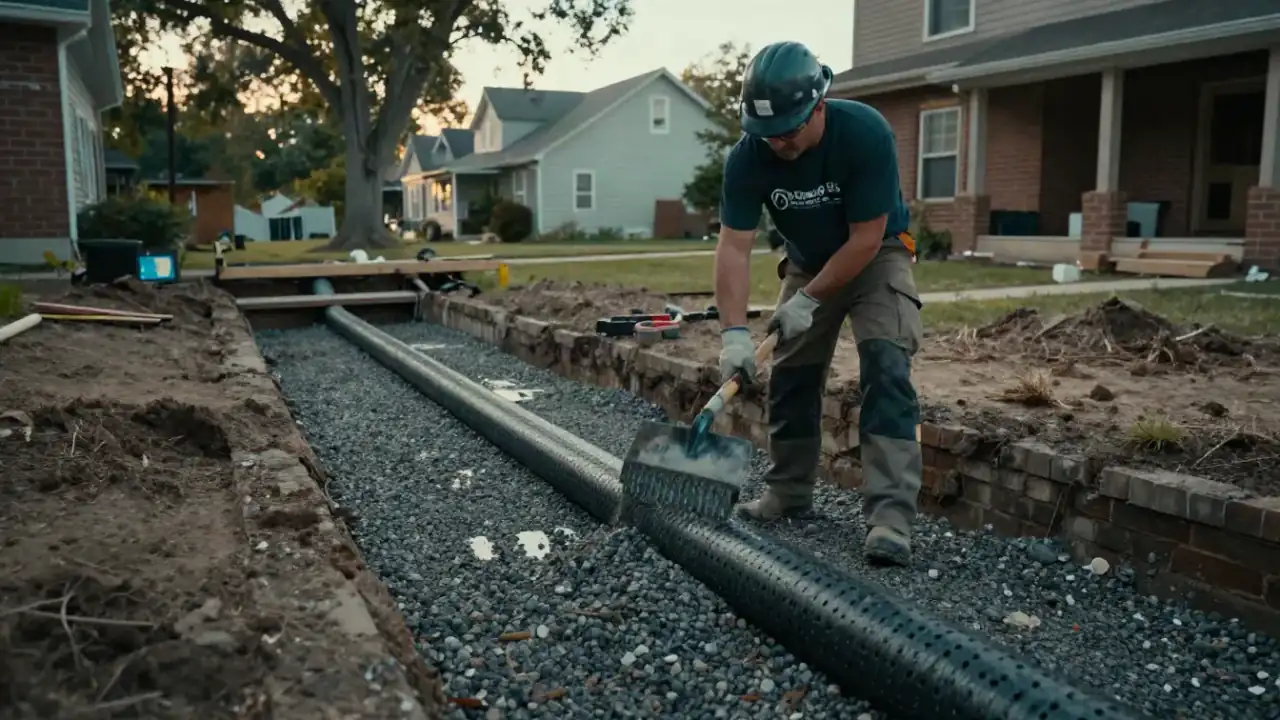
We fit the downspout connection, lay the discharge pipe, and maintain a consistent slope toward the outlet. Where the design calls for it, perforated PVC drain tile sits in a washed gravel bed; solid pipe carries roof runoff to its destination. We secure joints and set the outlet to limit backflow and debris entry. The exact assembly follows the drainage conditions found on your property.
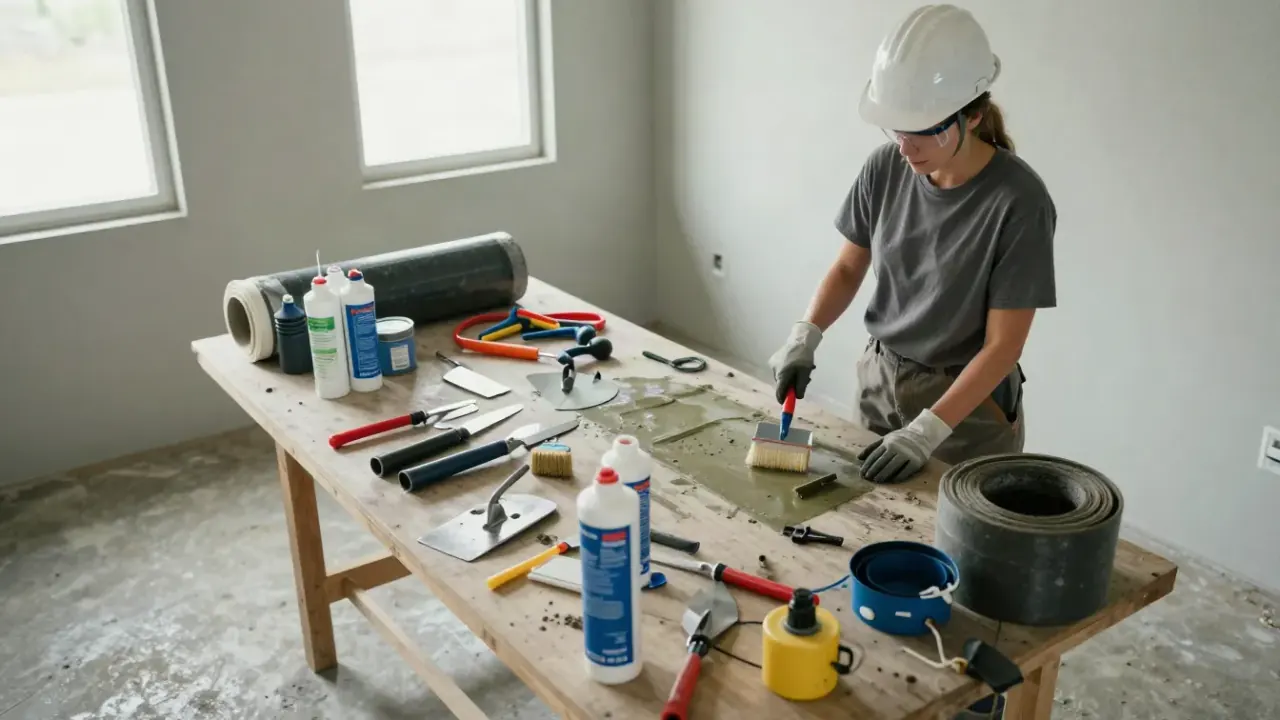
We run water through the system and check the downspout connection, pipe route, and outlet for leaks, standing water, or obstruction. Our team restores the disturbed area and walks you through where the discharge ends and what to watch during fall leaf drop. If the test exposes a separate drainage issue, we explain the next step clearly rather than calling the installation complete.
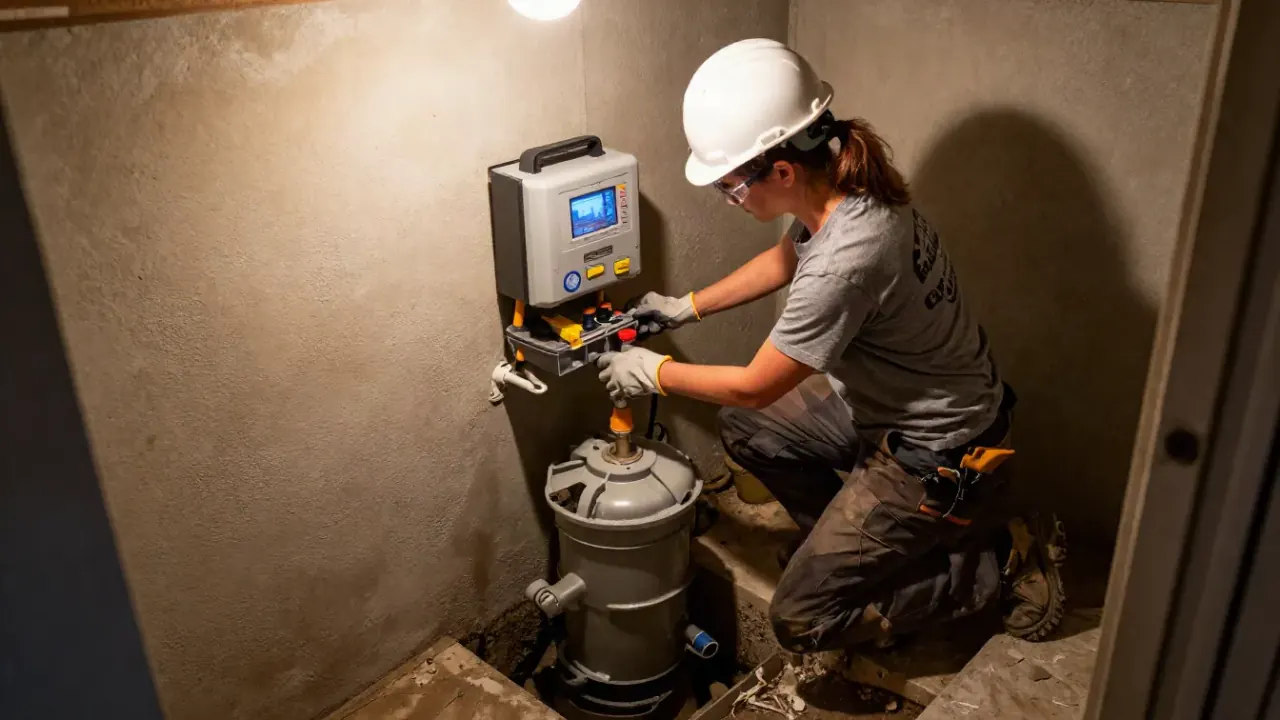
Move across a circle, or focus it and press Enter, for an illustrative thermal view of the photograph.
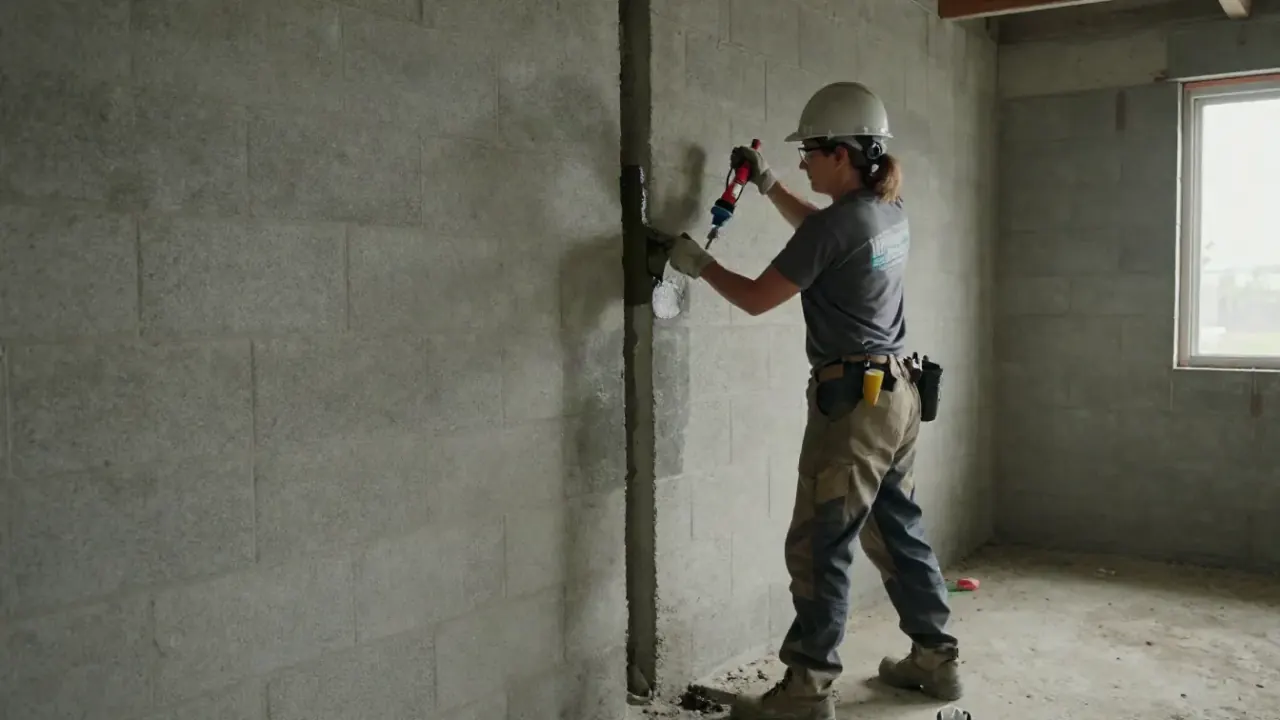
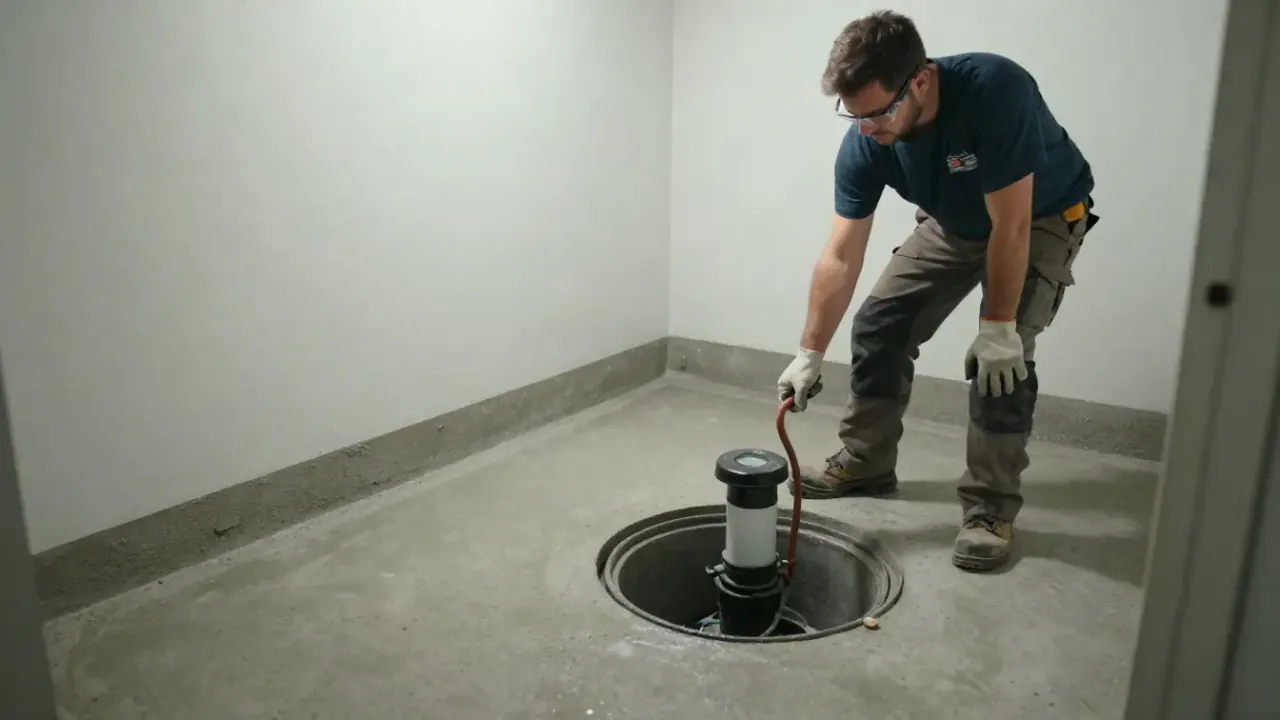
We use a moisture meter to check suspicious interior areas and compare visible dampness with the location of downspouts and exterior pooling.
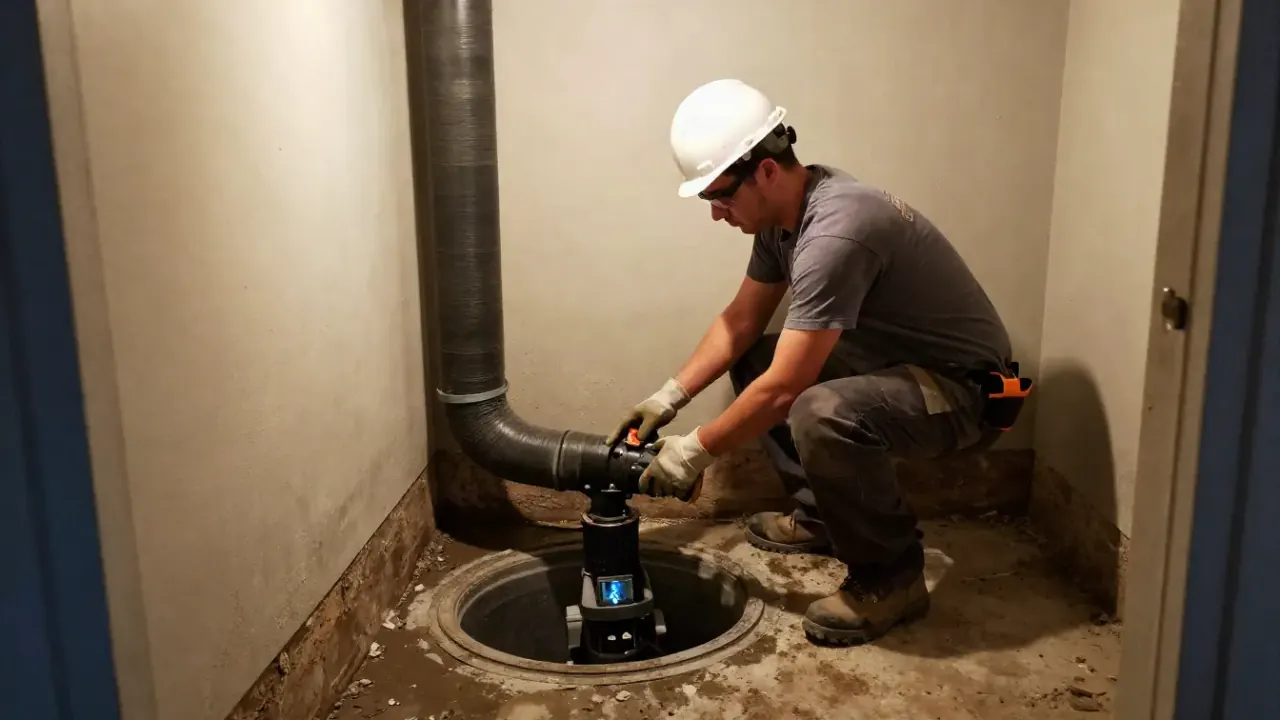
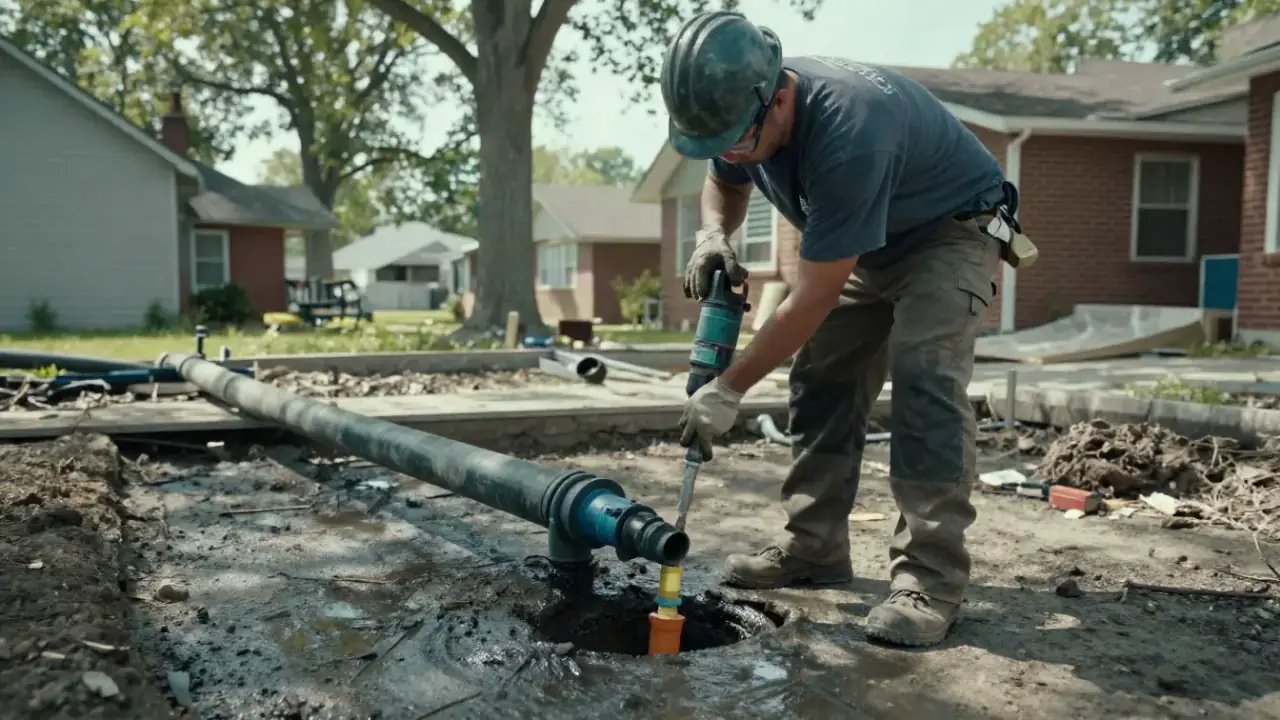
On suitable open ground, a trenching machine creates a consistent path for buried discharge pipe while limiting unnecessary disturbance to the yard.
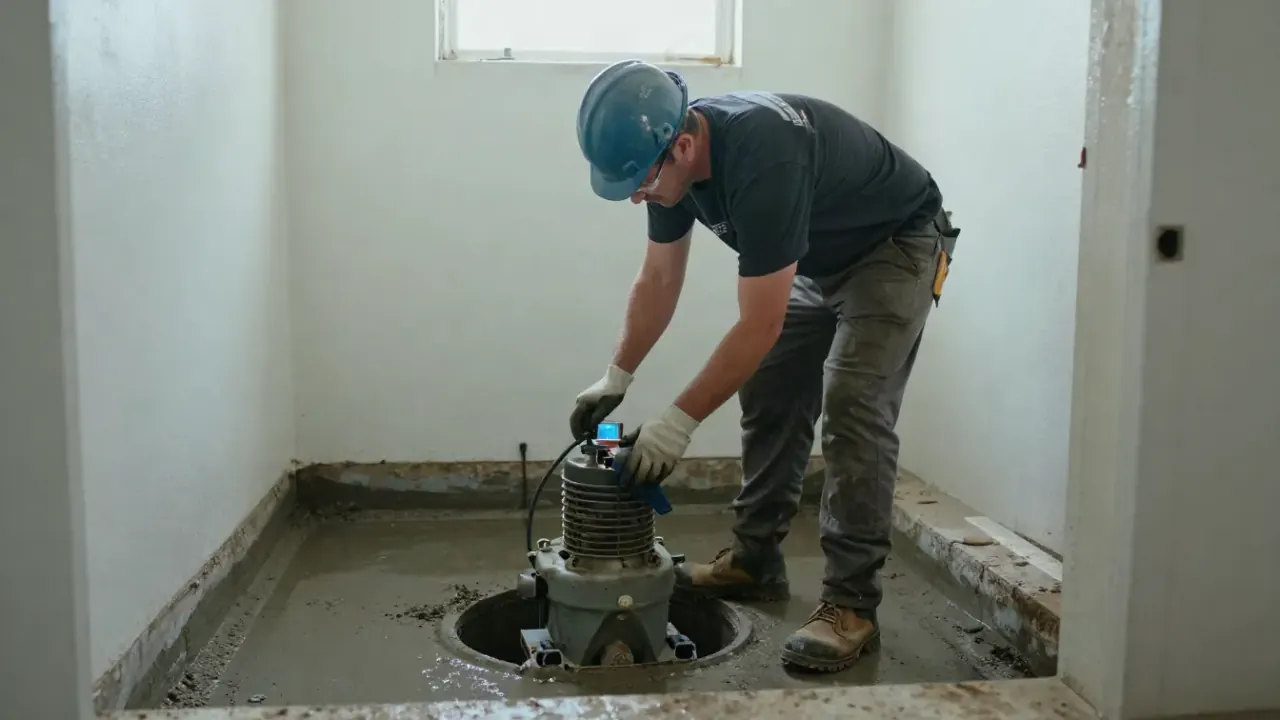
When a planned route crosses concrete, a concrete saw can create a controlled opening before the pipe is installed and the surface is restored.
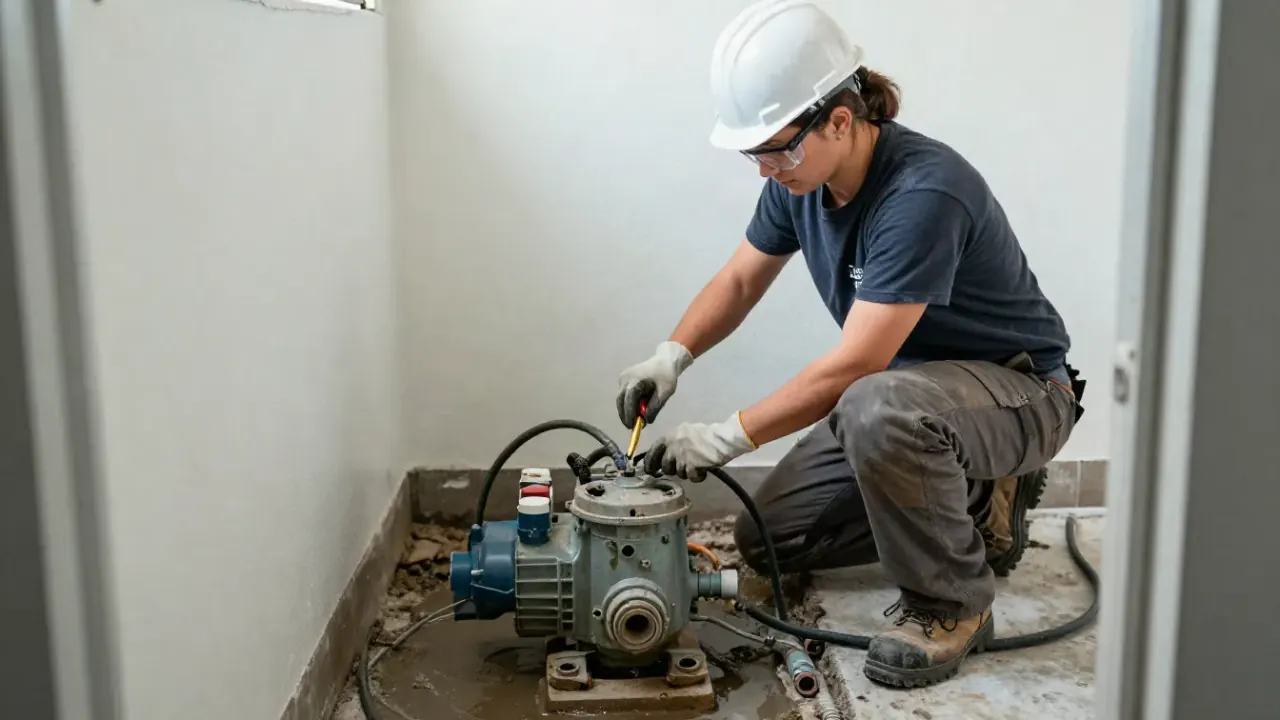
A drain snake can help assess or clear an accessible, obstructed line when its condition and configuration allow safe use.
Washed gravel can form a stable bed beneath suitable drainage components and support flow where a design uses perforated drain tile.
Thermal views are illustrative, generated from the photographs.
A downspout extension kit provides a surface-routing option when a removable, accessible outlet suits the slope and yard layout.
We attach a surface extension when the property has a safe, sloped path to a useful discharge location. The route must avoid walkways, entrances, and a grade that sends water back toward the house. We check the connection and run water through the extension before wrapping up.
We trench a route from the downspout to a suitable outlet and maintain fall so roof runoff can move through the pipe. The line and outlet are selected for the site conditions, with access points kept practical for inspection. A flow test checks the connection and discharge before the ground is restored.
We compare gutter outlets, yard slope, pooling, and basement symptoms to distinguish roof runoff from groundwater or foundation entry. Where perforated drain tile is appropriate for a broader collection plan, it is placed in a washed gravel bed; concentrated downspout discharge is handled with a suitable conveyance route.
After installation, we introduce water at the downspout and observe the route, joints, and outlet. We look for leaks, slow flow, standing water, and discharge returning toward the foundation. The test confirms how the system behaves before the work area is restored.
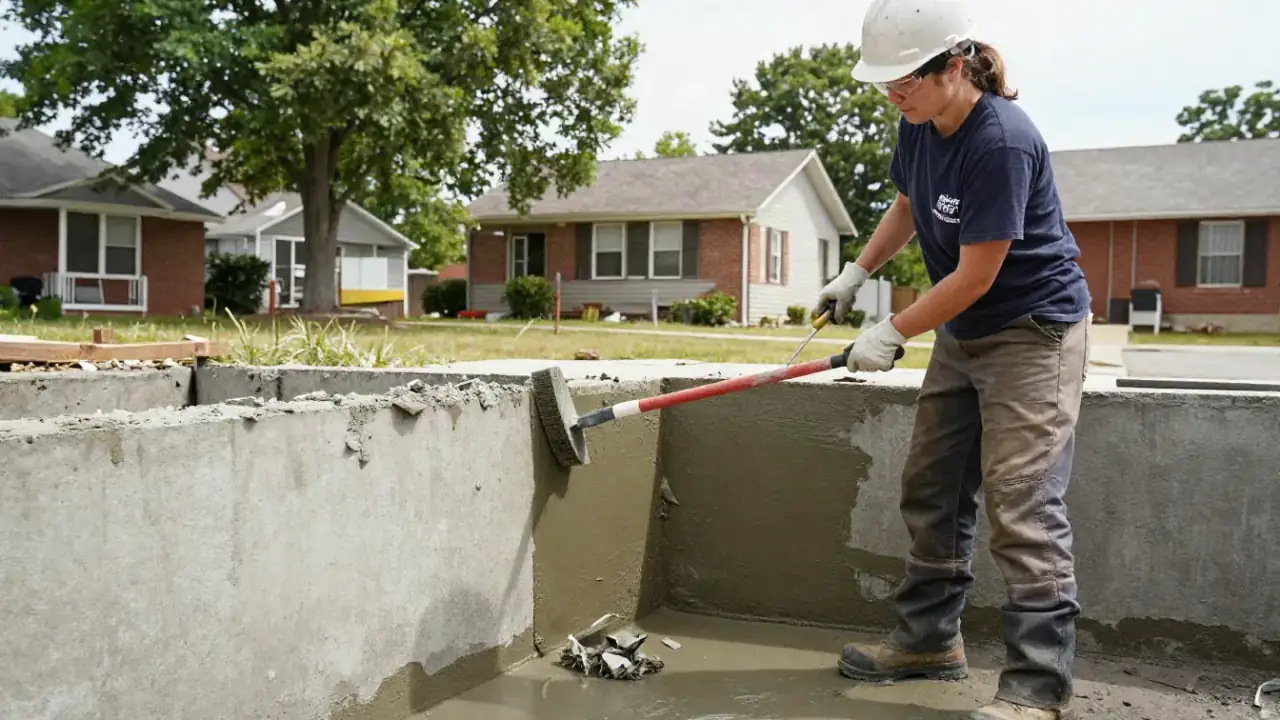
A Warren homeowner sees a new puddle beside the foundation after October rain.
We check whether the nearest downspout discharges into the low area, inspect the surrounding grade, and trace a better outlet route. If the ground is suitable, we install an extension or buried line and test the flow. We also note any basement symptoms that suggest a second water source.
Outcome: Roof water leaves the immediate foundation area instead of repeatedly feeding the puddle, and you know where the outlet sits.
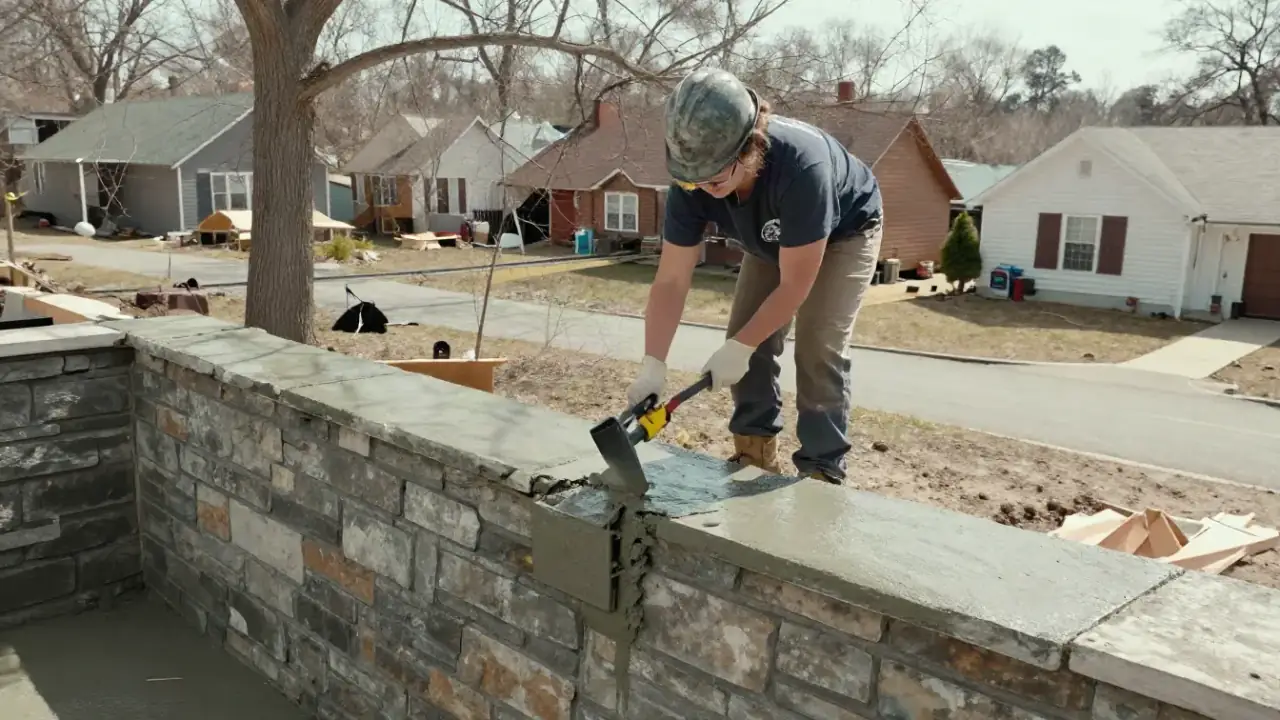
A buried outlet overflows after leaves collect in Warren gutters each fall.
We inspect the downspout connection and accessible outlet for blockage, then run water through the line. If clearing restores flow, we explain seasonal checks; if the pipe is damaged or holds standing water, we discuss correcting the route or replacing the affected section.
Outcome: You get a tested discharge path and a clear maintenance point to check during fall cleanup.
A downspout extension crosses a driveway or walkway near your Warren entrance.
We review safe access, paving, and nearby grade to find a route that moves water away without leaving a trip hazard. A buried line may be appropriate when the site allows it, with a planned outlet that remains reachable for inspection and clearing.
Outcome: The entry path stays clearer while runoff travels away from the foundation through a defined route.
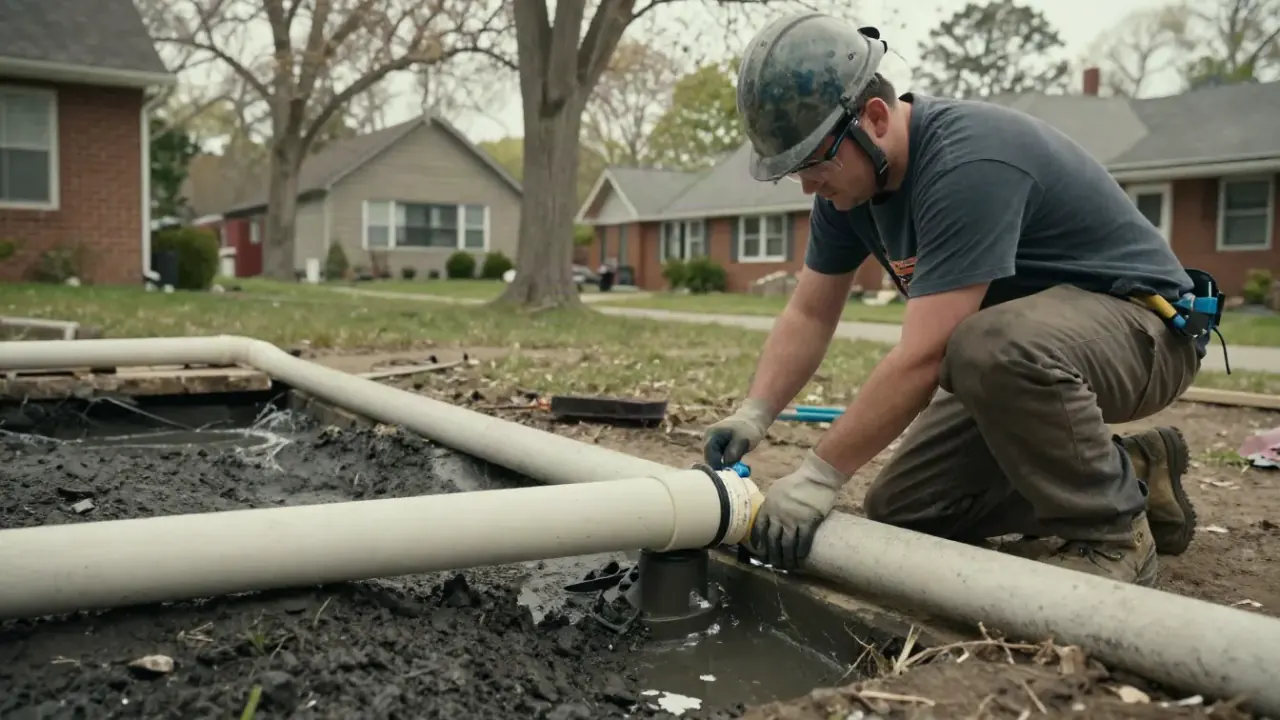
A Niles or Howland Center home has basement dampness after heavy rain.
We start at the downspouts and check whether roof runoff collects near the affected wall. We then look for visible clues of cracks, window well leakage, or broader drainage trouble. If an extension addresses the surface water, we install and test it; other symptoms receive a separate explanation.
Outcome: You learn whether roof runoff contributes to the dampness and what additional issue, if any, needs attention.
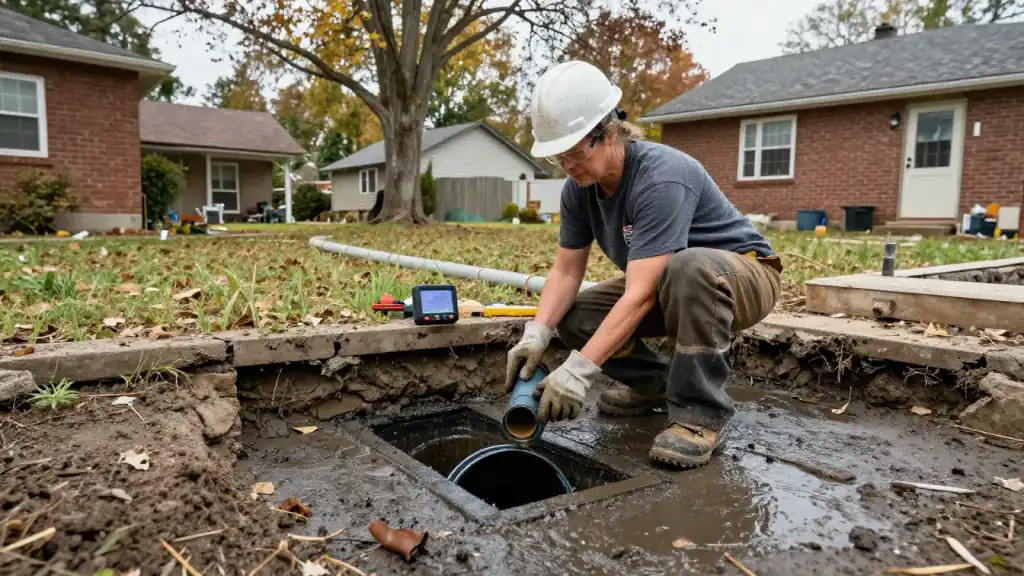
Warren's wet spring weather, summer downpours, and autumn leaf fall put regular strain on gutters and downspout outlets. Freeze-thaw cycles add another concern: exposed extensions can shift, and standing water in a poorly routed line can create winter trouble. Many local properties also have established planting, driveways, and older foundation layouts that limit a straight route.
We inspect those conditions before deciding between surface routing and a buried discharge line. For downspout discharge solutions near Warren, the final outlet must suit the lot and avoid sending water toward a neighboring property, walkway, or low foundation area. If you are asking where to drain downspouts in Warren Ohio, we evaluate the slope and available outlet rather than choosing a fixed distance.
We serve homes across Warren and Trumbull County, including Bolindale and McKinley Heights, and account for Ohio Residential Building Code compliance where applicable to the work. After installation, we test the line and explain the seasonal checks that keep leaves, sediment, and ice from interrupting flow.
Before: One rear downspout emptied less than a few feet from the foundation. After rain, soil stayed soft and a shallow puddle formed near a basement window. The surface extension pointed toward the low area, so water spread along the wall instead of moving across the yard.
After: We routed the downspout through a buried line to an outlet about 12 feet from the foundation, following the available grade. A water test confirmed flow at the outlet and no visible leakage at the connection. The former puddle area no longer receives the roof discharge directly.
Check the gutter and outlet after fall leaf drop, and look for debris or displaced ground cover. If water backs up at the downspout, stop relying on the line until the outlet is inspected.
Before: A long surface extension crossed a side walkway and disconnected during routine yard work. Runoff then landed beside the house, and the loose section became a tripping hazard. The owner needed a path that did not block regular access to the back door.
After: We installed a buried discharge route beneath the walkway section and directed the outlet beyond the foundation area. The connection was tested with flowing water, and the walkway remained clear for daily use. The customer can reach the outlet for routine inspection without moving a long surface tube.
During seasonal yard cleanup, inspect the visible outlet for leaves and confirm that soil or mulch has not covered it. Keep the downspout opening clear so roof water enters the line freely.
Before: A Warren homeowner noticed overflow at the base of a downspout during heavy rain. The buried line had no obvious surface damage, but water collected near the foundation and the outlet was difficult to locate under leaves and soil.
After: We exposed the accessible connection, removed the obstruction, and checked the line with a water test. Flow reached the outlet, which we made easier to identify for future checks. The work addressed the blocked route without replacing sections that were draining properly.
Clear gutters in spring and fall, then check that the outlet remains visible and free of leaves. If the downspout backs up again, have the line inspected before water repeatedly pools beside the foundation.
Downspout drainage installation addresses roof runoff concentrated beside a Warren home, especially where repeated storms leave puddles or damp foundation areas. We trace the path from gutter to soil and select a discharge point that fits the lot. If the water source is elsewhere, we tell you what the visible signs suggest.
A clear discharge route helps keep roof runoff away from your foundation.
A downspout that ends beside the foundation sends concentrated roof runoff into the same soil with every storm. We route discharge toward a suitable outlet and check the slope along the way. Keeping water from repeatedly collecting at the wall helps reduce the conditions that contribute to hydrostatic pressure and water seepage through basement walls.
A properly placed discharge point helps stop a downspout from creating a muddy basin beside a walkway or patio. We account for the existing grade and direct water away from low spots instead of shifting the puddle to another part of your yard. A clear outlet also makes it easier to spot leaves or ice before they block flow.
Your home may need a removable surface extension, a buried line, or a connection to a broader yard drainage plan. We compare the available routes with landscaping, driveways, and pedestrian access before installation. That means you get a system suited to the property rather than a generic downspout extension kit dropped at the foundation.
If a basement still takes on water after runoff is redirected, you will know the downspout was only one part of the problem. We can identify signs of failed drain tile, foundation wall cracks, or sump pump failure that need separate attention. The result is a practical sequence of repairs instead of guessing at the source.
Clear records you can keep and share.
Planned path and discharge location.
Visible installation stages and outlet.
Notes from the final water test.
Seasonal outlet inspection reminders.
The right choice depends on grade, access, yard use, and a safe place for runoff to discharge.
An accessible extension carries water across the ground.
A connected pipe moves runoff underground to an outlet.
Multiple water sources may need a yard or foundation plan.
A list like this tells people straight away whether you cover their street. Not listed? Call and ask: it only takes a minute.
Based in Warren and covering the places around it. Pick one for local details.
A simple surface extension costs less than a buried line crossing paving or dense landscaping. Typical 2026 pricing is confirmed after we inspect the property and identify the discharge point. We explain the factors affecting your total before work begins, so you can compare the recommended route with the problem you want solved.
Downspouts should discharge at least 4 to 6 feet from the foundation, with farther placement used when the grade requires it. The right distance depends on soil, slope, and where runoff can safely go without returning toward the house. In Warren, exposed extensions also need attention before freezing weather. We assess the full water path rather than relying on a distance alone, since a short outlet on a strong slope may work better than a longer one that ends in a low spot.
Yes, you can bury downspout drains in Warren when the route has a dependable slope and a suitable discharge point. We inspect for utilities, paving, tree roots, and low areas before trenching, then connect the downspout to a buried discharge pipe. The outlet must remain accessible for checks and clearing. Leaves and sediment can clog an underground line, so we test flow after installation and explain how to inspect the outlet during seasonal cleanup.
Redirecting roof runoff can reduce water collecting beside the foundation, but it will not correct every cause of a wet basement. Leaking foundation cracks, failed drain tile, high groundwater, or sump pump failure may need separate repairs. We look for these warning signs while assessing the downspouts and explain whether exterior drainage is likely to address your symptoms. If water continues after runoff is routed away, we can identify the next area to investigate.
Other services from the same team.
Keep roof runoff from pooling beside your foundation. Warren Waterproofing Pros will inspect the route, explain the practical options, and test the finished line. Call our local team at (555) 123-4567 to discuss downspout drainage installation Warren OH for your home.
Tell us where water is showing up, how long it has been happening, and whether a sump pump or drain is involved. Call (555) 123-4567 during our weekday business hours, Monday through Friday, 8 a.m. to 6 p.m. We serve Warren, Ohio, and nearby communities, and will help you plan the right inspection for your basement or crawl space.